Is Your Water Heater Trying to Tell You Something?
Most homeowners do not think about their water heater until the moment a cold shower ruins their morning. That is just how it goes. The water heater sits in a corner, does its job quietly for years, and then one day it just… stops. The thing is, water heaters rarely fail without warning. There are almost always signs before the breakdown happens, and knowing what to look for can save you from a surprise repair bill or a flooded utility room. This guide walks you through the most common warning signs your water heater is going out, what those signs actually mean, and how a home warranty fits into the picture when things go sideways.
How a Water Heater Actually Works
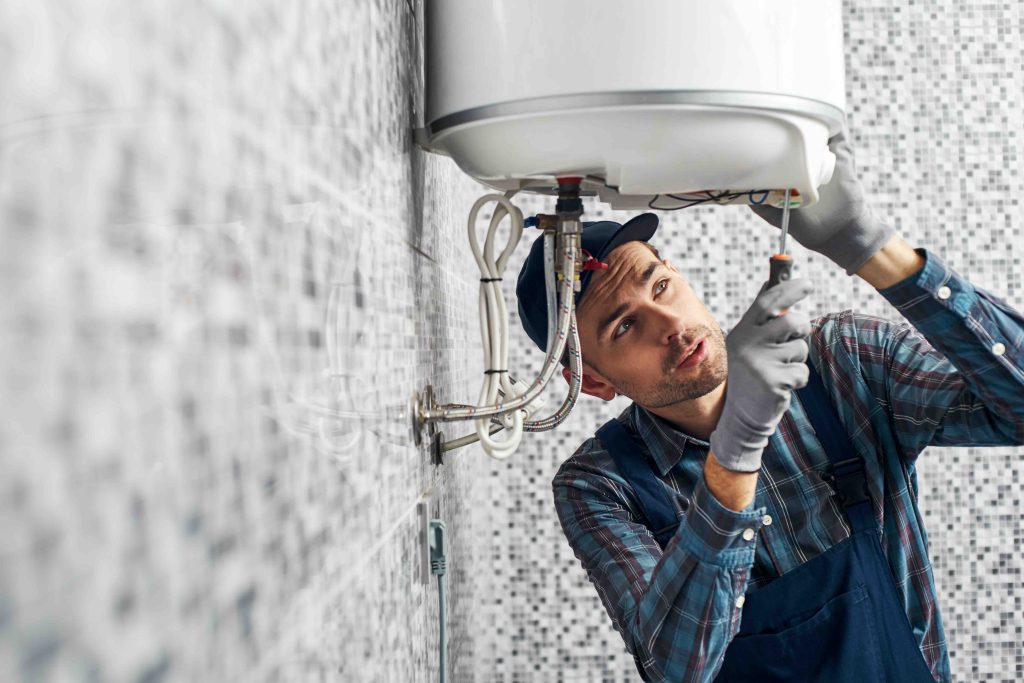
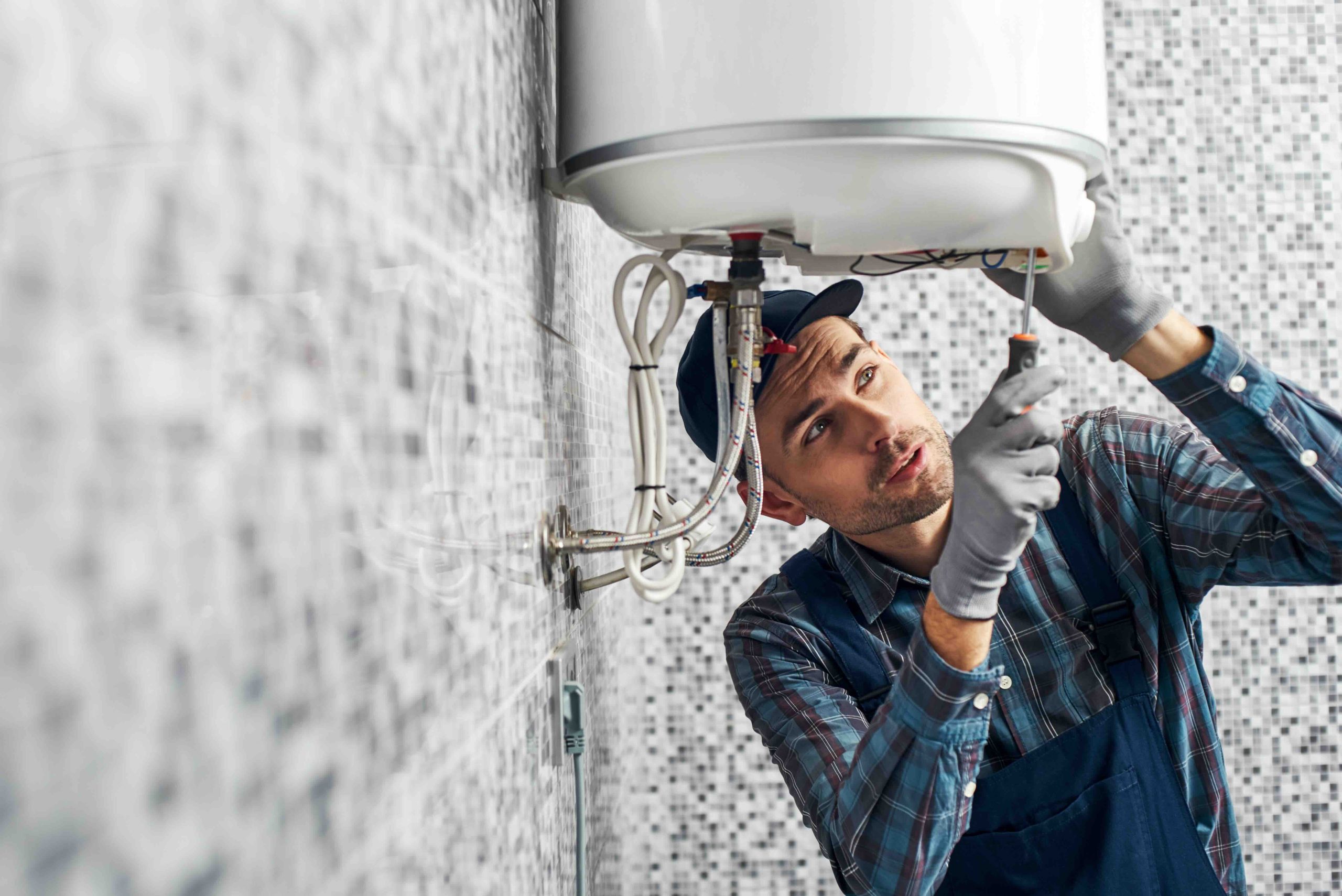
Before getting into the warning signs, it helps to understand what your water heater is doing all day. Most homes have a traditional tank-style water heater, which holds anywhere from 30 to 80 gallons of water and keeps it heated to a set temperature around the clock. Cold water enters through a dip tube at the top, sinks to the bottom where it gets heated by a gas burner or electric heating elements, and then rises to the top when you turn on a hot tap. A thermostat regulates the temperature, a pressure relief valve keeps things safe, and an anode rod inside the tank works to prevent corrosion. When any of these components start to fail, the whole system feels it.
Warning Signs Your Water Heater Is Going Out
This is the part that actually matters when you are standing in a lukewarm shower wondering what went wrong. Water heaters tend to give off some pretty clear distress signals before they fail completely. Here are the most common ones to watch for:
- Inconsistent or lukewarm hot water that never quite reaches the right temperature
- Rusty or discolored water coming from hot taps only
- A rumbling, popping, or banging noise when the heater is running
- Visible moisture, pooling water, or corrosion around the base of the unit
- A metallic taste or smell in your hot water
- Hot water that runs out significantly faster than it used to
- The unit is more than 10 to 12 years old
None of these signs on their own mean the unit is finished, but a combination of two or three is usually a strong indicator that something is wrong. The rumbling noise, for example, often points to sediment buildup at the bottom of the tank. That sediment forces the heating element to work harder, reduces efficiency, and can eventually crack the tank lining. Rust-colored water from a hot tap is often a sign that the anode rod has depleted and internal corrosion has begun. These are not problems that fix themselves.

Age Is Not Just a Number When It Comes to Water Heaters
The average tank-style water heater has a lifespan of about 8 to 12 years. Tankless models tend to last longer, sometimes up to 20 years with proper maintenance, but they come with their own set of concerns. If your unit is approaching or past that 10-year mark, it is worth paying closer attention even if it appears to be running fine. You can usually find the manufacture date on a sticker near the top of the tank. The serial number often contains a coded date if the label is not immediately clear. Older units are simply less efficient, more prone to failure, and more likely to have worn internal components that no longer perform well.
What Happens When You Ignore the Warning Signs
Ignoring a struggling water heater is one of those decisions that tends to feel fine right up until it is not. A slow leak around the base of the tank can turn into a significant water damage situation if the tank finally gives out. Sediment buildup that goes unaddressed can dramatically shorten the unit’s remaining lifespan. A faulty pressure relief valve is a safety concern that goes beyond just hot water availability. Water heater failures also tend to happen at inconvenient times, because that is just the nature of home systems. Addressing early warning signs almost always costs less than dealing with an emergency replacement or water damage remediation after the fact.
Basic Maintenance That Extends Water Heater Life
There are a few maintenance steps that can meaningfully extend the life of a water heater and keep it running more efficiently. Flushing the tank once a year removes sediment that collects at the bottom and reduces heating efficiency. Inspecting or replacing the anode rod every three to five years helps prevent internal corrosion. Setting the temperature to 120 degrees Fahrenheit reduces strain on the unit and lowers the risk of scalding. Checking the pressure relief valve periodically confirms it is still functioning properly. These are not complicated tasks, but they are easy to skip when life gets busy, which is exactly when deferred maintenance starts compounding.
Tank vs. Tankless: Which One Is Right for You?
If your water heater is on its way out and you are weighing a replacement, this is a good moment to consider whether a tankless system makes sense for your home. Traditional tank water heaters are less expensive upfront and easier to install in most homes. They are a reliable, straightforward option for the majority of households. Tankless water heaters heat water on demand rather than maintaining a stored supply, which means they use less energy and never truly run out of hot water. The tradeoff is a higher upfront cost, potential flow rate limitations for large households, and more complex installation requirements. Neither option is universally better. It depends on your household size, hot water demand, and budget for the initial investment.
Where Home Warranties Come Into the Picture
A home warranty is a service contract that covers the repair or replacement of major home systems and appliances when they break down due to normal wear and tear. Water heaters are one of the most commonly covered items under a standard home warranty plan, which makes sense given how central they are to daily life and how expensive they can be to replace. When a covered water heater fails, the homeowner contacts the warranty provider, pays a service call fee, and the repair or replacement is handled from there. For homeowners who want predictability in their home maintenance costs, this kind of coverage can be genuinely valuable, especially as a system ages and the likelihood of a breakdown increases.
Why Armadillo Is Worth Considering for Water Heater Coverage
When a water heater starts showing signs of failure, the last thing any homeowner wants is to navigate a complicated claims process or discover their coverage has more gaps than they realized. Armadillo home warranty plans built for real homeowners are designed around transparency, so you know what is covered before anything goes wrong. There are no confusing exclusions buried in fine print and no runaround when you actually need help. Water heater coverage is included in Armadillo’s plans, meaning a breakdown does not have to become a financial emergency. If you are ready to stop guessing and start feeling secure about what your home is protected against, you can get a free home warranty quote that covers water heater repair and replacement in just a few minutes. Peace of mind on something this essential is worth the two minutes it takes to find out what a plan costs.

Frequently Asked Questions About Water Heater Warning Signs and Home Warranties
The following questions address some of the most common concerns homeowners have when dealing with a water heater that may be on its way out.
How do I know if my water heater is going out or just needs a minor repair?
Minor issues like a tripped reset button or a faulty thermostat can often be repaired affordably. However, if your unit is over 10 years old, showing multiple warning signs, or has visible corrosion and leaking around the tank, replacement is likely the more practical choice.
What does it mean when my hot water has a reddish or brown tint?
Discolored hot water typically indicates corrosion inside the water heater tank. This usually means the anode rod has depleted and rust has begun to develop on the tank’s interior lining. It is a sign the unit may be nearing the end of its useful life.
Why is my water heater making a rumbling or popping noise?
That sound is almost always caused by sediment buildup at the bottom of the tank. As minerals from the water settle and harden, the heating element has to work through that layer to heat the water, which creates those noises. Flushing the tank can help, but if the unit is old, it may indicate deeper wear.
How long does a typical water heater last?
Tank-style water heaters generally last between 8 and 12 years with regular maintenance. Tankless models can last up to 20 years. Age combined with declining performance is a reliable indicator that replacement should be planned for.
Does a home warranty cover water heater replacement?
Most standard home warranty plans cover water heater repair and replacement when the failure is due to normal wear and tear. Coverage details vary by provider, so it is important to review what is included in a plan before purchasing.
Is it worth repairing an older water heater or should I just replace it?
A general rule is that if the repair cost exceeds 50 percent of the replacement cost and the unit is more than eight years old, replacement makes more financial sense. Newer units are also significantly more energy efficient, which can reduce utility costs over time.
What is the ideal water heater temperature setting?
The U.S. Department of Energy recommends setting your water heater to 120 degrees Fahrenheit. This temperature is hot enough to prevent bacterial growth while reducing energy consumption and minimizing wear on internal components.
Can sediment in my water heater make me sick?
Sediment itself is mostly mineral buildup and is not typically a direct health risk. However, a tank that has not been maintained can develop bacterial growth, including Legionella, particularly if the temperature is set too low. Regular flushing and proper temperature settings reduce this risk.
What should I do if I notice water pooling around my water heater?
Turn off the power or gas supply to the unit and do not ignore it. Pooling water can indicate a failing tank, a loose connection, or a faulty pressure relief valve. Have a licensed plumber assess the situation promptly, as a tank failure can cause significant water damage.
How does a home warranty service call work when a water heater breaks down?
When a covered appliance or system fails, you contact your home warranty provider to file a claim. The provider dispatches a qualified technician to assess the issue. If the failure is covered under the plan, the repair or replacement is handled and the homeowner pays only the agreed-upon service call fee.