When Your Oven Won’t Light: What Every Homeowner Should Know
You preheat the oven, wait a few minutes, and then realize nothing is happening. No heat, no ignition click, nothing. If your gas oven won’t light, you are not alone, and you are definitely not without options. This is one of the most common appliance complaints homeowners deal with, and the good news is that it is usually traceable to a handful of specific causes. Understanding how your oven’s ignition system actually works gives you a real advantage, whether you end up fixing it yourself or calling in a professional. Either way, going in informed beats going in blind.
How a Gas Oven Ignition System Actually Works
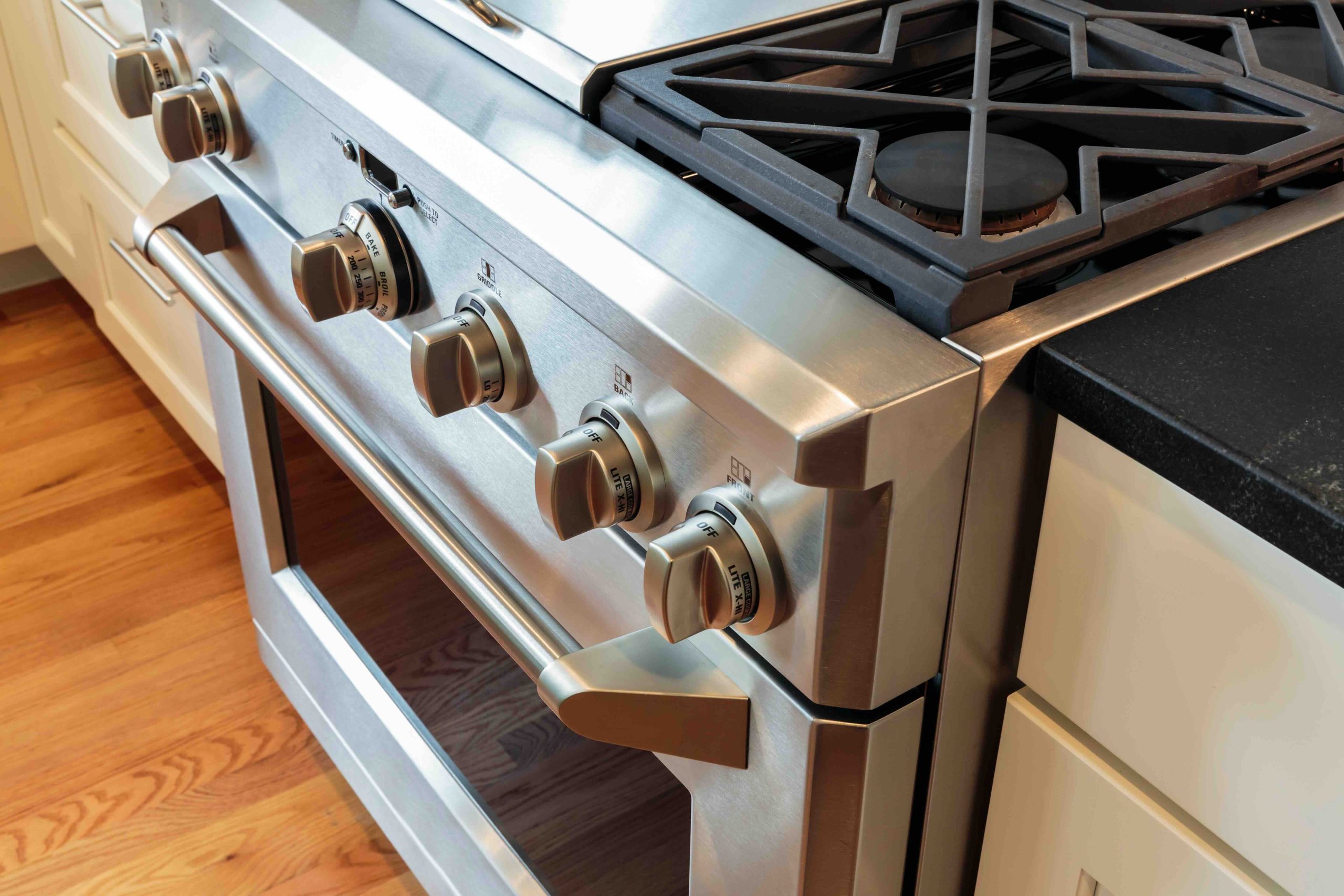
Most modern gas ovens use one of two ignition systems: a standing pilot light or an electronic igniter. Older units tend to rely on a pilot light, a small, continuously burning flame that ignites the main burner when you turn the oven on. Newer ovens almost universally use an electronic igniter, which is that clicking or glowing component you hear or see when you set your oven temperature. When you turn the oven on, the igniter heats up or sparks, opens the gas valve, and allows gas to flow and ignite. When something in that chain breaks down, the oven fails to light. Knowing which system your oven uses is the first step in diagnosing the problem correctly.
The Most Common Reasons a Gas Oven Won’t Light
There is rarely just one culprit, but some causes appear far more frequently than others. Here is a breakdown of what tends to go wrong and why:
- A faulty or worn-out igniter that no longer generates enough heat to open the gas valve
- A clogged burner caused by food debris, grease, or spilled liquids blocking the gas ports
- A tripped circuit breaker affecting the electronic ignition system
- A malfunctioning gas safety valve that prevents gas from flowing to the burner
- A failed thermostat that disrupts the temperature signal to the igniter
- An extinguished pilot light on older oven models
Each of these issues has its own repair path. Some are simple enough for a confident homeowner to address. Others genuinely require a licensed technician, particularly anything involving gas valves or internal electrical components.

Signs Your Igniter Is the Problem
The igniter is the most common failure point in modern gas ovens, and it gives off some fairly clear warning signs. If your oven is slow to heat up, takes longer than usual to reach temperature, or if you can see the igniter glowing orange but the oven still never ignites, those are strong indicators the igniter is weakening. A healthy igniter typically glows bright and ignites gas within about 30 to 90 seconds. When it starts taking longer or failing to open the gas valve entirely, it is usually time for a replacement. Igniters do wear out over time, and this is considered a routine repair for most technicians.
What to Check Before Calling a Technician
Before picking up the phone, there are a few things worth checking on your own. First, confirm that the gas supply to your home is functioning, since other gas appliances like a stove burner can help you verify this quickly. Next, check your circuit breaker panel for any tripped breakers, as electronic ignition systems depend on electricity even though the oven itself runs on gas. Take a look at the burner ports and clean out any debris you can see, since clogged ports are a surprisingly frequent cause of lighting failures. If your oven has a pilot light, check whether it has gone out and follow the manufacturer’s instructions to relight it safely. These steps do not require tools or special knowledge, and they eliminate the obvious before you escalate to a service call.
When You Should Not Attempt a DIY Fix
There is a line between manageable troubleshooting and work that should only be done by a professional, and it is worth being clear about where that line sits. If you smell gas and the oven is not lighting, stop immediately, ventilate the space, and contact your gas utility provider before doing anything else. Any repair involving the gas valve, gas supply line, or internal wiring of the oven should be handled by a licensed appliance technician. Attempting those repairs without proper training creates real safety risks that simply are not worth it. Knowing when to step back is part of being a responsible homeowner, not a sign of defeat.
The Cost of Igniter Repairs and Replacement
Repair costs for a gas oven that won’t light can vary depending on the specific component that has failed and local labor rates. Igniter replacement is typically one of the more affordable oven repairs, often ranging from around $150 to $300 including parts and labor. A faulty safety valve or thermostat replacement can push costs higher, sometimes reaching $300 to $600 depending on the oven model and part availability. If the oven is older and multiple components are failing simultaneously, a technician may recommend replacement rather than continued repair, particularly if the cost of repairs approaches or exceeds the value of the appliance itself.
Key Advantages of Addressing the Problem Early
Ignoring an oven that won’t light consistently tends to lead to bigger, costlier problems down the road. A weakening igniter that is not replaced eventually places strain on related components like the gas valve, which can make a relatively inexpensive fix turn into a more complex repair. Beyond cost, there is a practical reality here: an oven that works unreliably disrupts daily life in a way that compounds over time. Addressing the issue promptly, whether through a service call or a home warranty claim, keeps your kitchen functional and your repair costs more predictable.
What a Home Warranty Covers When Your Oven Won’t Light
A home warranty plan that includes appliance coverage can be genuinely valuable when your oven stops working. Most home warranty plans cover the repair or replacement of built-in appliances, including gas ovens, when they fail due to normal wear and tear. That typically includes components like the igniter, gas valve, thermostat, and wiring. It is worth reading your specific policy carefully, since coverage details vary across providers. Some plans cover freestanding ranges while others focus specifically on built-in appliances. Understanding your coverage before something breaks gives you the ability to act quickly and confidently when it does.
Why Armadillo Is Worth Considering for Appliance Protection
When your oven stops working, the last thing you want is to navigate a complicated claims process or wait days to get a technician scheduled. That is where having the right home warranty plan makes a real difference. Armadillo home warranty coverage for kitchen appliances and home systems is built around transparency and simplicity, which means you know exactly what is covered before you ever need to file a claim. No confusing fine print, no surprise exclusions when you are standing in front of a cold oven trying to figure out what to do next. If you are ready to stop guessing about what repair costs might look like and start planning ahead, get a free home warranty quote for gas oven and appliance protection and see what a plan looks like for your home. Armadillo exists to make the warranty experience actually work the way homeowners expect it to.

Frequently Asked Questions About a Gas Oven That Won’t Light
Why is my gas oven not lighting but the stove burners work fine?
The oven and stove burners operate through separate ignition components. If the stovetop burners light normally, the gas supply is not the issue. The problem is likely isolated to the oven’s igniter, gas valve, or thermostat, all of which are independent from the surface burner system.
Is it safe to use my oven if the igniter is weak but still lighting?
A weak igniter that eventually lights the oven is not immediately dangerous, but it does place extra strain on the gas valve and can lead to delayed ignition, which carries some risk. It is best to have a technician inspect and replace a failing igniter before it stops working entirely.
How long does a gas oven igniter typically last?
Most gas oven igniters last between five and ten years under normal use conditions. Frequency of use, oven model, and maintenance habits can all affect lifespan. If your oven is older and experiencing ignition issues, the igniter is usually the first component to evaluate.
Can I relight the pilot light on my gas oven myself?
Yes, on older ovens with a standing pilot light, relighting it is generally safe to do yourself. Always follow the manufacturer’s instructions specific to your oven model, ensure there is no gas smell before attempting to relight, and allow any residual gas to dissipate before introducing a flame.
How do I know if my gas valve is the problem and not the igniter?
If your igniter glows visibly but the gas never ignites, the gas valve is often the cause. A functioning igniter should draw enough current to signal the valve to open. A technician can test both components with a multimeter to confirm which one has failed.
Will my home warranty cover a gas oven igniter replacement?
Most home warranty plans that include appliance coverage will cover igniter replacement when the failure is due to normal wear and tear. Review your specific policy for details on covered components and any applicable service call fees before filing a claim.
What should I do if I smell gas when trying to light my oven?
Stop immediately. Do not attempt to light the oven or use any electrical switches. Open windows to ventilate, leave the home, and contact your gas utility provider from outside. A gas smell indicates a potential leak that requires professional evaluation before any appliance use resumes.
How much does it typically cost to repair a gas oven that won’t light?
Costs vary by component and local labor rates. Igniter replacement commonly ranges from $150 to $300. Gas valve or thermostat repairs can range from $300 to $600 or more. A home warranty plan can significantly reduce or eliminate these out-of-pocket costs depending on coverage terms.
Can food debris actually prevent a gas oven from lighting?
Yes. Grease, food spills, and debris can clog the burner ports and block gas flow, preventing ignition. Regular oven cleaning, including attention to the burner area, reduces the likelihood of this type of failure and is a simple form of preventive maintenance.
Should I repair or replace a gas oven that keeps failing to light?
If the oven is less than ten years old and only one component has failed, repair is usually the more cost-effective choice. If the appliance is older and multiple systems are failing, replacement may make more financial sense. A qualified technician can help you evaluate the repair-versus-replace decision based on the oven’s condition and current repair costs.