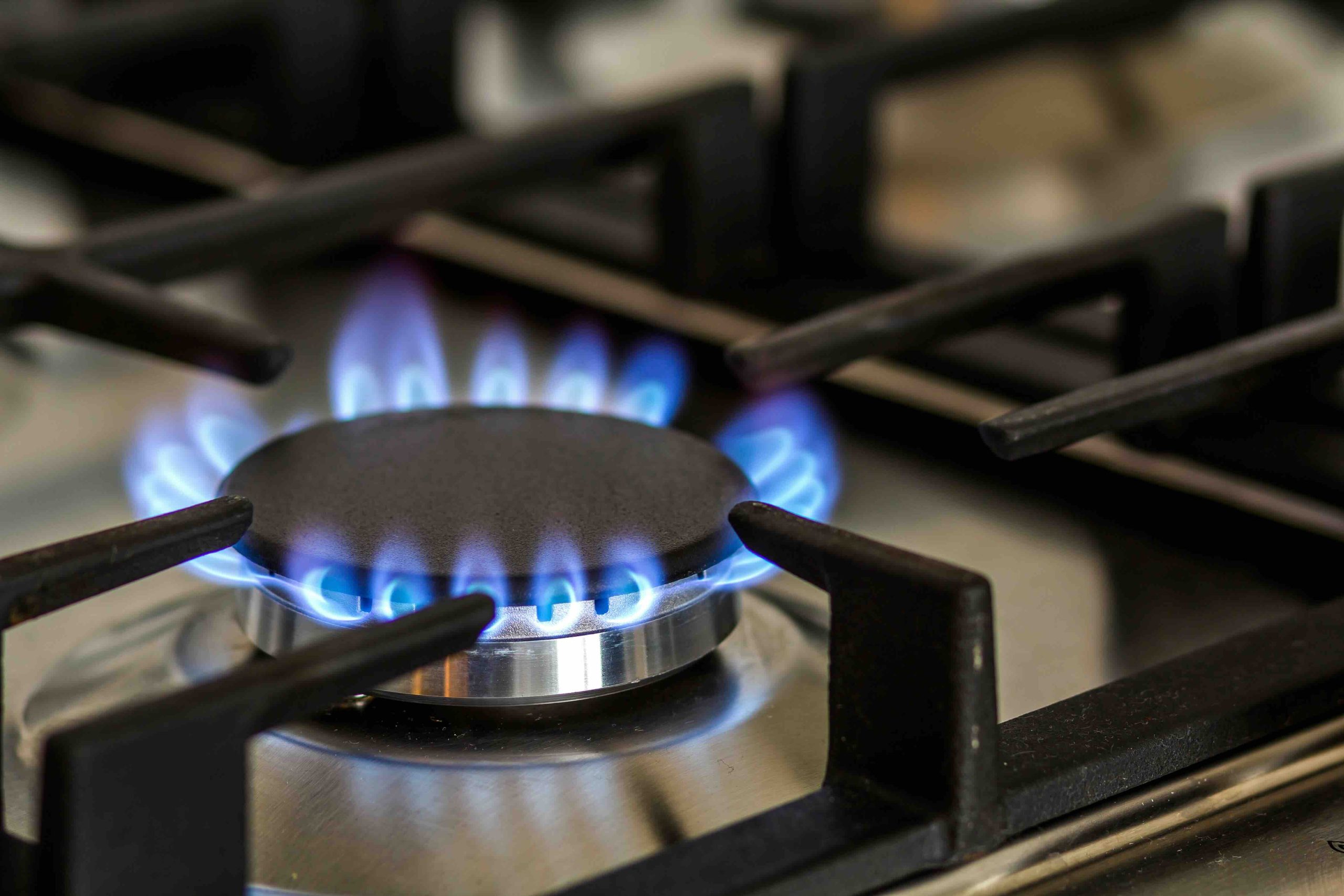
When Your Stove Won’t Turn Off: What Every Homeowner Needs to Know
You finish cooking dinner, turn the knob, and walk away. Except the burner is still glowing. Or the gas is still hissing. A stove that will not turn off is not a minor inconvenience you can ignore until the weekend. It is a safety concern, a potential fire hazard, and depending on the type of stove you have, possibly a gas leak waiting to happen. Understanding why this occurs, what signs to watch for, and what your options are can make a real difference in how quickly and safely you respond.
How a Stove Burner Control System Actually Works
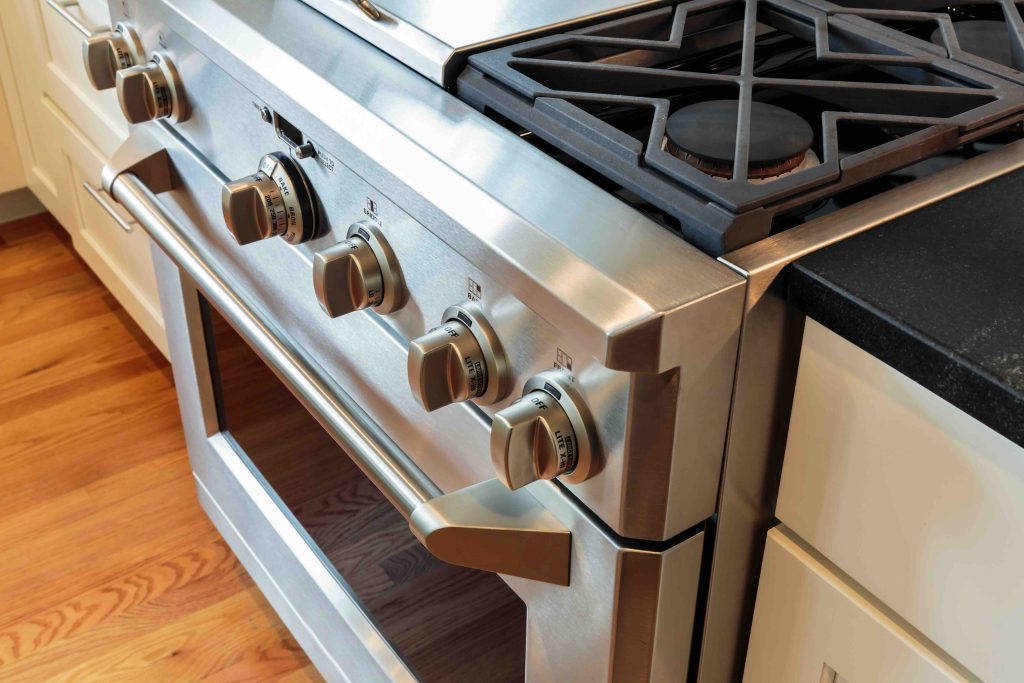
Most homeowners never think about what happens mechanically when they turn a burner knob. On a gas range, turning the knob opens a valve that allows gas to flow to the burner. An igniter sparks, the gas lights, and the flame size is controlled by how far you rotate the valve. On an electric coil range, the knob controls a switch that regulates electrical current to the coil. Smooth-top electric ranges use a similar switching mechanism, just hidden beneath a ceramic glass surface. The point of failure in all of these systems is often that control mechanism. When the switch, valve, or sensor malfunctions, the burner may not receive the signal to stop. That is when you end up standing in your kitchen, staring at a burner that refuses to cooperate.
Common Reasons a Stove Burner Will Not Turn Off
There are several culprits worth understanding, and they vary depending on whether you have a gas or electric range. Knowing the likely cause can help you communicate clearly with a technician and avoid being overcharged for a diagnosis.
- Faulty infinite switch on electric stoves, which is the component that regulates how much power flows to the burner
- A stuck or corroded gas valve that will not fully close when the knob is turned
- A damaged or melted knob that no longer makes proper contact with the control shaft
- Control board failure on newer digital or touch-controlled ranges
- Food debris or grease buildup inside a gas valve, preventing it from seating properly
- A worn-out surface element switch that has lost its ability to break the circuit
Some of these issues are inexpensive to fix. Others, like a failed control board on a high-end range, can cost several hundred dollars in parts alone before labor is even considered.
Gas vs. Electric: Why the Distinction Matters Here
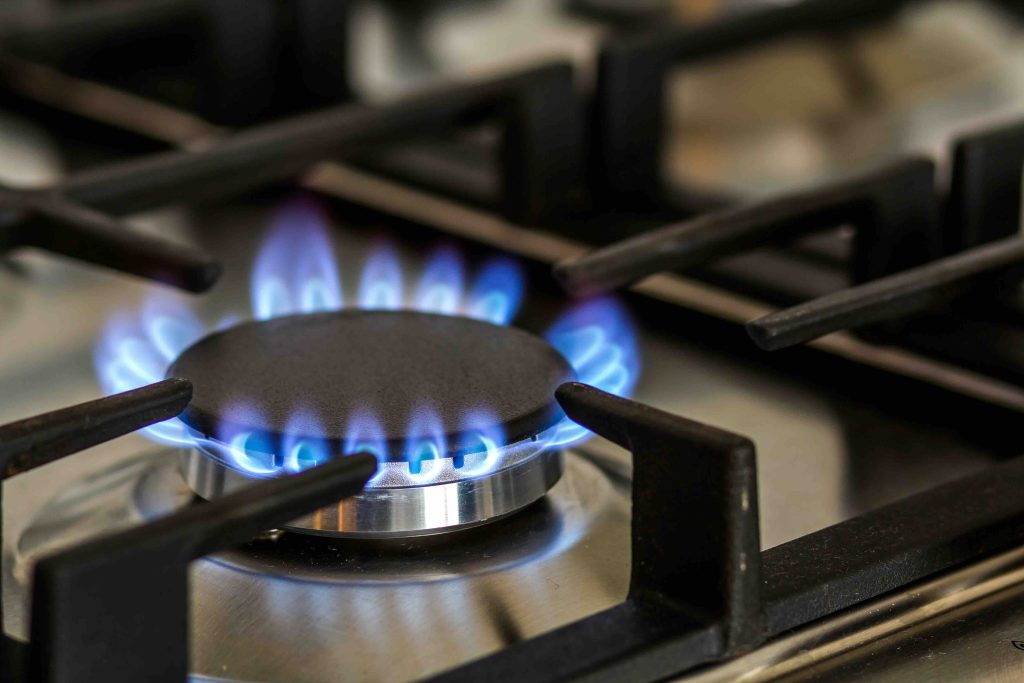
When an electric burner will not turn off, the risk is primarily heat and fire. You have time to act carefully. When a gas burner will not turn off, you may also be dealing with unburned gas escaping into your kitchen. If the flame goes out but the valve stays partially open, gas can accumulate quickly. This is why the response to a gas stove that will not turn off is fundamentally different. Ventilate the space, avoid creating sparks, and shut off the gas supply at the source if possible. For electric ranges, turning off the circuit breaker for the stove is the fastest way to cut power if the knob fails. Neither scenario requires panic, but both require prompt and deliberate action.

Immediate Steps to Take When a Burner Stays On
Before calling anyone or searching for a replacement part, there are a few immediate steps worth taking. First, try rotating the knob past the off position and back again. Sometimes a stuck mechanism will release with a firm but controlled motion. If that does not work, do not force it. For electric stoves, locate your home’s circuit breaker panel and switch off the breaker labeled for the range or stove. For gas stoves, find the shutoff valve behind or beneath the appliance and turn it perpendicular to the gas line to stop the flow. Once the immediate issue is controlled, document what happened and contact a qualified appliance repair technician. This is not a DIY repair for most homeowners.
What the Repair Process Typically Involves
A technician will typically start by diagnosing the specific component that has failed. For an electric range, they will test the infinite switch with a multimeter to confirm whether it is holding or releasing the circuit properly. For gas ranges, they will inspect the valve mechanism and check for any obstruction or wear. Replacement parts for common range brands are generally available, though lead times can vary. Labor costs for appliance repairs typically range from fifty to one hundred fifty dollars per hour depending on your region, and parts can add anywhere from twenty dollars for a simple knob to several hundred dollars for a control board. The total bill for a stove that will not turn off can land anywhere between eighty dollars and over five hundred dollars depending on the root cause.
When Repair Makes Sense Versus Replacement
Age is the first thing to consider. If your range is under ten years old and the repair cost is less than half the price of a comparable replacement unit, repair usually makes financial sense. If the appliance is fifteen or more years old and you are looking at a significant repair bill, replacement may be the smarter long-term investment. Also factor in whether this is the first issue or part of a pattern of problems. A range that has needed multiple repairs in a short period is signaling that it is reaching the end of its reliable service life. That said, if you have a home warranty in place, the calculus changes considerably. A covered repair that costs you only a service fee rather than the full repair bill makes it far easier to justify keeping a functional appliance running.
How Home Warranties Apply to Stove and Range Repairs
This is where homeowners often feel the most confusion. A home warranty is a service contract that covers the repair or replacement of major home systems and appliances when they break down due to normal wear and tear. Most standard home warranty plans include kitchen appliances such as ranges and stoves. When a covered component like an infinite switch or gas valve fails, the homeowner pays a service fee, typically between seventy-five and one hundred twenty-five dollars, and the warranty provider coordinates and covers the remainder of the repair cost. This is meaningfully different from homeowners insurance, which covers sudden accidental damage rather than mechanical failure over time. For a common issue like a burner that will not shut off, a home warranty can translate directly into significant savings.
Preventive Maintenance Tips to Reduce the Risk of Future Issues
While some component failures are simply unavoidable, a little maintenance goes a long way when it comes to stove reliability. Keeping burner controls clean and free of grease buildup is one of the most effective things you can do. Food particles and oils that work their way into gas valves or switch mechanisms are a leading cause of premature failure.
- Wipe down knobs and the area around burner controls regularly with a damp cloth
- Avoid using excessive water or spray cleaner directly on control panels, particularly on digital models
- Have your gas range inspected periodically if you notice any irregularities in flame size or ignition behavior
- Do not slam or force knobs that feel stiff, as this can accelerate wear on the control shaft
- Check the condition of burner grates and drip pans to prevent grease from accumulating near control components
Why Armadillo Is the Right Partner When Appliance Problems Happen
When a stove stops behaving the way it should, the last thing you want to do is spend hours calling repair companies, negotiating pricing, and hoping the technician shows up. That is exactly the kind of situation Armadillo home warranty coverage for kitchen appliances and major systems is built to handle. Armadillo offers straightforward plans with transparent pricing, no confusing fine print, and real support when something in your home breaks down. If you are ready to stop leaving appliance repairs to chance, you can get a free home warranty quote to protect your stove and other appliances in just a few minutes. Peace of mind does not have to be complicated, and neither does finding the right coverage for your home.

Frequently Asked Questions About a Stove That Will Not Turn Off
Here are answers to the questions homeowners ask most often when dealing with a stove burner that refuses to shut off.
Is it safe to leave the house if my stove burner will not turn off?
No. If a burner will not turn off, you should not leave the home until the appliance is fully de-energized, either by cutting power at the breaker for electric stoves or shutting off the gas supply valve for gas stoves. Leaving an unattended active burner creates a serious fire risk.
Can a stove knob itself be the cause of the burner not turning off?
Yes. If the interior of the knob is stripped or cracked, it may no longer properly engage the control shaft beneath it, which means turning the knob does not actually move the switch or valve to the off position. Replacing the knob is often one of the least expensive fixes available.
Will homeowners insurance cover a stove that will not turn off?
Generally, no. Homeowners insurance is designed to cover sudden accidental damage and specific named perils such as fire or weather events. Mechanical failure of an appliance component is typically excluded. A home warranty is the product designed to address that type of breakdown.
How do I shut off my gas stove if the burner will not stop?
Locate the gas shutoff valve connected to the supply line behind or beneath your stove. Turn the valve handle perpendicular to the pipe to stop gas flow. If you cannot access that valve, locate your home’s main gas shutoff and contact your gas utility provider immediately.
What is an infinite switch and why does it fail?
An infinite switch is the internal component on an electric range that controls how much electrical current flows to a burner coil. Over time, the contacts inside the switch can wear, burn, or fuse together, preventing the circuit from breaking when the knob is turned to off. It is one of the most common causes of an electric burner that will not shut off.
How long does it take to repair a stove that will not turn off?
Most repairs of this nature take between one and two hours once the technician is on site and the correct part is available. If a part needs to be ordered, you may be waiting several days to a week for the repair to be completed.
Can I still use my stove if only one burner will not turn off?
It depends on the type of stove and the nature of the failure. In some cases, the other burners remain functional and safe. However, if there is any possibility of gas escaping or electrical damage spreading, it is safest to avoid using the appliance entirely until it is inspected and repaired.
Does a home warranty cover all types of stoves and ranges?
Most home warranty plans cover freestanding ranges, gas and electric, as well as built-in cooktops. Coverage specifics can vary by provider and plan tier. It is worth reviewing what your plan includes before a problem occurs so you are not caught off guard at the moment of need.
What is the average cost to repair a stove burner that will not turn off?
Repair costs typically range from eighty dollars to over five hundred dollars depending on the specific component that has failed, the brand of the appliance, and local labor rates. Replacing an infinite switch tends to be on the lower end of that range, while a control board replacement sits at the higher end.
How can I tell if my stove repair is covered under a home warranty?
Review your home warranty contract to confirm that ranges and cooktops are listed as covered appliances and that the type of failure, mechanical breakdown from normal wear and tear, is included. If you are unsure, contact your warranty provider directly before scheduling a repair to confirm coverage and avoid unexpected out-of-pocket costs.