What Does It Really Cost to Maintain a Water Heater?
Most homeowners do not think about their water heater until something goes wrong. And by the time something goes wrong, the bill can be a real surprise. Water heater maintenance is one of those home care tasks that tends to get pushed to the back burner, which is ironic because ignoring it almost always costs more in the long run. Whether you have a traditional tank-style unit or a tankless system, understanding the true cost of keeping it running well is one of the smartest things you can do as a homeowner.
How a Water Heater Works and Why Maintenance Matters
A water heater does exactly what the name suggests. It heats water and keeps it ready for use throughout your home. Tank-style water heaters store a set volume of hot water, typically between 40 and 80 gallons, while tankless models heat water on demand as it flows through the unit. Either way, both types are working constantly in the background, and that constant operation leads to natural wear over time. Sediment builds up inside the tank, heating elements degrade, pressure relief valves age out, and connections can corrode. Routine maintenance addresses all of these issues before they turn into costly repairs or full unit replacement.
Average Annual Water Heater Maintenance Costs
Let’s talk numbers. For a standard tank water heater, professional annual maintenance typically runs between $100 and $200. This usually covers a full inspection, sediment flush, anode rod check, and pressure relief valve test. Tankless water heaters tend to cost a bit more to maintain, often between $150 and $250 per year, largely because descaling the heat exchanger requires more labor and specialized equipment. These are not alarming numbers when you consider that a new water heater installation can run anywhere from $800 to over $2,000 depending on the type, brand, and complexity of the job.
Common Water Heater Repairs and What They Cost
Even with regular maintenance, components can fail. Knowing what to expect price-wise helps you avoid sticker shock when a technician delivers a quote. Here are some of the most frequent water heater repairs homeowners encounter and their typical cost ranges:
- Thermostat replacement: $150 to $300
- Heating element replacement: $200 to $400
- Anode rod replacement: $50 to $150
- Pressure relief valve replacement: $100 to $300
- Sediment flush: $80 to $200
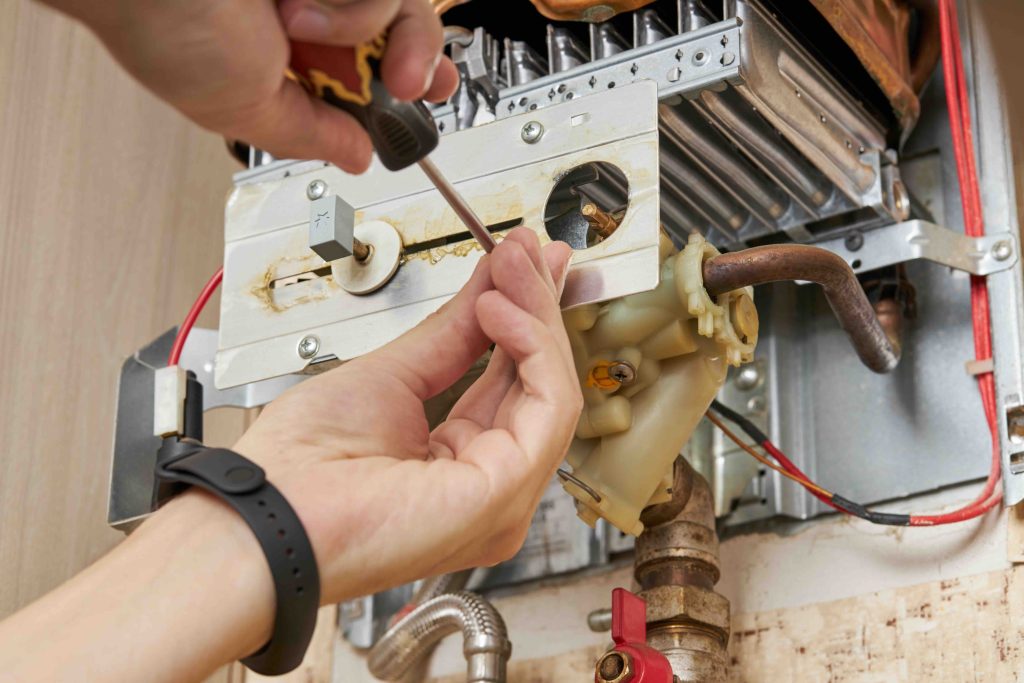
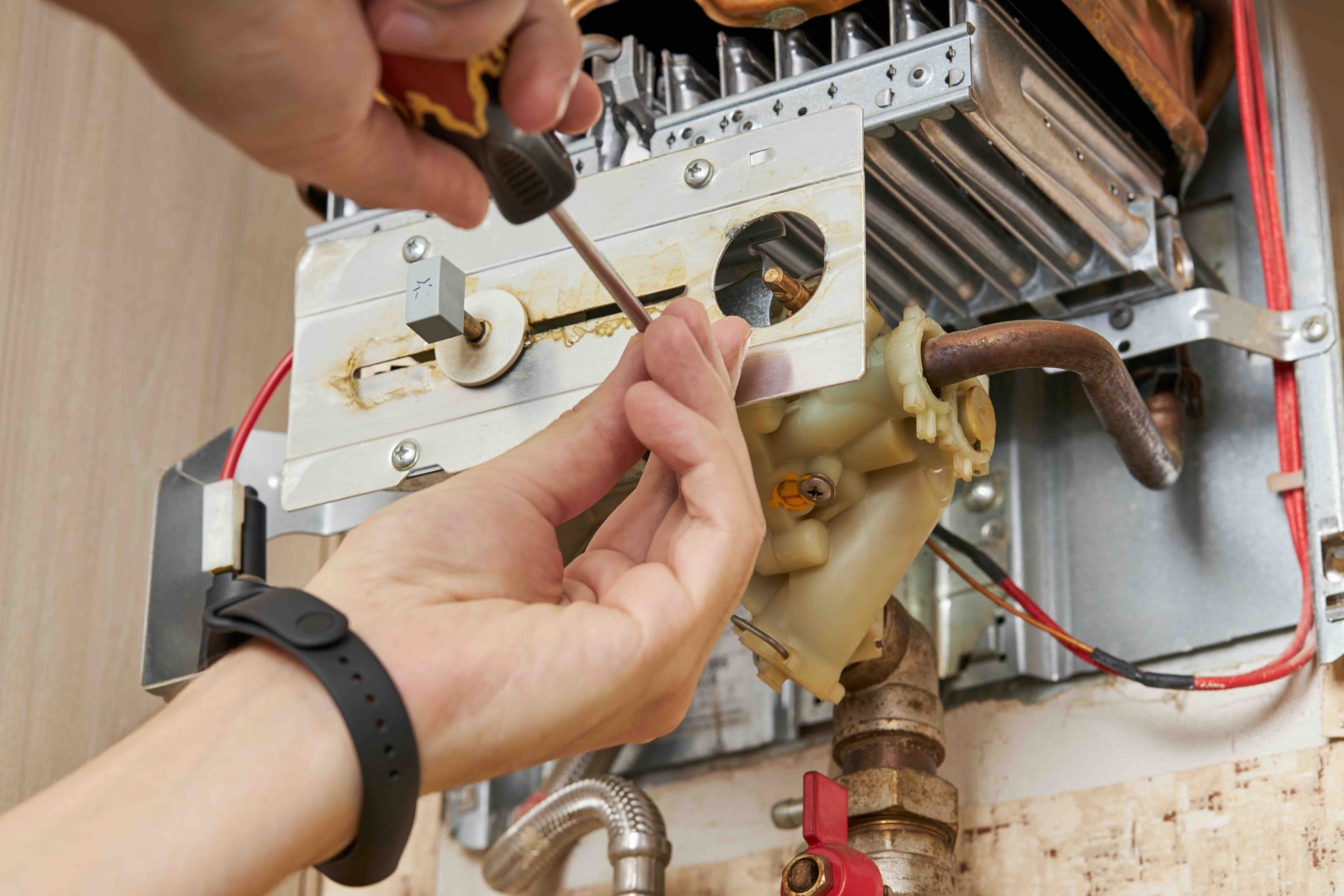
- Gas valve replacement: $300 to $600
- Full unit replacement (tank): $800 to $2,000 installed
- Full unit replacement (tankless): $1,000 to $3,500 installed
Labor costs vary significantly depending on your region, the age of your system, and how accessible the unit is. A water heater tucked into a tight utility closet costs more to service than one sitting in an open garage.

Signs Your Water Heater Needs Attention Right Now
There are some warning signs that should prompt immediate action rather than a spot on next month’s to-do list. Rusty or discolored water coming from your hot tap is a classic indicator that the anode rod has failed and internal corrosion has started. Rumbling or popping noises from the tank often signal heavy sediment buildup, which forces the heating element to work harder and reduces efficiency. Inconsistent water temperatures, water pooling near the base of the unit, or a pilot light that keeps going out are all signals worth taking seriously. Catching these issues early almost always means a less expensive fix.
The Real Value of Preventive Water Heater Maintenance
Preventive maintenance is genuinely one of the best investments in home ownership. A properly maintained tank water heater typically lasts 8 to 12 years, while a neglected one might fail at the 6 or 7 year mark. Tankless models can last 20 years or more with consistent care. Spending $150 a year on maintenance versus absorbing a $2,500 emergency replacement is a straightforward calculation. Beyond longevity, a well-maintained water heater also runs more efficiently, which has a direct impact on your monthly energy bill. Sediment insulates the heating elements from the water, making the system work harder to reach the same temperature. That inefficiency adds up month after month.
DIY Maintenance Versus Hiring a Professional
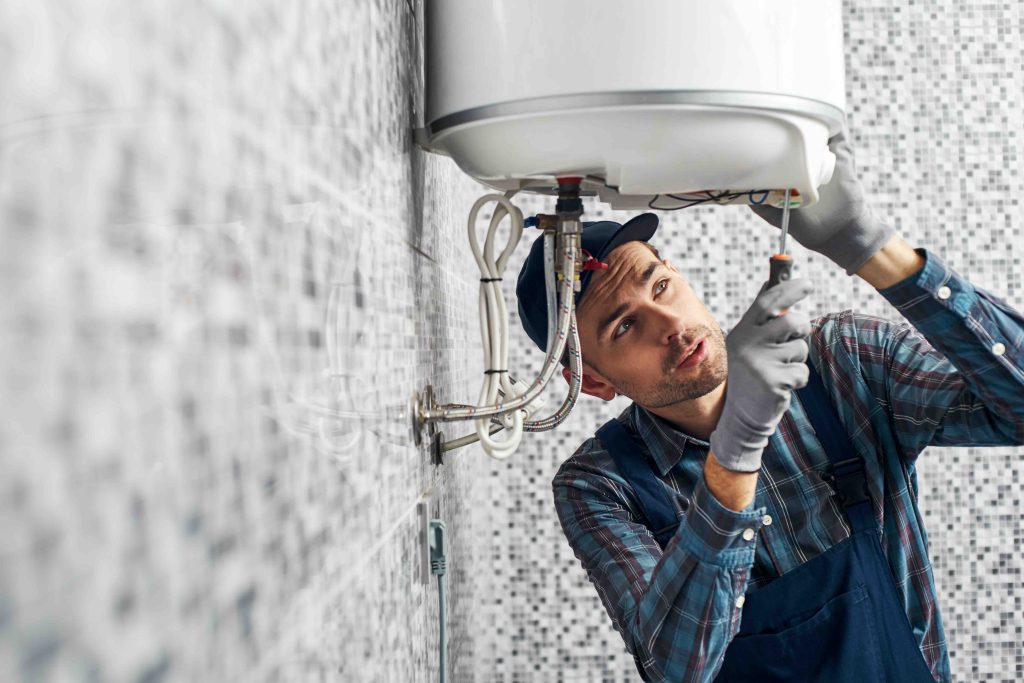
Some water heater maintenance tasks are genuinely accessible to a handy homeowner. Draining and flushing the tank to remove sediment, checking the temperature setting, and inspecting the area around the unit for moisture or leaks are all things most people can handle with minimal risk. Replacing an anode rod requires a bit more comfort with tools but is still achievable with the right guidance. However, anything involving gas lines, electrical components, or the pressure relief valve is generally better left to a licensed professional. The savings from a DIY repair can disappear quickly if something is done incorrectly and causes a larger problem or a safety hazard.
How a Home Warranty Can Offset Water Heater Costs
This is where things get interesting for a lot of homeowners. A home warranty is a service contract that covers the repair or replacement of major home systems and appliances when they break down due to normal wear and tear. Water heaters are among the most commonly covered items in home warranty plans, and for good reason. When a covered component fails, you pay a service call fee, and the warranty provider handles the rest. For homeowners who want budget predictability and protection against unexpected repair bills, a home warranty can be a genuinely useful financial tool. It does not replace maintenance, but it works alongside it to reduce out-of-pocket exposure when things inevitably go wrong.
What to Look for in a Home Warranty That Covers Water Heaters
Not all home warranty plans offer the same level of protection, so reading the fine print matters. When evaluating coverage for your water heater, look for plans that clearly specify both tank and tankless coverage if applicable, include coverage for all major components rather than just select parts, do not require a waiting period before coverage activates, and have straightforward claims processes with responsive contractor networks. Annual coverage limits and replacement caps are also worth reviewing. Some plans cap replacement at a dollar amount that may not fully cover a high-efficiency tankless system, so understanding those limits before you sign is important.
Why Armadillo Is the Smart Choice for Water Heater Protection
When it comes to protecting something as essential and expensive as your water heater, the home warranty provider you choose makes a real difference. Armadillo was built with exactly this kind of homeowner frustration in mind. If you are looking for a home warranty plan that covers water heater repairs and replacements without the usual runaround, Armadillo delivers straightforward coverage, transparent pricing, and a claims process that does not make you feel like you are arguing for something you already paid for. The coverage is real, the terms are clear, and the experience is built around what homeowners actually need. You can get a free water heater home warranty quote in seconds and see exactly what your plan would cover before committing to anything. No pressure, no confusion, just honest information so you can make the right call for your home.

Frequently Asked Questions About Water Heater Maintenance Costs
Real answers to the questions homeowners search for most when it comes to water heater upkeep and costs.
How often should a water heater be professionally serviced?
Most water heaters benefit from professional servicing once per year. Annual inspections help catch sediment buildup, failing components, and efficiency issues before they escalate into costly repairs or early unit failure.
What is the average lifespan of a tank water heater?
A tank-style water heater typically lasts between 8 and 12 years with regular maintenance. Neglecting routine care can shorten that lifespan considerably, sometimes by several years.
Is it worth repairing an old water heater or just replacing it?
If your water heater is within the last two years of its expected lifespan and the repair cost exceeds half the price of a new unit, replacement is usually the smarter financial decision. For younger units, repair is almost always more cost-effective.
Does a home warranty cover water heater replacement?
Many home warranty plans do cover water heater replacement when the unit fails due to normal wear and tear. Coverage details vary by provider, so reviewing your plan terms carefully before assuming full replacement coverage is essential.
What causes a water heater to make rumbling or popping noises?
Rumbling and popping sounds from a water heater are almost always caused by sediment buildup at the bottom of the tank. As the heating element works through the sediment layer, it creates those sounds. A professional sediment flush typically resolves the issue.
Can I flush my water heater myself to save money?
Yes, flushing a tank water heater is a task most homeowners can manage with basic tools and some preparation. Turning off the power or gas, connecting a garden hose to the drain valve, and allowing the sediment to flush out is a process that typically takes under an hour.
How much does it cost to replace a water heater anode rod?
Anode rod replacement typically costs between $50 and $150 for the part and labor combined, depending on your location and the technician’s rates. It is one of the most cost-effective maintenance tasks you can perform to extend your tank’s lifespan.
What temperature should my water heater be set to?
The U.S. Department of Energy recommends setting your water heater to 120 degrees Fahrenheit. This temperature is sufficient for household use, reduces the risk of scalding, and minimizes unnecessary energy consumption.
Does a tankless water heater require less maintenance than a tank model?
Tankless water heaters still require regular maintenance, including annual descaling of the heat exchanger, filter cleaning, and system inspections. In some cases, maintenance is more involved than a traditional tank unit, particularly in areas with hard water.
How do I know if my water heater is covered under a home warranty?
Review your home warranty contract under the covered systems and appliances section. Most plans explicitly list water heaters as a covered item, but coverage limits, excluded components, and conditions for replacement can vary significantly between providers.