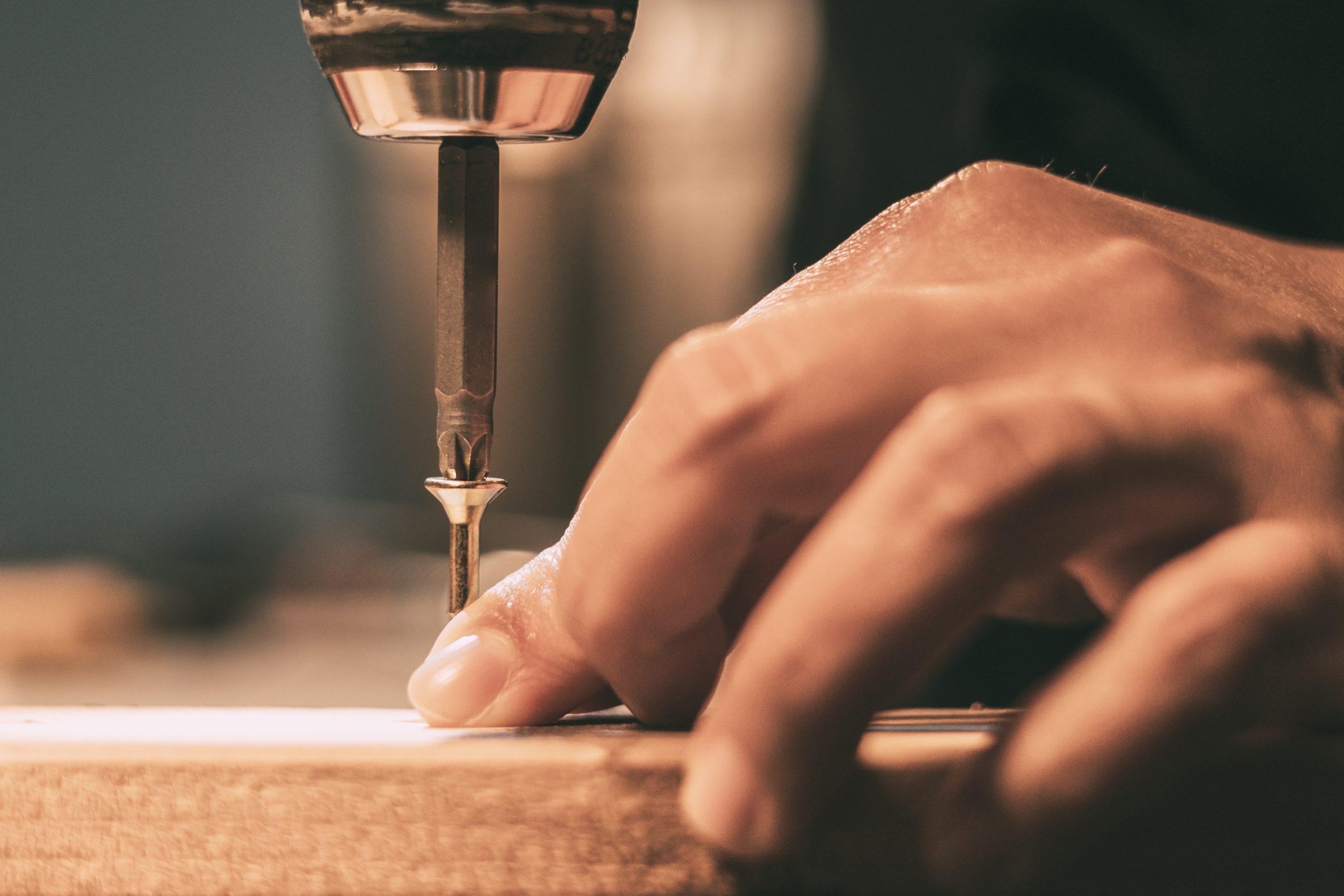
What Is a Stripped or Snapped Screw and Why Should Homeowners Care?
A snapped or stripped screw is one of those small problems that has a way of turning into a surprisingly big headache. At its core, a stripped screw is one where the drive head has been worn down to the point where a screwdriver or drill bit can no longer get a proper grip. A snapped screw is a different kind of trouble entirely, where the fastener has broken off completely, leaving part of the shank embedded in wood, metal, or drywall with nothing left to grab. Both scenarios come up constantly in home repair and maintenance, and knowing how to handle them is genuinely useful knowledge for any homeowner.
How Screws Get Stripped or Snapped in the First Place
This happens more often than most people expect, and it is rarely because someone is being careless. Stripped screws typically result from using the wrong size bit, applying too much torque with a power drill, or using a worn-out screwdriver that slips inside the drive head and slowly rounds it out over time. Snapped screws are a different story. They usually occur when there is too much resistance in the material being fastened, the screw itself is made from lower-quality metal, or corrosion has weakened the shank over years of exposure to moisture. In older homes especially, screws that have been in place for decades can become so corroded that any attempt to remove them ends in a snap. It is frustrating, but it is also fixable.
Tools and Techniques for Removing a Stripped Screw
The good news is that a stripped screw does not necessarily require a professional. There are several solid approaches that work depending on how badly the head is damaged. One of the most accessible methods involves placing a wide rubber band flat over the stripped head before inserting the screwdriver. The rubber fills in the worn gaps and creates enough additional friction to get the screw turning. For more severe stripping, a screw extractor bit, which is a specialty drill bit with a left-handed spiral designed to bite into the damaged head and back the screw out, is often the most reliable solution. Another option is using a rotary tool to cut a new slot across the head, essentially converting it into a flat-head screw. Each method has its ideal use case, and choosing the right one depends on the material the screw is embedded in and how accessible the head actually is.

How to Remove a Snapped Screw Without Making Things Worse
A snapped screw is a more involved challenge, but it is still very much a solvable one. The approach depends largely on how much of the screw is sticking out above the surface. If there is any portion of the shank exposed, locking pliers or needle-nose pliers can sometimes grip it well enough to back it out slowly. If the screw has snapped flush with or below the surface, a screw extractor set becomes the primary tool of choice. The process involves using a small drill bit to create a pilot hole directly into the center of the broken shank, then inserting the extractor, which threads into the hole in reverse, and using a wrench or drill set to counterclockwise rotation to draw the broken piece out. Patience matters here. Rushing the process can cause the extractor itself to break off inside the hole, which compounds the problem significantly.
When to Call a Professional Instead of Going DIY
There is a real temptation to handle everything yourself, and honestly, for a lot of stripped or snapped screws, that is a reasonable call. But there are situations where a professional is the smarter move. If the screw is embedded in a load-bearing structural component, if it is part of an electrical panel or appliance housing, or if multiple attempts have already failed and the surrounding material is beginning to sustain damage, calling in someone with the right experience is the better path. Drilling incorrectly into drywall, wood framing, or metal can cause secondary damage that ends up being more expensive to repair than the original problem. Knowing when to stop is a skill in itself.
Key Advantages of Learning This Skill as a Homeowner
- Saves money on minor repair calls that a technician would charge a service fee to address
- Empowers homeowners to complete small projects without delays caused by a single stuck fastener
- Builds general confidence in home maintenance and repair tasks
- Reduces the risk of escalating a minor issue by acting quickly rather than waiting
- Applicable across dozens of common home systems including cabinetry, appliances, fixtures, and decking
Common Drawbacks and Risks to Be Aware Of
Like any home repair skill, screw extraction comes with a few genuine risks that are worth understanding before you reach for a drill. The most common mistake is using too much force too quickly, which can snap an extractor bit inside the hole and create a situation that is exponentially harder to resolve. There is also the risk of enlarging the hole beyond a usable size, which may require wood filler, a larger fastener, or a repair insert to restore integrity. In applications where precision matters, such as hinges, appliance panels, or electrical enclosures, an improperly removed screw can affect the fit and function of the component being serviced. Approach each situation with the right tools and the right amount of patience, and most of these risks become manageable.
Practical Tips for Preventing Stripped and Snapped Screws
- Always match the bit size precisely to the screw head before applying any torque
- Use a clutch setting on your drill to avoid over-driving screws into soft materials
- Apply a small amount of wax or soap to screws before driving them into hardwood to reduce resistance
- Replace worn screwdriver bits regularly, since a dull bit is the leading cause of stripping
- Pre-drill pilot holes when working with dense wood or near the edge of a board to prevent snapping under pressure
How This Relates to Your Home Warranty Coverage
Here is something worth understanding clearly. A home warranty is designed to cover the repair or replacement of home systems and appliances that fail due to normal wear and tear. Screws and fasteners on their own are not typically covered components, but the systems they are part of very much can be. A snapped screw inside a dishwasher door panel, an HVAC access cover, or a water heater connection point might be the starting point for discovering a larger mechanical issue that does fall within warranty coverage. This is why routine maintenance awareness matters. Catching these small signs early, before a stuck fastener becomes a system failure, is exactly the kind of proactive homeownership that keeps warranty claims cleaner and repair costs lower over time.
Why Armadillo Is the Right Partner for Homeowners Who Take Maintenance Seriously
Homeowners who take the time to learn repair skills like removing a snapped screw are exactly the kind of people who benefit most from having a reliable home warranty in place. Not because they cannot handle small tasks, but because they understand that no amount of DIY preparation eliminates the risk of larger system failures. Armadillo is built for that reality. With straightforward coverage, no confusing fine print, and a claims process that actually respects your time, Armadillo stands out in a category that too often leaves homeowners feeling caught off guard. If you are serious about protecting your home, explore Armadillo home warranty plans designed for proactive homeowners and see how coverage is structured to work alongside your maintenance habits, not against them. When you are ready to take the next step, you can get a free home warranty quote for your home’s systems and appliances in just a few minutes. Protection that makes sense starts with a plan that actually fits your home.

Frequently Asked Questions About Removing Stripped and Snapped Screws
These are the questions homeowners ask most often when dealing with stripped or snapped screws during home maintenance and repair projects.
What is the easiest way to remove a stripped screw at home?
Placing a rubber band over the stripped head before applying a screwdriver is often the quickest first attempt. It adds friction and can provide enough grip to back the screw out without any additional tools.
Can I remove a snapped screw without a screw extractor kit?
If any portion of the broken shank is visible above the surface, locking pliers or needle-nose pliers may be able to grip it and rotate it out. For screws snapped flush or below the surface, an extractor kit is typically necessary.
What size drill bit should I use with a screw extractor?
Screw extractor kits include a chart matching drill bit sizes to screw gauges. As a general rule, the pilot hole should be slightly smaller than the extractor itself so the fluted tip can bite into the broken shank securely.
Will a home warranty cover damage caused by a snapped screw?
Home warranties cover systems and appliances that fail due to normal wear and tear. If a snapped screw is incidental to a larger mechanical failure of a covered system, that failure may be eligible for a claim depending on the policy terms.
How do I remove a screw that has been painted over?
Use a utility knife or a small flathead screwdriver to clear the paint out of the drive head before attempting removal. Paint buildup in the recess is a common cause of stripping when homeowners do not clear it first.
What should I do if a screw extractor bit breaks off inside the hole?
This is a difficult situation because extractor bits are typically made from hardened steel that resists conventional drilling. At this point, professional intervention is usually the most practical option to avoid further damage to the surrounding material.
Is it safe to drill out a stripped screw near electrical components?
No. Any drilling near electrical panels, outlets, or wiring should be done by a licensed electrician. The risk of contacting live wiring or causing a short circuit makes this a task that falls outside safe DIY territory.
Why do screws snap more often in older homes?
Older screws are frequently made from lower-grade steel that has been further weakened by years of moisture exposure and oxidation. Corrosion significantly reduces the tensile strength of the shank, making it more likely to snap under the torque required for removal.
Can stripped screw holes be repaired so new screws hold properly?
Yes. For wood surfaces, filling the hole with wood glue and toothpicks, wooden matchsticks, or a purpose-made repair insert before re-drilling provides a solid base for a new fastener. Drywall anchors serve a similar function in wall applications.
Does using a power drill instead of a manual screwdriver increase the risk of stripping?
Yes, if the clutch setting is too high or the bit size is not matched precisely. Power drills can apply significantly more torque than a manual screwdriver, which accelerates wear on the drive head if the setup is even slightly off.