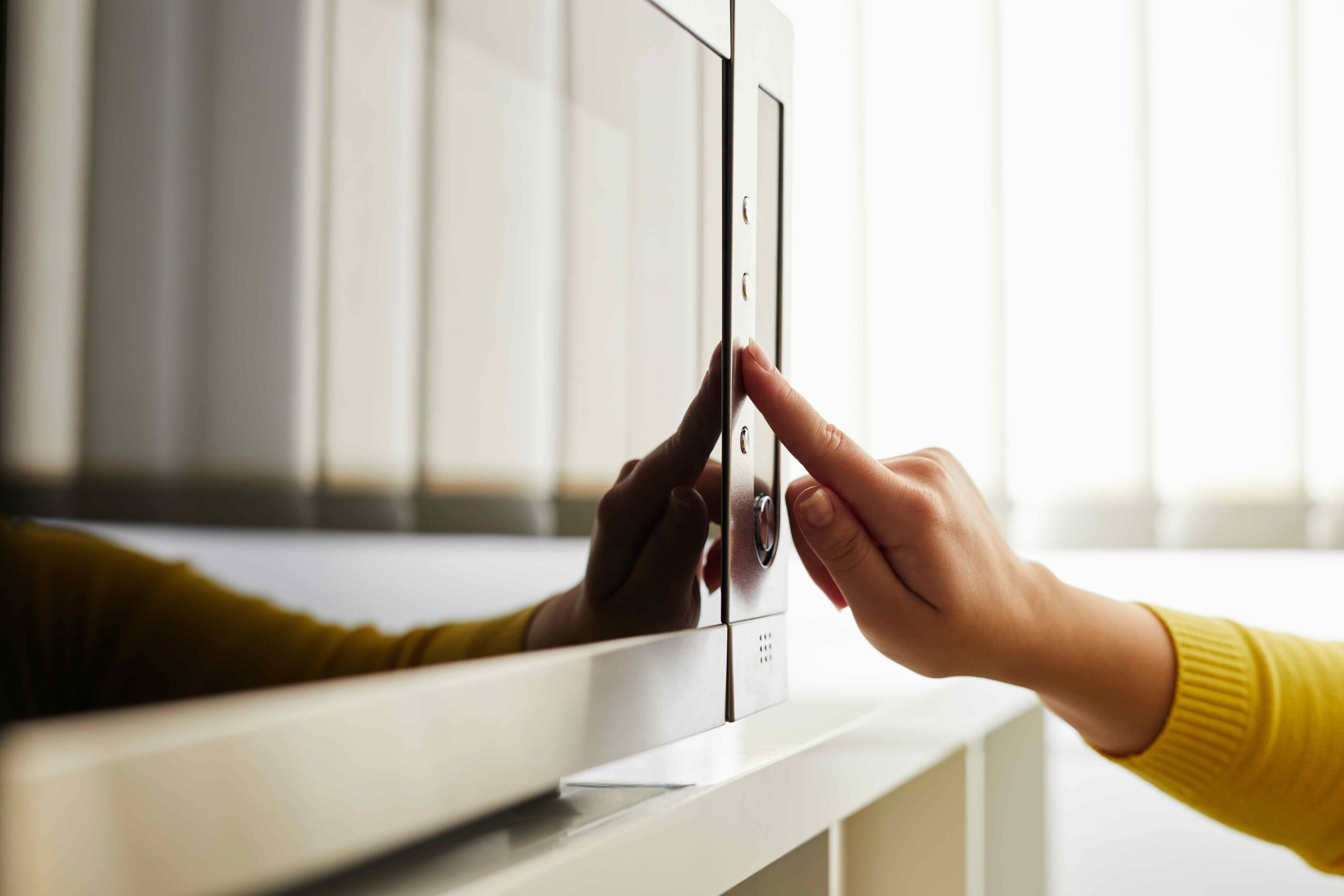
Can a Paper Plate Go in the Microwave? What Every Homeowner Should Know
It happens all the time. You are reheating leftovers, the sink is full of dishes, and the paper plates are right there on the counter. The question crosses your mind — is it actually safe to put a paper plate in the microwave? It seems harmless enough, but the answer is more nuanced than a simple yes or no. Understanding what happens inside your microwave, what materials are safe, and how your appliances factor into your home protection plan are all things worth knowing as a homeowner.
How a Microwave Actually Works
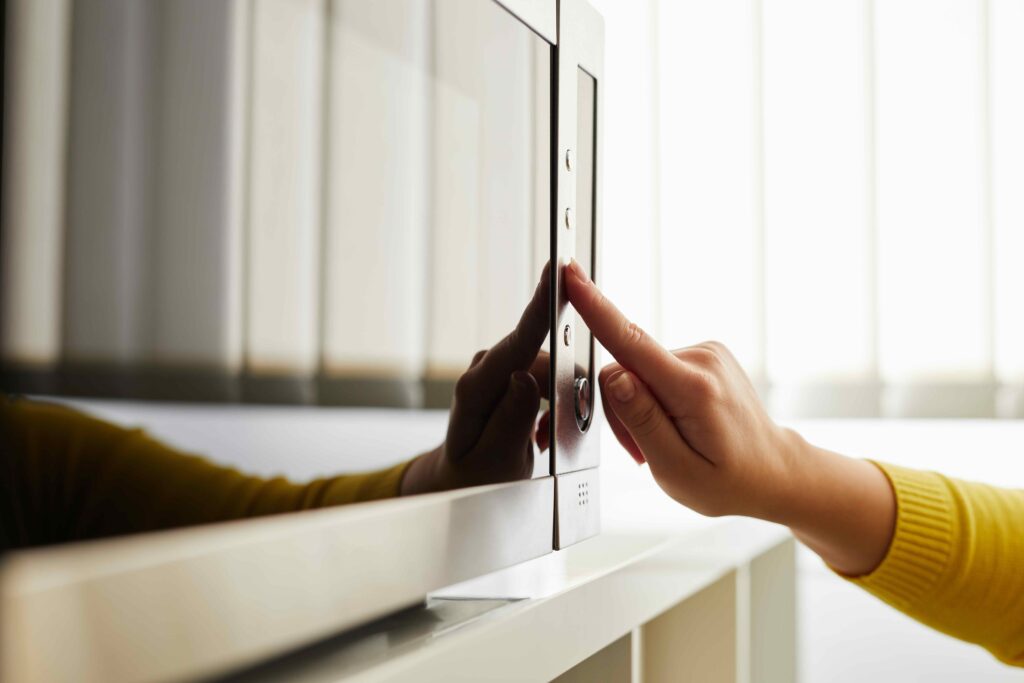
Before diving into the paper plate question, it helps to understand what a microwave is actually doing. Microwaves use electromagnetic radiation at a specific frequency to excite water molecules inside food. That rapid molecular movement generates heat, which warms your meal from the inside out. The microwave itself does not get hot — the food does. This is important context because it explains why certain materials react differently inside the appliance. Metal reflects microwaves, which causes sparking. Some plastics absorb heat unevenly and can leach chemicals. And certain paper products, depending on their composition, may or may not handle the process safely.
So, Can Paper Plates Go in the Microwave?
Plain, uncoated paper plates are generally considered safe for microwave use. They do not contain metal, they do not melt, and they are not treated with materials that react poorly to electromagnetic energy. The FDA has guidance on microwave-safe packaging, and basic paper products typically fall within acceptable use. That said, not all paper plates are created equal. Some are coated with plastic films or wax to make them more resistant to moisture and grease. Those coatings can behave unpredictably when heated. The safest approach is to look for a microwave-safe label on the packaging before using any paper product in your appliance.
Paper Plates to Avoid in the Microwave
There are specific types of paper plates that homeowners should keep out of the microwave entirely. Knowing the difference can protect both your food and your appliance.
- Plates with metallic decoration, foil accents, or metallic ink can cause sparking and damage the interior of your microwave.
- Heavily coated or glossy paper plates may contain plastic lining that can melt or release compounds into your food when heated.
- Dyed or printed paper plates with non-food-safe inks could potentially transfer chemicals when exposed to heat and moisture.
- Plates labeled for cold use only are designed for serving, not heating, and should stay out of the microwave.
When in doubt, transfer your food to a microwave-safe ceramic or glass dish. It takes an extra thirty seconds and eliminates the guesswork entirely.
What This Has to Do With Your Microwave’s Long-Term Health
Here is where things get interesting from a homeowner standpoint. Your microwave is a workhorse appliance. It gets used multiple times a day, often without much thought about what goes inside it. Using the wrong materials — including paper plates with metallic or plastic coatings — can cause interior damage over time. Sparking from metallic materials can burn the walls of the appliance, compromise the door seal, or damage the magnetron, which is the component that actually generates the microwave energy. That kind of wear may not cause an immediate breakdown, but it accumulates. And when it does lead to a failure, repair costs can catch homeowners off guard.

Common Microwave Problems Homeowners Face
Even when used correctly, microwaves develop issues over time. Understanding what can go wrong helps homeowners catch problems early and make smarter decisions about repair versus replacement.
- The turntable stops rotating, often due to a worn motor or broken roller guide.
- The appliance runs but does not heat, which typically points to a failed magnetron or diode.
- The door latch becomes faulty, preventing the microwave from operating safely.
- Unusual noise during operation can indicate a damaged fan motor or loose internal component.
- The control panel becomes unresponsive, which may require a new membrane switch or control board.
Most of these repairs are not do-it-yourself projects. Microwaves contain high-voltage capacitors that can hold a dangerous charge even after the appliance is unplugged. Professional service is always the safer route.
What Home Warranties Cover When It Comes to Appliances
A home warranty is a service contract that covers the repair or replacement of home systems and appliances when they break down due to normal wear and tear. Unlike homeowners insurance, which covers damage from events like fires or storms, a home warranty specifically addresses mechanical failure. For kitchen appliances like microwaves, this can be genuinely valuable coverage. When your magnetron fails or the control board stops responding, a home warranty can mean the difference between a manageable service call fee and an unexpected out-of-pocket expense that runs into hundreds of dollars.
How to Extend the Life of Your Microwave
Proper daily habits make a real difference in how long your microwave performs reliably. Avoiding metallic or improperly coated materials is a good start, but there are other practices worth building into your routine. Clean the interior regularly with a mild solution to prevent grease and food residue from building up on the walls and door seal. Never run the appliance empty — without food to absorb the energy, the magnetron can overheat. Avoid slamming the door, as the latch mechanism is a common failure point. And use ventilation features as intended so heat does not accumulate around the unit. Small habits like these extend appliance life and delay costly repairs.
Understanding the Real Cost of Appliance Repairs
Homeowners often underestimate what appliance repairs actually cost until they are already dealing with a broken unit. A magnetron replacement alone can run anywhere from two hundred to three hundred fifty dollars including labor. Control board replacements are similarly priced. When repair costs approach the price of a new unit, replacement starts to make more financial sense — but that is still an expense that requires planning. This is the core argument for having some form of appliance protection in place before something breaks. A home warranty transforms an unpredictable expense into a predictable, manageable one.
Why Armadillo Is the Right Choice for Protecting Your Home Appliances
If the microwave question started you thinking about how well-protected your home really is, that instinct is worth following. Appliances break down — that is simply the reality of homeownership — and having a plan in place before they do is what separates a stressful situation from a straightforward one. Armadillo offers straightforward, no-nonsense home warranty coverage designed for real homeowners who want real protection. With transparent plan options and a service experience built around clarity rather than confusion, Armadillo makes it easy to understand exactly what is covered. If you want to understand what home warranty coverage for kitchen appliances and home systems actually looks like in practice, Armadillo is a great place to start. When you are ready to stop guessing and start protecting, you can get a personalized home warranty quote for microwave and appliance coverage in just a few minutes. Your appliances work hard every day — your coverage should work just as hard for you.
Frequently Asked Questions About Microwaves, Safe Materials, and Home Appliance Coverage
Here are answers to the most common questions homeowners have about microwave safety, paper plates, and protecting their appliances with a home warranty.
Can you put a plain white paper plate in the microwave?
Yes, plain white uncoated paper plates are generally safe for microwave use. They do not contain materials that react poorly to microwave energy. Always check the packaging for a microwave-safe label to be certain.
What types of paper plates are not safe for the microwave?
Paper plates with metallic accents, foil decoration, plastic or wax coatings, or non-food-safe inks should not be used in the microwave. These materials can spark, melt, or transfer unwanted compounds into food when heated.
How can I tell if a paper plate is microwave-safe?
Look for a microwave-safe symbol or label on the packaging. If there is no label and you are unsure about the coating or material, the safest option is to use a glass or ceramic dish instead.
Can using the wrong materials in a microwave cause permanent damage?
Yes. Sparking caused by metallic materials can burn the interior walls and damage the door seal or the magnetron over time. Even minor damage can compound into larger failures with repeated exposure.
What is the most common reason a microwave stops heating?
The most common cause is a failed magnetron, which is the component that generates microwave energy. A faulty diode or capacitor can also prevent heating. These repairs require a qualified technician due to the high-voltage components involved.
Does a home warranty cover microwave repairs?
Many home warranty plans include built-in microwaves as part of their appliance coverage. Coverage terms vary by provider and plan, so it is important to review what is included before assuming your appliance is protected.
Is it worth repairing a microwave or should I replace it?
If the repair cost exceeds fifty percent of the replacement cost, most appliance professionals recommend replacing the unit. A home warranty can offset repair costs significantly, making it easier to restore rather than replace when the math makes sense.
What is the average lifespan of a microwave?
Most microwaves last between nine and ten years with regular use. Proper maintenance, appropriate material use, and timely repairs can push that lifespan closer to twelve years or more.
How does a home warranty differ from homeowners insurance for appliances?
Homeowners insurance covers damage from events like fires, flooding, and theft. A home warranty covers mechanical and electrical failure due to normal wear and tear. They serve different purposes and are often used together for comprehensive home protection.
How quickly does a home warranty service request get handled?
Response times vary by provider, but most reputable home warranty companies aim to connect homeowners with a service technician within one to two business days. Armadillo is designed to make the service experience as fast and straightforward as possible.