
Can You Really Be Allergic to Air Conditioning? What Homeowners Need to Know
You fire up the AC on the first genuinely hot day of the year, and within an hour you are sneezing, your eyes are watering, and your throat feels scratchy. The obvious conclusion is that your air conditioning system is doing something terrible to you. But here is the thing — you are probably not allergic to cold air or to the machine itself. What you are reacting to is everything your air conditioning system is circulating, collecting, and potentially amplifying inside your home. Understanding that distinction matters a great deal, both for your health and for how you care for your HVAC system.
What Is Actually Happening When AC Triggers Your Symptoms
Air conditioning systems do not produce allergens. What they do is move air — a lot of it, constantly — and in doing so, they can pick up, redistribute, and sometimes concentrate allergens that already exist in your home environment. Dust mites, mold spores, pet dander, and pollen that drifts in from outside are the usual suspects. When your system pulls return air through its ducts and pushes conditioned air back out, those particles travel along for the ride. If your filter is overdue for a change or your ducts have not been cleaned in years, the situation gets worse fast. The cold, dry air produced by most central systems can also irritate mucous membranes on its own, making existing sensitivities feel sharper than they otherwise would.
The Role Your Air Filter Plays in Indoor Air Quality
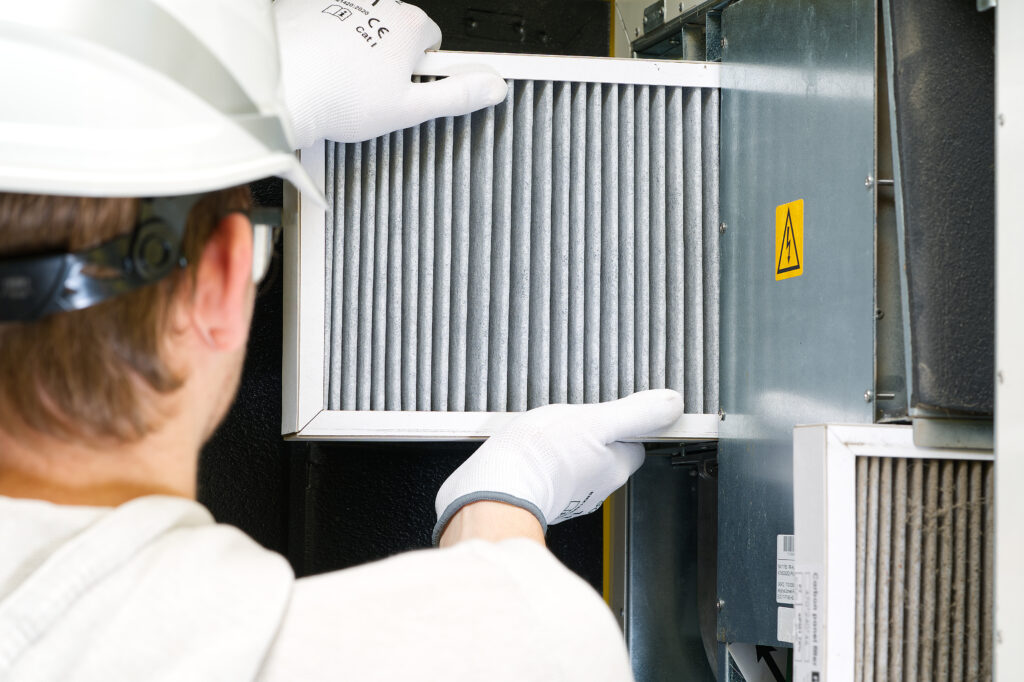
Your air filter is the first line of defense between your HVAC system and the air your family breathes. A standard one-inch fiberglass filter does a serviceable job catching larger particles, but it is not going to stop fine mold spores or the smallest dust particles. Higher-MERV filters — those rated between 8 and 13 — capture significantly more of the fine particulate matter that triggers allergic responses. The tradeoff is airflow restriction, so you want to match your filter rating to what your system can actually handle without straining the blower motor. Changing your filter on schedule, typically every one to three months depending on household conditions, is not optional if indoor air quality is a priority for you.

Mold and Moisture: The Hidden Allergen Factory Inside Your AC
Here is something that does not get talked about enough. Your air conditioning system removes humidity from the air as part of how it cools, and all of that moisture has to go somewhere. It drains through a condensate line. When that line gets clogged or when the evaporator coil stays damp longer than it should, mold can establish itself inside the unit. From there, every time the system runs, it is essentially blowing mold spores directly into your living space. This is one of the more serious indoor air quality problems a homeowner can face, and it is frustratingly easy to overlook because the mold is hidden inside the air handler or ductwork where you cannot see it. A musty smell when the AC first kicks on is one of the clearest warning signs that something is growing where it should not be.
Key Signs Your AC System May Be Affecting Your Health
Not every sniffle is caused by your HVAC system, but there are patterns worth paying attention to. If your symptoms consistently get worse when you spend extended time indoors with the AC running and improve noticeably when you step outside or travel, that is a meaningful data point. Watch for these specific indicators:
- Persistent sneezing, nasal congestion, or runny nose that appears shortly after the system turns on
- Eye irritation or itchiness that does not correspond to outdoor pollen seasons
- Worsening asthma symptoms indoors despite no obvious outdoor triggers
- A musty or stale odor coming from vents when airflow begins
- Visible dust accumulation around supply registers or return air grilles
- Increased symptoms in specific rooms served by particular duct runs
How Duct Condition Affects What You Breathe Every Day
Ductwork is the circulatory system of your home’s climate control. It is also, in many homes, something that has never been cleaned or inspected since the house was built. Ducts accumulate dust, debris, and in humid climates, can develop mold colonies in sections where condensation occurs. Leaky duct connections in unconditioned spaces like attics and crawlspaces can pull in insulation particles, rodent dander, and outside contaminants before delivering that air into your living areas. A professional duct inspection is worth scheduling if your home is older, if you have never had one done, or if you have recently completed any renovation work that may have introduced particulate matter into the duct system.
Practical Steps to Reduce AC-Related Allergy Symptoms at Home
The good news is that most of these issues are manageable with consistent maintenance habits and a few targeted upgrades. A little attention paid to your HVAC system on a regular basis pays meaningful dividends in air quality. Consider the following approach:
- Replace air filters on a consistent schedule and upgrade to a higher-MERV rating appropriate for your system
- Schedule annual professional HVAC maintenance before each cooling season begins
- Keep indoor humidity levels between 40 and 50 percent to discourage mold growth
- Have the condensate drain line flushed and inspected annually
- Consider a whole-home air purification system or UV light installation inside the air handler to reduce biological contaminants
- Ensure adequate ventilation throughout the home to prevent stale air buildup
When to Call a Professional Versus Handling It Yourself
Filter changes and basic thermostat adjustments are well within most homeowners’ capabilities. Anything involving the interior of the air handler, refrigerant, electrical components, or ductwork is a different situation entirely. If you suspect mold inside the unit or ducts, that is not a DIY cleaning job — improper handling can spread spores throughout the home and make the situation significantly worse. A certified HVAC technician can assess the evaporator coil, drain pan, and accessible ductwork, and recommend a remediation approach if contamination is found. The cost of a professional inspection is modest compared to what untreated indoor mold can do to a home’s air quality over months or years.
How a Home Warranty Helps Protect Your HVAC System and Your Health
Your air conditioning system is one of the most expensive and most health-relevant systems in your home. When it malfunctions — whether the blower fails, the evaporator coil develops a leak, or the compressor gives out — repair costs can climb quickly into the thousands. That is where having the right home warranty coverage makes a real difference. If your AC system is contributing to indoor air quality problems because of a covered mechanical failure, you want a plan that will get a qualified technician to your door without the financial anxiety that usually accompanies a major HVAC repair. At Armadillo home warranty coverage for HVAC systems, the focus is on straightforward plans that actually cover what matters — no hoops to jump through, no confusing exclusion language buried in the fine print. If you are ready to stop dreading the next breakdown, get a free home warranty quote for your air conditioning system and see exactly what protection looks like for your specific home. Your HVAC system works hard to keep your home comfortable — it deserves a backup plan just as much as any other major investment in your home does.

Frequently Asked Questions About AC Allergies and Home Air Quality
These are the questions homeowners ask most often when they start connecting their health symptoms to their air conditioning system.
Can air conditioning actually cause allergies?
Air conditioning does not cause allergies in the clinical sense, but it can expose you to allergens like mold, dust, and dander that it circulates through your home, triggering existing sensitivities or worsening respiratory conditions.
Why do I sneeze every time my AC turns on?
The most common reason is a dirty filter or dusty ductwork releasing accumulated particles when airflow begins. A musty odor accompanying the sneezing may indicate mold growth inside the system.
Is cold air from AC bad for allergies?
Cold, dry air can irritate nasal passages and make existing allergy symptoms feel more intense, but the air temperature itself is rarely the primary cause. The particles in the air are usually the bigger issue.
How often should I change my AC filter to improve air quality?
Most households should replace standard filters every one to three months. Homes with pets, high dust levels, or residents with respiratory sensitivities may need more frequent changes, sometimes every 30 days.
Can mold grow inside my air conditioning system?
Yes. The evaporator coil and drain pan are consistently moist environments that support mold growth if not properly maintained. A clogged condensate drain line is a frequent contributing factor.
What MERV rating filter is best for allergy sufferers?
A MERV rating between 8 and 11 is effective for most residential allergy situations, capturing fine dust, pollen, and mold spores without restricting airflow beyond what most standard HVAC systems can handle.
Does duct cleaning actually help with allergy symptoms?
Duct cleaning can help in cases where significant debris, mold, or pest contamination is present. It is not a guaranteed solution, but for homes with older, uncleaned systems or visible duct contamination, it can make a measurable difference in air quality.
How can I tell if my AC is making my asthma worse?
If your asthma symptoms consistently worsen indoors when the AC is running and improve in outdoor or other indoor environments, the system is worth investigating. A dirty filter, mold presence, or dry air produced by the system are all potential contributors.
Does a home warranty cover AC repairs related to mechanical failure?
Most home warranty plans that include HVAC coverage will cover mechanical failures of covered components such as the compressor, blower motor, and evaporator coil. Coverage specifics vary by plan, so reviewing your policy details is important.
What is the ideal indoor humidity level to prevent mold in my AC system?
Maintaining indoor relative humidity between 40 and 50 percent reduces conditions favorable to mold growth both inside the HVAC system and throughout the home. A whole-home humidistat or smart thermostat can help you monitor and manage this consistently.