What Is a Central Air Conditioning System and Why Does It Matter?
Central air conditioning is one of those home systems that most people take for granted until it stops working on the hottest day of the year. It cools and dehumidifies your entire home through a single, unified system rather than relying on individual window units or portable fans. For homeowners, understanding how this system works is not just useful trivia. It is genuinely important knowledge that can help you maintain your home, spot problems early, and make smarter decisions when something eventually goes wrong.
How a Central Air Conditioning System Actually Works
Central AC operates on a fairly elegant principle: it does not actually create cold air, it removes heat from indoor air and moves it outside. The system circulates refrigerant between two main components, the indoor air handler or evaporator coil and the outdoor condenser unit. Warm indoor air passes over the cold evaporator coil, where heat and moisture are absorbed into the refrigerant. That refrigerant then travels to the outdoor condenser, which releases the heat outside. The cooled air is then pushed through your home’s ductwork by a blower fan, circulating into every room through supply vents. Return vents pull warm air back into the system, and the cycle repeats continuously until your thermostat tells it to stop.
The Key Components You Should Know
Central air conditioning systems are made up of several interconnected parts, and knowing what each one does can save you a lot of confusion when a technician starts explaining a repair. Here are the core components you will encounter:
- Compressor: Often called the heart of the system, it pressurizes the refrigerant and keeps it moving through the cycle.
- Condenser coil: Located in the outdoor unit, this is where heat is expelled from the refrigerant.
- Evaporator coil: Positioned indoors near the air handler, this absorbs heat from your home’s air.
- Air handler or furnace blower: Circulates air throughout your home via the ductwork.
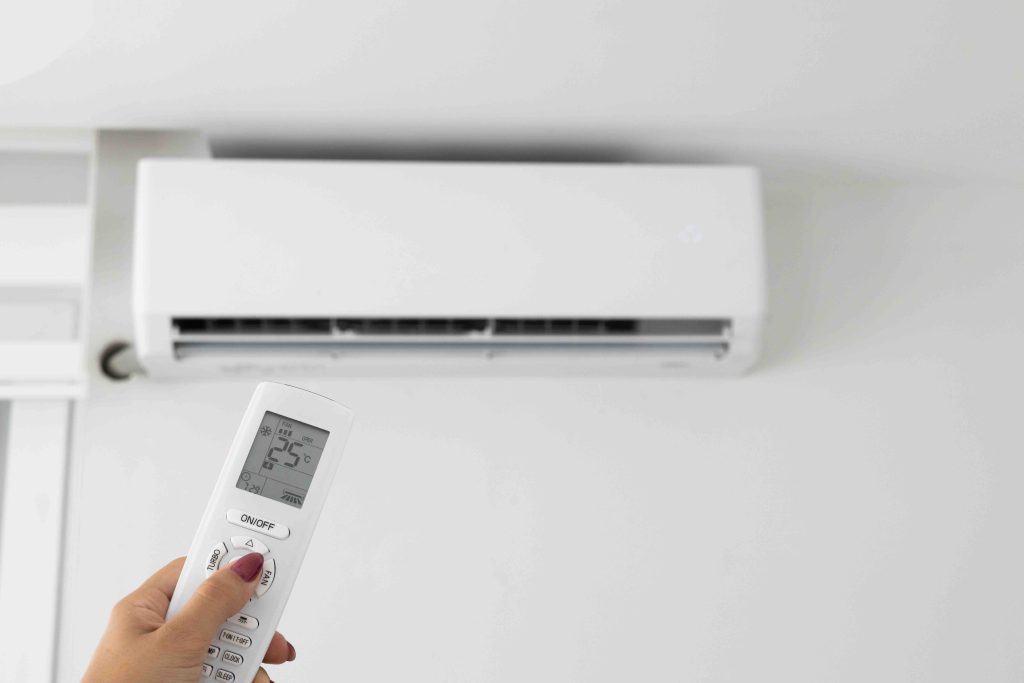
- Thermostat: Your control center, which signals the system when to start and stop.
- Ductwork: The network of channels that distributes cooled air throughout the home.
- Air filter: Traps dust, pollen, and debris before air circulates back through the system.
The Real Advantages of Central Air Conditioning
There is a reason central AC remains the gold standard for home cooling. It offers whole-home coverage from a single system, which means consistent temperatures in every room rather than hot and cold zones competing against each other. It also does a better job of controlling indoor humidity than most portable alternatives, which matters a lot in humid climates where muggy air can feel just as uncomfortable as heat. Central systems tend to run more quietly than window units since the noisiest components are located outside. And because they integrate with your home’s existing ductwork and thermostat, they allow for programmable scheduling and even smart home connectivity, giving you real control over your comfort and energy bills.
Common Drawbacks Worth Knowing Before You Commit
No system is perfect, and central air conditioning comes with its share of trade-offs. The upfront installation cost is significant, especially if your home does not already have ductwork in place. Duct systems also require ongoing attention since leaks, blockages, or poor insulation can dramatically reduce efficiency and lead to uneven cooling. Central AC is also an all-or-nothing setup in terms of coverage. If one room tends to stay warmer than the rest, you cannot simply adjust that zone without additional equipment like dampers or a zoning system. And because the system runs on a cycle that treats the whole home as one unit, you may end up cooling rooms that are rarely used.

How Long Can You Expect a Central AC System to Last?
A well-maintained central air conditioning system typically lasts between 15 and 20 years. That lifespan, however, is highly dependent on how consistently the system is maintained. Neglecting filter changes, skipping annual tune-ups, or ignoring minor issues can shorten that window considerably. Refrigerant leaks, dirty coils, and overworked compressors are among the most common culprits that accelerate system aging. On the other hand, proactive homeowners who schedule annual service calls before cooling season and address small problems quickly often see their systems run well past the 15-year mark without major incident.
Maintenance Tips That Actually Make a Difference
Keeping a central AC system in good shape does not require an engineering degree. A few consistent habits go a long way toward protecting your investment and your comfort. Here are practical maintenance steps that genuinely matter:
- Replace air filters every one to three months, or more frequently if you have pets or allergies.
- Keep the outdoor condenser unit clear of debris, vegetation, and obstructions by maintaining at least two feet of clearance around it.
- Have a licensed HVAC technician perform an annual inspection before the cooling season begins.
- Check and clean your evaporator and condenser coils periodically to prevent efficiency loss.
- Inspect and seal ductwork for leaks, which can account for significant energy loss in many homes.
- Make sure your thermostat is calibrated correctly and functioning as expected.
Signs Your Central AC System Needs Attention
Some problems announce themselves loudly. Others are quiet and easy to miss until they become expensive. Unusual sounds like grinding, banging, or squealing from the unit are worth investigating right away. Weak airflow through your vents often points to issues with the blower, ductwork, or a clogged filter. If your home is taking noticeably longer to reach your set temperature, or if certain rooms are consistently warmer than others, those are signals that something in the system is underperforming. Unexplained spikes in your electricity bill during cooling season can also indicate that the system is working harder than it should, which is frequently a sign of refrigerant loss, dirty components, or a struggling compressor.
What a Free AC Service Call Can Reveal
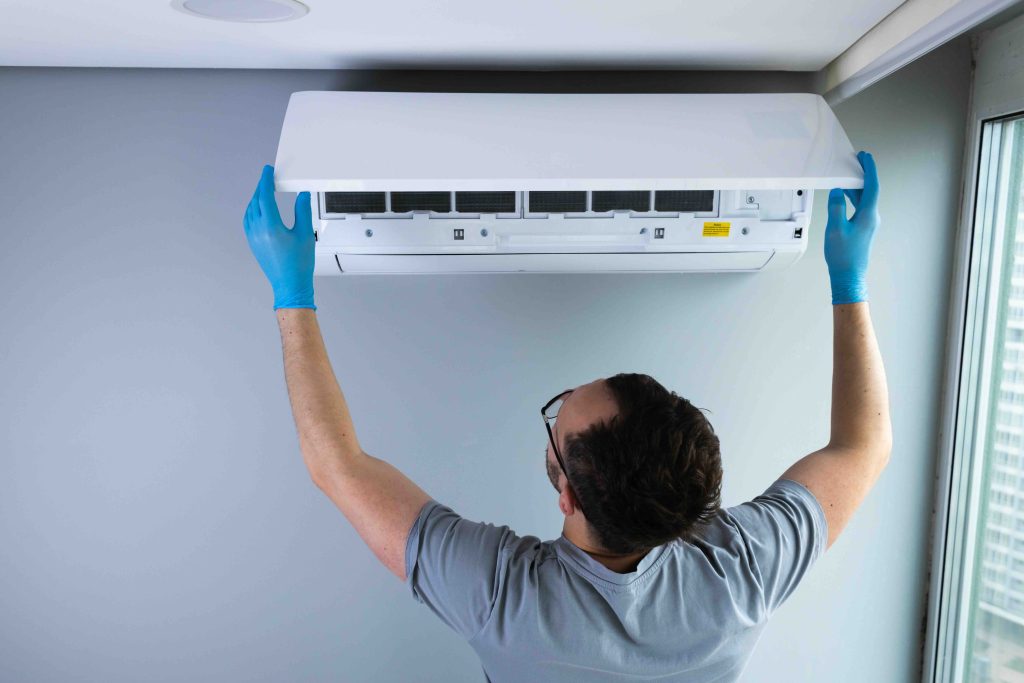
A free AC service call is more valuable than it might initially sound. During a professional visit, a technician can identify issues that are invisible to the untrained eye, things like low refrigerant levels, early-stage compressor wear, or airflow problems caused by blocked returns. Getting that visit scheduled before a breakdown happens, rather than after, is the kind of proactive move that separates comfortable homeowners from frustrated ones waiting days for emergency repairs in August. Think of it as a baseline check for your system’s health. Even if everything looks fine, you walk away with the confidence of knowing your system is ready for the season ahead.
How a Home Warranty Protects Your Central AC Investment
Central air conditioning systems are expensive to repair and even more expensive to replace. That financial exposure is exactly why a home warranty matters for homeowners who rely on central AC to stay comfortable. Armadillo home warranty coverage for HVAC systems and major appliances is designed to step in when your central air system fails due to normal wear and tear, covering the costs that would otherwise come out of pocket without warning. Armadillo offers straightforward protection with no surprise exclusions buried in the fine print, and the service experience is built around speed and transparency so you are not left waiting in the heat. If you want to see what it would cost to protect your central air system and the rest of your home, you can get a free home warranty quote for your AC system and home in minutes and find out exactly what your coverage would look like before committing to anything.

Frequently Asked Questions About Central Air Conditioning Systems
Real questions from homeowners who want straightforward answers about how central AC works, what it costs, and how to keep it running well.
How often should I have my central AC system serviced?
Once a year is the standard recommendation, ideally in the spring before cooling season begins. Annual service helps catch small issues before they become expensive breakdowns and keeps your system running efficiently.
What does low refrigerant mean and how do I know if I have it?
Low refrigerant usually means there is a leak somewhere in the system. Signs include ice forming on the evaporator coil, warm air coming from vents despite the system running, and longer cooling cycles. A licensed technician must diagnose and repair refrigerant issues.
Can a central AC system cool my entire home evenly?
In most cases, yes. However, factors like poor duct design, leaky ductwork, inadequate insulation, or an undersized unit can cause uneven cooling. A properly sized and well-maintained system should maintain consistent temperatures across rooms.
What is the difference between the SEER rating and what does it mean for my energy bills?
SEER stands for Seasonal Energy Efficiency Ratio. It measures how efficiently a system converts electricity into cooling. A higher SEER rating means better efficiency and lower operating costs over time. Current minimum standards in most regions require a SEER rating of at least 14 or 15.
How do I know when it is time to replace my central AC instead of repairing it?
A common benchmark is the 5,000 rule: multiply the system’s age by the estimated repair cost. If that number exceeds 5,000, replacement is often the smarter financial move. Systems older than 15 years with frequent breakdowns are strong replacement candidates.
Does a home warranty cover central air conditioning?
Many home warranty plans do cover central air conditioning systems, including key components like the compressor, refrigerant lines, and electrical components. Coverage details vary by provider, so reviewing what is included and excluded before choosing a plan is important.
What causes a central AC unit to freeze up?
Frozen coils are typically caused by restricted airflow from a dirty filter or blocked return vents, low refrigerant, or a malfunctioning blower. Turning the system off and allowing it to thaw is the first step, but the underlying cause needs to be diagnosed and corrected.
Is it worth upgrading to a smart thermostat with a central AC system?
Yes, for most homeowners it is a worthwhile upgrade. Smart thermostats allow for programmable schedules, remote control via smartphone, and energy usage tracking, all of which can reduce cooling costs and extend the life of the system by preventing unnecessary runtime.
Why is my central AC running constantly without reaching my set temperature?
This can be caused by several issues including a dirty filter, low refrigerant, a failing compressor, leaky ductwork, or simply a unit that is undersized for the home. Continuous operation without reaching the target temperature is a clear sign that professional evaluation is needed.
What is the average cost to replace a central air conditioning system?
Replacement costs vary significantly based on the size of your home, the efficiency rating of the new unit, and local labor rates, but most homeowners spend between 5,000 and 12,000 dollars for a complete system replacement including installation. Larger homes or those requiring new ductwork will typically fall on the higher end of that range.