Why You Should Never Use Bleach on Stainless Steel Appliances
Stainless steel appliances are one of those things homeowners love until they have to actually take care of them. They look incredible in the kitchen, they photograph well, and they give off that polished, modern vibe that never really goes out of style. But here is the thing nobody tells you at the appliance showroom: stainless steel is a lot more sensitive than it looks, and one of the fastest ways to ruin it is with a product sitting right under your sink. Bleach. Chlorine-based cleaners. Seemingly harmless household staples that interact with stainless steel in ways that are, frankly, pretty devastating if you do not know what to watch for.
What Stainless Steel Actually Is and Why It Matters
Before getting into the damage bleach can do, it helps to understand what stainless steel actually is. Despite the name, it is not entirely immune to staining, corrosion, or damage. Stainless steel is an alloy made primarily of iron, with chromium being the key ingredient. The chromium content, typically around 10 to 11 percent or higher, reacts with oxygen in the air to form a thin, invisible layer on the surface called a passive film or chromium oxide layer. That layer is what gives stainless steel its corrosion resistance. It is essentially the material self-protecting. The problem is, that protective layer is not indestructible. Certain chemicals can strip it away, and once it is gone, the steel underneath becomes vulnerable in a hurry.
What Bleach Does to Stainless Steel
Bleach, or sodium hypochlorite, is highly alkaline and contains chloride ions. Those chloride ions are particularly aggressive toward the passive film on stainless steel. When bleach contacts the surface, even briefly, it begins breaking down that chromium oxide layer. Once that protective barrier is compromised, the iron in the steel is exposed to oxygen and moisture, which triggers rust and corrosion. And it does not stop there. Repeated or prolonged bleach exposure can cause pitting, which is when small holes or craters form in the metal surface. Pitting corrosion is extremely difficult to reverse and, in many cases, impossible to fully repair at home. What started as a shortcut to clean surfaces can result in permanent, visible damage to your refrigerator, dishwasher, range hood, or sink.
The Signs of Bleach Damage on Stainless Steel
Knowing what bleach damage looks like is useful because it does not always show up immediately. Sometimes the damage is subtle at first and then progresses over weeks or months. Here is what to watch for:
- Rust spots or reddish-brown discoloration appearing on the surface
- Dull patches where the finish once had a consistent sheen
- Small pits or rough texture developing on previously smooth areas
- Dark streaks or staining that does not respond to normal cleaning
- A chalky or faded appearance in areas that were repeatedly cleaned with bleach products
If you are seeing any of these signs, bleach may have already done some damage. The earlier you catch it and switch to appropriate cleaners, the better your chances of slowing further deterioration.
Common Household Products That Secretly Contain Chlorine
Here is where things get a little sneaky. A lot of homeowners know to avoid straight bleach on stainless steel, but they do not realize how many other cleaning products contain chlorine compounds or chloride-based ingredients. Multi-surface disinfectant sprays, certain dishwasher detergents, bathroom cleaning tablets, and even some all-purpose kitchen cleaners contain ingredients that can behave similarly to bleach on metal surfaces. Always read the label. If a product lists sodium hypochlorite, chlorine bleach, or any chloride compound in the ingredients, it should stay away from your stainless steel appliances and fixtures.

What You Should Use Instead to Clean Stainless Steel
The good news is that stainless steel does not need harsh chemicals to look great. In fact, it responds really well to gentler approaches. Warm water and a few drops of dish soap applied with a soft microfiber cloth is often all you need for everyday cleaning. For tougher grease or fingerprints, a small amount of rubbing alcohol or white vinegar diluted in water works well without attacking the protective layer. Mineral oil or specialized stainless steel polish can be applied afterward to restore shine and add a light barrier against future smudging. One important note: always wipe in the direction of the grain. Stainless steel has a visible brushed grain, and wiping against it can create micro-scratches that dull the finish over time.
How Bleach Damage Affects Your Home Appliances Long Term
When the stainless steel surface of a major appliance gets compromised, it is not just a cosmetic issue. Corrosion can eventually affect the structural integrity of components, particularly around seams, edges, and joints where moisture tends to collect. A dishwasher door panel that has been repeatedly wiped with bleach-based cleaners may begin to develop rust along the edges that, over time, works its way inward. A refrigerator exterior that has pitted surfaces becomes harder to clean and more susceptible to bacterial buildup in the damaged areas. Beyond the appliance surface itself, internal stainless steel components like dishwasher tub interiors or sink basins can suffer accelerated wear when exposed to high chlorine concentrations regularly. This is the kind of gradual damage that shortens the lifespan of an appliance well before it should need replacement.
Can Bleach-Damaged Stainless Steel Be Repaired
It depends on the severity. Light surface discoloration or minor dulling from occasional bleach exposure can sometimes be improved with stainless steel cleaners and polishes designed to restore the passive film. Bar Keepers Friend, for example, contains oxalic acid and is widely recommended for removing rust stains and restoring the surface without damaging it further. However, deep pitting and heavy corrosion are a different story. Once the metal has pitted significantly, surface treatments can minimize the appearance but cannot reverse the structural damage. At that point, the affected panel or component may need to be replaced entirely, which, depending on the appliance, can be a meaningful expense.
Practical Maintenance Tips for Keeping Stainless Steel in Good Shape
A little consistency goes a long way with stainless steel. The goal is to preserve that passive film while keeping surfaces clean and free of buildup. A few habits worth building into your routine:
- Wipe down stainless steel surfaces after each use to prevent water spots and mineral deposits from hardening
- Use pH-neutral or stainless-steel-specific cleaners rather than general-purpose disinfectants
- Apply a light coat of mineral oil or stainless steel conditioner monthly to maintain the finish
- Keep bleach-based products stored separately and clearly labeled to avoid accidental use on metal surfaces
- Address scratches promptly using a fine-grit stainless steel scratch remover to prevent moisture from settling in
Why a Home Warranty Is Worth Considering for Your Stainless Steel Appliances
Even with the best care and the right cleaning habits, appliances age. Compressors wear out. Heating elements fail. Dishwasher pumps stop working mid-cycle. And if your appliances already have some surface wear from past cleaning mistakes, they may be working a little harder than they should. That is where having reliable home warranty coverage becomes genuinely valuable. Armadillo home warranty coverage for kitchen appliances and home systems gives homeowners a straightforward safety net when things break down unexpectedly. Rather than absorbing the full cost of a repair or replacement out of pocket, you have coverage that steps in and handles it. If you have invested in stainless steel appliances and want to protect that investment for the long haul, it makes sense to think about what happens when those appliances eventually need professional attention. You can get a free home warranty quote to protect your kitchen appliances and major home systems in just a few minutes and see what plan fits your home best. Armadillo keeps it simple, transparent, and genuinely useful for homeowners who just want things handled when they go wrong.

Frequently Asked Questions About Bleach and Stainless Steel
These are some of the most common questions homeowners ask about cleaning stainless steel safely and understanding the risks of bleach exposure.
Can bleach permanently damage stainless steel?
Yes. Bleach can permanently damage stainless steel by stripping away the passive chromium oxide layer that protects the metal, leading to pitting and corrosion that cannot always be fully repaired.
What happens if bleach sits on stainless steel for a few minutes?
Even brief contact with bleach can begin degrading the protective surface of stainless steel. The longer it sits, the more aggressive the damage becomes. Rinsing immediately with water can reduce the impact, but it does not eliminate the risk entirely.
Is diluted bleach safer to use on stainless steel?
Diluted bleach is less concentrated but still contains chloride ions that attack stainless steel. It is not considered safe for use on stainless steel surfaces, regardless of dilution level.
How do I remove rust caused by bleach from stainless steel?
Bar Keepers Friend or a paste made from baking soda and water applied with a soft cloth can help reduce surface rust. Wipe with the grain and rinse thoroughly. For severe rust or pitting, professional restoration or panel replacement may be necessary.
Does bleach damage stainless steel sinks the same way it damages appliances?
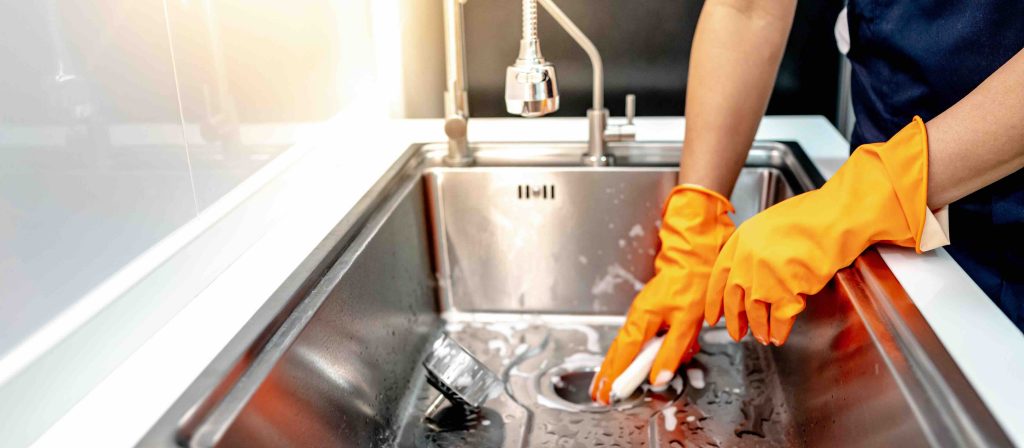
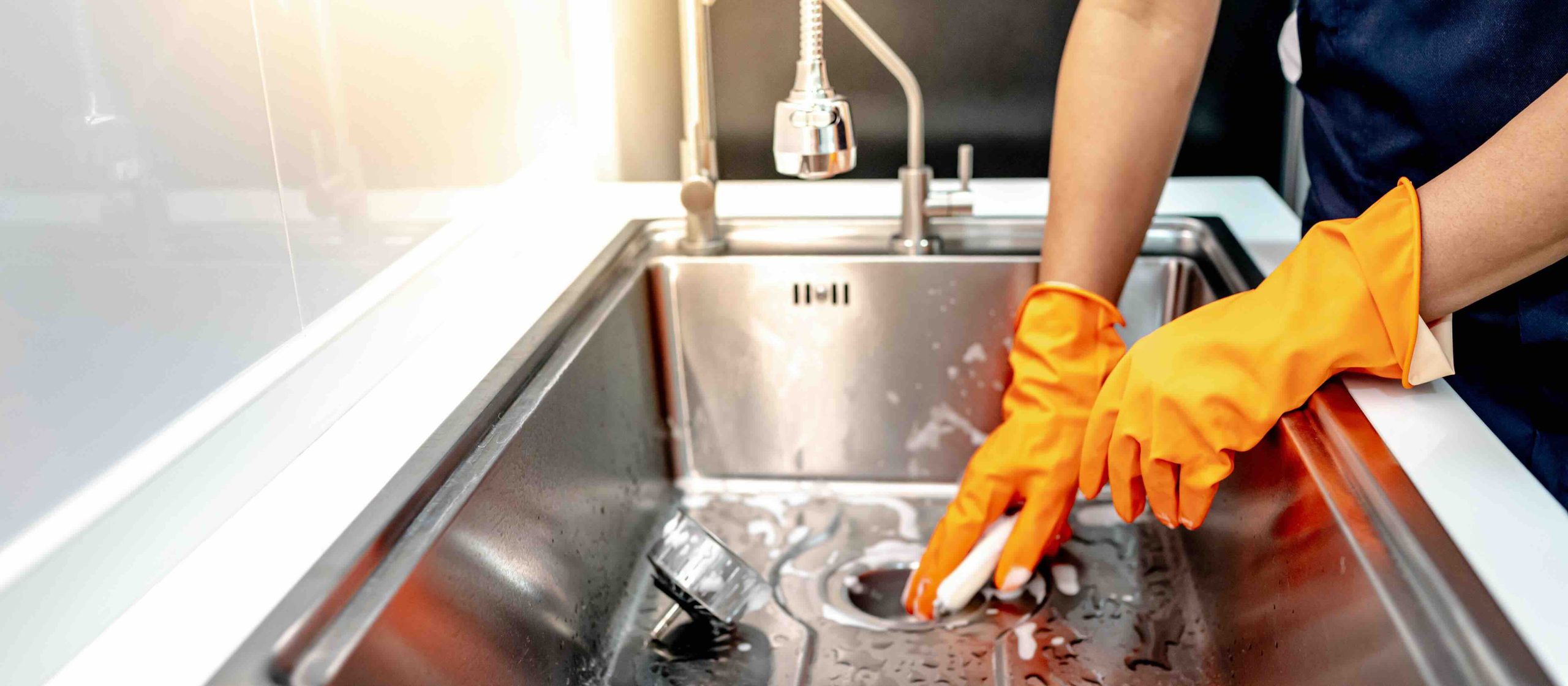
Yes. Stainless steel sinks are equally vulnerable to chlorine damage. Because sinks are frequently exposed to cleaning products, the risk of cumulative bleach damage is actually higher in sinks than in appliances that are wiped down less often.
What is the best daily cleaner for stainless steel appliances?
Warm water with a small amount of dish soap and a microfiber cloth is the safest and most effective everyday cleaner for stainless steel. Specialized stainless steel sprays formulated without chlorine are also a reliable option.
Will my home warranty cover bleach damage to stainless steel appliances?
Home warranties typically cover mechanical failures due to normal wear and tear. Cosmetic or chemical damage caused by improper cleaning, including bleach damage, is generally excluded. Coverage specifics vary by plan, so reviewing your policy terms is always recommended.
Can I use vinegar to clean stainless steel safely?
White vinegar diluted in water is generally considered safe for stainless steel and can be effective for removing water spots and light grease. However, avoid using undiluted vinegar repeatedly as prolonged exposure to acidity can also affect the surface over time.
Does the type of stainless steel affect how much bleach damages it?
Yes. Higher-grade stainless steels with greater chromium and nickel content, such as 316-grade steel, are more resistant to corrosion than lower-grade options like 430-grade. However, no grade of stainless steel is fully immune to chlorine damage.
How often should I condition or polish stainless steel appliances?
Applying a light coat of mineral oil or a dedicated stainless steel conditioner once a month is generally sufficient for most households. This helps maintain the finish, repel fingerprints, and add a subtle layer of protection against environmental exposure.