Circuit Breakers 101: What Every Homeowner Should Know
If you have ever walked into a dark room after an appliance kicked on, you have probably already met your circuit breaker. It tripped. The circuit did its job. But beyond that brief, slightly annoying moment of fumbling toward your electrical panel, most homeowners do not give circuit breakers much thought until something goes wrong. That is a mistake worth correcting, because understanding how your circuit breaker works, when it should trip, and what it means when it does not, can save you money, stress, and potentially a serious safety hazard down the line.
What Is a Circuit Breaker and Why Does Your Home Have One
A circuit breaker is a safety device built into your home’s electrical panel that automatically shuts off the flow of electricity when it detects a problem, specifically too much current running through a circuit. Think of it as a gatekeeper. Every circuit in your home, whether it powers the kitchen outlets, the bedroom lights, or the washing machine, runs through a dedicated breaker. When the electrical load on that circuit exceeds what it was designed to handle, the breaker trips and cuts the power. This prevents overheating, which is one of the leading causes of house fires. Without circuit breakers, a surge of electricity could travel unchecked through your home’s wiring and cause serious damage before anyone even noticed.
On, Off, and Tripped: What Those Positions Actually Mean
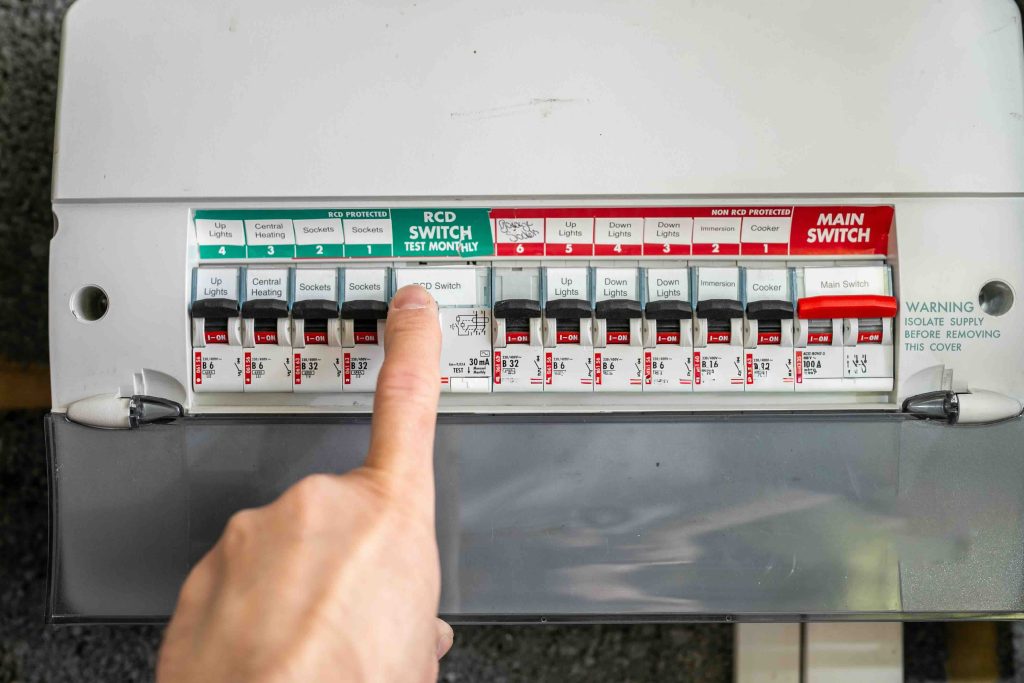
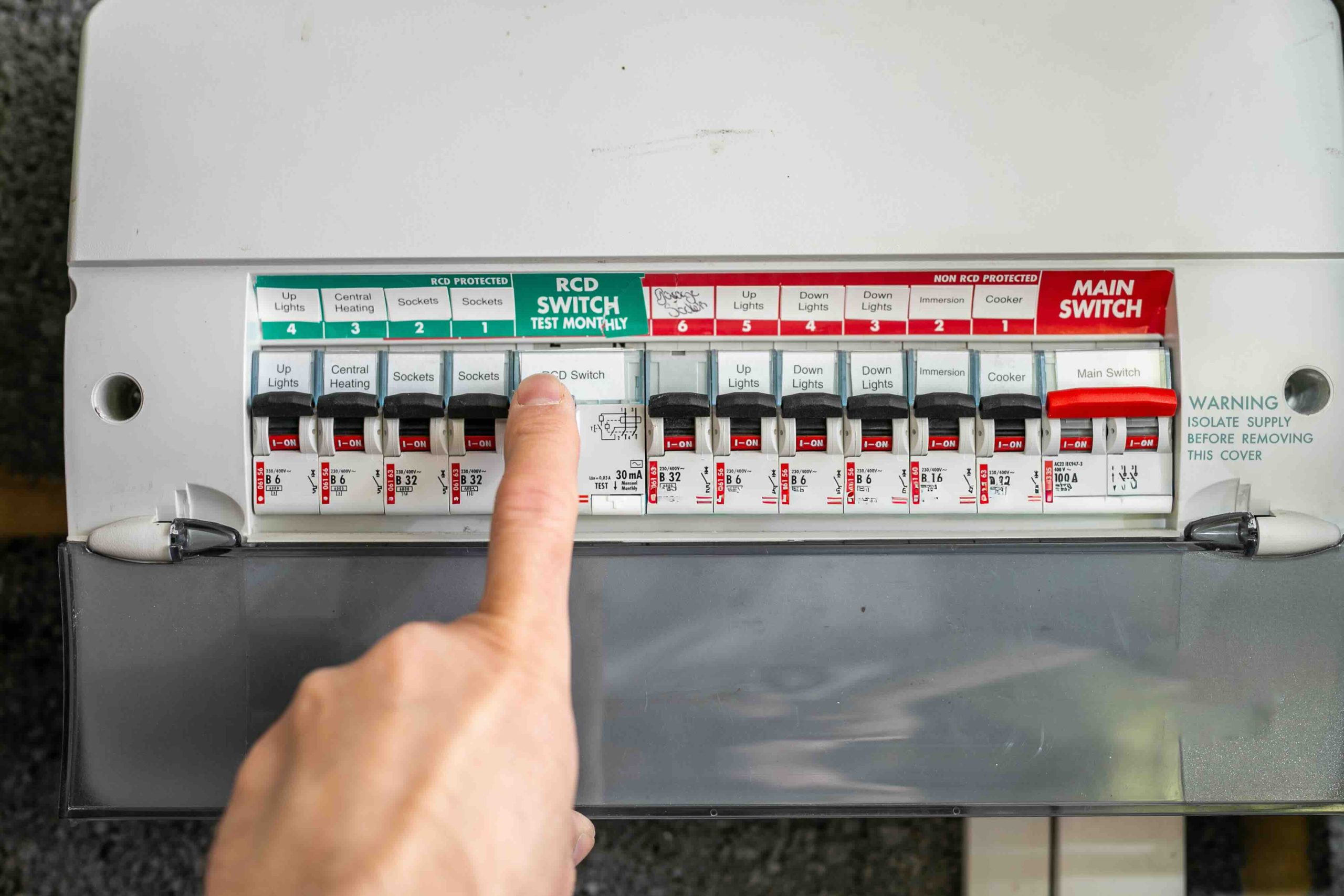
Here is where a lot of homeowners get confused, and honestly, it is an easy thing to miss. A circuit breaker has three positions, not two. There is ON, which means the circuit is active and electricity is flowing normally. There is OFF, which means someone has manually shut it down. And then there is the tripped position, which usually sits somewhere in the middle or clicks noticeably to one side depending on the panel brand. A tripped breaker looks almost like it is in the ON position, which is why people sometimes think the breaker is fine when it actually is not. To reset a tripped breaker, you have to push it all the way to OFF first, then back to ON. Skipping that step means it will not actually reset, and you will be standing there wondering why the power is still out.

What Does It Mean When a Breaker Keeps Tripping
A circuit breaker that trips once is doing its job. A circuit breaker that keeps tripping is telling you something important. Repeated tripping usually points to one of three issues. The circuit may be overloaded, meaning too many devices are drawing power from the same line. There could be a short circuit, which happens when a hot wire touches a neutral wire or a grounded component. Or there could be a ground fault, where a hot wire makes contact with a ground wire or a grounded surface. All three of these scenarios deserve attention. An overloaded circuit can often be solved by redistributing appliances across multiple outlets on different circuits. A short circuit or ground fault, on the other hand, typically requires a licensed electrician. Do not ignore a breaker that keeps tripping. It is not being dramatic. It is trying to protect your home.
Understanding Grounded Circuits and Why They Matter
The word grounded gets thrown around a lot in electrical conversations, and it is worth taking a moment to actually explain it. A grounded circuit includes a dedicated ground wire that provides a safe path for electricity to travel if something goes wrong, like a fault or surge. This wire connects back to your electrical panel and ultimately to the earth itself, which is where the term grounding comes from. Homes built before the 1960s often have two-prong outlets, which means those circuits are not grounded. If your home still has two-prong outlets in multiple rooms, that is something worth discussing with an electrician, especially in rooms where you use high-draw appliances or sensitive electronics. Grounding is a meaningful safety upgrade, and it interacts directly with how your circuit breakers function.
Key Advantages of a Properly Functioning Circuit Breaker System
A well-maintained electrical panel with properly sized breakers is one of the most important safety systems in your home. Here is what a properly functioning setup actually does for you:
- Protects your wiring from overheating and reduces fire risk
- Prevents damage to appliances and electronics during electrical surges
- Provides a manual shutoff option for individual circuits during repairs or emergencies
- Signals when something is wrong before it becomes a larger, more expensive problem
- Supports GFCI and AFCI breaker upgrades that add additional layers of protection
Common Drawbacks and Limitations Homeowners Should Know
Circuit breakers are reliable, but they are not immune to problems. Older panels, especially those from brands with known manufacturing issues, can develop breakers that do not trip when they should, which is arguably more dangerous than one that trips too often. Breakers also wear out over time. If your panel is more than 25 to 30 years old, it may be worth having an electrician evaluate whether the breakers are still functioning properly. Another limitation is that standard circuit breakers do not protect against arc faults, which are a different type of electrical hazard that can cause fires even when the current load is within normal range. Arc fault circuit interrupters, or AFCIs, are now required by code in many areas for new construction and renovations, but older homes may not have them.
Practical Tips for Homeowners Managing Their Electrical Panel
You do not need to be an electrician to take care of the basics. There are a few practical things every homeowner should do when it comes to their circuit breaker panel:
- Label every breaker clearly so you know which one controls which area of your home
- Test your GFCI outlets monthly by pressing the test and reset buttons
- Never replace a breaker with one rated for higher amperage to stop it from tripping
- Keep the area around your electrical panel clear and accessible at all times
- Schedule a professional inspection if your panel is older or if you are adding new appliances
Circuit Breakers and Home Warranty Coverage: What You Need to Know
This is where things get practical in a financial sense. Home warranty coverage for electrical systems typically includes the wiring, panels, and circuit breakers inside the home. However, the specific details matter quite a bit. Coverage usually applies to components that fail due to normal wear and tear, not damage caused by external events or pre-existing conditions. If a breaker fails and leaves part of your home without power, a home warranty plan with electrical coverage can step in to help cover repair or replacement costs. What is generally not covered includes upgrades, code compliance work, or issues that result from improper installation. Reading the fine print of any home warranty plan before you need it is time well spent.
Why Armadillo Is Worth Considering for Your Home’s Electrical Protection
When your circuit breaker fails or your electrical panel starts showing its age, the last thing you want is to be caught without a plan. That is exactly where a home warranty built for real homeowners makes a difference. Armadillo’s home warranty coverage for electrical systems and circuit breakers is designed to be straightforward, honest, and actually useful when something goes wrong. No confusing exclusions buried in the back of a document. No runaround when you file a claim. Just coverage that works the way you expect it to. If you are ready to stop guessing about what is and is not protected in your home, you can get a home warranty quote that covers your electrical panel and circuit breakers today. It takes about two minutes, and it could save you a significant amount of money the next time something in your home stops working the way it should.

Frequently Asked Questions About Circuit Breakers and Home Warranty Coverage
Real questions homeowners ask about circuit breakers, electrical panels, and how home warranty coverage applies to both.
What causes a circuit breaker to trip repeatedly?
Repeated tripping is usually caused by an overloaded circuit, a short circuit, or a ground fault. Each of these conditions pushes more current through the circuit than the breaker is rated to handle, triggering it to shut off as a protective measure.
How do I reset a tripped circuit breaker?
Push the breaker firmly to the full OFF position first, then push it back to ON. If you skip the OFF step, the breaker will not fully reset and the power will not return to the affected circuit.
Is it safe to keep resetting a breaker that keeps tripping?
Resetting a breaker once is fine. If it trips again immediately or continues to trip regularly, stop resetting it and contact a licensed electrician. Repeated tripping signals an underlying issue that needs to be diagnosed, not overridden.
What does it mean when a circuit breaker is in the middle position?
That middle position means the breaker has tripped. It is not fully ON or fully OFF, which is the circuit’s way of signaling that it has detected a problem and automatically shut down to prevent damage or hazard.
Does a home warranty cover circuit breaker replacement?
Many home warranty plans that include electrical system coverage will cover circuit breaker repair or replacement when the failure is due to normal wear and tear. Coverage specifics vary by plan, so reviewing your contract details is important before assuming something is covered.
What is the difference between a grounded and ungrounded circuit?
A grounded circuit includes a dedicated ground wire that gives excess electricity a safe path to travel during a fault. An ungrounded circuit lacks this wire, which is common in older homes with two-prong outlets, and it offers less protection against electrical hazards.
How long do circuit breakers typically last?
Most circuit breakers are designed to last 25 to 40 years under normal conditions, but they can degrade faster depending on usage, environment, and the quality of the original installation. Panels older than 25 years should be professionally evaluated.
What is the difference between a standard breaker, a GFCI breaker, and an AFCI breaker?
A standard breaker protects against overcurrent. A GFCI breaker protects against ground faults and is required in wet areas like bathrooms and kitchens. An AFCI breaker detects arc faults, which are a fire risk even when current levels appear normal, and is now required by code in many living areas for new construction.
Can I replace a circuit breaker myself?
Replacing a circuit breaker involves working inside an electrical panel where dangerous voltages are present even when the main breaker is off. This work should be performed by a licensed electrician in most cases, and may require a permit depending on your local codes.
Will a home warranty cover electrical panel upgrades or code compliance work?
Generally, no. Home warranty coverage is designed to address component failures due to normal wear and tear, not upgrades, improvements, or work required to bring a system up to current building codes. Code compliance costs are typically the homeowner’s responsibility.