What Is Water Pipe Covering and Why Does It Matter for Your Home?
Water pipe covering refers to the protective materials wrapped around or installed over plumbing pipes throughout a home. This includes insulation sleeves, foam tubing, heat tape, and other materials designed to shield pipes from temperature extremes, physical damage, condensation, and general wear over time. For most homeowners, pipes are essentially invisible infrastructure, quietly doing their job until something goes wrong. And when something does go wrong, it tends to be expensive and inconvenient. Understanding what water pipe covering is, how it works, and why it matters can save you real money and a lot of headaches down the road.
How Water Pipe Covering Actually Works
The core function of pipe covering is thermal regulation and physical protection. When pipes are exposed to cold temperatures, the water inside can freeze and expand, which puts enormous pressure on the pipe walls. That pressure is what causes pipes to crack or burst. Insulation wrapping slows down the rate of heat transfer between the pipe and the surrounding environment, keeping the water temperature stable enough to prevent freezing. On the flip side, in warm and humid climates, pipe insulation also prevents condensation from forming on cold water lines. That moisture buildup can lead to mold, corrosion, and structural damage if left unchecked. Pipe covering works quietly in the background, but its impact on your home’s overall health is significant.
Types of Water Pipe Covering Used in Residential Homes
There is no single solution when it comes to protecting your pipes. The right type of covering depends on your climate, your plumbing layout, and the specific risks your home faces. Here is a breakdown of the most common options:
- Foam pipe insulation: One of the most affordable and widely available options. It comes in pre-slit tubes that slip over pipes easily and works well for standard copper or PVC pipes in moderate climates.
- Fiberglass pipe wrap: Better suited for high-temperature pipes and areas that need a thicker insulation layer. This is commonly used in attics and crawl spaces.
- Heat tape and heating cables: Electrically powered solutions designed for extreme cold. They actively generate heat to prevent freezing in vulnerable spots.
- Pipe lagging: A broader term for any material wrapped around pipes, often used in commercial settings but applicable in residential homes for outdoor or exposed pipe runs.
- Rubber pipe insulation: Flexible and moisture-resistant, this works well in humid environments and around refrigerant or chilled water lines.

The Key Advantages of Properly Insulated Water Pipes
Investing in water pipe covering is not just about avoiding disaster scenarios. The benefits stack up in practical, everyday ways. Insulated pipes deliver hot water to your faucets faster because less heat is lost through the pipe walls as water travels from the heater to the tap. That means you spend less time running the water and waiting, which translates to lower water bills over time. Energy efficiency is another significant win. When your hot water pipes retain heat better, your water heater does not have to work as hard to maintain the temperature, reducing energy consumption and lowering utility costs. From a longevity standpoint, covered pipes simply last longer. Reduced exposure to temperature swings, moisture, and physical contact means less corrosion, fewer stress fractures, and a lower likelihood of needing early replacement.
Common Drawbacks and Limitations to Be Aware Of
Pipe covering is not a perfect solution, and it is worth knowing where it falls short. Heat tape, while effective, requires electricity and adds to your monthly energy costs. It also needs regular inspection because damaged heat tape can become a fire hazard. Foam insulation, while inexpensive, degrades over time, especially in areas with UV exposure or significant temperature swings. It can also be difficult to install properly around complex plumbing configurations like elbow joints and T-fittings. Additionally, pipe insulation does not fix existing problems. If a pipe is already corroded, has a hairline crack, or runs through a structurally compromised area, covering it will not address the underlying issue. It is a preventive tool, not a repair solution.
Where in Your Home Should Pipes Be Covered?
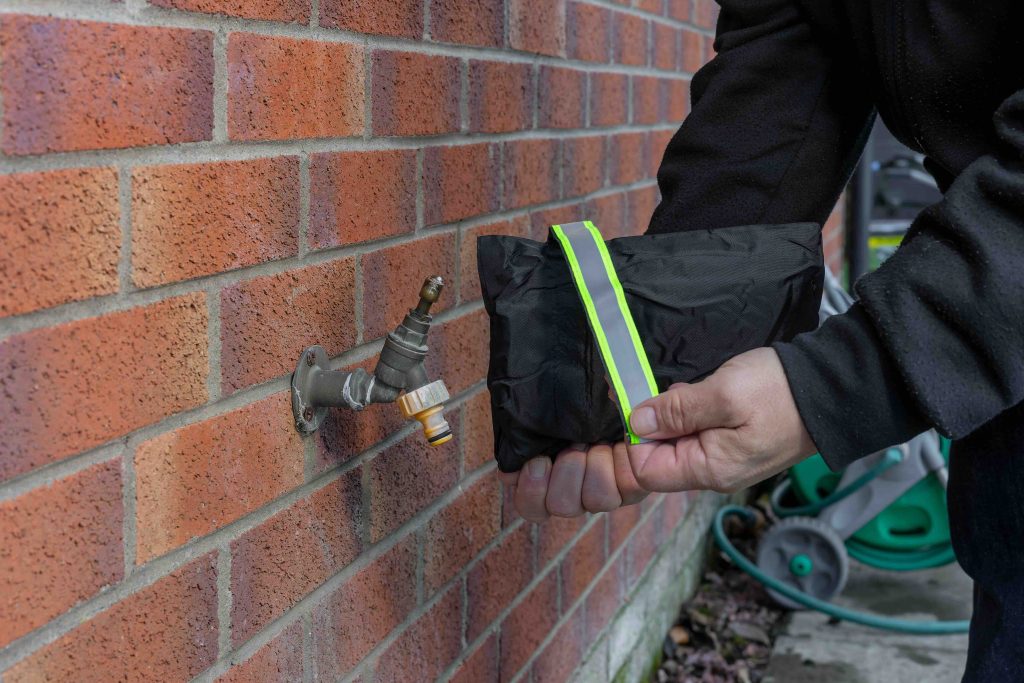
Not every pipe in your home needs to be wrapped, but there are specific areas where covering is especially important. Pipes in unheated spaces are the highest priority. That includes attics, crawl spaces, garages, and exterior walls. These locations are most exposed to temperature drops and are where freezing is most likely to occur. Pipes that run along exterior walls inside the home are also worth insulating, since those walls tend to be colder than interior walls. Outdoor hose bibs and any above-ground irrigation lines should be addressed before winter arrives as well. Hot water supply lines throughout the home benefit from insulation year-round for the energy efficiency and delivery speed improvements mentioned earlier.
Practical Tips for Homeowners Considering Pipe Insulation
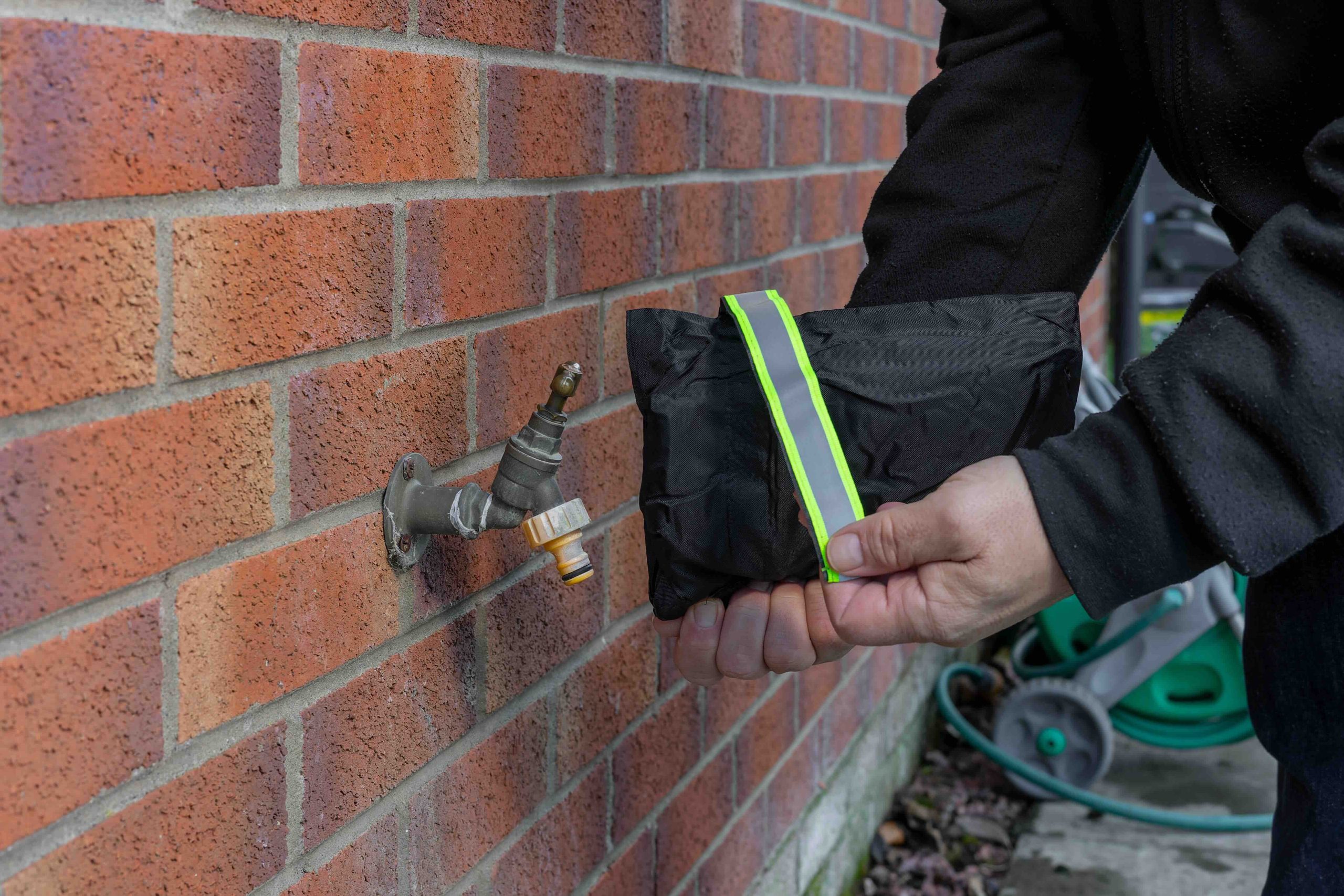
If you are thinking about tackling pipe covering as a home improvement project, a few practical considerations will make the process smoother. Start by identifying which pipes are most vulnerable based on your local climate and home layout. Walk through your attic, basement, and crawl space to locate exposed pipes before purchasing materials. Measure the pipe diameter accurately before buying foam sleeves, because a poor fit reduces effectiveness. For DIY installation, foam pipe insulation is the most accessible option and requires minimal tools. However, for complex pipe runs, hard-to-reach areas, or homes in extreme cold climates, hiring a licensed plumber or insulation contractor is a smarter investment. Do not overlook the outdoor spigots; inexpensive foam covers for hose bibs are one of the easiest wins in home winter prep.
How Home Warranties Relate to Water Pipe Damage
Understanding water pipe covering naturally leads to a broader conversation about protecting your home’s plumbing system. A home warranty can provide a meaningful safety net when plumbing issues arise, covering the repair or replacement of interior water lines and other key components. It is worth noting that most home warranty plans cover failures due to normal wear and tear, meaning a pipe that bursts because it was never insulated in a freezing climate may face a different claims outcome than one that simply deteriorates over time. Knowing how your home warranty defines covered plumbing and what conditions apply helps you plan appropriately. Pipe covering and home warranty coverage are not interchangeable, but they complement each other well as part of a layered home protection strategy.
Why Armadillo Is the Right Partner for Protecting Your Home’s Plumbing
When you take steps to protect your home’s plumbing with proper pipe insulation, you are already thinking like a smart homeowner. Pairing that proactive care with solid warranty coverage is the next logical step. Armadillo offers straightforward, homeowner-focused protection that covers the systems and appliances you depend on every day, including plumbing. If you have been looking for a home warranty plan that covers water pipe repairs and plumbing system failures, Armadillo is designed with clarity and real value in mind. No confusing fine print. No runaround when something breaks. Just coverage that works when you need it most. You can get a free home warranty quote for plumbing and pipe coverage in seconds and find out exactly what protection is available for your home based on your zip code. Protecting your pipes is smart. Backing that protection with a reliable home warranty is smarter.
Frequently Asked Questions About Water Pipe Covering
Here are answers to the questions homeowners ask most often about water pipe insulation and protection.
What is the purpose of water pipe covering in a home?
Water pipe covering protects pipes from freezing temperatures, condensation, physical damage, and heat loss. It helps extend the life of your plumbing system and improves energy efficiency by reducing heat loss from hot water lines.
Can pipe insulation prevent pipes from bursting?
Yes, pipe insulation significantly reduces the risk of pipes freezing and bursting by slowing the rate of heat transfer between the pipe and the cold surrounding environment. It is one of the most effective preventive measures for cold climates.
What type of pipe insulation is best for cold climates?
In extreme cold, heat tape or electric heating cables combined with foam or fiberglass insulation offer the strongest protection. Heat tape actively generates warmth, while the insulation layer helps retain it.
Is pipe insulation a DIY project or does it require a professional?
Basic foam pipe insulation is beginner-friendly and can be installed by most homeowners with minimal tools. However, complex plumbing layouts, hard-to-access areas, or high-risk zones like crawl spaces may warrant professional installation for best results.
Does a home warranty cover pipe bursts caused by freezing?
Coverage varies by provider and policy. Many home warranties cover plumbing failures due to normal wear and tear but may exclude damage resulting from lack of maintenance or freezing caused by inadequate insulation. Always review your specific policy terms carefully.
How often should pipe insulation be replaced or inspected?
Foam pipe insulation should be inspected annually, especially in attics, crawl spaces, and garages. It can degrade over several years due to UV exposure, pests, or physical wear. Replace any sections that appear cracked, brittle, or detached.
Do warm climate homeowners need to insulate their pipes?
Yes, even in warm climates pipe insulation is beneficial. It prevents condensation on cold water lines, which can lead to mold and structural moisture damage. It also improves hot water delivery speed and reduces energy usage year-round.
What pipes in my home are most at risk of freezing?
Pipes in unheated spaces such as attics, crawl spaces, garages, and along exterior walls carry the highest freezing risk. Outdoor hose bibs and irrigation lines are also highly vulnerable during cold weather.
How does pipe insulation affect my energy bill?
Insulating hot water supply lines reduces heat loss as water travels through your home, which means your water heater runs less frequently to maintain the desired temperature. Most homeowners see a measurable reduction in water heating costs over time.
Is water pipe covering required by building code?
Requirements vary by location and building type. Some local codes mandate pipe insulation in certain areas of new construction, particularly in cold climates. Check with your local building authority or a licensed plumber to understand what applies to your home.