What Is a Dryer Vent and Why Does It Matter More Than You Think?
Most homeowners spend a lot of time thinking about their appliances but almost no time thinking about how those appliances breathe. Your dryer is a perfect example. Every time it runs, it pulls air from the surrounding space, heats it, tumbles your clothes through it, and then pushes all that moisture and lint somewhere. That somewhere is your dryer vent. It is a dedicated exhaust pathway that carries heat, steam, and debris from the back of your dryer to the outside of your home. Without it functioning properly, things go sideways fast. Lint accumulates, airflow decreases, drying times creep up, and fire risk increases significantly. It is one of those systems that sits quietly in the background doing critical work that most people never acknowledge until something goes wrong.
How a Dryer Vent System Actually Works
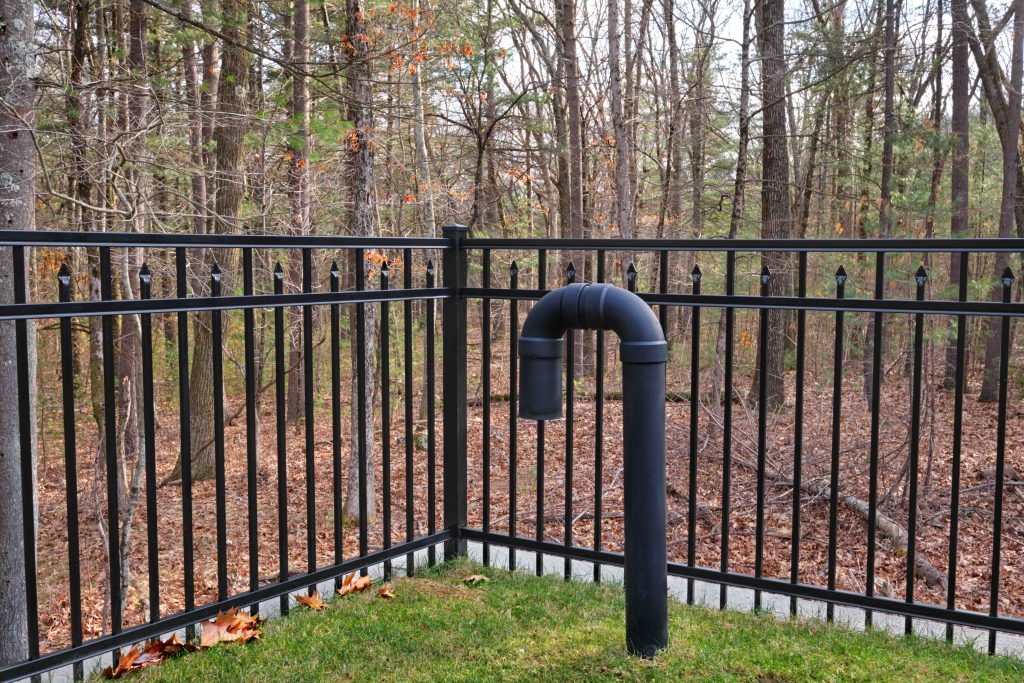
The mechanics here are straightforward. Your dryer is connected to a rigid or semi-rigid duct that typically runs through a wall, floor, or ceiling cavity and terminates at an exterior vent cap. When the dryer operates, a blower fan inside the unit pushes hot, moist air through that duct and out of the building. The exterior cap is designed with a flap or louver that opens under airflow pressure and closes when the dryer is off, which prevents outside air, pests, and debris from entering the duct when it is not in use. Sounds simple, and honestly it is, but the simplicity is deceptive. Over time, lint that escapes the lint trap sticks to the interior walls of the duct. Every load adds a little more. Eventually, the buildup narrows the airflow path, and that is when performance and safety both start to suffer.
The Real Risks of a Neglected Dryer Vent
This is the part that deserves full attention. The U.S. Fire Administration has consistently identified dryers as a leading cause of home fires, and failure to clean the dryer vent is cited as the primary contributing factor in a significant portion of those incidents. Lint is extraordinarily flammable. When it accumulates inside a duct that regularly carries high-temperature air, the conditions for ignition are very real. Beyond fire risk, there are other serious concerns worth noting.
- Carbon monoxide exposure: Gas dryers vent combustion byproducts through the same duct. A blocked vent can push those gases back into the living space.
- Mold and moisture damage: Restricted airflow traps humidity inside the duct and surrounding building materials, creating conditions favorable to mold growth.
- Appliance wear and failure: When a dryer has to work harder and run longer to dry a load, internal components like the heating element and motor wear out faster.
- Higher energy bills: A clogged vent system significantly reduces dryer efficiency, which shows up on your monthly utility statement.
Signs Your Dryer Vent Needs Attention Right Now
You do not need to be a technician to recognize when a dryer vent is struggling. The signs are usually pretty obvious once you know what to look for. Clothes taking two cycles to fully dry is one of the clearest indicators. A dryer that feels unusually hot to the touch on the outside, or laundry that comes out hotter than normal, is another red flag. If you notice a burning smell when the dryer runs, that warrants immediate investigation. Reduced airflow at the exterior vent cap, where you can barely feel air pushing through, means the duct pathway is obstructed. And if the flap on your exterior vent cap does not open when the dryer is running, that is a mechanical issue that needs to be resolved quickly. Any of these symptoms should prompt a professional inspection without delay.

Professional Dryer Vent Cleaning: What the Service Includes
A professional dryer vent cleaning is not a complicated procedure, but it is one that requires the right tools and some working knowledge of how duct systems are routed through homes. A technician will typically disconnect the dryer from the duct, use a rotary brush system combined with a high-powered vacuum to clear the duct from both ends, inspect the duct for damage or improper connections, and verify that the exterior vent cap is functioning correctly. Some services also include rerouting assessments if the existing duct configuration is excessively long or includes too many bends, both of which reduce airflow efficiency. The whole process usually takes under an hour for a standard installation, and the difference in dryer performance afterward is often immediately noticeable.
How Often Should Dryer Vent Service Be Scheduled?
The general recommendation from appliance manufacturers and fire safety organizations is to have the dryer vent professionally cleaned at least once per year. That said, frequency should scale with actual usage. Households that do laundry heavily, think families with children or anyone doing multiple loads per week, should consider scheduling service every six months. Homes where the duct run is long or includes multiple turns may also accumulate lint faster and benefit from more frequent attention. Pet owners should note that animal fur passes through the lint trap at a higher rate and contributes to faster duct buildup as well. Establishing a routine service schedule is genuinely one of the simplest things a homeowner can do to protect both the appliance and the structure of the home.
Dryer Vent Installation and Rerouting: When the Setup Itself Is the Problem
Sometimes cleaning alone is not enough. Older homes in particular were not always built with ideal dryer vent configurations. Duct runs that exceed the recommended maximum length, typically around 25 feet with deductions made for each turn or elbow, compromise airflow no matter how clean the duct is. Flexible plastic or foil accordion-style ducts, which were common in older installations, are no longer considered safe or code-compliant in most jurisdictions because they trap lint more easily and collapse over time. If your dryer vent inspection reveals any of these issues, rerouting or replacing the duct is the right move. Yes, it involves more work and more cost up front, but it resolves the root cause rather than treating the symptom repeatedly.
Key Advantages of Keeping Your Dryer Vent in Good Condition
Staying on top of dryer vent maintenance carries benefits that extend well beyond fire safety, which is already reason enough. Here is a clear summary of what consistent service delivers for homeowners.
- Reduced fire risk: Removing lint buildup directly addresses the most significant dryer-related hazard in residential settings.
- Lower energy costs: A clear duct allows the dryer to operate at designed efficiency, shortening cycle times and reducing electricity or gas consumption.
- Extended appliance lifespan: Less strain on the motor and heating element means fewer breakdowns and a longer functional life for the dryer.
- Improved indoor air quality: Proper venting keeps moisture and combustion byproducts moving out of the home rather than back into it.
- Peace of mind: Knowing the system is functioning correctly is genuinely worth something, especially in a household with young children or elderly occupants.
Common Drawbacks and Limitations Worth Knowing
Dryer vent service is not without its complications. Access can be a real challenge in homes where the duct runs through finished walls, crawl spaces, or tight utility areas. Some technicians may need to cut access panels or work in difficult positions, which adds time and occasionally cost. In homes where the vent terminates on a roof rather than a side wall, cleaning becomes more involved and may require specialized equipment. There is also the issue of duct damage discovered during service. If a duct has separated at a joint, deteriorated, or been crushed at some point during home construction or renovation, repair or replacement costs are additional. None of these are reasons to avoid service, but they are worth factoring into expectations and budgeting, particularly for older homes with more complex layouts.

Why Armadillo Belongs in Your Home Maintenance Plan
Understanding your dryer vent system is a meaningful step toward being a more informed homeowner, and pairing that knowledge with the right financial protection is the logical next move. Home systems and appliances break down, and the cost of repairs rarely comes at a convenient time. That is exactly the problem a home warranty is designed to solve. Armadillo home warranty coverage for dryers and home appliances is built around transparency and simplicity, so you are never left guessing about what is covered or scrambling to find a reliable technician. When your dryer starts showing signs of trouble, whether it is a mechanical failure related to restricted venting or a component breakdown from years of regular use, having coverage in place means you are not absorbing that cost alone. If you are ready to stop leaving appliance repairs to chance, get an instant home warranty quote to protect your dryer and home systems and see exactly what a plan looks like for your specific home. The process takes minutes, and the value speaks for itself.
Frequently Asked Questions About Dryer Vent Services
How do I know if my dryer vent is clogged?
The most common signs include clothes taking longer than one cycle to dry, the dryer exterior feeling excessively hot during operation, a burning smell when running the dryer, and reduced airflow at the exterior vent cap. If you notice any of these symptoms, have the vent inspected and cleaned promptly.
How often should a dryer vent be professionally cleaned?
Most households should schedule a professional dryer vent cleaning at least once per year. Heavier users, homes with pets, or installations with long or complex duct runs may benefit from service every six months.
Can I clean my dryer vent myself?
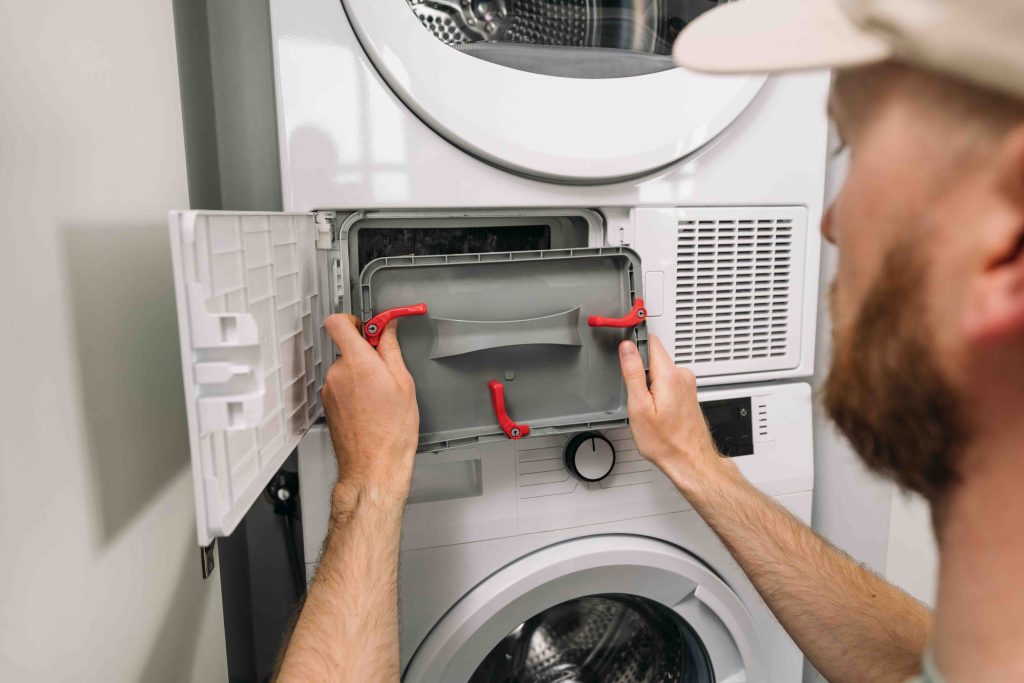
Basic lint removal at the exterior cap and the duct connection behind the dryer is something a homeowner can handle. However, a full interior duct cleaning requires rotary brush equipment and a commercial-grade vacuum that most homeowners do not have. Professional service ensures the entire duct length is cleared thoroughly.
What type of dryer duct material is safest?
Rigid metal duct, typically aluminum or galvanized steel, is the safest and most code-compliant option. Semi-rigid metal duct is acceptable for short transition sections. Flexible plastic or foil accordion duct is generally not recommended and is prohibited by code in many areas due to fire and airflow concerns.
How long can a dryer vent duct safely be?
Most manufacturers and building codes cap the maximum duct length at around 25 feet for a straight run. Each 90-degree elbow typically reduces that allowable length by 5 feet, and each 45-degree turn by 2.5 feet. Exceeding these limits compromises airflow and increases lint accumulation.
Is dryer vent cleaning covered by a home warranty?
Standard home warranties typically cover mechanical failures of covered appliances and systems rather than routine maintenance tasks like vent cleaning. However, if a dryer fails due to a mechanical breakdown, a warranty plan may cover the repair or replacement of the appliance itself. Review your specific plan terms for details.
What happens if a dryer vent is not vented to the outside?
All dryers, with the exception of certain ventless condenser or heat pump models, must vent to the exterior of the home. Venting into an attic, crawl space, or interior wall causes moisture accumulation, mold growth, lint fire risk, and in the case of gas dryers, dangerous carbon monoxide buildup indoors.
Why does my dryer take two or three cycles to dry a full load?
Extended drying times are one of the primary indicators of a restricted or clogged dryer vent. When airflow is reduced, moisture cannot escape efficiently, so the dryer runs longer without fully drying the load. A professional vent cleaning typically resolves this issue when the duct is the cause.
How much does a professional dryer vent cleaning typically cost?
Pricing varies by region and duct configuration, but most homeowners pay between $80 and $175 for a standard dryer vent cleaning service. Homes with longer duct runs, roof terminations, or significant buildup may see higher costs. The investment is modest compared to the cost of appliance repairs or fire damage.
Can a blocked dryer vent cause a fire?
Yes, and this is not a minor risk. Lint is highly combustible, and when it accumulates inside a duct that carries high-temperature exhaust air, the potential for ignition is genuine. Dryer vent fires are well-documented and preventable with routine cleaning and proper duct installation.