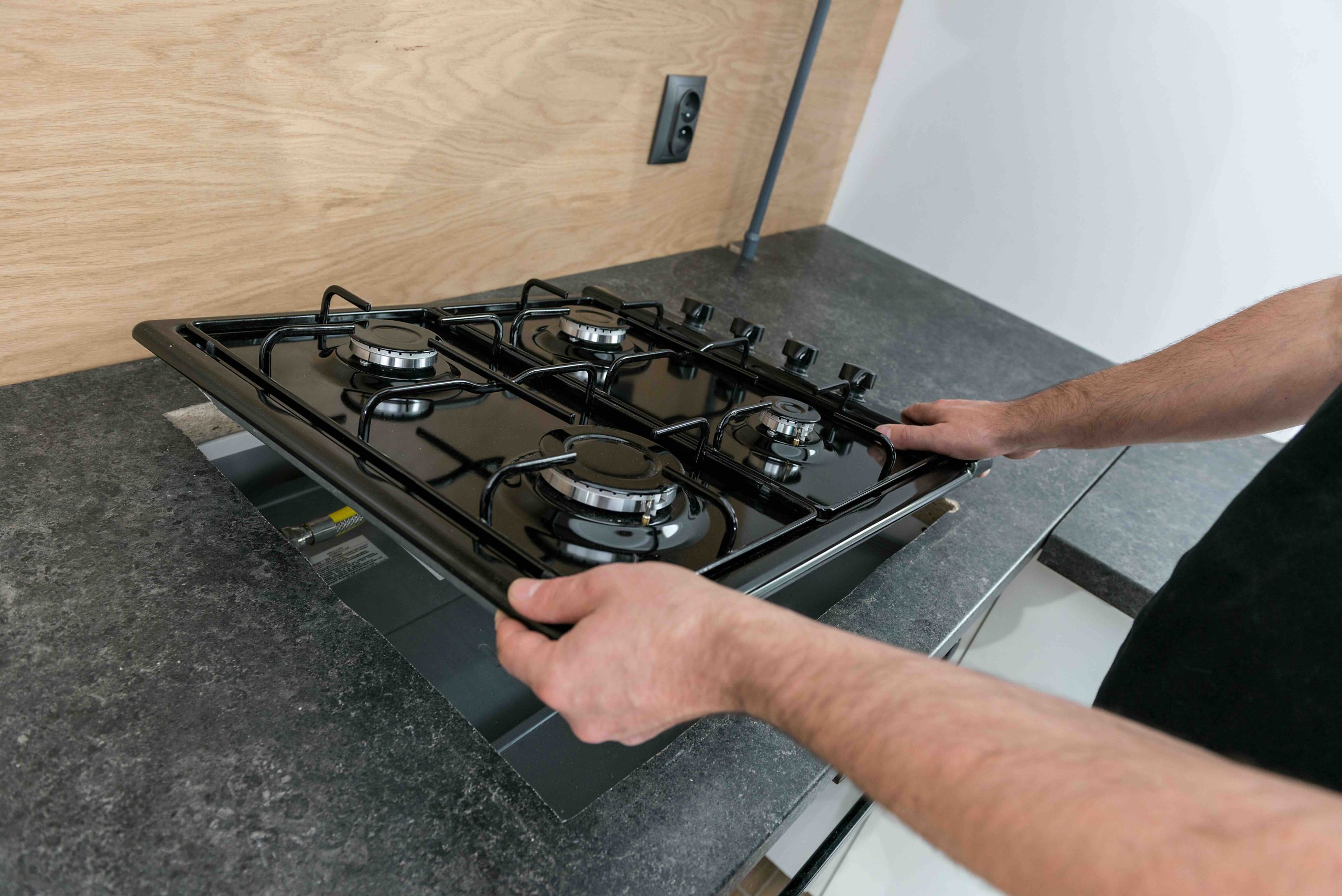
What Every Homeowner Should Know About Gas Stove Repair
Your gas stove is probably one of the hardest-working appliances in your home. It handles daily meals, holiday feasts, and everything in between without much recognition. So when something goes wrong, it tends to be noticeable fast. Whether a burner refuses to ignite, the oven is not heating evenly, or you are catching a faint gas smell near the range, understanding how gas stove repair works puts you in a much better position to respond quickly and wisely. This guide walks you through the basics so you can troubleshoot with confidence, know when to call a professional, and understand how a home warranty fits into the picture.
How a Gas Stove Actually Works
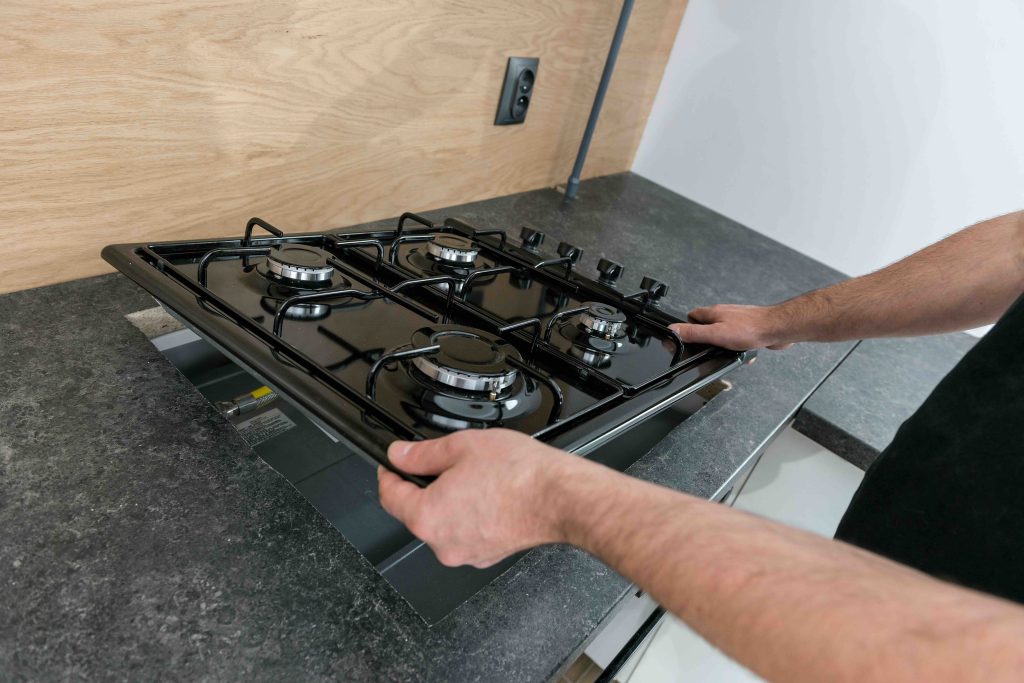
Gas stoves operate by routing natural gas or liquid propane through a series of valves and burner heads. When you turn a knob, you are opening a valve that allows gas to flow. The igniter, typically an electronic spark igniter in modern stoves, creates a spark that lights the gas and produces the flame you cook with. The oven functions similarly but uses a gas burner controlled by a thermostat, which cycles the flame on and off to maintain your set temperature. There is also a safety valve in most ovens, called a thermocouple or thermistor, that shuts off gas flow if a flame goes out unexpectedly. It sounds simple enough, but there are a surprising number of components involved, and any one of them can fail over time.
Common Gas Stove Problems Homeowners Encounter
Most gas stove issues fall into a recognizable set of categories. Knowing what you are dealing with helps you decide whether this is a DIY fix or a job for a licensed technician. Here are the most frequent problems:
- Burner will not ignite or sparks constantly without lighting
- Weak or uneven flame on one or more burners
- Oven does not reach or maintain the correct temperature
- Gas smell near the stove or surrounding area
- Clicking sounds that continue after the burner is already lit
- Oven igniter glows but does not light the burner
- Control knobs that feel loose, broken, or unresponsive
Some of these issues, like a clogged burner cap or a wet igniter after cleaning, can be resolved at home with minimal effort. Others, especially anything involving gas supply lines, valves, or persistent smell of gas, require a licensed appliance repair technician immediately.
DIY Troubleshooting: What You Can Safely Handle
There is a reasonable amount of gas stove troubleshooting that falls well within homeowner territory. If a burner is clicking without lighting, the igniter port may be blocked by food residue or grease. Removing the burner cap and grate, cleaning the area thoroughly with a dry brush or toothpick, and allowing everything to dry completely often solves the problem. Similarly, if the flame looks yellow or orange instead of a clean blue, the burner ports are likely clogged and need cleaning. A misaligned burner cap is another common culprit that gets overlooked. Just reseating it properly can restore normal operation. For oven issues, if the igniter glows orange for more than 90 seconds without lighting, the igniter itself is weakening and will need to be replaced. That is a repair most confident DIYers can handle with the right replacement part and a screwdriver, as long as the gas supply is turned off first.

When to Stop and Call a Professional
There is a clear line between what is safe for homeowners and what should always go to a professional. If you smell gas and cannot immediately identify an obvious cause like an unlit burner, leave the house, avoid using any light switches or electronics, and call your gas utility provider from outside. Do not attempt to find the leak yourself. Beyond that, any repair involving the gas supply line, the pressure regulator, internal gas valves, or the oven’s safety valve system should be handled by a licensed appliance technician. These are not tasks where trial and error is acceptable. Gas-related mistakes carry serious risk, and the cost of a professional repair is far less significant than the consequences of getting it wrong.
The Real Cost of Gas Stove Repairs
Repair costs vary significantly depending on the nature of the problem and the brand of your appliance. A simple igniter replacement might run between $150 and $300 including parts and labor. A faulty oven control board can push that number to $400 or more. Gas valve repairs or replacements can reach $500 to $700, depending on the unit. If you own a higher-end range from a premium brand, parts alone can drive those figures considerably higher. It is worth noting that repair costs tend to catch homeowners off guard, particularly when the stove fails at the worst possible moment, and there is no budget set aside for it.
Maintenance Tips That Prevent Most Gas Stove Problems
Routine maintenance is genuinely underrated when it comes to gas stoves. Most failures are preventable with a little consistent attention. Cleaning burner caps and grates regularly prevents clog-related ignition problems. Keeping the area around igniters dry after cleaning avoids the annoying clicking issue. Checking that burner caps are properly seated after every cleaning reduces the likelihood of uneven flames. Inside the oven, wiping spills before they bake onto surfaces protects the igniter and sensor from damage. Periodically checking that the anti-tip bracket, the small device that keeps your range from tipping forward, is properly installed is also a good habit. These small steps extend the life of your appliance and reduce the frequency and severity of repairs.
Gas Stove Repair vs. Replacement: How to Decide
The decision between repairing and replacing a gas stove comes down to a few factors: the age of the appliance, the cost of the repair relative to its current value, and the availability of replacement parts. A general rule used widely in the appliance industry is the 50 percent rule: if the repair costs more than half the price of a comparable new unit, replacement often makes more financial sense. Gas ranges typically have a useful lifespan of 15 to 20 years. If your stove is approaching that range and facing a major repair, investing in a new appliance may be the smarter long-term move. If it is relatively young and the repair is straightforward, fixing it is almost always the better option.
How Home Warranties Cover Gas Stove Repairs
This is where understanding your home warranty becomes particularly valuable. A home warranty is a service contract that covers the repair or replacement of major home systems and appliances when they fail due to normal wear and tear. Most standard home warranty plans include kitchen appliances, and gas ranges are typically among the covered items. That means if your igniter fails, your oven control board gives out, or your burner valve stops functioning properly, your home warranty may cover the cost of diagnosis and repair after your service call fee. This type of coverage is especially useful for homeowners who have not budgeted for appliance repairs, since the out-of-pocket exposure is predictable and manageable.

Why Armadillo Is Worth Considering for Gas Stove and Appliance Protection
When your gas stove breaks down, the last thing you want is to navigate a confusing claims process or wait weeks for a technician who never shows up. That is where Armadillo does things differently. Armadillo offers straightforward home warranty coverage designed to make appliance and system repairs feel manageable rather than stressful. If you are a homeowner looking for home warranty coverage for gas stove repairs and major appliances, Armadillo brings transparency, responsive service, and real protection to the table. There are no confusing tiers of vague coverage language. Just honest plans built for how homeowners actually live. If you are ready to stop worrying about what the next repair bill might look like, you can get a free home warranty quote that covers your gas range and kitchen appliances in just a few minutes. Protecting your home should feel this simple.
Frequently Asked Questions About Gas Stove Repair
Here are answers to the questions homeowners ask most often when dealing with gas stove issues.
Why does my gas stove keep clicking but not lighting?
The most common reason is moisture or food debris around the igniter. Clean the burner cap and igniter area thoroughly, let everything dry completely, and try again. If the clicking persists with a dry, clean stove, the igniter itself may need replacement.
Is it safe to use my gas stove if one burner is not working?
If only one burner is malfunctioning and there is no gas smell, you can typically use the other burners while you arrange for a repair. If you detect any gas odor, stop using the appliance entirely and contact a technician.
What does a yellow or orange gas flame mean?
A healthy gas flame should be blue. A yellow or orange flame usually indicates incomplete combustion, which can be caused by clogged burner ports, improper air-to-gas mixture, or a dirty burner. Clean the burner and check for blockages first.
How long do gas stove igniters last?
Most gas stove igniters last anywhere from five to ten years depending on usage and maintenance habits. Frequent exposure to spills, moisture, and grease can shorten their lifespan considerably.
Can I replace a gas stove igniter myself?
Yes, in most cases this is a manageable DIY repair. You will need to turn off the gas supply, locate the correct replacement part for your model, and follow your appliance manual. If you are not comfortable working near gas components, hire a licensed technician.
Why is my gas oven not reaching the correct temperature?
The most frequent causes include a weakening igniter, a failing oven sensor, or a faulty gas valve. A weakening igniter is often the culprit if the igniter glows but takes a long time to light the burner. An oven thermometer can help you confirm whether a temperature discrepancy actually exists before calling for service.
Does a home warranty cover gas stove repairs?
Most home warranty plans include kitchen appliances, which typically means your gas range is covered for mechanical failures caused by normal wear and tear. Coverage details vary by provider, so reviewing your specific plan terms is always recommended.
How much does it cost to repair a gas stove?
Repair costs typically range from $150 for minor igniter replacements to $700 or more for complex valve or control board repairs. The final cost depends on the specific component, your appliance brand, and local labor rates.
When should I replace my gas stove instead of repairing it?
If your stove is more than 15 years old and facing a repair that costs more than half the price of a comparable new unit, replacement is often the smarter financial decision. Younger appliances with isolated issues are generally worth repairing.
What should I do if I smell gas near my stove?
Leave the home immediately without using any light switches, electronics, or open flames. Call your gas utility provider from outside. Do not attempt to locate or fix the leak yourself. This situation always requires professional assessment.