What Is Heated Floor Installation and Why Are Homeowners Talking About It?
If you have ever stepped onto a cold tile floor on a winter morning, you already understand the appeal of radiant floor heating. It is one of those home upgrades that sounds like a luxury but, depending on your situation, can actually make a lot of practical and financial sense. Heated floors work by warming the surface beneath your feet rather than pushing hot air through vents, and that distinction matters more than most people realize. The system is quiet, invisible, and consistent in a way that forced-air heating simply cannot match. Whether you are building new, remodeling a bathroom, or just tired of cold spots in your living room, this is a topic worth understanding before you commit to anything.
How Does Radiant Floor Heating Actually Work?
There are two main types of radiant floor heating, and they operate quite differently. The first is electric radiant heating, which uses a network of thin heating cables or mats installed directly beneath your flooring material. It connects to your home’s electrical system and warms up quickly, making it popular for smaller spaces like bathrooms or kitchens. The second type is hydronic radiant heating, which circulates warm water through a series of tubes laid beneath the floor. Hydronic systems are connected to a boiler or water heater and are generally better suited for larger areas or whole-home applications. Both types do the same fundamental thing: they heat the floor surface, and that warmth radiates upward naturally and evenly throughout the room. No blowing air, no cold corners, just consistent, steady heat rising from the ground up.
What Does Heated Floor Installation Actually Cost?
This is the part most homeowners want to get to right away, and for good reason. Cost varies significantly depending on the type of system, the size of the space, the flooring material, and whether it is a new construction or a retrofit. That said, here is a general breakdown to help frame your expectations:
- Electric radiant floor heating typically costs between $8 and $15 per square foot installed, making a standard bathroom project land somewhere in the $700 to $1,500 range.
- Hydronic radiant floor heating runs higher, often between $10 and $20 per square foot installed, with whole-home systems potentially reaching $10,000 to $25,000 or more depending on complexity.
- Labor costs can vary significantly by region and contractor, typically ranging from $1,500 to $6,000 for mid-size projects.
- Flooring material matters too. Tile and stone conduct heat well and are the most compatible materials. Hardwood and laminate can work but require careful installation to avoid warping.
Retrofit projects, where you are adding heated floors to an existing home rather than during construction, tend to cost more because of the additional labor involved in removing and replacing existing flooring. New construction is almost always the more cost-effective path if you have that option.

The Real Advantages of Installing Radiant Floor Heating
Beyond the obvious comfort factor, heated floors carry several practical advantages that are worth considering. First, radiant heating is more energy-efficient than forced-air systems in many cases, because heat is delivered directly where people are rather than being pushed through ductwork where it can be lost. Second, it improves indoor air quality. Because there are no air ducts circulating dust, allergens, or debris, people with allergies or respiratory sensitivities often notice a real difference. Third, the system is silent. If you have lived with a loud furnace or rattling vents, the peace that comes with radiant heat is genuinely noticeable. Finally, it adds a layer of home value. Radiant floor heating is considered a premium upgrade that can make your home more appealing to future buyers, particularly in colder climates.
Common Drawbacks You Should Know Before You Commit
Heated floors are not a perfect solution for every home or every homeowner. The upfront installation cost is the most significant barrier, especially for hydronic systems. Beyond cost, there is the matter of response time. Hydronic systems in particular can take a while to reach your desired temperature, which means you may need to plan ahead rather than simply turning on the heat when you are already cold. Electric systems are faster but tend to cost more to operate over time because electricity is generally more expensive than gas. There is also a flooring compatibility concern. Not every type of flooring works well with radiant systems, and using the wrong material can void warranties or lead to structural issues over time. And finally, if something goes wrong with the system, repairs can be invasive and expensive, especially with hydronic systems where the tubing is embedded in the subfloor or concrete slab.
How to Choose the Right System for Your Home
Choosing between electric and hydronic comes down to a few key questions. How large is the space you want to heat? Electric systems are efficient and cost-effective for smaller rooms. How often will the heat be used? If it is a bathroom you use every morning, electric makes sense. If you want to heat an entire home consistently, hydronic is the more efficient long-term investment. What is your existing heating infrastructure? Hydronic systems integrate more easily when you already have a boiler or plan to install one. And what is your budget for both installation and ongoing energy costs? These four questions, honestly answered, will point you toward the right direction faster than any sales pitch.
Installation Process: What to Expect from Start to Finish
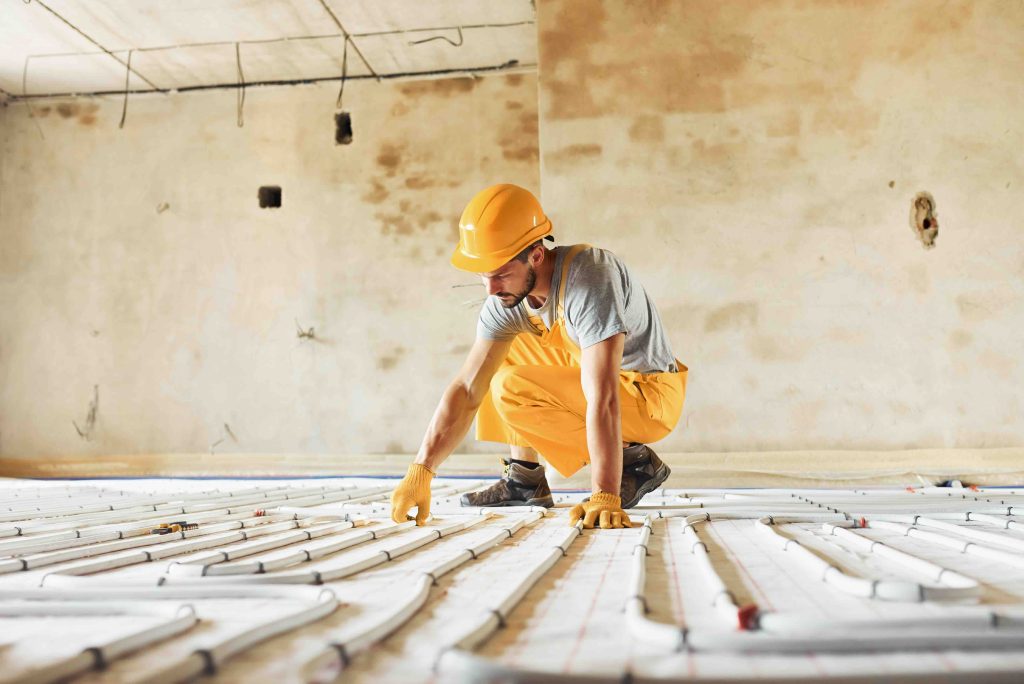
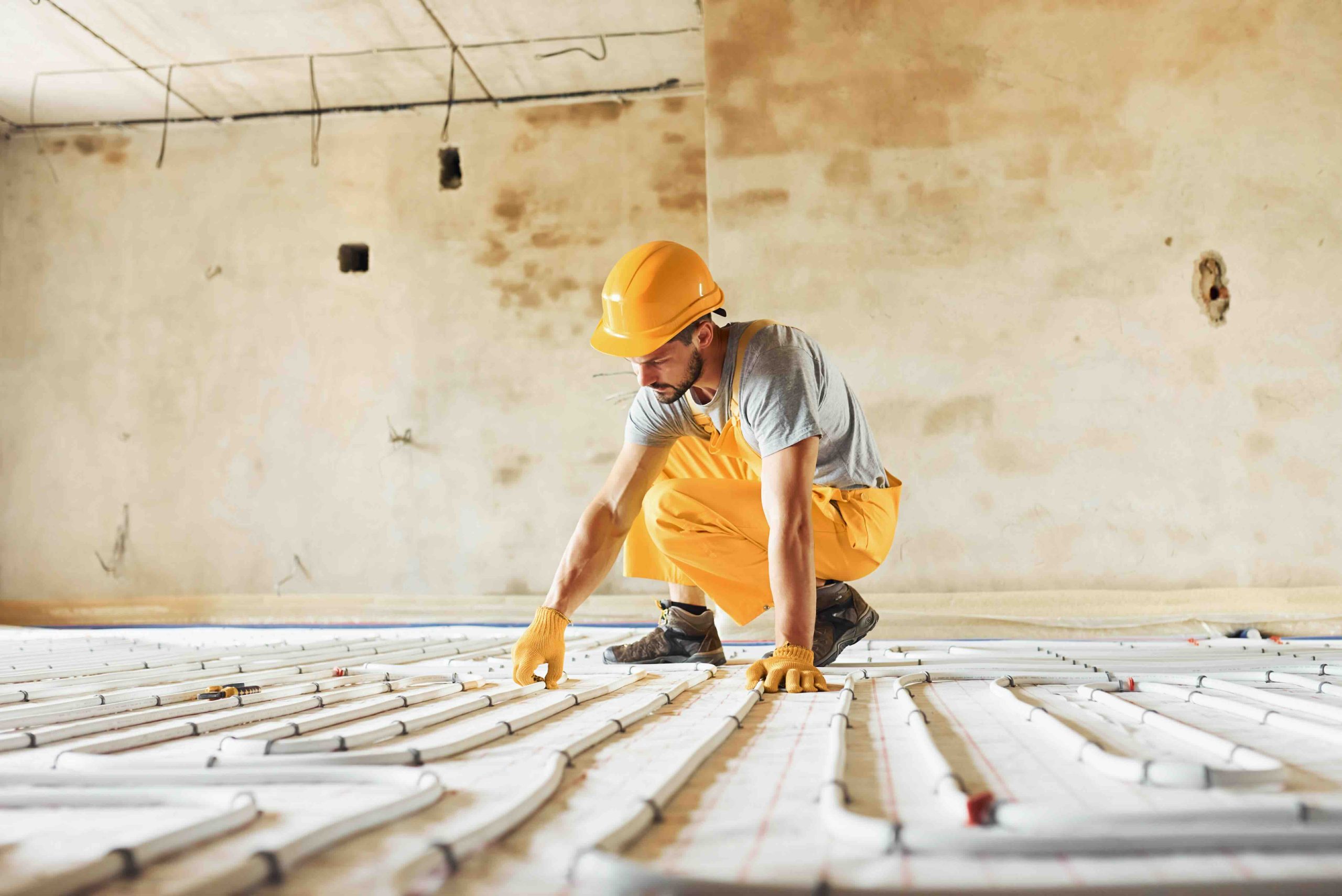
If you decide to move forward, understanding the installation process helps you plan realistically. For electric systems, the process typically involves laying heating mats or cables over the subfloor, covering them with a thin layer of self-leveling compound or mortar, and then installing the finish flooring on top. A thermostat is wired into the system, often a programmable or smart thermostat, so you can schedule heating cycles. For hydronic systems, the process is more involved. Tubing is laid in a specific pattern across the subfloor or embedded in a concrete slab, connected to a manifold, and then tied into a boiler or water heater. Depending on whether this is new construction or a retrofit, the installation could take anywhere from a single day to several weeks for larger whole-home projects. Always use a licensed contractor and verify that the installer has specific experience with radiant systems.
Maintenance and Long-Term Reliability
One of the quieter selling points of radiant floor heating is that it requires very little ongoing maintenance compared to traditional HVAC systems. Electric systems, once installed correctly, have essentially no moving parts and can last for decades. Hydronic systems require periodic checks on the boiler, water pressure, and fluid levels, but the tubing itself is highly durable and rarely needs replacement. That said, no home system is completely immune to issues. Thermostats can fail, boilers can malfunction, and electrical connections can degrade over time. Being proactive about annual inspections, particularly for hydronic systems, is the best way to extend the life of your investment and catch problems before they become expensive repairs.
Why Armadillo Is a Smart Addition to Any Radiant Heating Investment
Installing heated floors is a meaningful investment in your home’s comfort and value. But even the most reliable systems can develop problems, and repair costs for radiant heating can be substantial, especially when issues involve the boiler or embedded tubing. That is exactly where a home warranty earns its place. Armadillo home warranty coverage for heating systems and appliances is built for homeowners who want real protection without the confusing fine print. Armadillo’s plans are straightforward, their customer service is responsive, and they are designed around what homeowners actually need, not what sounds good in a brochure. If you are making a significant home improvement like radiant floor heating, pairing that investment with a solid warranty plan is just smart planning. Take a few minutes to get a free radiant floor heating home warranty quote from Armadillo and see what coverage makes sense for your home and budget. Protecting what you build is just as important as building it right.

Frequently Asked Questions About Heated Floor Installation
Homeowners considering radiant floor heating often have similar questions. Here are the most common ones, answered directly.
How much does it cost to install heated floors in a bathroom?
For a standard bathroom, electric radiant floor heating typically costs between $700 and $1,500 fully installed, depending on the size of the room and local labor rates.
Is radiant floor heating energy efficient?
Yes, radiant floor heating is generally more energy efficient than forced-air systems because it delivers heat directly to the living space without duct losses. Hydronic systems are particularly efficient for whole-home heating.
Can heated floors be installed under hardwood?
Yes, but it requires careful attention to temperature limits and moisture levels. Not all hardwood species are compatible, and improper installation can cause warping or void the flooring warranty.
How long does radiant floor heating last?
Electric radiant systems can last 25 to 35 years or more with no moving parts to wear out. Hydronic systems have similar lifespans for the tubing, though the boiler typically needs replacement every 15 to 20 years.
Does radiant floor heating work as a primary heat source?
Hydronic systems can absolutely serve as a primary heat source for an entire home. Electric systems are generally better suited as supplemental heating for specific rooms rather than as a whole-home solution.
How long does it take for heated floors to warm up?
Electric systems typically reach operating temperature within 30 to 60 minutes. Hydronic systems can take several hours, which is why programmable thermostats are strongly recommended for both types.
Is heated floor installation worth the cost?
For many homeowners, yes. The combination of energy efficiency, comfort, improved air quality, and added home value makes it a worthwhile investment, particularly in colder climates or during new construction or major remodels.
Will a home warranty cover radiant floor heating repairs?
Coverage depends on the specific plan and provider. Some home warranty plans cover heating systems including radiant components, while others may have exclusions. Reviewing plan details carefully before purchasing is essential.
What flooring materials work best with radiant heating?
Tile and stone are the most compatible materials because they conduct and retain heat efficiently. Engineered hardwood and certain laminates can also work, but solid hardwood, thick carpet, and some vinyl products may limit performance or cause damage.
Can I install electric radiant floor heating myself?
Some electric mat systems are marketed as DIY-friendly, but electrical connections should always be handled by a licensed electrician. Improper installation can create safety hazards and may void product warranties.