What Is an Upgrade AC System and Why Are Homeowners Talking About It?
If your air conditioner has been running longer cycles, struggling to keep rooms cool, or quietly driving up your energy bill every summer, you have probably already started wondering whether an upgrade is worth it. The short answer is that for most homeowners, upgrading to a modern, high-efficiency AC system is one of the most impactful home improvements you can make. But there is more to it than just picking a new unit and calling it a day. Understanding what an upgraded AC system actually involves, how the technology works, and what the real-world benefits and trade-offs look like will help you make a smarter decision for your home and your budget.
What Does “Upgrading Your AC System” Actually Mean?
An AC upgrade does not always mean swapping one box for another. It can range from replacing an aging central air system with a high-efficiency model, to installing a ductless mini-split system, to integrating a smart thermostat and zoning controls that work with your existing equipment. In some cases, an upgrade might involve improving or replacing ductwork that has been leaking conditioned air for years without anyone noticing. The term broadly refers to any meaningful improvement to your home’s cooling infrastructure that results in better performance, lower operating costs, or both. Knowing which type of upgrade fits your home is the first step, and that usually starts with an honest assessment of what you currently have.
How a Modern High-Efficiency AC System Works
Central air conditioning works by pulling warm air from inside your home, running it over refrigerant-filled coils that absorb the heat, and pushing the now-cooled air back through your ductwork. The efficiency of that process is measured in SEER2 ratings, which is the updated federal standard for Seasonal Energy Efficiency Ratio. Older systems commonly operate at SEER ratings of 8 to 10. Modern high-efficiency systems often reach SEER2 ratings of 16, 18, or even higher. Variable-speed compressors, which adjust their output based on real-time demand rather than running at full blast until the thermostat clicks off, are a large part of what makes newer systems so much more efficient. Two-stage and variable-speed systems maintain more consistent indoor temperatures, reduce humidity more effectively, and run quieter than their single-stage predecessors.
The Real Advantages of Upgrading Your Home’s Air Conditioning
There are several compelling reasons homeowners invest in an AC upgrade, and energy savings tend to top the list. Replacing a 10-year-old system with a modern high-efficiency unit can reduce cooling costs by 20 to 40 percent depending on your climate, home size, and how heavily you use your system. Beyond the bill, upgraded systems deliver noticeably better comfort. Variable-speed technology means fewer temperature swings, which is something you feel before you even think to look at the thermostat. Improved air quality is another benefit that does not get discussed enough. Newer systems with better filtration and humidity control help reduce allergens, dust, and moisture-related issues inside the home. Finally, a newer system adds measurable value when it comes time to sell, and it reduces the likelihood of a mid-summer breakdown at the worst possible moment.
- Energy savings of 20 to 40 percent compared to older systems
- Improved temperature consistency and indoor comfort
- Better humidity control and air quality
- Quieter operation with variable-speed technology
- Increased home value and buyer confidence
- Reduced risk of unexpected system failures

Common Drawbacks and Costs to Consider Before You Commit
An AC upgrade is not a small investment, and it is worth going in with realistic expectations. A full central air system replacement, including installation, can range anywhere from $4,000 to $12,000 or more depending on system size, brand, efficiency tier, and local labor rates. If ductwork repairs or replacement are needed, costs climb further. Ductless mini-split systems carry their own price points, often higher per zone, though they eliminate duct-related losses entirely. There is also the question of timing. Scheduling an upgrade during peak season means longer wait times and potentially less negotiating room on price. Additionally, not every contractor is equally experienced with the newer variable-speed systems, so choosing the right installer matters as much as choosing the right equipment.
Ductless Mini-Split Systems: A Closer Look at a Popular Upgrade Option
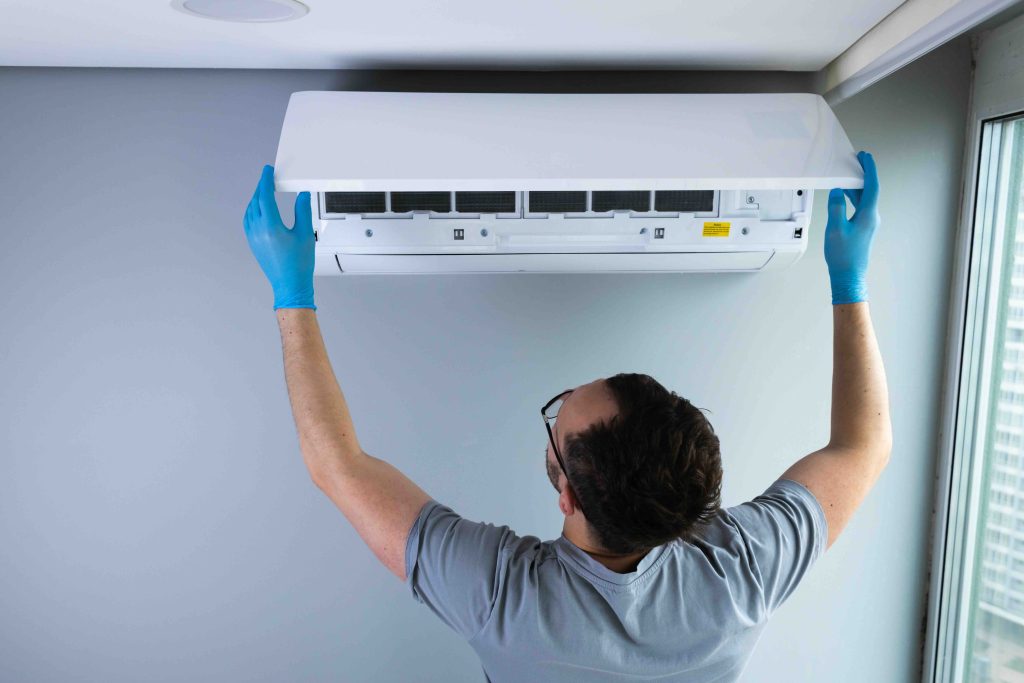
Mini-split systems have grown significantly in popularity over the past decade, and for good reason. They work by connecting an outdoor compressor unit to one or more indoor air-handling units mounted on walls or ceilings inside the home. Each indoor unit operates independently, which means you can cool the rooms you are using without conditioning the entire house. This zoned approach can deliver serious efficiency gains, especially in homes where certain rooms run hotter than others or where people have different comfort preferences. They are also a strong option for home additions, garages, finished basements, or any space that does not have existing ductwork. The installation footprint is smaller, and the systems tend to be extremely quiet during operation.
Smart Thermostats and Zoning: The Overlooked Half of an AC Upgrade
A lot of homeowners focus entirely on the mechanical equipment and overlook the control side of things, which is a missed opportunity. A smart thermostat integrated with a new or existing high-efficiency system can meaningfully extend the efficiency gains by learning your schedule, adjusting cooling patterns automatically, and giving you remote control through a phone app. Zoning systems go a step further by using dampers inside your ductwork to direct cooled air only to the areas of the home that need it at any given time. Pairing a modern AC unit with smart controls and zoning is probably the most complete version of an AC upgrade you can pursue, and it is worth discussing with your HVAC contractor during the evaluation process.
When Is the Right Time to Upgrade Your AC System?
Timing an AC upgrade is part practical and part strategic. From a practical standpoint, if your system is more than 10 to 15 years old, requires frequent repairs, or uses the older R-22 refrigerant that is no longer manufactured and increasingly expensive to source, the calculus almost always favors replacement over continued repair. From a strategic standpoint, scheduling your upgrade in the fall or early spring tends to result in better contractor availability, more competitive pricing, and plenty of time for the installation before peak cooling season arrives. Utility rebates and federal tax credits for high-efficiency systems also change from year to year, so checking what is currently available in your area before you commit is worth a few minutes of research.
Practical Tips for Getting the Most Out of Your AC Upgrade
Once you have decided to move forward, a few practices will help protect that investment and keep the new system running at its best for years to come.
- Schedule annual professional maintenance, ideally in the spring before cooling season begins
- Replace air filters on the manufacturer’s recommended schedule, usually every one to three months
- Keep the outdoor condenser unit clear of debris, vegetation, and obstructions
- Seal windows, doors, and attic penetrations to reduce the load on the system
- Use ceiling fans to supplement cooling and allow the thermostat to be set a few degrees higher
- Review your home warranty coverage to understand what is and is not included for HVAC systems
Why Armadillo Is the Smart Home Warranty Choice for Your Upgraded AC System
Upgrading your air conditioning system is a major financial commitment, and protecting that investment with the right coverage is a logical next step. After spending thousands of dollars on a new system, the last thing you want is an unexpected repair bill hitting you a year or two down the road because a component failed outside of the manufacturer’s window. That is exactly where a home warranty built for real homeowners makes a difference. Armadillo home warranty plans for HVAC systems and home cooling coverage are designed to be straightforward, with clear terms and none of the fine-print frustration that gives the industry a bad reputation. Armadillo covers central air systems and works with a vetted network of service professionals who know how to handle modern high-efficiency equipment. If you have recently upgraded your AC or are planning to, this is a good time to think about what happens when something goes wrong three years from now. You can get a free home warranty quote for your air conditioning system in minutes and see exactly what a plan covers before you make any decisions. Protecting a significant home investment does not have to be complicated.

Frequently Asked Questions About Upgrading Your Home AC System
How do I know if my AC system needs to be upgraded or just repaired?
A general rule of thumb is to multiply the repair cost by the age of the unit. If that number exceeds the cost of a new system, replacement is usually the better financial decision. Systems older than 12 to 15 years, systems that require repairs frequently, or those running on outdated refrigerant are strong candidates for full replacement rather than continued patching.
What SEER2 rating should I look for when buying a new AC system?
The current federal minimum is 14.3 SEER2 for most regions, but efficiency gains become more noticeable at 16 SEER2 and above. For homeowners in hot climates who run their AC heavily, investing in a 18 to 20 SEER2 system typically pays back through energy savings over a relatively short period.
How long does a new air conditioning system typically last?
A properly installed and regularly maintained central AC system typically lasts between 15 and 20 years. Ductless mini-split systems can last a similar amount of time when maintained correctly. Annual professional servicing is one of the most reliable ways to extend the life of any cooling system.
Does upgrading my AC system increase my home’s resale value?
Yes, a new high-efficiency AC system is viewed positively by buyers and home inspectors alike. While you may not recover the full cost dollar for dollar, a new system reduces buyer hesitation, supports a higher asking price, and can be a meaningful differentiator in competitive markets.
What is the difference between a single-stage, two-stage, and variable-speed AC system?
A single-stage system runs at full capacity until it shuts off. A two-stage system can run at a lower output setting for moderate days and ramp up when needed. A variable-speed system continuously adjusts its output to match demand, providing the most consistent comfort, the best humidity control, and the highest efficiency of the three options.
Are there federal tax credits available for upgrading to a high-efficiency AC system?
Yes, the federal government has offered tax credits for qualifying energy-efficient HVAC upgrades under various programs. Eligibility depends on the efficiency rating of the equipment, your tax situation, and the specific program rules in effect at the time of installation. It is worth consulting with your installer and a tax professional before purchase to confirm what applies to your situation.
Is a ductless mini-split system better than central air conditioning?
Neither is universally better. Mini-split systems are more efficient, easier to zone, and ideal for homes without existing ductwork or for specific rooms and additions. Central air systems are often more cost-effective for whole-home cooling in homes that already have ductwork in good condition. The right choice depends on your home’s layout, your existing infrastructure, and your budget.
Does a home warranty cover a newly upgraded AC system?
Most home warranty plans cover central air conditioning systems, including newly replaced units, subject to the plan’s terms and any applicable waiting periods. It is important to review what components are covered, what exclusions apply, and whether the plan covers systems regardless of age. Reading the coverage details before purchasing a plan protects you from surprises later.
How much should I expect to pay for a full AC system upgrade?
Costs vary based on system type, home size, efficiency level, local labor rates, and whether ductwork changes are required. A standard central AC replacement typically falls between $4,000 and $12,000 installed. Ductless mini-split installations can range from $2,000 for a single-zone setup to $15,000 or more for a whole-home multi-zone system.
What maintenance does a new AC system require to stay under warranty and run efficiently?
Most manufacturer warranties require proof of annual professional maintenance to remain valid. Homeowners should also replace air filters regularly, keep the outdoor unit clear of debris, check refrigerant lines periodically, and ensure condensate drain lines are flowing freely. Staying on top of these basics significantly reduces the risk of premature system failure.