What Is a Chamberlain Keyless Entry Garage Door Opener and Why Does It Matter?
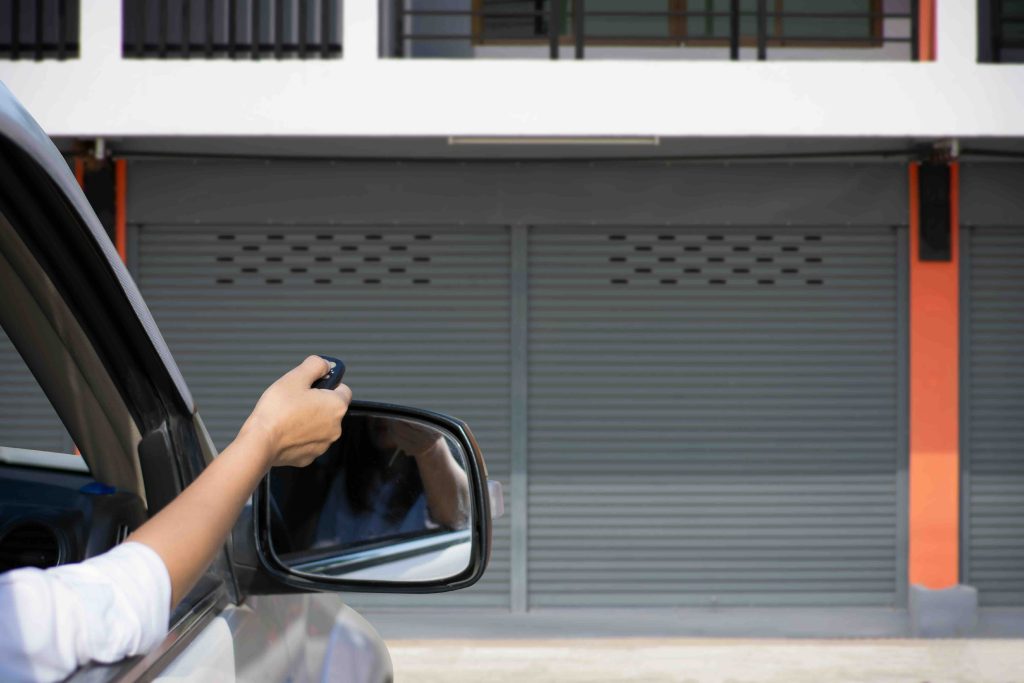
If you have ever stood in the rain fumbling for your keys just to get into your own garage, you already understand the appeal of keyless entry. The Chamberlain keyless entry garage door opener system is a wall-mounted or wireless numeric keypad that allows you to open and close your garage door using a personal identification number, no remote or key required. It sounds simple, and honestly, it kind of is. But there is a lot more going on under the surface that makes this a genuinely smart upgrade for most homeowners. And once you factor in the home warranty angle, the conversation gets even more practical.
How the Chamberlain Keyless Entry System Actually Works
The Chamberlain keyless entry system connects directly to your existing garage door opener unit through a wireless radio frequency signal. When you punch in your PIN on the exterior keypad, the device transmits an encrypted signal to the opener, triggering the motor to raise or lower the door. Most models in the Chamberlain lineup are compatible with their myQ ecosystem, which means you can also monitor and control access remotely through a smartphone app. The keypad itself is typically weather-resistant and designed to handle outdoor conditions reasonably well. Installation is usually a DIY-friendly process, though some homeowners prefer professional setup to ensure the wiring and frequency pairing are done correctly.
Key Features That Set Chamberlain Keyless Entry Apart
Not all keypads are created equal, and Chamberlain has built a reputation for reliability and integration. A few features worth knowing about include the following:
- Multiple PIN support, which lets different household members or trusted guests use their own unique codes
- Temporary access codes for service workers, dog walkers, or family visiting for the weekend
- myQ smart home integration, enabling remote monitoring and locking through a connected app
- Backlit keypad for nighttime visibility without needing to hunt around in the dark
- Battery-powered wireless options that require no direct wiring to the opener unit
These features position Chamberlain as more than just a convenience product. It functions as a basic access management tool for your home’s entry point, which is actually pretty significant when you think about how often that garage door gets used each day.
The Real Advantages of Going Keyless at the Garage
Let’s be straightforward about why homeowners actually make this switch. Convenience is the obvious one. No more fumbling for a remote buried in the center console, no more worrying about a lost clicker, and no more hiding a spare key under a flowerpot where anyone could find it. The Chamberlain keyless entry system also improves security in a meaningful way. Rolling code technology changes the transmitted code with each use, making it significantly harder for anyone to capture and replay a signal to gain unauthorized access. For families with kids who come home from school before the parents arrive, having a keypad code is a practical solution that does not require handing out physical keys or remotes that can easily be lost.
Common Drawbacks and Limitations to Be Aware Of
No product is perfect, and Chamberlain keyless entry systems come with their own set of considerations. Weather can be a real factor over time. Even with a weather-resistant casing, extended exposure to harsh temperatures and moisture can degrade the keypad buttons or internal components faster than expected. Battery life is another thing to keep track of since a dead battery at the wrong moment means no entry, which can catch homeowners off guard. Some users also report connectivity issues with the myQ integration, particularly when router changes or firmware updates disrupt the smart home pairing. And if the main garage door opener itself fails, the keypad becomes irrelevant regardless of how well it functions on its own.

Installation Tips for Homeowners Doing It Themselves
Installing a Chamberlain keyless entry keypad is manageable for most handy homeowners, but a few tips can save you from a frustrating afternoon. First, check compatibility before purchasing. Not every Chamberlain keypad pairs with every opener model, so verify the model number on your existing unit and cross-reference it with Chamberlain’s compatibility guide. Mount the keypad at a height that is accessible to all household members, including children if applicable. During the programming sequence, have the opener manual nearby since the pairing process varies slightly between models. Use fresh batteries from the start rather than whatever is rolling around in your junk drawer. Finally, test the unit multiple times before fully closing up the installation to confirm the signal is strong and consistent.
How the Garage Door Opener System Connects to Home Warranty Coverage
This is where things get genuinely useful for homeowners thinking long-term. A garage door opener, including the motor unit, wiring, and internal components, is often covered under home warranty plans as part of a broader systems coverage category. The keypad itself may or may not be included depending on the specific plan terms, so reading the fine print matters. What home warranty coverage does well in this context is protect you from the cost of repairing or replacing the opener motor or internal mechanisms when they fail due to normal wear and tear. Because the keyless entry system depends entirely on the opener functioning correctly, protecting the opener is effectively protecting your entire access setup. Repair calls for garage door openers can range from modest to surprisingly expensive depending on the issue, and a home warranty can absorb a significant portion of that cost.
Maintenance Habits That Keep the System Running Longer
Routine maintenance extends the life of both the keypad and the opener it connects to. A few habits that actually make a difference include the following:
- Replacing the keypad batteries annually, even if they still appear to be functioning
- Cleaning the keypad surface with a dry cloth to prevent grime buildup that can affect button responsiveness
- Lubricating the garage door tracks, rollers, and hinges every six months to reduce strain on the opener motor
- Testing the auto-reverse safety function on the opener monthly to ensure it responds correctly
- Checking the keypad mounting screws periodically since vibration from door operation can loosen them over time
These are small investments of time that genuinely delay the need for repairs or replacements, which is always the goal when managing a home budget responsibly.
Is a Chamberlain Keyless Entry System Worth It for Your Home?
For most homeowners, the answer is yes without much hesitation. The cost of entry is relatively low, the installation is manageable, and the day-to-day convenience is immediate and noticeable. It adds a layer of access control that a standard remote cannot match, particularly for households with multiple occupants or frequent need for temporary access. Where homeowners sometimes underestimate the investment is in the long-term picture. The system is only as reliable as the opener it works with, and that opener is a mechanical system with a finite lifespan. Planning for that reality is just as important as enjoying the convenience today.
How Armadillo Helps Protect the Systems Your Keyless Entry Depends On
Here is the honest truth: a smart keypad on the outside of your garage is only as useful as the system it connects to on the inside. When that opener motor burns out, a circuit board fails, or wiring gives up after years of reliable service, the repair cost can arrive at the worst possible time. That is exactly the kind of scenario home warranty coverage for garage door openers and essential home systems is designed to address. Armadillo makes it straightforward to get protection in place without the usual headaches of complicated plan language or surprise exclusions. If you are ready to stop absorbing unexpected repair bills and start feeling genuinely covered, you can get a free home warranty quote that includes garage door opener protection in just a few minutes. Protecting what makes your home run smoothly is not a luxury, it is just good planning.
Frequently Asked Questions About Chamberlain Keyless Entry and Home Protection
Here are answers to the questions homeowners ask most often about Chamberlain keyless entry systems and how home warranty coverage applies to garage door systems.
Is the Chamberlain keyless entry keypad compatible with all garage door openers?
No, not all Chamberlain keypads are universally compatible. Most are designed specifically for Chamberlain, LiftMaster, and Craftsman brand openers. Always verify compatibility using your opener’s model number before purchasing a keypad.
How many PIN codes can the Chamberlain keypad store?
Most Chamberlain keyless entry models support multiple access codes, typically between two and ten depending on the specific product. This allows different household members or trusted individuals to have their own unique codes.
What happens if I forget my PIN?
You will need to reset the keypad and reprogram a new code. The reset process varies by model but generally involves holding a specific button combination while entering a new sequence. The manual or Chamberlain’s support resources will walk you through the steps.
Can I use the Chamberlain keypad without the myQ app?
Yes. The physical keypad operates independently of the myQ app. The app is an optional enhancement for remote monitoring and control. The keypad will function normally using just the PIN entry system without any app connection.
Does a home warranty cover the Chamberlain keyless entry keypad itself?
Coverage varies by provider and plan. Most home warranties cover the garage door opener motor and primary mechanical components. The keypad as a peripheral accessory may or may not be included, so reviewing your specific plan terms is essential.
How long do batteries typically last in a Chamberlain keypad?
Under normal use, batteries in a Chamberlain keypad typically last anywhere from one to two years. High-traffic usage and extreme temperatures can shorten that range, so annual replacement is a reasonable maintenance habit regardless of performance.
Is it safe to give temporary access codes to service workers or contractors?
Yes, and it is one of the more practical features of the system. Temporary codes can be programmed and later deleted once access is no longer needed. This is far more secure than leaving a physical key or remote with someone outside the household.
What should I do if the keypad stops responding even with fresh batteries?
Start by cleaning the keypad surface and checking for any physical damage. If the unit appears fine externally, reset it and attempt to reprogram the connection. If the problem persists, the keypad or the receiver on the opener may need to be replaced.
Does extreme cold or heat affect how the keypad performs?
Yes. Very cold temperatures can slow battery performance and cause the buttons to feel sluggish. Prolonged heat exposure can degrade the plastic housing and internal components. Chamberlain keypads are weather-resistant but not fully immune to extreme climate conditions over time.
How does a home warranty help when the entire garage door opener system fails?
A home warranty that includes garage door opener coverage typically pays for the diagnosis, repair, or replacement of the motor unit and covered mechanical components when they fail due to normal wear and tear. This protects homeowners from absorbing the full out-of-pocket cost of an unexpected system failure.