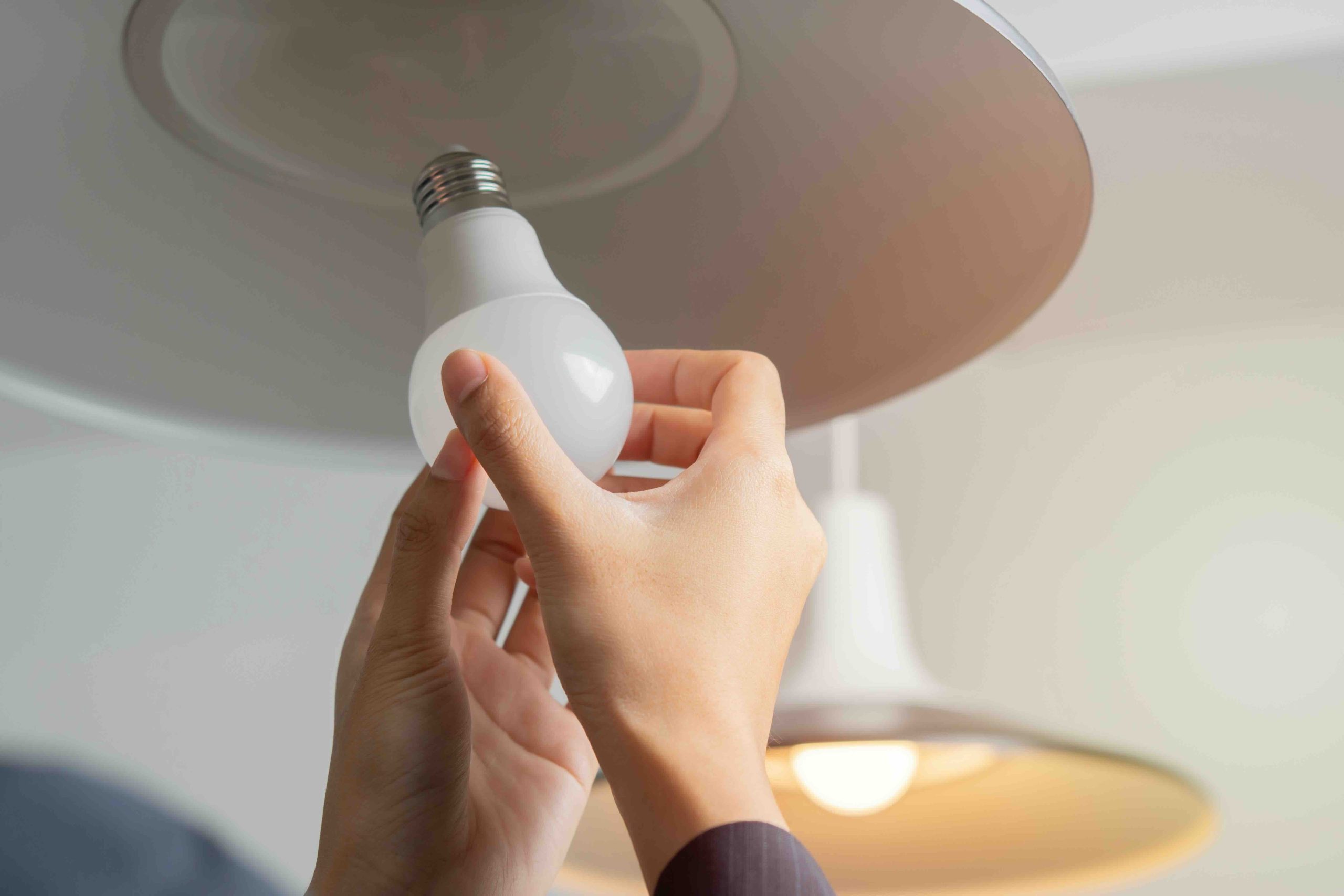
What Is a Light Bulb Socket and Why Does It Matter in Your Home?
Most homeowners walk past light fixtures dozens of times a day without giving them a second thought. Flip the switch, the light comes on, life moves forward. But tucked inside every lamp, ceiling fixture, and recessed can is a component that actually makes all of that possible: the bulb socket. It is the interface between your home’s electrical system and the light bulb itself, and when it starts to fail, things can go from mildly inconvenient to genuinely hazardous in a short amount of time. Understanding how bulb sockets work, what causes them to wear out, and when to replace them is practical knowledge every homeowner should have.
How a Light Bulb Socket Actually Works
A bulb socket, sometimes called a lamp socket or lampholder, is a housing that holds a light bulb in place and delivers electrical current to it. The socket contains two electrical contacts: one that connects to the hot wire carrying current and one that connects to the neutral wire completing the circuit. When a bulb is inserted and the switch is activated, current flows through the socket contacts, into the bulb’s base, and through the filament or LED components that produce light. Most residential sockets are designed around standard base sizes, with the medium Edison screw base being the most common in American homes. The socket also includes a shell, a ceramic or plastic insulating cap, and an internal contact tab that can compress over time, which is one of the leading causes of a flickering or completely non-functional light.
Common Types of Bulb Sockets Found in Homes
Not all sockets are created equal, and knowing the difference helps when it is time to replace or upgrade a fixture. Here are the most common types found in residential settings:
- Medium base (E26): The standard size used in most table lamps, floor lamps, and ceiling fixtures across American homes.
- Candelabra base (E12): A smaller socket typically found in chandeliers, sconces, and decorative fixtures.
- Mogul base (E39): A larger socket used in high-wattage fixtures, often in garage or utility settings.
- GU24 and pin-base sockets: Found in compact fluorescent and some LED fixtures, designed to prevent the use of incandescent bulbs.
- Recessed can sockets: Built into ceiling housings and designed for specific trim and bulb combinations.
Knowing what type of socket your fixture uses before heading to the hardware store saves a lot of backtracking.
Signs That a Bulb Socket Needs to Be Replaced
Sockets do not last forever. They degrade from heat exposure, electrical arcing, corrosion, and general wear. A bulb that flickers even after being replaced is one of the clearest signs the socket itself is the problem. Other indicators include visible burn marks or discoloration inside the socket, a burning smell near a fixture, a bulb that feels loose even when fully seated, or a light that simply refuses to work despite a functional bulb and a working circuit. In older homes, sockets may also carry outdated wattage ratings that are incompatible with modern bulbs. Any of these symptoms warrants attention sooner rather than later.

How to Change a Bulb Socket Safely
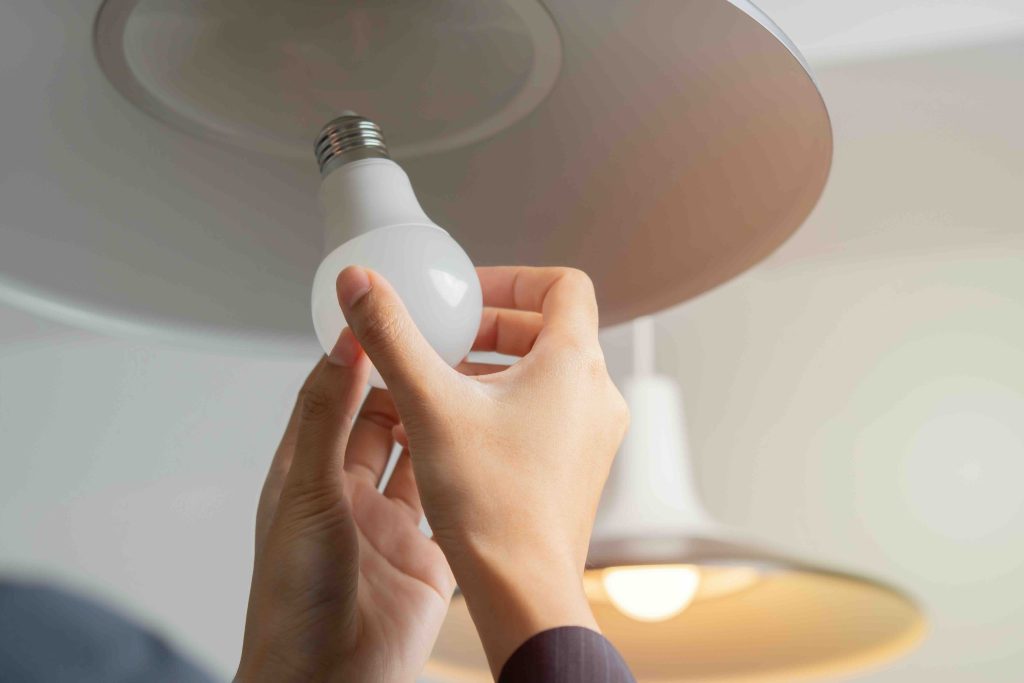
Replacing a bulb socket is a manageable DIY project for most homeowners, provided the proper precautions are taken. The first and most important step is cutting power to the fixture at the circuit breaker, not just at the wall switch. Wall switches only interrupt the hot wire in most wiring configurations, leaving the neutral still energized in some cases. Once power is confirmed off using a non-contact voltage tester, the fixture can be disassembled, the old socket removed, and the new one wired in its place. Sockets typically connect to two wires: a black hot wire and a white neutral wire. These connect to labeled terminals inside the socket housing. The entire process often takes less than thirty minutes, and replacement sockets are widely available at hardware stores for just a few dollars.
Key Advantages of Replacing a Faulty Bulb Socket
There are real, tangible benefits to addressing a worn socket rather than ignoring it. A properly functioning socket ensures stable electrical contact, which reduces the risk of arcing that can cause heat buildup and, in worst cases, electrical fires. Replacing an old socket also allows homeowners to upgrade to one rated for higher or lower wattages depending on the bulbs they prefer to use. Modern sockets are also better insulated and more heat-resistant than those manufactured decades ago. For anyone switching to LED bulbs, a clean, undamaged socket ensures the bulb makes full contact and operates efficiently. The cost savings from a reliable socket are modest but consistent, since poor contact causes bulbs to burn out faster and draws slightly more power during operation.
Common Drawbacks and Limitations to Know
Socket replacement is not always a simple task, and there are some legitimate limitations to keep in mind. Fixtures with proprietary or unusual socket configurations may require sourcing replacement parts that are not stocked at standard retail stores. Some integrated fixtures, particularly certain recessed lighting systems and modern designer fixtures, are designed with non-replaceable sockets, meaning the entire fixture must be swapped out if the socket fails. Older homes with aluminum wiring require extra caution, since aluminum-to-copper connections at socket terminals can loosen over time and need specific connectors to remain safe. And while DIY replacement is practical for most standard fixtures, any socket that involves complicated wiring, a panel-adjacent junction, or signs of significant burn damage should be handled by a licensed electrician.
When to Call a Professional Electrician
Knowing the boundary between a homeowner-friendly repair and a job for a licensed professional is important. If the socket replacement involves working inside a wall junction box, if there are multiple wires present that are not clearly labeled, or if the fixture is wired in a daisy-chain configuration with other lights on the circuit, it is worth calling in an expert. Signs of repeated electrical issues in the same fixture, such as multiple bulbs burning out quickly or a socket that has failed more than once, can point to deeper wiring problems that a socket swap will not fix. Electrical issues that present with tripped breakers or flickering across multiple fixtures simultaneously are circuit-level problems that need professional diagnostics.
Bulb Socket Maintenance Tips for Long-Term Performance
Maintenance on a bulb socket is minimal, but a few habits go a long way toward extending the life of your fixtures and avoiding unexpected failures. Always match the wattage of the replacement bulb to the rating printed inside the socket or on the fixture label. Exceeding the rated wattage is one of the primary causes of socket degradation and is a fire risk. When a bulb burns out, allow the socket to cool before reaching in to unscrew it. Heat-softened contacts can deform under pressure. Periodically inspecting visible sockets in lamps and open fixtures for discoloration or corrosion takes only seconds and can flag a developing problem before it becomes a safety issue. Switching to LED bulbs where possible also extends socket life significantly, since LEDs run much cooler than incandescent or halogen equivalents.
How a Home Warranty Can Help When Electrical Components Fail
Light bulb sockets may seem minor on their own, but they are part of a larger electrical system that can produce costly repair bills when things go wrong. That is where having reliable home warranty coverage makes a real difference. Armadillo home warranty plans for electrical system protection are designed to give homeowners straightforward, honest coverage for the systems they depend on every day. When a socket failure points to a larger wiring issue, or when an electrician visit reveals problems that go beyond a simple part swap, coverage can mean the difference between a manageable situation and an unexpected expense. Armadillo keeps things simple and transparent, so homeowners always know what is covered before something breaks. If you want to stop guessing and start feeling genuinely prepared, get a free home warranty quote for electrical and home system coverage and see exactly what protection looks like for your specific home.

Frequently Asked Questions About Bulb Sockets and Home Electrical Systems
These are some of the most common questions homeowners ask when dealing with bulb socket issues, fixture repairs, and related electrical concerns.
What causes a light bulb socket to stop working?
The most common causes include a compressed or corroded contact tab inside the socket, heat damage from oversized bulbs, loose wiring connections, or general wear from years of use. A socket can also fail if moisture has entered the fixture housing.
Can I replace a bulb socket myself, or do I need an electrician?
Most standard socket replacements in table lamps and ceiling fixtures are straightforward DIY repairs. However, if the fixture is hardwired into the wall, shows signs of burn damage, or involves unfamiliar wiring configurations, hiring a licensed electrician is the safer choice.
How do I know what size socket my light fixture uses?
The socket base size is usually printed on a label inside the fixture or stamped into the socket itself. The most common residential size is the E26 medium base. If the label is missing, comparing the existing bulb base to a size reference chart is a reliable method.
Is a flickering light always a sign of a bad socket?
Not always. Flickering can also result from a loose bulb, a faulty wall switch, a dimmer incompatible with LED bulbs, or a problem at the circuit level. If replacing the bulb and reseating it firmly does not resolve the issue, the socket is the next thing to inspect.
What happens if I use a bulb with too high a wattage in a socket?
Exceeding the rated wattage generates more heat than the socket is designed to handle. This can melt the socket’s internal insulation, deform the contact tab, char the wiring, and in serious cases, create conditions that lead to an electrical fire.
Do LED bulbs wear out sockets faster than incandescent bulbs?
No, actually the opposite is true. LED bulbs run significantly cooler than incandescent or halogen bulbs, which reduces thermal stress on the socket over time. Switching to LEDs is one of the simplest ways to extend the life of your fixtures.
Are bulb socket repairs covered by a home warranty?
Coverage varies by provider and plan. Many home warranty plans cover electrical systems, which can include wiring, panels, and connected components. Reviewing the terms of your specific plan or speaking with your provider is the best way to confirm what is included.
How long does a typical light bulb socket last?
A well-maintained socket in a standard fixture can last many years, often the lifetime of the fixture itself. Sockets in high-use fixtures or those that have been exposed to excessive heat, moisture, or oversized bulbs tend to wear out more quickly.
What should I do if I see burn marks inside a light socket?
Stop using the fixture immediately and cut power to it at the breaker. Burn marks indicate arcing or overheating has already occurred, which is a fire hazard. The socket, and potentially the wiring connected to it, should be inspected and replaced by a qualified electrician before the fixture is used again.
Can a bad bulb socket cause other electrical problems in my home?
In most cases, a failing socket affects only that fixture. However, if the socket is part of a circuit with shared wiring and the damage is severe enough to affect the neutral or hot wire feeding it, other fixtures or outlets on the same circuit could potentially be impacted. Repeated issues in one area are worth having a professional evaluate.