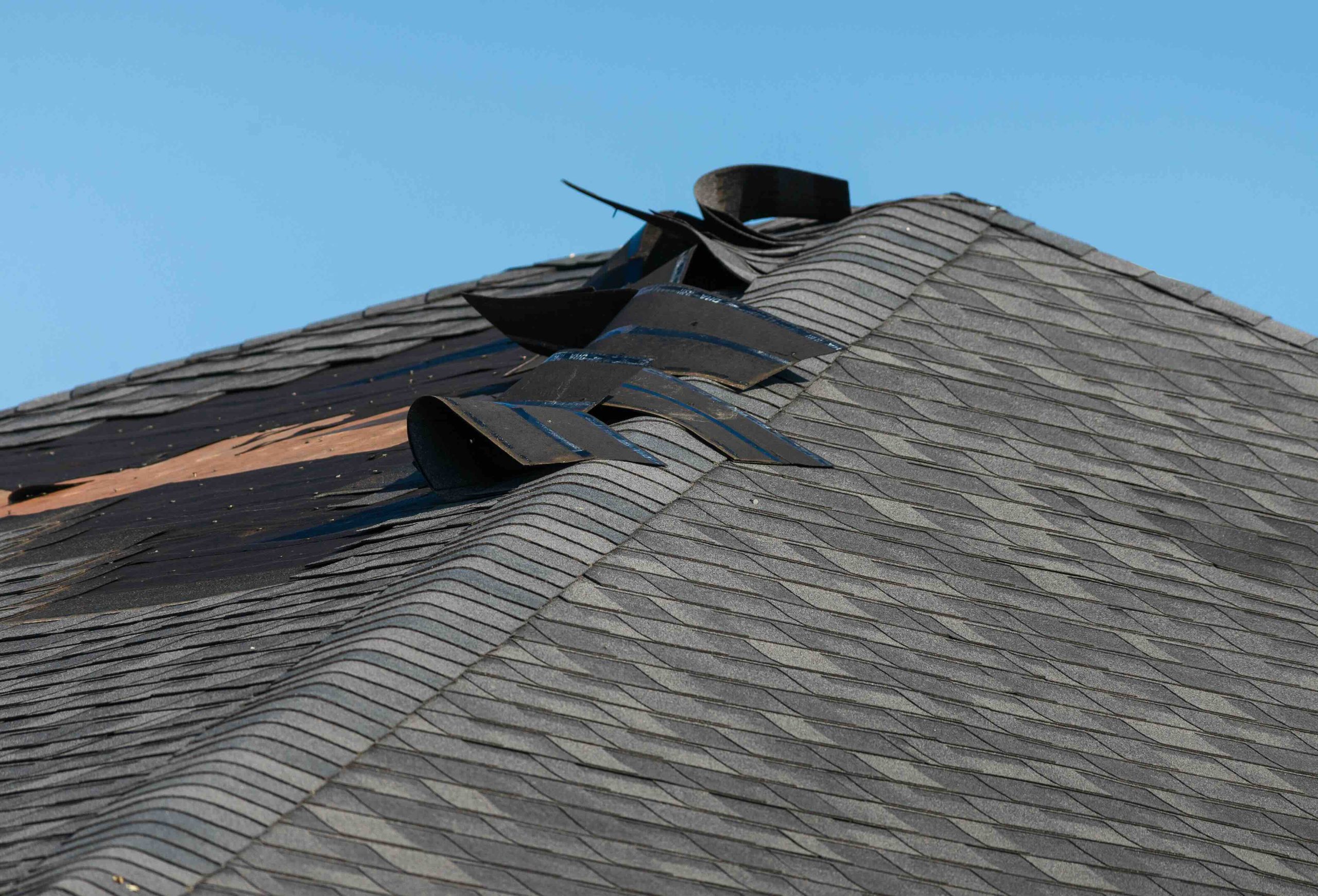
What Is Roof Damage and Why Should Every Homeowner Pay Attention to It
Your roof is doing a lot of quiet, thankless work every single day. It keeps rain out, holds insulation in, and basically stands between your family and the elements. So when something goes wrong up there, it tends to go wrong fast, and the costs can stack up quickly. Roof damage is one of the most common and most misunderstood home issues homeowners face, and understanding what it actually is, how it happens, and what to do about it can save you thousands of dollars and a whole lot of stress. This article breaks it all down in plain language so you can make smart decisions before a small problem becomes a major repair bill.
The Different Types of Roof Damage You Might Encounter
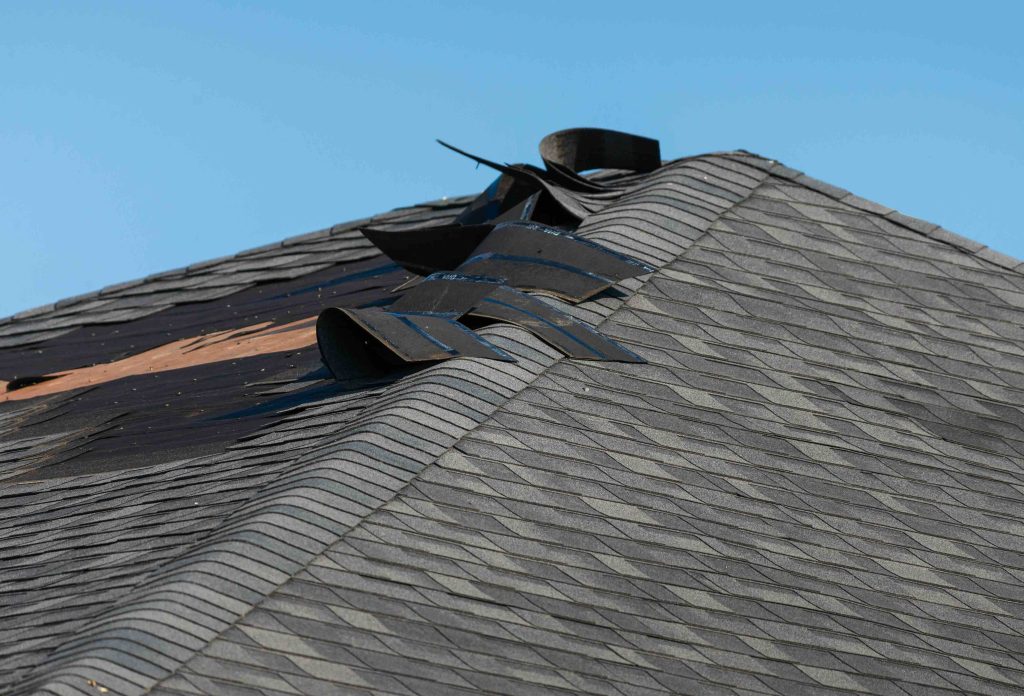
Not all roof damage looks the same, and that is part of what makes it tricky to assess without knowing what to look for. Wind damage tends to show up as lifted or missing shingles, which can expose the underlayment and decking beneath to moisture. Hail damage is more subtle, often leaving behind soft spots or bruising on asphalt shingles that do not look like much from the ground but significantly reduce the roof’s ability to shed water. Then there is granule loss, which happens gradually over time as shingles age and the protective coating wears away. Water infiltration, flashing failures around chimneys and vents, and tree limb impacts round out the most common categories. Each one has different implications for how urgently you need to act.
How Roof Damage Actually Happens Over Time
It is tempting to think of roof damage as something that only happens during a dramatic storm, but the reality is more gradual. Thermal cycling, which is the repeated expansion and contraction of roofing materials as temperatures rise and fall, weakens shingles and sealants over years of use. UV exposure breaks down organic compounds in roofing materials. Moss and algae growth can lift shingles and trap moisture against the decking. Poor attic ventilation is another major culprit, because heat and humidity build up underneath the roof and accelerate deterioration from the inside out. By the time most homeowners notice something is wrong, the damage has often been developing for a year or more.

Warning Signs That Your Roof May Be Compromised
You do not need to be a roofing contractor to spot the early indicators of a problem. Some signs are visible from the ground or from inside your attic, and knowing what to look for puts you ahead of most homeowners. Keep an eye out for the following:
- Missing, cracked, or curling shingles on the roof surface
- Dark staining or streaks on the ceiling inside your home
- Granules from shingles collecting in your gutters
- Sagging areas on the roofline, which can indicate structural issues
- Daylight visible through the roof boards when you look up from the attic
- Persistent musty smells in upper-level rooms or the attic space
These signs do not always mean you need a full replacement, but they do mean you need a professional assessment sooner rather than later. Delaying that call is one of the most expensive decisions a homeowner can make.
The True Cost of Roof Damage Repairs and Replacement
Here is where things get real. Minor repairs, like patching a few shingles or resealing flashing, might run a few hundred dollars. But a partial roof replacement can climb into the low thousands, and a full residential roof replacement typically ranges from six thousand to fifteen thousand dollars or more depending on materials, roof size, and regional labor rates. Architectural asphalt shingles are the most affordable option, while metal roofing, clay tiles, and synthetic materials carry much higher price tags but also longer lifespans. The important thing to understand is that repair costs are not static. A small leak ignored for six months can lead to decking rot, mold remediation, and interior structural repairs, turning a five-hundred-dollar fix into something significantly more damaging to your wallet.
What a Professional Roof Inspection Actually Covers
A thorough roof inspection is not just a contractor climbing up and glancing around for a few minutes. A qualified inspector will examine the shingles or roofing material for signs of wear and physical damage, check the flashing around all penetrations and transitions, assess the condition of the gutters and drainage system, evaluate the ridge and soffit ventilation, and look at the decking structure from inside the attic when accessible. Some inspectors use drone technology or infrared scanning to detect moisture intrusion that is invisible to the naked eye. Most reputable roofing contractors offer free inspections, and it is worth scheduling one every two to three years even when nothing looks wrong from the street.
Roof Damage and Homeowners Insurance: What Gets Covered and What Does Not
This is a question that trips up a lot of homeowners, and the answer depends heavily on your policy language and the cause of the damage. Most standard homeowners insurance policies will cover sudden and accidental damage from covered perils, which typically includes wind, hail, and falling objects like tree limbs. What they generally do not cover is damage resulting from deferred maintenance, age-related deterioration, or pre-existing conditions. Cosmetic damage may also be excluded under certain policy endorsements. It is worth reviewing your policy carefully and understanding your deductible before filing a claim, because a claim for minimal damage can sometimes do more harm than good if it raises your future premiums. Insurance adjusters also use different assessment criteria than roofing contractors, which can lead to disputes over scope of work.
Preventive Maintenance Tips That Can Extend Your Roof’s Life
A little routine attention goes a long way when it comes to protecting your roof investment. Most roofing professionals recommend these ongoing maintenance practices:
- Clear debris like leaves, branches, and dirt from the roof surface and gutters at least twice a year
- Trim overhanging tree limbs to reduce the risk of impact damage and limit moss growth
- Inspect and reseal any flashing around chimneys, skylights, and vents annually
- Check attic ventilation and insulation to prevent heat and moisture buildup
- Address any minor shingle damage promptly before water finds a way in
These tasks are manageable for most homeowners and do not require professional intervention. The ones involving roof access should be approached with care and, when in doubt, handed off to a professional to avoid injury.
Why Home Warranty Coverage Matters When Your Roof Needs Attention
Homeowners insurance handles sudden damage. But what about the systems and appliances inside your home that fail because of moisture intrusion or age? That is where a home warranty fills a critical gap. When a roof leak leads to a damaged HVAC unit, a failing water heater, or electrical issues, a comprehensive home warranty plan can cover the repair or replacement costs for those affected systems and appliances. Roof damage has a tendency to create cascading problems throughout a home, and having a warranty in place means you are not scrambling to cover multiple expensive repairs simultaneously out of pocket. For homeowners who want predictable home protection costs and peace of mind, pairing proper roof maintenance with a solid home warranty plan is one of the smartest strategies available.
If you are looking for home warranty coverage that actually makes sense for real homeowners dealing with real issues, Armadillo home warranty plans for roof-related system protection are worth a serious look. The coverage is designed to complement your homeowners insurance, not compete with it, so the gaps in your protection do not turn into financial surprises. When a roof issue triggers failures in your covered home systems, you want a warranty partner that responds clearly and quickly. Take two minutes and get a personalized home warranty quote to protect against roof damage fallout so you know exactly what you are covered for before something goes wrong.

Frequently Asked Questions About Roof Damage
Below are answers to some of the most common questions homeowners have when it comes to understanding, identifying, and managing roof damage.
How do I know if my roof has storm damage after a major weather event?
Look for missing or visibly displaced shingles, dents on metal flashing or gutters, granule accumulation in downspouts, and any interior ceiling staining. A professional inspection after significant storms is always recommended, as some damage is not visible from the ground.
How long does an asphalt shingle roof typically last?
Standard three-tab asphalt shingles have a lifespan of about 15 to 20 years. Architectural or dimensional shingles can last 25 to 30 years with proper maintenance. Climate, ventilation quality, and installation standards all affect actual longevity.
Can I repair roof damage myself or should I always hire a professional?
Minor tasks like clearing debris or applying roof sealant to small gaps are within reach for handy homeowners. Anything involving structural components, significant shingle replacement, or flashing repair should be handled by a licensed roofing contractor to ensure safety and code compliance.
Will my homeowners insurance cover roof replacement due to age?
Generally, no. Homeowners insurance covers sudden and accidental damage from covered perils. Wear and tear, age-related deterioration, and lack of maintenance are typically excluded. Some older roofs may also be subject to actual cash value settlements rather than full replacement cost coverage.
How often should I have my roof professionally inspected?
Most roofing experts recommend a professional inspection every two to three years under normal conditions, and immediately after any significant storm event. Annual inspections are advisable for older roofs or homes in high-wind or hail-prone regions.
What is the difference between roof repair and roof replacement?
Roof repair addresses localized damage, such as replacing a section of shingles or resealing flashing, without disturbing the rest of the roof system. Replacement involves removing and reinstalling the entire roofing system and is typically recommended when more than 30 percent of the roof is damaged or when the material has reached the end of its useful life.
Does a home warranty cover roof damage?
Most standard home warranty plans do not cover the roof structure itself, as that falls under homeowners insurance. However, home warranties do cover many of the systems and appliances inside your home that can be damaged as a secondary result of roof leaks, such as HVAC systems, electrical panels, and water heaters.
What roofing materials are most resistant to storm and hail damage?
Metal roofing, impact-resistant asphalt shingles with a Class 4 rating, and concrete or clay tiles tend to perform better in severe weather conditions. Impact-resistant shingles may also qualify you for a discount on your homeowners insurance premium in certain states.
How do I choose a reputable roofing contractor for damage assessment or repair?
Look for contractors who are licensed and insured in your state, carry manufacturer certifications for the products they install, have verifiable local references, and provide written estimates before work begins. Be cautious of storm chasers who appear door to door after weather events without a local business presence.
What happens if I ignore minor roof damage?
Minor damage left unaddressed almost always escalates. A small lifted shingle allows water infiltration that can saturate roof decking, promote mold growth, damage insulation, and eventually compromise interior ceilings, walls, and even structural framing. The repair cost typically multiplies significantly with each season the issue is left unresolved.