When Your Gas Water Heater Won’t Light: What It Means and What to Do
You turn on the hot water and wait. And wait. Then comes that sinking feeling when you realize the water is not warming up at all. A gas water heater that refuses to light is one of those household problems that sounds simple on the surface but can actually involve several different systems working together. Understanding why it happens, how a gas water heater actually functions, and what your home warranty may cover can save you time, money, and a whole lot of frustration.
How a Gas Water Heater Actually Works
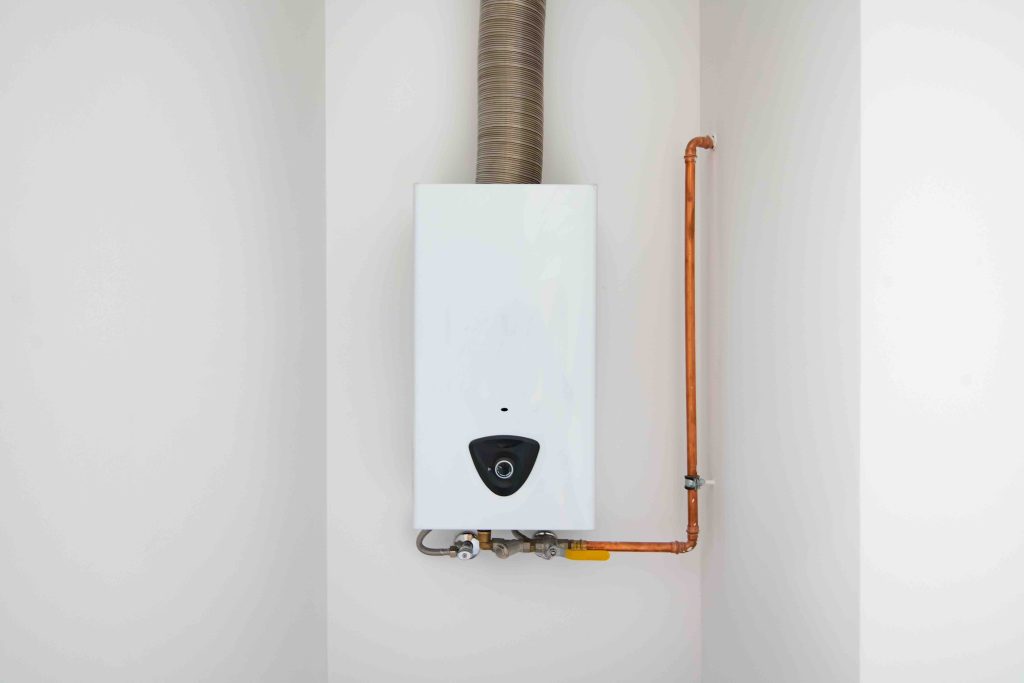
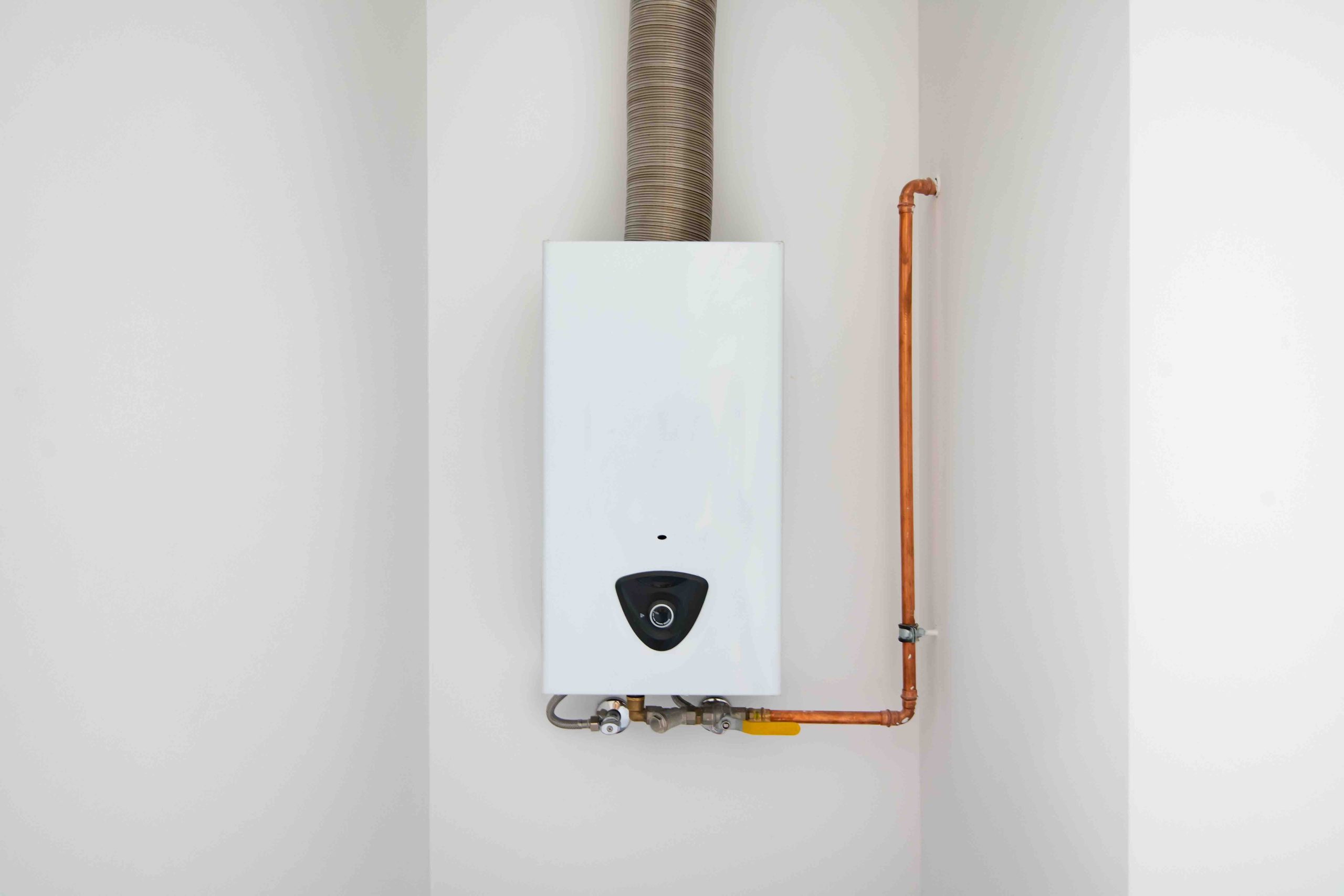
Before diving into why your unit will not ignite, it helps to understand the basics of how it operates. A gas water heater stores a set volume of water in an insulated tank and uses a gas burner at the base to heat it. When you open a hot water tap anywhere in the house, heated water exits the tank from the top while cold water enters from the bottom through a dip tube, triggering the heating cycle again. The ignition process is what kicks everything off. Older units rely on a standing pilot light, a small continuous flame that ignites the main burner when heat is needed. Newer models use electronic ignition systems that spark on demand, which is more energy-efficient but introduces its own set of failure points. Either way, if ignition fails, you have no hot water.
Common Reasons a Gas Water Heater Will Not Light
There is rarely just one reason a gas water heater refuses to ignite. The issue usually traces back to one of a handful of culprits, and identifying which one you are dealing with changes how you approach the fix. Here are some of the most frequent causes homeowners encounter:
- A faulty or dirty thermocouple that cannot properly detect the pilot flame
- A pilot light that has simply gone out due to a draft or pressure fluctuation
- A malfunctioning gas valve that is not releasing fuel to the burner
- A clogged pilot orifice that is restricting gas flow
- A failed electronic igniter or control board in newer models
- A gas supply issue, such as a shutoff valve that is partially closed
Some of these are quick, low-cost fixes. Others involve components that require a licensed technician and can get expensive fast. That distinction matters a lot when you are trying to figure out whether to handle it yourself or call for professional help.
The Thermocouple: The Part That Causes the Most Headaches
If there is one component that comes up again and again in gas water heater ignition failures, it is the thermocouple. This small but essential device is a safety sensor that detects whether the pilot light is actually burning. When it senses heat from the pilot flame, it sends a signal that keeps the gas valve open. If the thermocouple is dirty, bent out of position, or has simply worn out, it reads no flame even when one exists, and shuts the gas off as a precaution. Replacing a thermocouple is one of the more accessible repairs for a confident DIYer, but it still requires working around gas connections, which many homeowners rightfully prefer to leave to a professional. A thermocouple itself is an inexpensive part, but labor costs can push the total repair bill into the $150 to $300 range depending on your market and the technician.

Electronic Ignition Systems: More Efficient, More Complex
Modern gas water heaters have moved away from standing pilot lights in favor of electronic ignition, which only activates when hot water is actually needed. This saves energy, but it also means there are more electronic components that can fail. If your unit has an electronic ignition system and it is not lighting, you might be dealing with a faulty igniter module, a failed control board, or even a wiring issue. These repairs are less DIY-friendly than replacing a thermocouple and almost always require a licensed technician. Repair costs can range from $200 to $600 or more depending on the part and labor involved. When those costs start climbing, a home warranty suddenly looks a lot more appealing.
What Homeowners Can Safely Check First
Before calling anyone, there are a few things worth checking on your own. These steps do not require technical expertise and can save you a service call if the issue turns out to be minor.
- Confirm the gas supply valve behind or near the unit is fully open
- Check whether other gas appliances in the home are working normally
- Look at the water heater’s error codes if it has a digital display
- Read the reset instructions on the unit’s label and attempt a manual reset
- Make sure the area around the unit has adequate airflow and is free of obstructions
If none of those steps resolve the issue, it is time to bring in a professional. Working with gas lines without proper training is genuinely dangerous, and no amount of YouTube tutorials changes that risk.
The Real Cost of Gas Water Heater Repairs
Gas water heater repairs span a wide range. A thermocouple replacement might cost under $200. A gas valve replacement can run $300 to $600. A new control board on an electronic ignition system could push past $500 once parts and labor are factored in. And if the diagnosis reveals that the tank itself is compromised, you could be looking at a full replacement, which typically falls between $900 and $1,800 installed depending on unit size and local labor rates. For a system most homeowners do not think about until something goes wrong, those numbers can feel jarring. This is exactly why having a plan in place before a breakdown occurs makes a meaningful difference.
How Home Warranties Cover Gas Water Heater Failures
A home warranty is a service contract that covers the repair or replacement of major home systems and appliances when they fail due to normal wear and tear. Most comprehensive home warranty plans include gas water heaters, which means components like the thermocouple, gas valve, burner assembly, and ignition system are typically covered. When something fails, you contact your warranty provider, pay a service fee, and a qualified technician is dispatched to diagnose and repair the problem. The alternative is paying out of pocket, which, as outlined above, can add up quickly. It is worth reading the fine print of any warranty plan to understand what is and is not covered, since exclusions vary by provider.
Preventing Ignition Problems Before They Start
Maintenance is the unsexy but genuinely effective way to reduce how often your gas water heater causes problems. Flushing the tank annually to remove sediment buildup, checking the anode rod every few years, and keeping the area around the unit clean and ventilated all contribute to longer system life. Having a technician inspect the burner assembly and thermocouple periodically can catch wear before it becomes a failure. Most water heaters have a lifespan of 8 to 12 years. If yours is approaching that range and showing signs of ignition trouble, repair costs need to be weighed against replacement value.
Why Armadillo Is Worth Considering for Your Water Heater Coverage
When a gas water heater stops lighting, the last thing you want is to deal with a warranty company that makes the claims process feel like a second job. Armadillo was built specifically to take the friction out of home protection. As a trusted home warranty provider covering major systems including gas water heaters, Armadillo keeps things simple, transparent, and fast. No confusing exclusions buried in small print, no runaround when you need help most. If your ignition system fails or your thermocouple gives out, you want a plan that responds, not one that finds a reason to delay. You can get a free home warranty quote that includes water heater breakdown coverage in just a few minutes, which is a small investment of time that could save you hundreds of dollars when the next repair hits.

Frequently Asked Questions About Gas Water Heaters That Won’t Light
Why does my gas water heater keep going out?
A water heater that repeatedly loses its flame usually has a thermocouple problem. The thermocouple may be dirty, misaligned, or worn out, causing it to incorrectly signal that the pilot is not lit and shutting off the gas as a precaution.
Can I relight a gas water heater myself?
Yes, relighting a pilot light is something most homeowners can do safely by following the instructions printed on the unit’s label. However, if the pilot will not stay lit after several attempts, a professional should inspect the thermocouple and gas valve.
How long does a gas water heater last?
Most gas water heaters last between 8 and 12 years with regular maintenance. Units older than 10 years that are experiencing ignition issues are often better candidates for replacement than repeated repair.
What is a thermocouple and how do I know if it needs replacing?
A thermocouple is a safety sensor that detects the presence of the pilot flame and keeps the gas valve open. If your pilot light will not stay lit, the thermocouple is the most common cause and is typically the first component a technician will test.
Does a home warranty cover gas water heater repairs?
Most comprehensive home warranty plans cover gas water heater components including the thermocouple, burner, gas valve, and ignition system when they fail due to normal wear and tear. Coverage details vary by provider, so reviewing your specific plan is important.
How much does it cost to repair a gas water heater ignition system?
Repair costs depend on the specific component involved. A thermocouple replacement typically costs $150 to $300, while an electronic ignition module or control board can cost $300 to $600 or more including labor.
What should I check before calling a technician?
Before calling a professional, verify that the gas supply valve is fully open, check that other gas appliances are working, review any error codes on the unit, and attempt a manual reset using the instructions on the water heater’s label.
Is it dangerous if my gas water heater won’t light?
A water heater that will not light is not immediately dangerous as long as gas is not leaking. If you smell gas near the unit, leave the home immediately and contact your gas utility provider before attempting anything else.
When should I replace my gas water heater instead of repairing it?
If your water heater is more than 10 years old, has required multiple repairs in recent years, or faces a repair bill that exceeds 50 percent of the replacement cost, replacing the unit is usually the more financially sound decision.
Does regular maintenance prevent ignition problems?
Yes, annual maintenance that includes tank flushing, anode rod inspection, and burner cleaning significantly reduces the likelihood of ignition failures. Keeping the area around the unit clear and well-ventilated also helps the system operate reliably.