What Size Is a Standard Light Bulb? A Homeowner’s Complete Guide
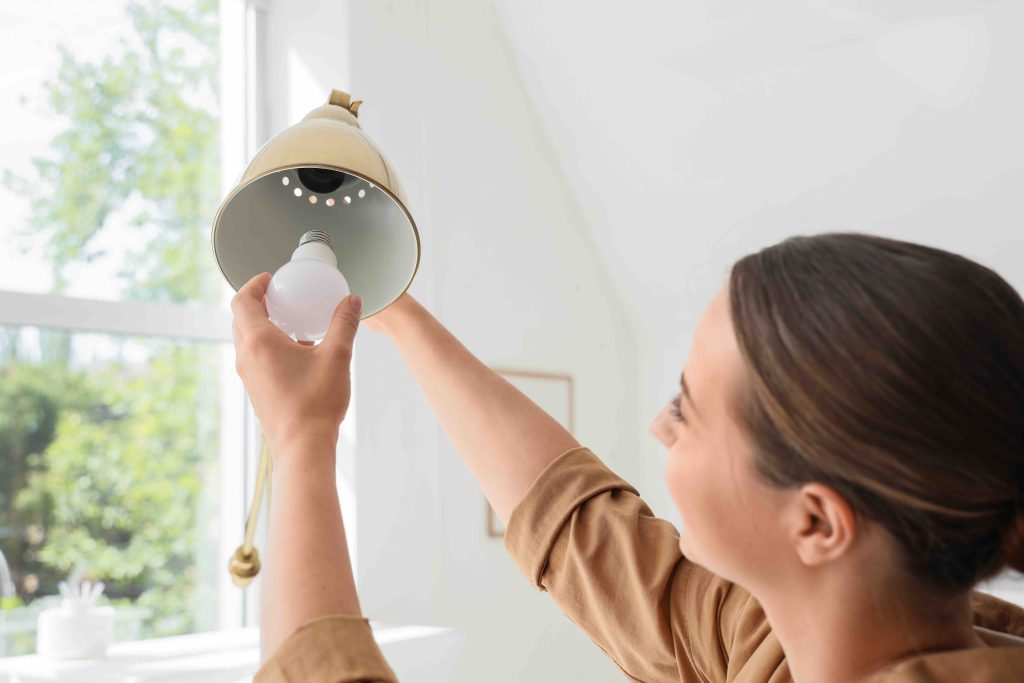
It seems like a simple question. You need a new light bulb, you pull out the old one, and suddenly you are standing in the hardware store aisle holding a burnt-out bulb, staring at dozens of options that all look slightly different. Light bulb sizing is one of those things that nobody really explains, and yet it affects almost every room in your home. Understanding bulb sizes, base types, and shapes can save you time, money, and the very specific frustration of buying the wrong thing twice. This guide breaks it all down in plain terms so you can shop with confidence.
Understanding the Standard Light Bulb Size System
Light bulbs are measured using a letter-number system that describes the shape and diameter of the bulb. The letter indicates the bulb’s shape, and the number represents the diameter in eighths of an inch. So when you see a bulb labeled A19, the “A” stands for Arbitrary (the classic pear shape most people picture when they think of a light bulb), and the “19” means the bulb is 19 eighths of an inch, or about 2.375 inches, in diameter. The A19 is, without question, the most common household bulb size in the United States. It fits the majority of standard lamps, ceiling fixtures, and wall sconces found in most homes. The A21 is slightly larger at 21 eighths of an inch in diameter and is often used in fixtures that need a higher wattage or lumen output. Both share the same E26 medium base, which is the standard screw-in base found in most residential fixtures.
Common Bulb Shapes and Where They Are Used
Beyond the classic A19, there are several other bulb shapes that appear regularly in a typical home. Knowing which shape belongs where helps you avoid mismatches that can affect both function and aesthetics.
- A-series (A15, A19, A21): General-purpose lighting, table lamps, floor lamps, ceiling fixtures
- BR-series (BR30, BR40): Recessed or can lighting, flood applications
- PAR-series (PAR20, PAR30, PAR38): Outdoor spotlights, track lighting, security lights
- G-series (G25, G30): Vanity lighting, decorative fixtures, bathroom mirrors
- Candelabra (B10, B11): Chandeliers, wall sconces, decorative ceiling fans
- T-series: Under-cabinet lighting, appliance bulbs, tubular fixtures
Each shape is engineered for specific lighting applications, and using the wrong shape in the wrong fixture can result in poor light distribution, overheating, or simply a bulb that does not fit at all. Always check the fixture’s maximum wattage rating and recommended bulb shape before purchasing.
Base Types Matter as Much as Bulb Size
The base is the part of the bulb that connects to the socket, and it is just as important as the bulb’s shape and diameter. The most common base in American homes is the E26, also called the medium base or standard base. The “E” stands for Edison, and the “26” refers to the base diameter in millimeters. Smaller fixtures, like chandeliers and decorative sconces, often use the E12 candelabra base. Some specialty fixtures use E17 intermediate bases or GU10 twist-lock bases, which are common in track lighting. Matching the base type is non-negotiable. A bulb with the wrong base simply will not fit, no matter how close the shape looks.

LED vs. Incandescent vs. CFL: Does Bulb Type Affect Size?
Bulb technology has changed significantly over the past two decades, but sizing conventions have largely stayed the same. An LED A19 bulb is designed to fit the same socket as an incandescent A19. That said, there are some subtle physical differences to be aware of. LED bulbs sometimes have slightly different neck shapes or heat sink components that can cause issues in enclosed fixtures or globes with tight tolerances. CFL bulbs, which are largely being phased out, were often bulkier than incandescent equivalents. Always check whether your fixture is rated for enclosed use if you are switching bulb types, since trapped heat can significantly shorten LED lifespan and void warranties on the bulb itself.
Why Recessed Lighting Bulb Size Gets Confusing
Recessed lighting is one of the areas where bulb sizing causes the most homeowner confusion. The BR30 is the most common recessed bulb in homes with 6-inch can fixtures, while the BR20 fits 4-inch cans. The PAR30 and PAR38 are used in both indoor track lighting and outdoor applications where a more focused, directional beam is needed. When shopping for recessed bulbs, you also need to consider beam angle, which affects how widely the light spreads across a room. A flood-style bulb (wider beam) works well in living areas, while a spot-style bulb (narrower beam) is better for accent or task lighting. Getting both the size and the beam angle right is the difference between a well-lit room and a room full of awkward shadows.
Key Advantages of Knowing Your Bulb Size
There are real, practical benefits to understanding bulb sizing beyond just buying the right replacement.
- You avoid returns and wasted trips to the hardware store
- You can confidently upgrade fixtures or change bulb types without guessing
- You save money by choosing the right lumen output for each space rather than overbought wattage
- You reduce fire risk by ensuring bulbs do not exceed a fixture’s rated wattage
- You get better, more intentional lighting throughout your home
Common Mistakes Homeowners Make with Light Bulb Sizing
Even well-intentioned homeowners make predictable errors when it comes to bulb selection. Installing a bulb with too high a wattage for a fixture is one of the most common and potentially dangerous mistakes. Fixtures have maximum wattage ratings for a reason, and exceeding them creates excess heat that can damage the socket, melt wiring insulation, or in worst-case scenarios, start a fire. Another frequent mistake is buying based on wattage alone without considering lumen output, which is the actual measure of brightness. With LED bulbs, a 10-watt bulb can produce the same brightness as a 60-watt incandescent. Reading the lumen value, not just the wattage, gives you accurate brightness expectations.
How Lighting Connects to Your Home’s Electrical System
Lighting might seem low-stakes compared to major home systems like HVAC or plumbing, but it is directly tied to your home’s electrical infrastructure. Dimmer switches, for example, require dimmable-rated LED bulbs to function correctly. Installing a non-dimmable LED on a dimmer circuit can cause flickering, buzzing, or premature bulb failure. Smart bulbs add another layer of compatibility considerations, since some smart lighting systems require specific base types or are incompatible with certain switch configurations. When lighting issues escalate beyond simple bulb swaps and into the territory of tripped breakers, faulty sockets, or flickering that persists regardless of bulb type, those issues typically indicate an underlying electrical problem that warrants professional attention.
How a Home Warranty Can Protect Your Electrical System and Built-In Fixtures
Here is where things get practical in a bigger-picture sense. Light bulbs themselves are not covered by home warranties, and that makes sense since they are considered consumable items. But the systems that power your lighting absolutely can be. If a faulty electrical circuit is causing your lights to flicker, or a built-in fixture fails due to a covered electrical defect, a home warranty can step in to cover repair or replacement costs. For homeowners who want that kind of coverage, Armadillo home warranty plans built for modern homeowners offer straightforward coverage for the electrical systems that keep your home running. Whether you are navigating an unexpected electrical failure or trying to understand what your protection actually covers, you can get a personalized home warranty quote that covers your electrical system in just a few minutes. Armadillo keeps things transparent, so you know exactly what is covered before something goes wrong, not after.

Frequently Asked Questions About Light Bulb Sizes
Answers to the most common questions homeowners have about standard light bulb sizing, base types, and compatible replacements.
What is the most common light bulb size for home use?
The A19 is the most common household light bulb size in the United States. It measures 2.375 inches in diameter and uses an E26 medium base, fitting the majority of standard lamps, ceiling fixtures, and wall sconces.
What does the number in a light bulb size mean?
The number refers to the bulb’s maximum diameter measured in eighths of an inch. An A19 bulb, for example, is 19 divided by 8, which equals approximately 2.375 inches in diameter.
What is the difference between A19 and A21 bulbs?
Both share the same E26 medium base and general pear shape, but the A21 is slightly larger in diameter at 2.625 inches compared to the A19’s 2.375 inches. A21 bulbs are typically used in fixtures that accommodate higher wattage or lumen output.
What bulb fits a standard ceiling fan?
Most ceiling fans use A15 or candelabra-base B11 bulbs, depending on the fixture design. Always check the fixture’s documentation or the existing bulb for the correct size and base type before replacing.
What size bulb goes in a recessed can light?
A 6-inch recessed can typically uses a BR30 bulb, while a 4-inch can uses a BR20. PAR30 bulbs also fit 6-inch cans and are common in track lighting or directional applications.
Can I use an LED bulb in any fixture that previously used incandescent bulbs?
Generally yes, as long as the base type matches and the LED bulb is not installed in an enclosed fixture unless it is rated for enclosed use. Enclosed fixtures trap heat, which can significantly shorten LED bulb life.
What does E26 mean on a light bulb?
E26 refers to the Edison screw base with a 26-millimeter diameter. It is the standard medium base used in most residential light fixtures across North America.
Why does bulb size matter for dimmers?
Bulb size itself does not affect dimmer compatibility, but bulb type does. Dimmable LED bulbs must be specifically rated for use with dimmer switches. Non-dimmable LEDs on dimmer circuits can flicker, buzz, or fail prematurely.
Are light bulbs covered by a home warranty?
No, light bulbs are consumable items and are not covered by standard home warranty plans. However, the electrical systems and wiring that power your lighting may be covered under an electrical system warranty, depending on your plan.
How do I know what size bulb a fixture takes?
Check the existing bulb for its size code, which is printed on the glass or the base. You can also consult the fixture’s owner manual or look for a label inside the socket housing that lists the maximum wattage and recommended bulb type.