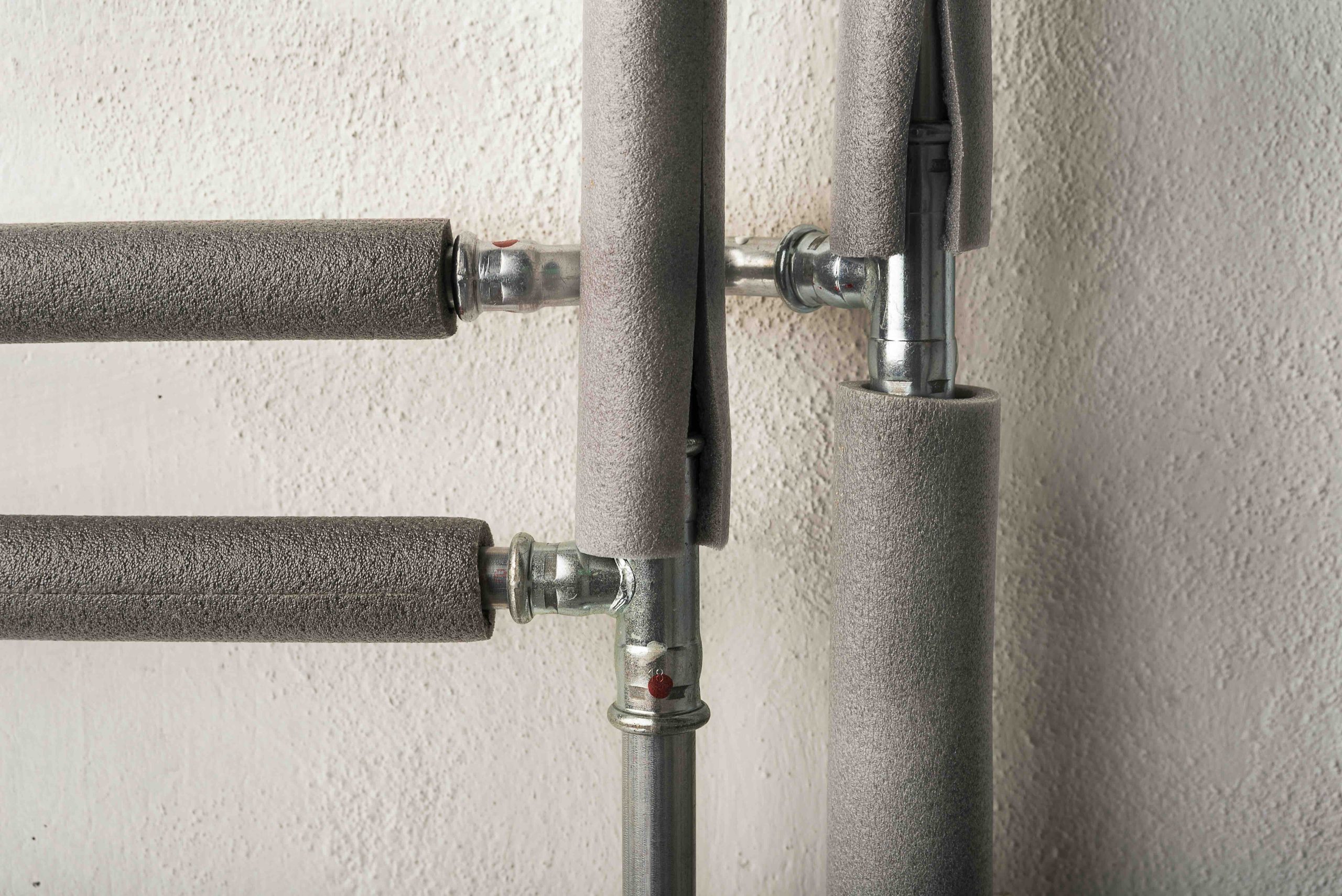
What Are Insulated Pipes and Why Does Your Home Need Them?
Most homeowners do not spend a lot of time thinking about the pipes running through their walls, crawl spaces, and attic. That is, until something goes wrong. Pipe insulation is one of those quiet, behind-the-scenes home improvements that does a significant amount of work without ever asking for recognition. It regulates temperature, reduces energy waste, prevents freezing, and protects your plumbing from conditions that could turn a minor inconvenience into a major repair bill. If you have never looked into pipe insulation before, this is a solid place to start.
How Pipe Insulation Actually Works
Pipe insulation works by creating a thermal barrier between the pipe’s surface and the surrounding air. When hot water travels through an uninsulated pipe, it loses heat rapidly to the cooler air around it, which means your water heater is working harder than it needs to just to get warm water to your faucet. Conversely, cold water pipes in warm or humid environments are prone to condensation, which leads to moisture buildup and eventual damage. The insulating material, whether it is foam, fiberglass, or rubber, slows down that heat exchange and keeps the pipe’s contents closer to their intended temperature for longer. It is a straightforward principle, but the results compound over time in meaningful ways.
The Different Types of Pipe Insulation Available
Not all pipe insulation is the same, and the right choice depends on your specific situation. Here is a breakdown of the most commonly used types:
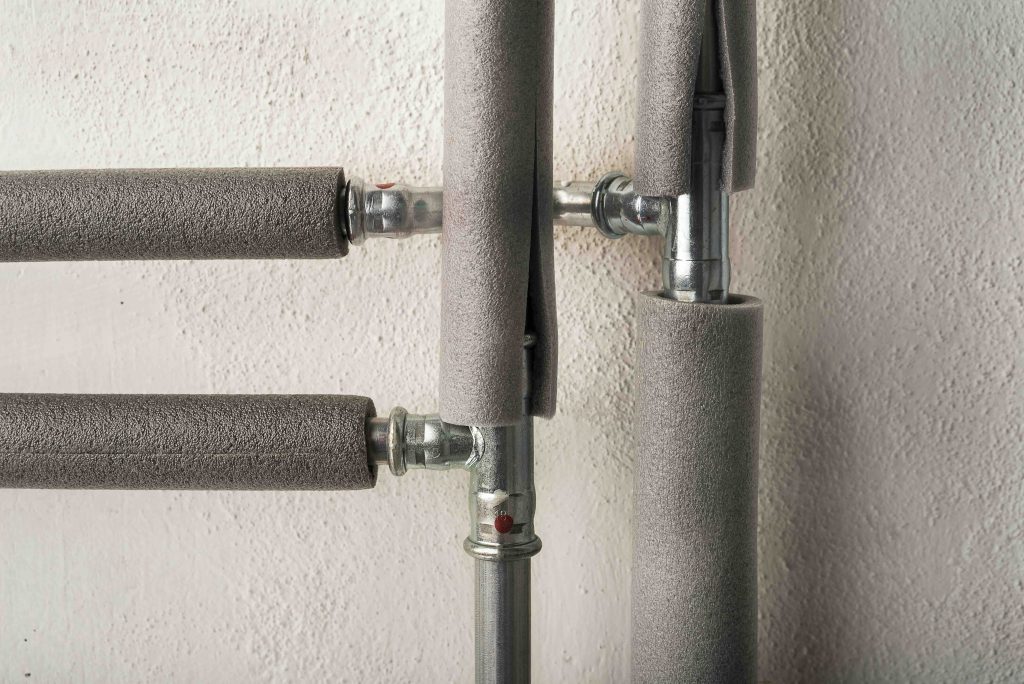
- Foam pipe insulation: The most widely used option for residential plumbing. It is affordable, easy to install, and works well for both hot and cold water pipes. It typically comes in pre-slit tubes that slide over the pipe.
- Fiberglass insulation: Better suited for high-temperature applications like steam pipes or pipes near a boiler. Requires careful handling due to the nature of the material.
- Rubber pipe insulation: More flexible and durable than foam, rubber insulation handles a wider temperature range and is often used in commercial settings but performs well in homes too.
- Polyethylene wrap: A budget-friendly option often used for outdoor or exposed pipes, especially in seasonal climates where freeze protection is the primary goal.
Knowing which type fits your home comes down to where the pipes are located, what they carry, and your climate. A plumber or energy auditor can help you make that call if you are unsure.
Key Benefits of Insulating Your Home’s Pipes
The advantages of pipe insulation go beyond just keeping water warm. When done correctly, it touches several areas of home performance at once. Energy efficiency is the big one. The Department of Energy has noted that insulating hot water pipes can raise water temperature by two to four degrees Fahrenheit compared to uninsulated pipes, which means you can lower your water heater’s thermostat setting and still get the same experience at the tap. That translates directly to lower utility bills. Beyond energy savings, insulation reduces the risk of pipe condensation, which is a leading contributor to mold growth in walls and under floors. It also provides a meaningful layer of freeze protection during cold snaps, which is especially important for pipes running through exterior walls, garages, or unheated basements. Quieter pipes are an underrated benefit too. Insulation dampens the sounds of water rushing through the system, which can be noticeable in older homes.
Common Drawbacks and Limitations to Know
Pipe insulation is not a cure-all. There are a few limitations worth understanding before you assume it solves every plumbing concern. First, insulation does not prevent freezing indefinitely. In extreme cold, pipes can still freeze if the temperature drops low enough for long enough, especially if there are gaps or missed sections in the insulation job. Second, insulation adds a small amount of bulk to pipes, which can occasionally make it harder to inspect or access connections behind walls. Third, improper installation can trap moisture against the pipe itself, which creates a different set of problems. Gaps, loose fittings, and uncovered sections all reduce effectiveness significantly. If you are going the DIY route, attention to detail matters more than you might expect.

Where Pipe Insulation Matters Most in Your Home
Certain areas of a home are more vulnerable than others, and prioritizing those spots will get you the best return on your investment. Pipes in unheated spaces are the highest priority. That includes attics, crawl spaces, garages, and exterior walls. These locations expose plumbing to the most dramatic temperature swings. Hot water pipes running from the water heater to frequently used fixtures are also worth insulating, since they lose the most heat in transit. If your home has a basement, check whether the pipes along exterior-facing walls are bare. Many older homes were built without any insulation on interior plumbing, and those are the ones that tend to cause problems when temperatures drop.
DIY vs. Professional Installation
Pipe insulation is one of the more accessible home improvement projects for a motivated homeowner. Foam sleeves are available at most hardware stores, cut easily with a utility knife, and snap right over standard pipe diameters. For straightforward runs of pipe in visible, accessible areas, a weekend afternoon is usually enough to get the job done. However, professional installation makes more sense when pipes are inside walls, in tight spaces, or connected to high-temperature systems like boilers. A licensed plumber will know how to handle those scenarios correctly, including how to seal joints and account for expansion and contraction. The cost of professional insulation work is typically modest and pays for itself in energy savings within a few years.
Practical Tips Before You Get Started
A few things worth knowing before you take on pipe insulation, whether as a DIY project or something you are hiring out:
- Measure your pipe diameter before purchasing insulation. Standard residential pipes are typically half an inch to one inch in diameter, but getting the right fit matters for effectiveness.
- Do not leave gaps. Any exposed section of pipe reduces the overall performance of the insulation and creates a potential weak point in cold weather.
- Check for existing damage first. Insulating over a corroded or leaking pipe will mask the problem and make it harder to detect later.
- Use the right insulation for the temperature range. Foam works for most residential applications, but high-heat pipes need something rated for the task.
- Consider a whole-home energy audit. An auditor can identify all the areas in your home where heat loss is occurring, including pipes you might not have thought about.
What This Means for Your Home Warranty Coverage
It is worth understanding how pipe insulation interacts with home warranty coverage. A home warranty typically covers the repair or replacement of plumbing systems when they fail due to normal wear and tear. However, damage caused by freezing, which can happen when pipes are uninsulated in vulnerable areas, may fall outside standard coverage depending on the plan. Proactive insulation is not just smart maintenance. It is also a way to reduce the likelihood of the kinds of failures that create warranty claim complications in the first place. Keeping your plumbing in good shape through preventive measures, like insulation, helps ensure that if something does go wrong, it is because of the system itself and not because of a preventable condition.
How Armadillo Helps Protect Your Plumbing and Peace of Mind
Properly insulated pipes go a long way toward protecting your plumbing, but even well-maintained systems wear out eventually. That is where having the right home warranty coverage becomes genuinely valuable. Armadillo is built for homeowners who take their homes seriously, and the protection plans are designed to cover the systems and appliances that matter most, including plumbing. If you are looking for reliable home warranty coverage that protects your plumbing and major home systems, Armadillo offers transparent plans without the fine print frustration that tends to follow other providers. When a pipe fails despite your best preventive efforts, you want a warranty that actually shows up. You can get a free home warranty quote for pipe and plumbing system protection in minutes and see exactly what your home would be covered for. Insulation handles the prevention side. Armadillo handles what prevention cannot always stop.

Frequently Asked Questions About Insulating Pipes at Home
Here are answers to the questions homeowners ask most often about pipe insulation, from the basics to the more specific concerns that come up during actual projects.
Does pipe insulation actually save money on energy bills?
Yes. Insulating hot water pipes reduces heat loss between the water heater and the faucet, allowing you to lower your water heater thermostat without sacrificing water temperature. The savings are modest per month but accumulate meaningfully over a year.
Can pipe insulation prevent pipes from freezing?
Insulation significantly reduces the risk of freezing by slowing the rate at which pipe temperature drops in cold conditions. It does not provide absolute freeze protection in extreme cold, but it gives your plumbing a much better chance of surviving a cold snap without bursting.
Is pipe insulation difficult to install yourself?
For accessible pipes in basements, crawl spaces, and attics, foam pipe insulation is a straightforward DIY project. Pipes inside walls or near high-temperature equipment are better handled by a licensed plumber.
What diameter foam insulation do I need for my pipes?
Most residential supply lines are either half-inch or three-quarter-inch in diameter. Drain pipes are often larger. Measure the outer diameter of the pipe before purchasing insulation to make sure the sleeve fits snugly without gaps.
How long does pipe insulation last?
Foam and rubber pipe insulation typically lasts ten to twenty years under normal conditions. Exposure to moisture, pests, or physical disturbance can shorten its lifespan, so periodic inspection is worth the effort.
Does home insurance cover frozen or burst pipes?
Most homeowner’s insurance policies cover sudden and accidental water damage from burst pipes. However, damage resulting from neglect or failure to maintain the home, such as leaving pipes uninsulated in known vulnerable areas, may not be covered.
Will a home warranty cover pipe repairs?
Many home warranty plans cover plumbing system failures caused by normal wear and tear. Coverage specifics vary by provider and plan, so it is important to review the terms carefully and understand what conditions are and are not included.
Should I insulate cold water pipes as well as hot water pipes?
Yes. Cold water pipes benefit from insulation in two key ways. Insulation prevents condensation on cold pipes in warm, humid environments, which reduces moisture damage and mold risk. It also provides freeze protection for cold supply lines in unheated spaces.
What is the best pipe insulation for an unheated crawl space?
Foam pipe insulation with a higher R-value is generally the best starting point for crawl spaces. If the space is particularly cold or damp, rubber insulation with a vapor barrier may offer better long-term performance.
Can I insulate pipes that are already inside my walls?
Insulating pipes already enclosed within walls is difficult without opening up the wall surface. In those cases, keeping the home adequately heated and addressing any air leaks in the wall cavity is typically the more practical approach to freeze protection.