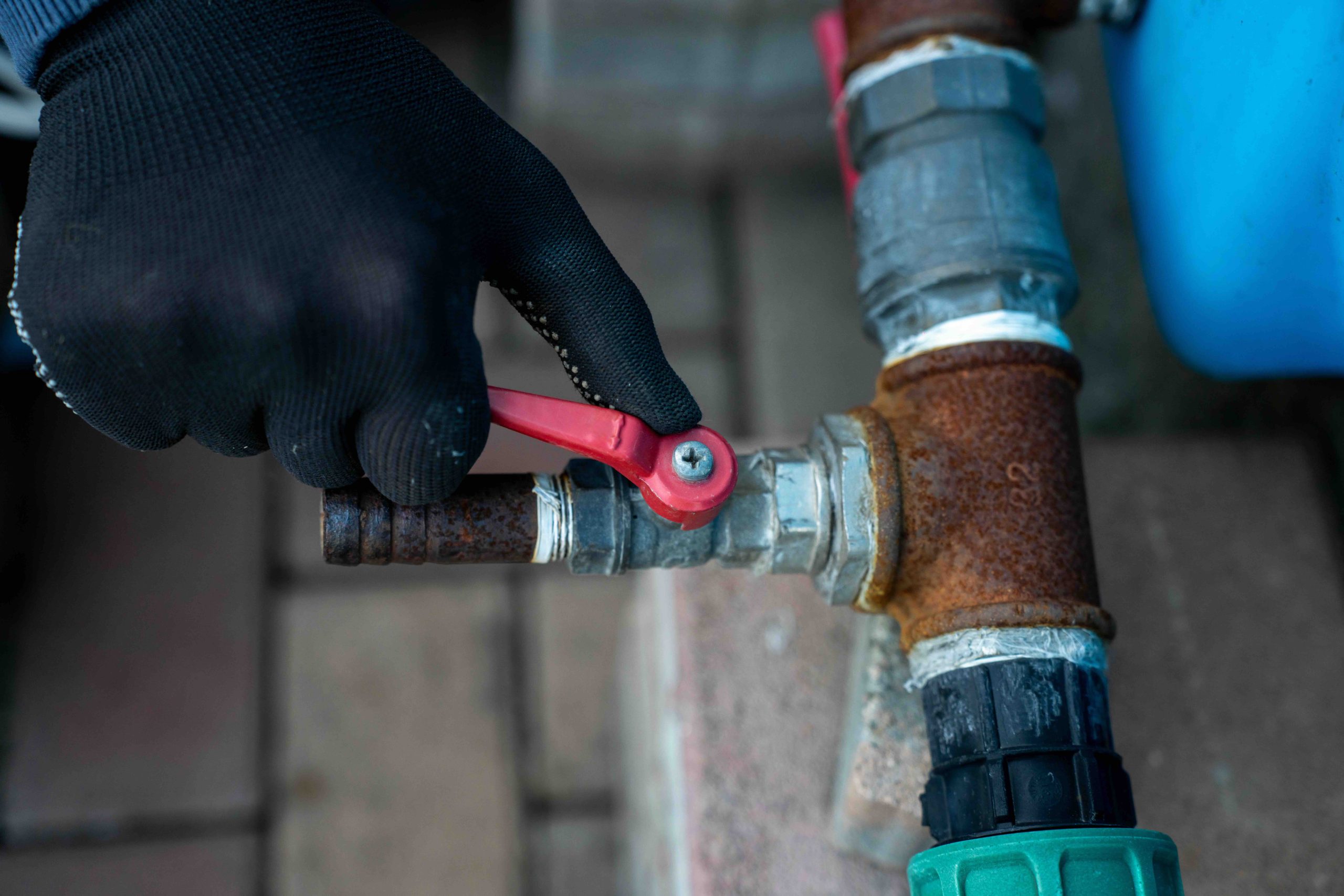
What Is a Corroded Pipe and Why Should Homeowners Take It Seriously?
Corrosion in home plumbing is one of those things that tends to sneak up on you. You are not thinking about it, life is busy, and then suddenly there is a stain on the ceiling or a drop in water pressure that makes you stop and ask what is going on behind your walls. Corroded pipes are a widespread issue in American homes, particularly in properties that are more than two or three decades old. When metal pipes degrade from the inside out, the consequences range from minor inconveniences to significant structural water damage. Understanding what pipe corrosion is, how it progresses, and what your repair options look like can save you thousands of dollars and a lot of frustration down the road.
How Pipe Corrosion Actually Happens Inside Your Home
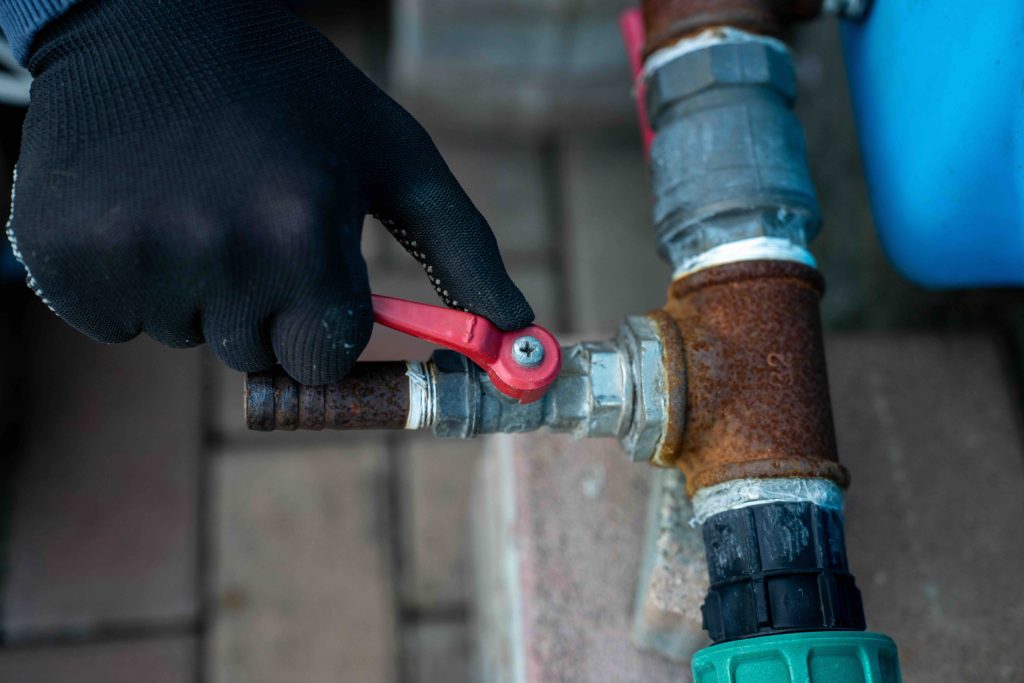
Corrosion is essentially a chemical reaction between the metal in your pipes and the water moving through them. Depending on the water chemistry in your area, the age of your pipes, and the type of metal used, this process can happen quickly or unfold slowly over many years. Homes built before the 1980s are especially prone to galvanized steel pipe corrosion, while older homes may even have cast iron or lead pipes still in service. Copper pipes are generally more resistant, but they are not immune. High acidity in water, elevated oxygen levels, and certain dissolved minerals all accelerate the breakdown of pipe walls. Over time, this results in rust buildup, pitting, pinhole leaks, and eventually full pipe failure. The frustrating part is that most of this deterioration is completely invisible until the damage has already become serious.
Signs That Your Pipes May Already Be Corroding
There are several warning signs homeowners should watch for, and recognizing them early makes a real difference in how manageable the repair process turns out to be. Some of the most common indicators include:
- Discolored water, especially with a red, brown, or yellowish tint coming from the tap
- A metallic or sulfur-like taste or odor in your water
- Unexplained drops in water pressure throughout the home
- Visible rust stains around drains, fixtures, or pipe fittings
- Frequent minor leaks or moisture appearing near walls and ceilings
- Visible green or white mineral buildup on exposed pipe surfaces
If you are noticing any combination of these symptoms, it is worth having a licensed plumber assess the situation before a small problem becomes a very large one.
Corroded Pipe Repair Options Explained in Plain Terms
When corrosion is confirmed, the repair path depends on how extensive the damage is. Localized corrosion affecting a single section of pipe can sometimes be addressed with spot repairs, where a plumber cuts out the damaged segment and replaces it with a new pipe section. This is the least invasive option and tends to be the most affordable. For more widespread corrosion, a full or partial repipe may be necessary, which involves replacing large portions of the plumbing system throughout the home. Another increasingly popular method is epoxy pipe lining, also called trenchless pipe repair, where a resin coating is applied to the inside of the existing pipe. This method seals small leaks and slows further corrosion without requiring walls to be opened up. Each approach has its place depending on the age of the system, the extent of corrosion, and your overall plumbing goals.

The Advantages of Addressing Corroded Pipes Promptly
Acting quickly on pipe corrosion carries meaningful benefits that go beyond just stopping an immediate leak. Repaired or replaced plumbing delivers cleaner, safer water to your household. It also stabilizes water pressure, reduces strain on water-using appliances like dishwashers and washing machines, and eliminates the slow ongoing damage that unchecked leaks cause to surrounding materials like drywall, insulation, and wood framing. There is also a home value angle worth considering. Buyers and home inspectors pay close attention to the condition of plumbing systems, and documented repairs or a modern repipe can make your home significantly more attractive on the market. Preventive intervention almost always costs less than emergency restoration after a major pipe failure.
Common Drawbacks and Challenges Homeowners Should Know About
Corroded pipe repair is rarely a simple or inexpensive undertaking. Depending on how extensive the corrosion is, labor and materials can add up fast. Traditional repipe projects in a mid-sized home can run anywhere from several thousand to tens of thousands of dollars, especially if wall access is required. Epoxy lining is less invasive but is not appropriate for every pipe diameter or corrosion type, and it does not add structural integrity to a pipe that has already thinned significantly. There is also the reality that diagnosing the full extent of corrosion requires inspection tools like cameras and pressure testing, which add to the upfront cost. Timing matters too. Repairs that drag on can temporarily disrupt water service in the home, which is genuinely inconvenient for families.
How to Slow Pipe Corrosion Before It Becomes a Bigger Problem
While you cannot stop aging metal from interacting with water, there are practical steps that slow the process considerably. Installing a whole-house water filtration system or water softener addresses the mineral content and pH imbalance that accelerates corrosion. Keeping your home’s water pressure within the recommended range, generally between 40 and 80 PSI, reduces the mechanical stress on pipe walls. Flushing sediment from water heaters annually also helps, since hot water systems tend to concentrate corrosive minerals. Having a plumber conduct a routine plumbing inspection every few years gives you a clear picture of where things stand before symptoms become emergencies. Small investments in maintenance consistently outperform reactive repairs when it comes to protecting your plumbing infrastructure.
What Home Warranties Actually Cover When It Comes to Plumbing
This is where a lot of homeowners get tripped up, and it is worth getting specific. A home warranty is a service contract that covers the repair or replacement of major home systems and appliances that fail due to normal wear and tear. Plumbing systems are typically included in comprehensive home warranty plans, and coverage often extends to interior pipe leaks and failures. However, policies vary significantly between providers, so it is important to read the fine print carefully. Pre-existing conditions, improper installation, and cosmetic damage are commonly excluded. Some plans cover access and resulting damage, meaning the cost of opening walls to reach failed pipes, while others do not. Knowing what is and is not covered before you need it is an essential part of being a prepared homeowner.
Questions to Ask a Plumber Before Any Corroded Pipe Repair
Before signing off on any repair work, homeowners benefit from asking targeted questions that reveal whether the proposed solution is genuinely the right fit. Key things to clarify include:
- What is the full scope of corrosion based on your camera inspection?
- Is spot repair a viable long-term solution here, or will adjacent sections likely fail soon?
- What pipe material are you recommending for replacement and why?
- Will this repair require permits, and will it be inspected by the municipality?
- What is the warranty on parts and labor for this specific repair?
- Are there any other plumbing concerns you noticed during the inspection?
A thorough, licensed plumber will welcome these questions. Any hesitation to answer them clearly is itself a useful piece of information about who you are dealing with.
Why Armadillo Is the Right Home Warranty Partner When Your Plumbing Is on the Line
Plumbing failures do not ask for a convenient moment, and corroded pipe repairs are rarely cheap. That is exactly the kind of situation a well-structured home warranty is designed to address. Armadillo home warranty coverage for plumbing systems and household repairs is built around transparency, simplicity, and real support when homeowners need it most. There are no confusing exclusions buried in dense contract language and no runaround when a legitimate claim comes in. When your pipes give out after years of silent corrosion, the last thing you want is to spend hours decoding warranty fine print. Armadillo makes it straightforward. If protecting your plumbing and the rest of your home systems against unexpected repair costs sounds like a smart move, you can get a free home warranty quote for plumbing and pipe repair coverage in just a few minutes and see exactly what a plan would look like for your specific home.

Frequently Asked Questions About Corroded Pipe Repair
Answers to the most common questions homeowners ask about pipe corrosion, repair options, and what to expect during the process.
How do I know if my pipes are corroded without opening up the walls?
A licensed plumber can use a camera inspection tool to visually assess the interior condition of your pipes without any demolition. Discolored water, reduced pressure, and recurring minor leaks are also strong indicators of underlying corrosion worth investigating.
What is the average cost to repair corroded pipes in a home?
Costs vary widely based on the severity of damage and the repair method. Spot repairs may run a few hundred dollars, while a full repipe of a medium-sized home can range from five thousand to fifteen thousand dollars or more depending on materials and labor in your area.
Is epoxy pipe lining a permanent solution for corroded pipes?
Epoxy lining can extend the functional life of a pipe significantly and is often rated to last 35 to 50 years, but it is not universally appropriate. Pipes with advanced structural thinning or large breaches may not be suitable candidates for lining alone.
Does homeowners insurance cover corroded pipe damage?
Standard homeowners insurance typically covers sudden and accidental water damage but generally excludes gradual damage caused by corrosion or neglect. A home warranty may cover the pipe repair itself, while insurance may address resulting property damage depending on the policy.
Can corroded pipes affect my family’s health?
Yes. Severely corroded pipes, particularly older galvanized steel or lead pipes, can leach harmful metals into your drinking water. If your home was built before 1986, having your water tested for lead and other contaminants is a reasonable precaution.
How long does a corroded pipe repair typically take?
A localized spot repair can often be completed in a few hours. A full or partial repipe is a larger project that may take anywhere from two days to over a week depending on the size of the home and the complexity of the plumbing layout.
What type of pipe material is best for replacement?
PEX piping has become a widely favored replacement material due to its flexibility, corrosion resistance, and lower installation cost compared to copper. Copper remains a highly durable choice where budget allows. Your plumber can recommend the best fit for your specific system and local water conditions.
Will a home warranty cover the cost of accessing pipes behind walls?
Some home warranty plans include coverage for access and resulting damage, which pays for opening walls or ceilings to reach a failed pipe and restoring those surfaces afterward. This varies by provider and plan tier, so reviewing your contract details is essential before filing a claim.
How often should plumbing systems be professionally inspected?
Most plumbing professionals recommend a thorough inspection every two to three years for homes with aging systems, and every four to five years for newer construction with modern materials. Annual visual checks of exposed pipes by the homeowner are also a good practice year-round.
Can I prevent pipe corrosion entirely with the right water treatment?
Water treatment significantly slows the corrosion process by addressing pH imbalance and mineral content, but it cannot eliminate corrosion entirely in aging metal pipes. Treatment works best as part of a broader maintenance strategy that includes regular inspections and timely repairs.