What Is an Exterior Outlet Box and Why Does Your Home Need One?
If you have ever tried to plug in string lights for a backyard gathering, power a pressure washer for a weekend cleaning project, or run a tool near your driveway, you already understand the value of having a properly installed exterior outlet. But not all outdoor outlets are created equal. An exterior outlet box is the weatherproof housing unit that protects an electrical receptacle mounted on the outside of your home. It shields the receptacle from rain, moisture, insects, and debris while still allowing you to plug in devices safely. Without this protective enclosure, an outdoor outlet would be exposed to the elements and pose a serious safety hazard. Think of it as the armor that makes outdoor electrical access both possible and responsible.
How an Exterior Outlet Box Works
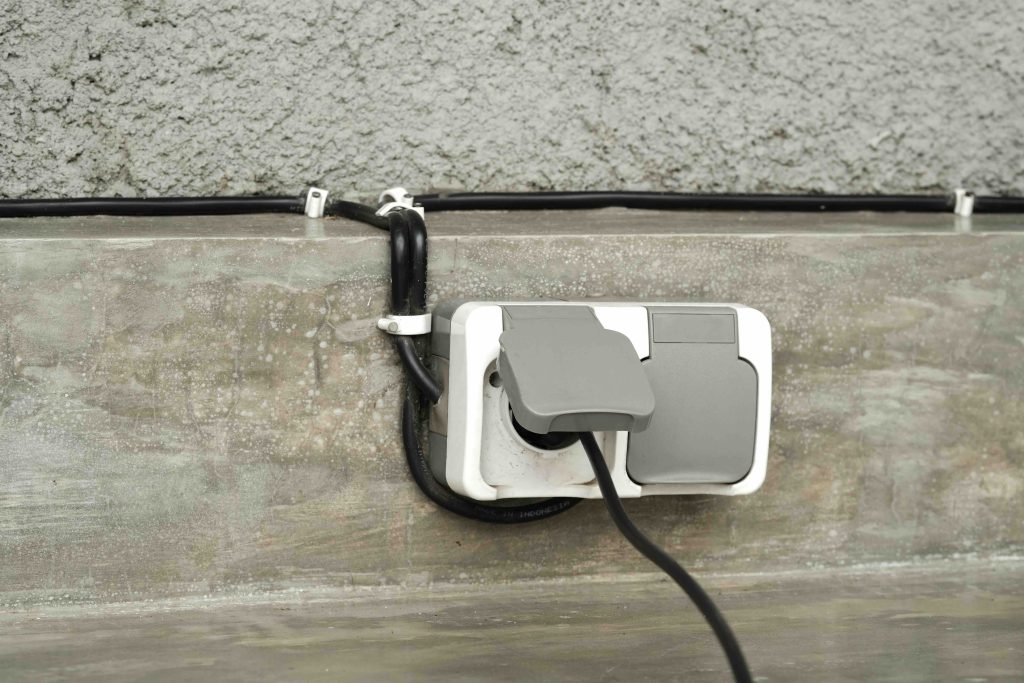
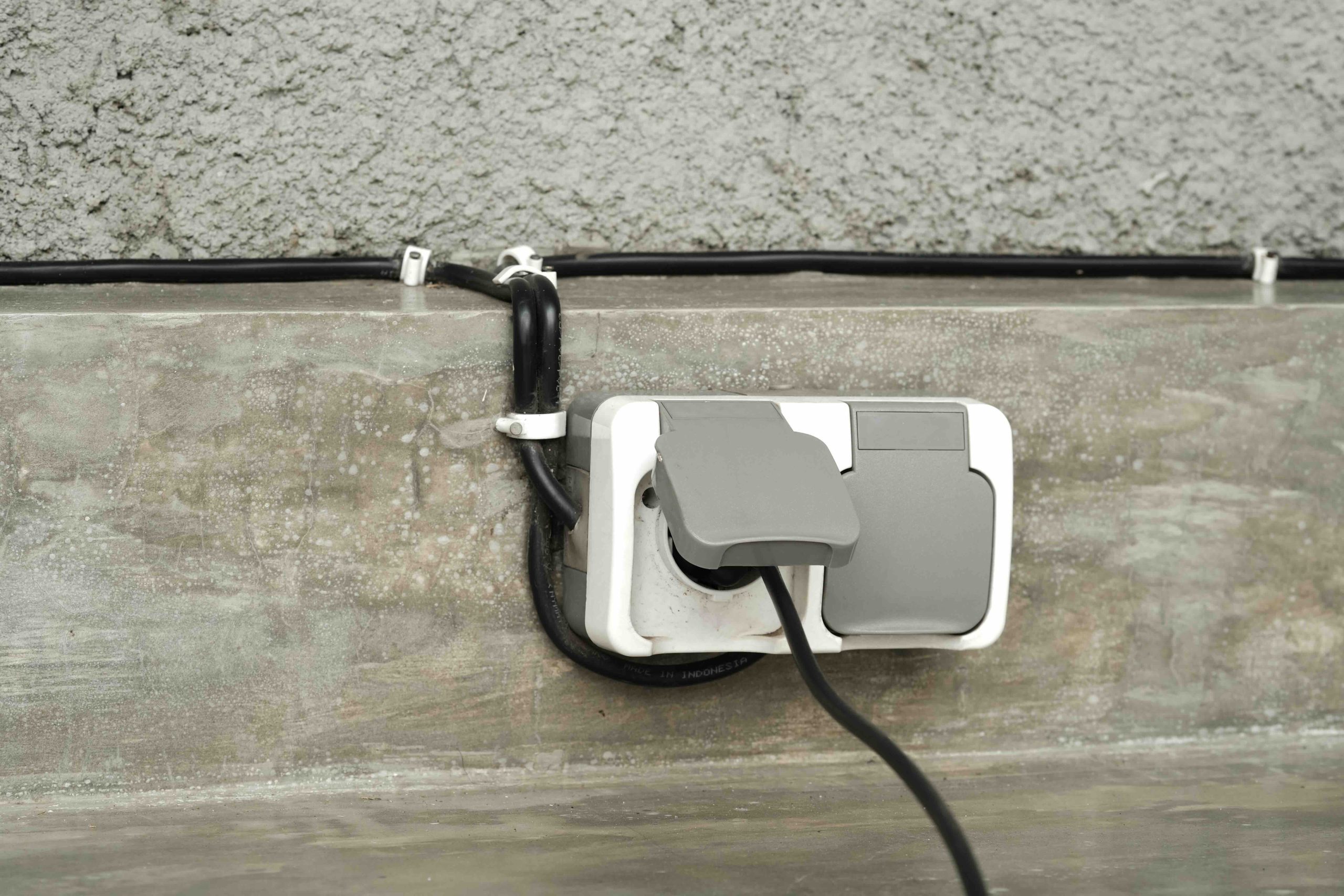
The concept is straightforward, but the engineering behind it is worth understanding. An exterior outlet box is typically made from weather-resistant materials such as PVC plastic or cast aluminum. It mounts flush against your home’s exterior wall and connects to your home’s internal electrical system through wiring that runs through a conduit or directly through the wall. The outlet itself sits inside the box, and a spring-loaded or hinged cover closes over the plug-in ports when they are not in use. This cover is what keeps water from reaching the receptacle during rain or sprinkler activity. Many modern exterior outlet boxes are rated as “in-use covers,” which means they protect the outlet even while a cord is plugged in. This distinction matters more than most people realize, especially in regions with frequent rain or humidity.
Grounding an Exterior Outlet: Why It Matters More Outside Than Inside
Grounding is not just a code requirement, it is a fundamental safety feature, and it becomes even more critical in an outdoor environment. A grounded outlet has three prongs: a hot wire, a neutral wire, and a ground wire. The ground wire creates a safe path for electrical current to travel if something goes wrong, like a fault or surge. Outside, where moisture is always a variable, that third prong becomes the difference between a safe system and a dangerous one. Grounded exterior outlets are required by the National Electrical Code in all new residential construction, and they are typically connected to GFCI (Ground Fault Circuit Interrupter) protection. A GFCI outlet or breaker monitors the flow of current and instantly shuts off power if it detects an imbalance, which can prevent electrocution in wet conditions.

Key Advantages of Installing an Exterior Outlet Box
Installing a properly grounded exterior outlet box offers a range of benefits that go well beyond simple convenience. Here is what homeowners consistently find valuable about having this upgrade in place:
- Convenient access to power for outdoor tools, lighting, and entertainment equipment without the need for extension cords running through windows or doors
- Increased home resale value, since buyers notice and appreciate functional outdoor electrical access
- Safer electrical use in wet or high-moisture environments thanks to GFCI protection and weatherproof covers
- Code compliance that protects you during inspections or future home sales
- Reduced wear on indoor outlets caused by overextended cords and adapters
When installed correctly and maintained properly, an exterior outlet box is one of the more practical electrical upgrades a homeowner can make. It is not glamorous, but it earns its keep every single season.
Common Drawbacks and Considerations to Keep in Mind
No home improvement comes without trade-offs, and exterior outlet installation is no exception. The most immediate consideration is cost. Hiring a licensed electrician to install a new exterior outlet can range from around $150 to $350 or more depending on your location, the complexity of the job, and whether new wiring needs to be run from your electrical panel. If your home is older and lacks a grounded system, the costs can climb significantly. There is also the question of placement. Installing an outlet on a brick or stucco exterior is more labor-intensive than working with vinyl siding, and the location relative to your panel affects how much wiring is needed. Finally, if the outlet is not installed to code, it can fail inspection, create liability issues during a home sale, or simply pose a safety risk over time. This is not a project that rewards shortcuts.
What to Expect During the Installation Process
A professional exterior outlet installation typically follows a predictable sequence. First, an electrician will assess your existing electrical system to determine if your panel has capacity for an additional circuit, or whether the new outlet can be added to an existing one. Next, they will identify the best location on your exterior wall, ideally close to a stud and within practical distance of an interior power source. The electrician will then drill through the wall, run the appropriate gauge wiring, install the outlet box, connect and ground the receptacle, and attach the weatherproof cover. The entire process can usually be completed in a few hours for a straightforward installation. Before the work is done, a GFCI test should be performed to confirm the safety mechanisms are functioning correctly.
Practical Tips for Homeowners Before and After Installation
Whether you are preparing for an installation or maintaining an existing exterior outlet, a few practical habits go a long way toward keeping everything safe and functional. Before installation, take time to think carefully about where you will most commonly need outdoor power access. Patios, garages, garden areas, and front entry zones are common choices, and sometimes two separate outlets make more sense than one. After installation, inspect the weatherproof cover regularly for cracks, deterioration, or signs that it no longer closes securely. Replace covers at the first sign of wear. Also test your GFCI outlet monthly using the test and reset buttons built into the outlet face. If the outlet does not trip and reset correctly, call an electrician. Do not ignore it.
Permits, Codes, and Why Compliance Is Non-Negotiable
Electrical work on the exterior of your home typically requires a permit in most jurisdictions, and that is not bureaucratic overreach. It is how local authorities ensure the work meets safety standards that protect both you and future occupants of the home. Unpermitted electrical work can void your homeowner’s insurance, create complications during a home sale, and in worst-case scenarios, become a fire or safety hazard that goes undetected for years. Always verify permit requirements with your local building department before starting any outdoor electrical project. And when in doubt, hire a licensed electrician who knows your local code requirements and can pull the necessary permits on your behalf. The peace of mind is worth every penny.
How a Home Warranty Fits Into the Picture for Exterior Electrical
Here is where a lot of homeowners get surprised. After investing in a grounded exterior outlet installation, they assume they are covered if something goes wrong. Sometimes they are, and sometimes they are not. Standard homeowner’s insurance generally does not cover the repair or replacement of electrical components that fail due to normal wear and mechanical breakdown. That is the territory of a home warranty. A quality home warranty plan can cover key electrical systems inside your home, giving you a financial safety net when outlets, wiring, or related components stop working as they should. It does not replace proper installation, but it does complement it. Understanding what your warranty covers before something breaks is always smarter than learning about the gaps after the fact.
When you are making smart investments in your home’s infrastructure, like a properly installed and grounded exterior outlet, it makes sense to back that investment with protection that actually responds when things go sideways. Armadillo home warranty coverage for electrical systems and major home components is designed for homeowners who think ahead, not just homeowners who react. If you are ready to find out exactly what a plan looks like for your home, you can get a personalized home warranty quote for your electrical and home systems in just a few minutes. Armadillo keeps things straightforward, and that is something every homeowner deserves.

Frequently Asked Questions About Installing Exterior Outlet Boxes
Homeowners ask a lot of good questions when it comes to outdoor electrical work. Here are the ones that come up most often, answered clearly and directly.
Do I need a permit to install an exterior outlet box?
In most jurisdictions, yes. Electrical work that involves adding new outlets or running new wiring typically requires a permit. Check with your local building department before any work begins.
Does an exterior outlet have to be GFCI protected?
Yes. The National Electrical Code requires all outdoor outlets to be protected by a Ground Fault Circuit Interrupter, either at the outlet itself or upstream at the breaker. This is a non-negotiable safety standard.
Can I install an exterior outlet box myself?
It is possible for experienced DIYers, but it is generally recommended to hire a licensed electrician. Mistakes with outdoor electrical work can result in code violations, safety hazards, and voided insurance coverage.
What is the difference between a weatherproof cover and an in-use cover?
A weatherproof cover protects the outlet when nothing is plugged in. An in-use cover, sometimes called an extra-duty cover, keeps the outlet protected even when a cord is connected. For most outdoor applications, an in-use cover is the appropriate choice.
How do I know if my existing exterior outlet is properly grounded?
A licensed electrician can test this with a simple outlet tester. If the outlet only has two prongs or shows a wiring error on a three-prong tester, it may not be properly grounded and should be evaluated promptly.
Where should I install an exterior outlet on my home?
Common placement locations include near the back patio, front entry, garage exterior, and garden zones. Think about where you most commonly need power access, and consider whether one outlet or two separate locations would better serve your needs.
Will a home warranty cover my exterior outlet if it stops working?
Home warranty coverage varies by plan. Some plans cover electrical systems, which may include outlets. Review your specific plan terms carefully, and contact your warranty provider to confirm what is and is not included before assuming coverage exists.
How much does it cost to install an exterior outlet box?
Costs typically range from $150 to $350 for a standard installation, though prices can increase based on the complexity of the job, local labor rates, and whether new wiring or a permit is required.
How often should I test my outdoor GFCI outlet?
GFCI outlets should be tested monthly using the built-in test and reset buttons. If the outlet does not trip or reset correctly, discontinue use and have it inspected by a licensed electrician right away.
Can moisture permanently damage an exterior outlet box?
Yes. If water consistently infiltrates the outlet box due to a cracked cover or improper sealing, it can corrode the receptacle contacts and wiring over time, leading to outlet failure or fire risk. Regular inspections help catch this early.