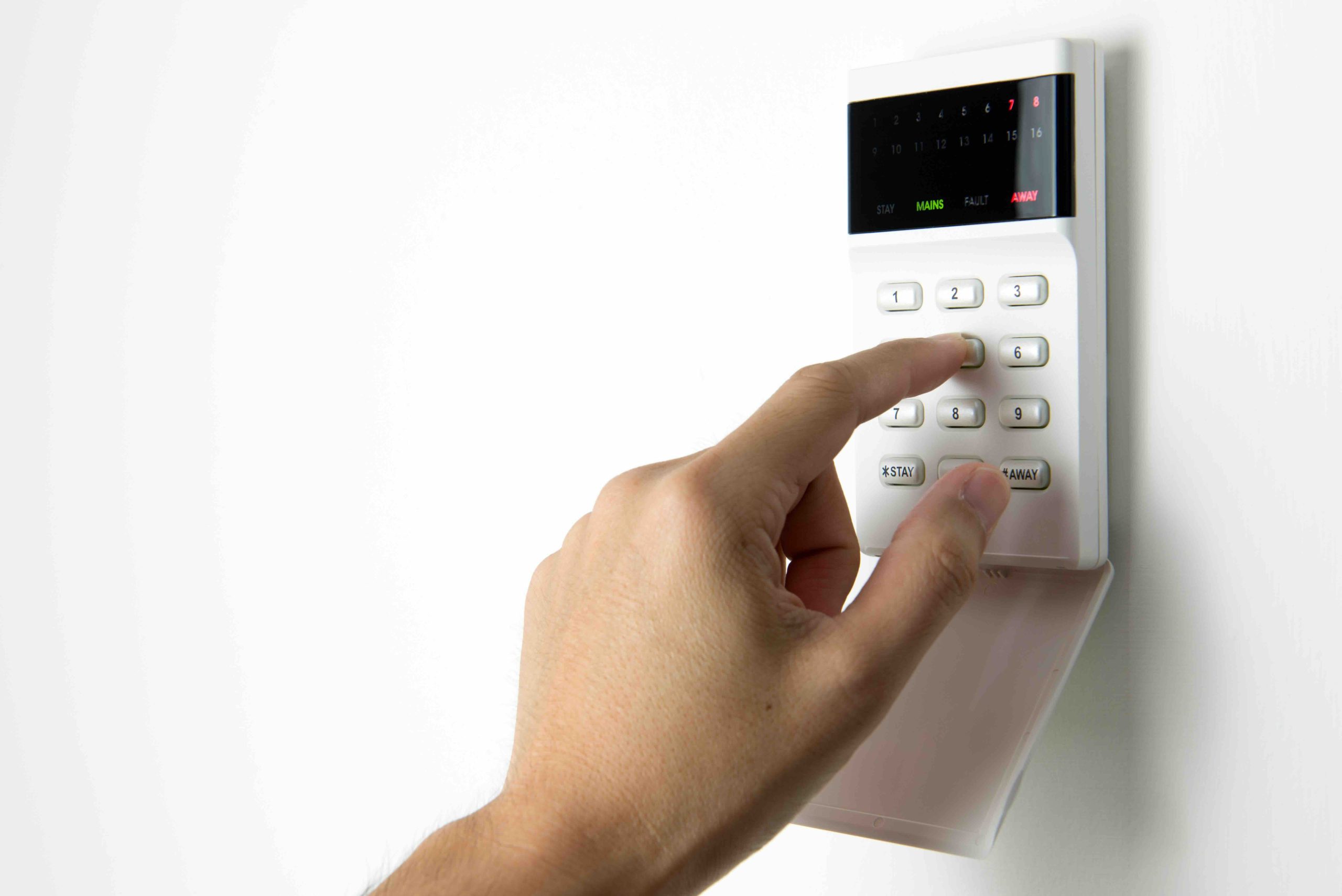
What It Means to Reprogram a Garage Door Keypad
If you have ever moved into a new home, replaced your garage door opener, or simply forgotten the code you set years ago, reprogramming your garage door keypad is one of those tasks that sounds intimidating but is genuinely manageable once you understand what is happening. The keypad itself is a wireless entry device mounted outside your garage that communicates with the opener motor unit inside. When you input the correct PIN, the keypad sends a signal that tells the opener to activate. Reprogramming means you are essentially resetting or updating that communication so the keypad responds to a new code or pairs with a new opener system. It is a basic security and functionality measure that every homeowner should feel comfortable with.
How Garage Door Keypads Actually Work
Garage door keypads operate using radio frequency signals. When you press your PIN and hit enter, the keypad transmits a signal on a specific frequency to the receiver inside the opener motor. Most modern systems use rolling code technology, which means the code changes automatically with each use, making it significantly harder for someone to intercept and duplicate your signal. Older systems used fixed codes, which were set using small DIP switches inside the opener unit. Knowing which type of system you have matters because the reprogramming process differs between the two. Rolling code systems typically involve a Learn button on the opener unit, while fixed code systems require physically adjusting those internal switches.
Tools and Preparation Before You Begin
Before you start, gather a few things that will make the process smoother. You do not need much, but being prepared prevents unnecessary back-and-forth. Here is what to have ready before you begin reprogramming:
- Your garage door opener manual or the model number so you can look it up online
- A sturdy step stool or ladder to reach the motor unit mounted on the ceiling
- The new PIN you want to use, chosen in advance
- A flashlight if your garage lighting is limited
- Patience, because some systems require precise timing between button presses
It also helps to clear the area around the opener unit so you can access the Learn button without awkward maneuvering. Safety first, always.
Step-by-Step Guide to Reprogramming a Rolling Code Keypad
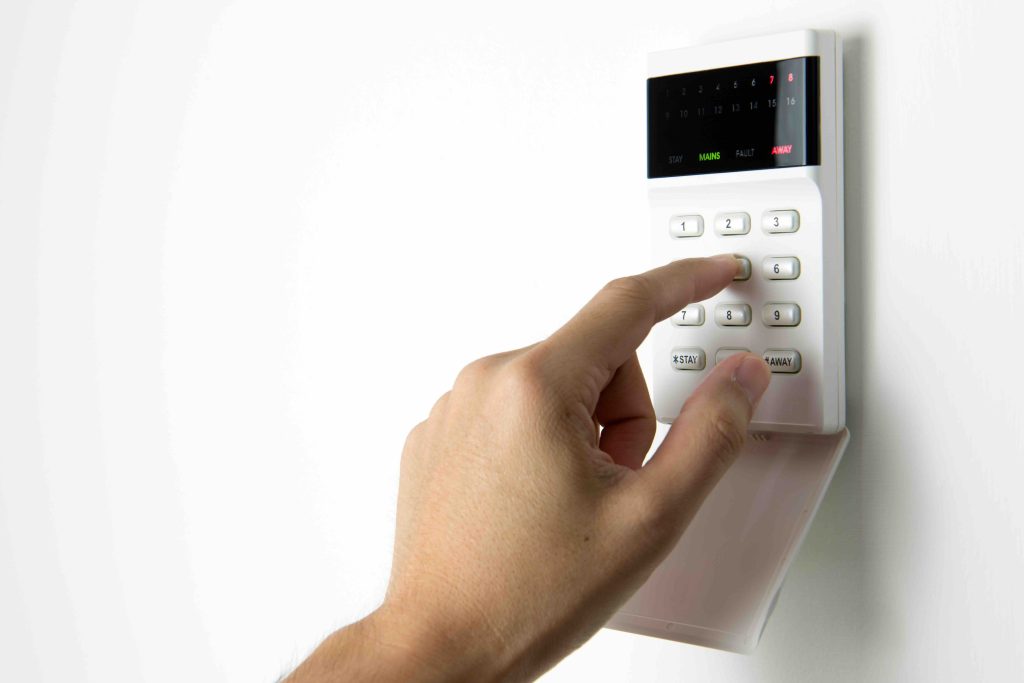
Most garage door keypads sold in the last decade use rolling code technology, and the reprogramming process follows a fairly consistent pattern regardless of the brand. Start by locating the Learn button on your opener motor unit. It is usually on the back or side panel and may be color-coded. Press and release that Learn button once. You will typically see a small indicator light activate, giving you about 30 seconds to complete the next step. Go to the keypad and enter your desired new PIN, then press and hold the Enter or pound key until you see the opener light flash or hear two clicks. That confirmation signal means the pairing was successful. Test the keypad immediately with the new code to confirm everything is working as expected.
Reprogramming Older Fixed Code Systems
Older garage door systems, particularly those manufactured before the mid-1990s, use a bank of DIP switches rather than a Learn button. These switches are found inside both the opener unit and the keypad itself. Reprogramming means setting the switches in an identical pattern on both devices. Access the switch panel inside your keypad by removing the back cover. Then locate the corresponding switch panel inside the opener motor. Set a new pattern using the switches, making sure both panels match exactly. The pattern you choose becomes your security code. While this system works, it is considered less secure than rolling code technology, and upgrading to a newer system is worth considering if your opener is that old.
Key Advantages of Knowing How to Reprogram Your Keypad
There are real, practical benefits to handling this yourself rather than calling a technician every time something needs to change. Understanding keypad reprogramming puts you in control of your home security in a meaningful way. When a housekeeper, contractor, or house-sitter previously had access and that relationship ends, you can immediately update the code without scheduling a service visit. If a family member forgets the code, resolution takes five minutes instead of a service call fee. You also save money, which matters when you are managing a home with many systems and appliances competing for your budget. Reprogramming a keypad costs nothing beyond a few minutes of your time once you know the process.
Common Drawbacks and Challenges to Watch For
Of course, things do not always go smoothly, and there are a few common issues homeowners encounter when reprogramming a garage door keypad. Timing is one of the biggest. The window between pressing the Learn button and entering the code on the keypad is usually 30 seconds or less, and that can feel rushed if you are working alone with a ladder involved. Another issue is signal interference. If you live near radio towers or have many wireless devices in your home, the initial pairing may not take on the first attempt. Some homeowners also discover their keypad is simply too old or damaged to accept a new code, which points toward a replacement rather than reprogramming. Additionally, if your opener unit itself has been reset or replaced, every paired device including remotes and keypads will need to be re-enrolled.
When Reprogramming Points to a Bigger Problem
Sometimes what looks like a keypad issue is actually a symptom of something else going on with your garage door system. If reprogramming works initially but the keypad stops responding within days, the issue may be with the opener’s logic board or receiver. If the keypad displays correctly but the door does not move, the problem could be the motor, the safety sensors, or the drive mechanism. These are the moments when a home warranty becomes genuinely valuable. Garage door systems, including the opener motor, are mechanical components subject to wear and unexpected failure. A reprogramming task that reveals a deeper mechanical failure can lead to a repair bill you were not expecting.
Routine Maintenance Tips to Keep Your Keypad Working
Keeping your garage door keypad in good working order requires only a little regular attention. The most common cause of keypad failure is dead batteries, so replace them at least once a year whether or not you notice any performance issues. Clean the keypad surface periodically with a dry cloth to prevent dirt and moisture from working into the button contacts. If your keypad is exposed to extreme weather, consider a weatherproof cover designed for that model. Also, periodically test that your code still works even when you are not actively using it, particularly after power outages, which can sometimes affect the programming on older opener models. Staying ahead of small issues prevents the inconvenience of a keypad that fails at exactly the wrong moment.
How Armadillo Helps When Your Garage Door System Needs More Than a Reprogram
Reprogramming a garage door keypad is one of those satisfying DIY wins, but the honest truth is that your garage door opener is a mechanical system with moving parts, electrical components, and a motor that will eventually need professional attention. That is where having a solid home warranty in place changes everything. Armadillo home warranty coverage for garage door openers and major home systems is built for exactly these situations, the ones where a simple troubleshooting task reveals a component failure that goes beyond what any homeowner can handle with a ladder and a YouTube video. Armadillo offers straightforward, transparent coverage with no confusing exclusion clauses hiding in the fine print. When your opener motor burns out, the logic board fails, or the system simply stops responding to any input, you want a plan that responds quickly and sends qualified technicians to get things working again. Get a free home warranty quote to protect your garage door opener and home systems and find out how affordable that peace of mind actually is. Armadillo is designed for homeowners who want real protection without the runaround, and that is a standard worth standing behind.

Frequently Asked Questions About Reprogramming a Garage Door Keypad
Answers to the most common questions homeowners have about garage door keypad reprogramming, security, and when to call a professional.
How do I find the Learn button on my garage door opener?
The Learn button is typically located on the back or side panel of the motor unit mounted on your garage ceiling. It is often color-coded and may be labeled. Common colors include yellow, green, purple, and orange depending on the manufacturer and model.
How long do I have after pressing the Learn button to enter the new code?
Most garage door opener systems give you approximately 30 seconds after pressing the Learn button to enter your new PIN and confirm it on the keypad. Work efficiently and have your code ready before you press the Learn button.
Why is my garage door keypad not responding after reprogramming?
The most common causes are low batteries in the keypad, exceeding the 30-second pairing window, or signal interference. Replace the batteries, reset the Learn button, and try the process again in an area free from competing wireless signals.
Can I use the same PIN I had before when reprogramming?
Yes, you can use the same PIN as long as it meets your opener’s digit requirements. However, if you are reprogramming for security reasons, such as after changing service providers or tenants, choosing a completely new code is strongly recommended.
Will a power outage erase my garage door keypad programming?
In most modern systems with rolling code technology, programming is stored in non-volatile memory and survives power outages. However, older systems or those with failing capacitors may lose their programming after extended outages. Testing after any power disruption is a smart habit.
How many keypads can be programmed to one garage door opener?
The number of devices a single opener can support varies by model, but most modern openers accommodate between one and three keypads in addition to multiple remote controls. Consult your opener manual for the specific limit applicable to your unit.
Does reprogramming erase my existing remote controls?
Pressing and holding the Learn button for an extended period, usually six seconds or more, will erase all paired devices including remotes and keypads. A short press followed by the pairing sequence typically adds the new keypad without affecting existing remotes. Always confirm the specific process for your model.
Is a garage door keypad covered under a home warranty?
Coverage varies by provider and plan. Some home warranties cover the garage door opener motor unit and its components, which may include associated keypads. It is important to review the specific terms of your plan to understand what is included and under what conditions repairs or replacements are authorized.
How often should I change my garage door keypad PIN?
Security best practices suggest updating access codes annually or any time someone who previously had access no longer should. This includes service workers, former tenants, contractors, or anyone else who knew the code.
When should I replace a garage door keypad instead of reprogramming it?
If the keypad buttons are physically worn, cracked, or unresponsive even after a battery replacement, if it will not pair despite multiple correct attempts, or if it is more than ten years old and paired with an aging opener system, replacement is likely the more cost-effective solution than continued troubleshooting.