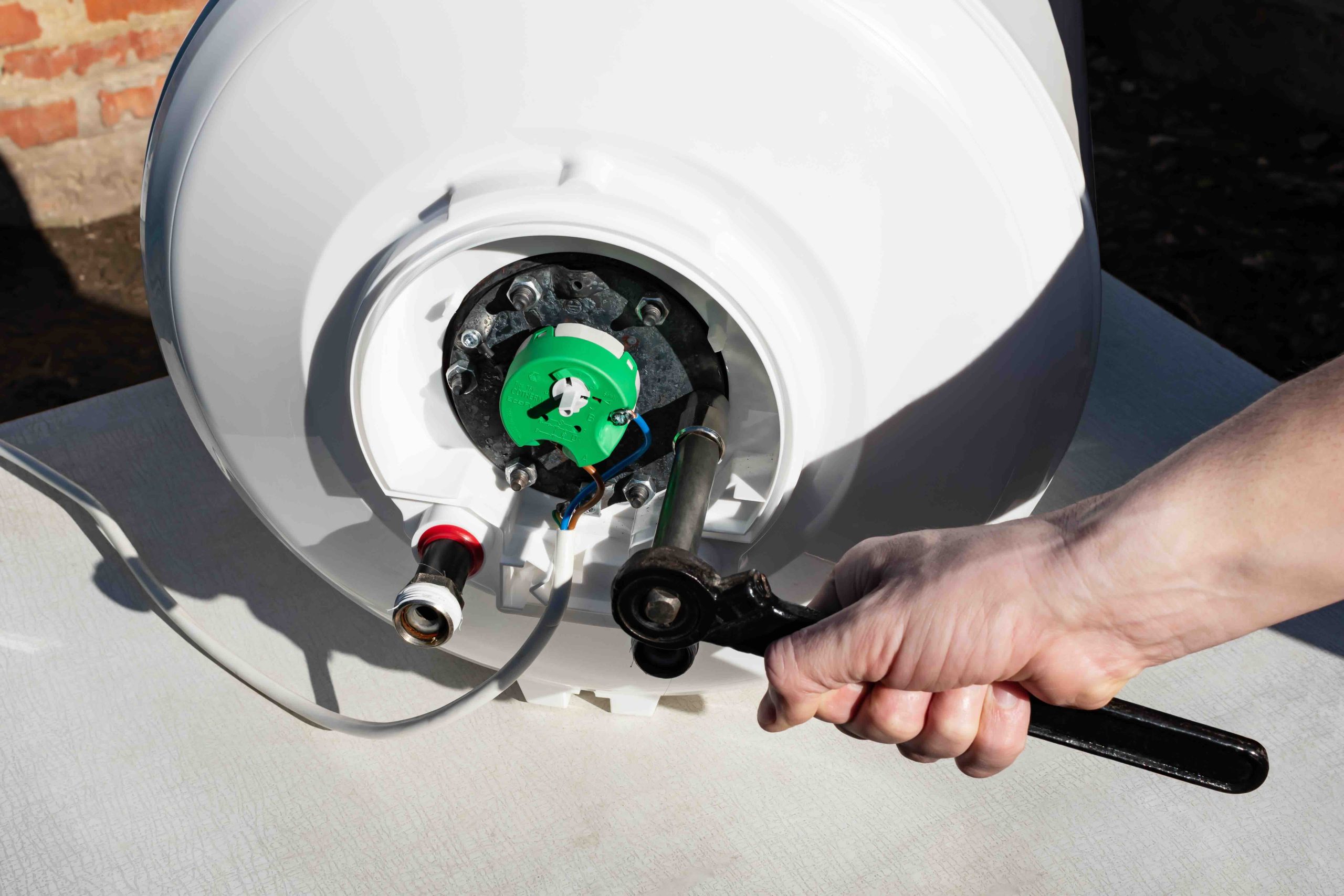
Why Flushing Your Hot Water Heater Is One of the Most Overlooked Home Maintenance Tasks
There is a good chance you have never flushed your hot water heater. Most homeowners have not. It sits in the corner of the garage or tucked into a utility closet, doing its job quietly, and nobody thinks much about it until the water runs cold or something goes wrong. The truth is, flushing your water heater on a regular schedule is one of the simplest things you can do to extend the life of the appliance and keep your energy bills in check. It takes less than an hour, requires minimal tools, and can save you from a very expensive repair or replacement down the road.
What Does It Mean to Flush a Hot Water Heater
Flushing a hot water heater means draining the tank to remove sediment that has built up at the bottom over time. That sediment is mostly mineral deposits, primarily calcium and magnesium, that separate out of the water supply as it gets heated repeatedly. In areas with hard water, this process happens faster. Over time, that layer of sediment at the bottom of the tank insulates the water from the heating element or burner, forcing the unit to work harder to reach your set temperature. The result is higher energy consumption and more wear on the components. Flushing clears that out and gives your water heater a cleaner operating environment.
How a Hot Water Heater Actually Works
Before getting into the flushing process itself, it helps to understand the basics of how a traditional tank-style water heater functions. Cold water enters the tank through a dip tube and sinks to the bottom, where it gets heated either by a gas burner or an electric heating element depending on your unit. As the water heats, it rises to the top of the tank where it waits until a hot water tap is opened somewhere in the house. A thermostat monitors the temperature and triggers the heating cycle when the water drops below the set point. That cycle runs constantly, day after day, which is exactly why sediment accumulates the way it does.
How to Flush a Hot Water Heater Step by Step
The process is more straightforward than most people expect. Here is a general overview of how a standard tank flush works:
- Turn off the power to the unit at the breaker, or set a gas heater to the pilot setting
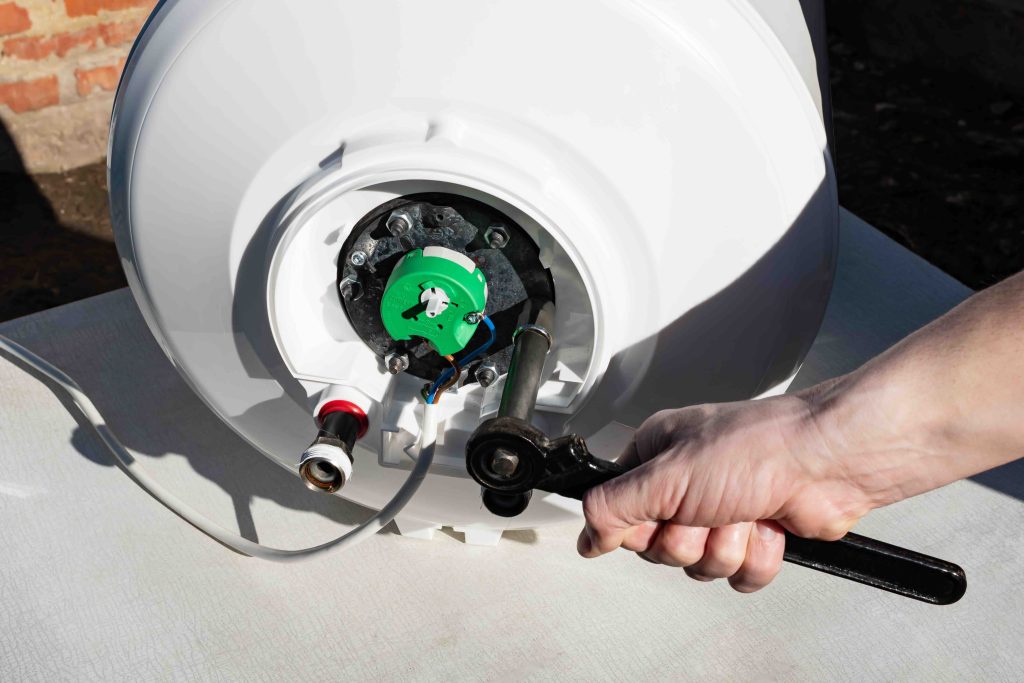
- Connect a garden hose to the drain valve located near the bottom of the tank
- Run the other end of the hose to a floor drain, outside, or into a large bucket
- Open a hot water faucet somewhere in the house to prevent a vacuum from forming
- Open the drain valve and allow the tank to empty completely
- Once drained, briefly turn the cold water supply back on to flush remaining sediment
- Close the drain valve, refill the tank, restore power or relight the pilot, and check for leaks
It is worth noting that if your water heater has not been flushed in several years, the drain valve itself may be corroded or partially clogged with sediment. In that case, you may want to call a plumber rather than risk damaging an old valve by forcing it open.
Key Benefits of Flushing Your Water Heater Regularly
The advantages go beyond just cleaner water. Regular flushing keeps the unit running efficiently, which directly affects your monthly utility costs. A water heater operating with significant sediment buildup can consume noticeably more energy than one that has been maintained properly. Beyond efficiency, flushing extends the lifespan of the appliance. Most tank water heaters are rated for eight to twelve years. Units that receive routine maintenance often reach the higher end of that range or beyond, while neglected units may fail well before their expected service life. There is also the matter of water quality. Sediment and rust particles can find their way into your water supply if the buildup gets severe enough, which is not something anyone wants coming out of their kitchen faucet.

Common Drawbacks and Risks to Be Aware Of
Flushing a water heater is generally safe, but there are a few things that can go wrong if the unit is very old or has never been serviced. Drain valves on older units can crack or fail to reseal properly after being opened for the first time in years. If the valve does not close fully after the flush, you have a slow leak on your hands that will need to be addressed immediately. There is also the matter of hot water handling. The water coming out of that tank during a flush is extremely hot, so proper care around the hose and drain area is essential. Additionally, if you discover heavy rust coloring in the drained water, that could be a sign of internal tank corrosion rather than simple sediment buildup, which may indicate the unit is nearing the end of its usable life.
How Often Should You Flush Your Water Heater
Most plumbing professionals recommend flushing a standard tank water heater once a year. If your home has particularly hard water, every six months is a reasonable schedule. If you are not sure whether your water is hard or soft, your local water utility likely publishes water quality reports that can give you a general idea. Homes with water softeners installed may be able to extend the interval slightly, since softened water produces less mineral buildup. The key is not to let years pass between flushes, because the longer you wait, the more compacted that sediment becomes and the harder it is to remove.
Signs Your Water Heater Needs to Be Flushed Now
There are a few clear indicators that your water heater is overdue for a flush. Rumbling, popping, or banging sounds coming from the tank are classic signs of sediment interfering with the heating process. Water that takes longer than usual to heat up, inconsistent water temperatures, or a noticeable increase in your energy bills without an obvious explanation can all point to the same problem. Discolored or slightly cloudy hot water is another signal worth taking seriously. If you are experiencing any of these symptoms, a flush should be one of the first things you try before calling in a technician for a more involved diagnosis.
Does a Home Warranty Cover Your Water Heater
This is where a lot of homeowners get surprised. Many standard home warranty plans do include water heater coverage, but the details vary significantly depending on the provider and the specific plan. Coverage typically applies to mechanical failures caused by normal wear and tear, which would include things like a failing thermostat, a burned-out heating element, or a faulty pressure relief valve. What is usually not covered is damage that results from neglected maintenance, such as a tank that has corroded internally due to years of sediment buildup. This is exactly why keeping up with basic maintenance tasks like annual flushing is important even when you have warranty coverage in place. Maintenance records also matter if you ever need to file a claim.
Why Armadillo Is Worth Considering for Water Heater Protection
A water heater that fails unexpectedly is rarely a small expense. Depending on the unit and installation costs, replacement can run anywhere from several hundred to well over a thousand dollars. That kind of unplanned cost is exactly what a quality home warranty is designed to soften. Armadillo home warranty plans for water heater and appliance coverage are built around transparency and genuine protection, not the fine print runaround that leaves homeowners frustrated when they need help most. Armadillo takes a straightforward approach to coverage, so you know what is included before something goes wrong rather than finding out after the fact. If you want to see what coverage looks like for your home specifically, you can get a personalized home warranty quote for water heater protection in seconds without any pressure or commitment required. Protecting a well-maintained water heater with a solid warranty plan is one of the smarter moves a homeowner can make.

Frequently Asked Questions About Flushing a Hot Water Heater
Here are answers to the most common questions homeowners have about water heater flushing and maintenance.
How long does it take to flush a hot water heater?
For most standard tank units, the entire process takes between thirty minutes and one hour depending on the size of the tank and how quickly it drains.
Can I flush my water heater myself or do I need a plumber?
Most homeowners can flush their own water heater safely by following the manufacturer’s instructions. However, if the unit is very old, the drain valve is corroded, or you notice rust-colored water, it is best to bring in a licensed plumber.
What happens if I never flush my water heater?
Over time, sediment accumulates at the bottom of the tank, reducing efficiency, increasing energy costs, shortening the lifespan of the unit, and potentially affecting water quality.
How do I know if my water heater has sediment buildup?
Rumbling or popping sounds during heating cycles, longer recovery times, inconsistent hot water temperatures, and higher energy bills are all common indicators of sediment accumulation.
Is it safe to flush a water heater that has not been touched in ten years?
It carries more risk than flushing a regularly maintained unit. The drain valve may be seized or brittle, and there is a higher chance of it failing to reseal. A plumber should handle this situation.
Does flushing a water heater actually save money?
Yes. Removing sediment allows the heating element or burner to operate more efficiently, which can reduce energy consumption and lower monthly utility bills over time.
How much water comes out when you flush a water heater?
It depends on the tank size. A standard residential unit holds between forty and fifty gallons, so you should expect to drain roughly that volume during a full flush.
Will flushing my water heater affect my home warranty coverage?
Routine maintenance like flushing typically supports your warranty coverage rather than voiding it. Neglecting maintenance, on the other hand, can give a warranty provider grounds to deny a claim related to preventable damage.
What type of hose do I need to flush a water heater?
A standard garden hose fits most residential water heater drain valves. Make sure it is long enough to reach a safe drainage point away from the unit.
Does flushing a tankless water heater work the same way?
No. Tankless units use a different descaling process that typically involves running a vinegar or descaling solution through the system using a pump and hoses. The process is different from a traditional tank flush but equally important for long-term performance.