What Is an AC Condensate Trap and Why Does Your Home Need One?
If you have ever looked at your air conditioning system and noticed a small curved section of pipe near the drain line, you have already seen a condensate trap without necessarily knowing what it was. This modest piece of equipment plays a surprisingly important role in how your HVAC system manages moisture, and when it fails or gets overlooked, things can go sideways fast. Whether you are a first-time homeowner or someone who has been doing weekend maintenance for years, understanding your AC condensate trap is one of those details that genuinely pays off.
The Basics: How Your AC System Produces Water
Air conditioners do not just cool air. They also dehumidify it, which is part of why your home feels more comfortable on a hot, humid day when the AC is running. As warm, moisture-laden air passes over the evaporator coil inside your air handler, the coil causes the moisture to condense out of the air. That water collects in a drain pan and then needs somewhere to go. That is where the condensate drain line comes in. The condensate trap is positioned along this drain line to prevent air from flowing backward into the system, which sounds simple but matters a great deal.
What Exactly Is an AC Condensate Trap?
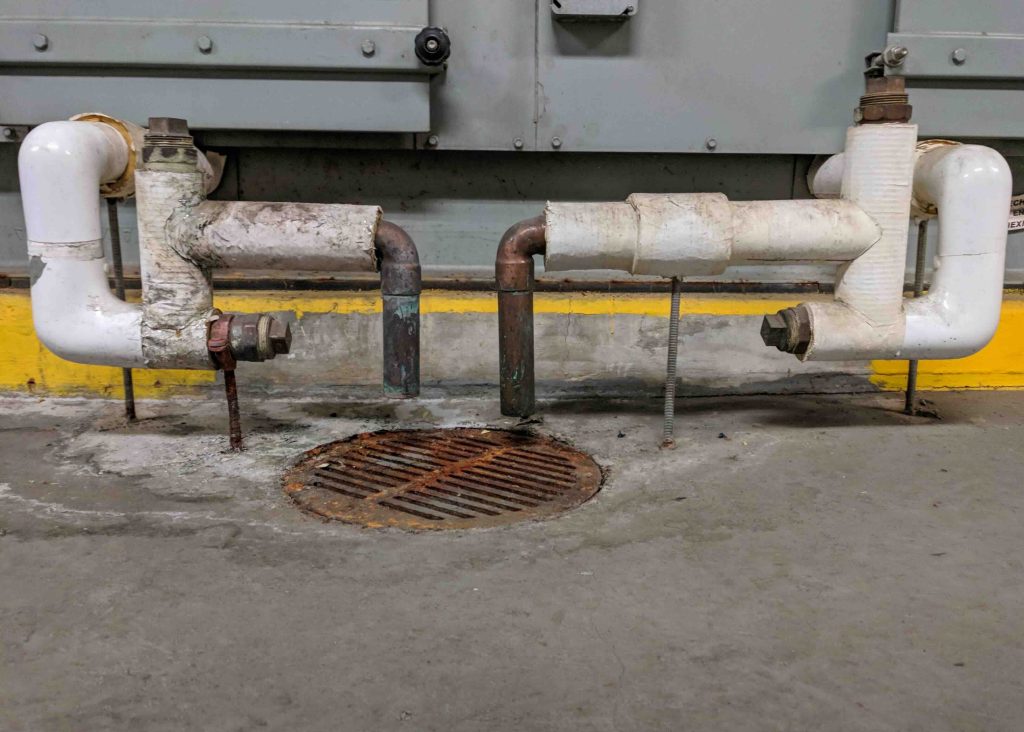
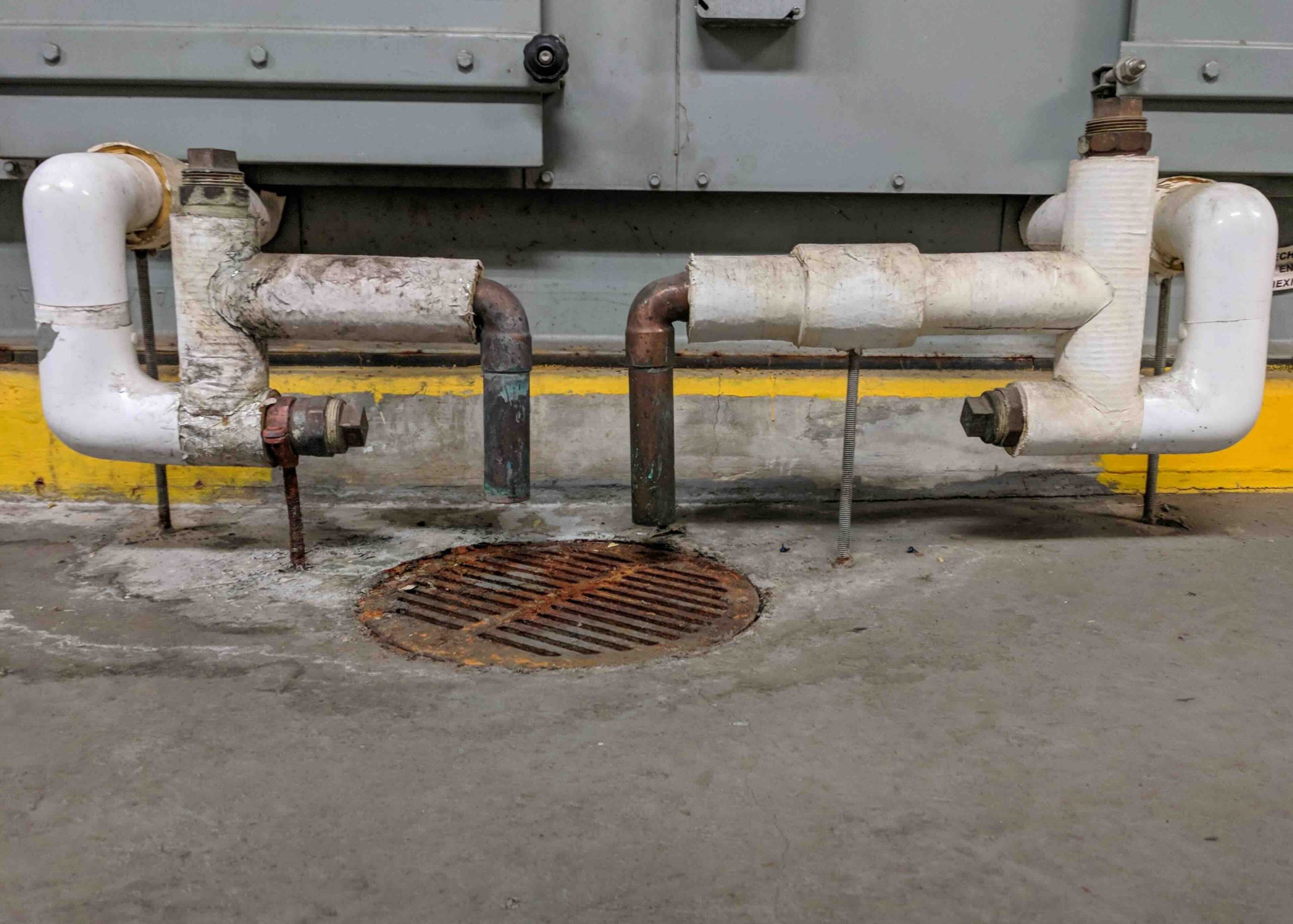
A condensate trap is a curved or U-shaped section of pipe installed in the drain line of your air conditioning system. It functions very similarly to the P-trap under your bathroom or kitchen sink. The curve holds a small amount of water at all times, creating a water seal that blocks air from traveling back up the drain line and into the air handler. Without that seal, negative pressure inside the air handler can actually pull air in through the drain line, which disrupts airflow, reduces efficiency, and can even pull in sewer gases or outdoor air depending on where the drain line terminates.
How the Condensate Trap Actually Works
The mechanics here are straightforward once you picture them. Your air handler creates a slight negative pressure inside the cabinet as the blower pulls air through the system. That same negative pressure exists near the drain pan. If there is no water seal in place, air rushes in through the open drain line to equalize the pressure. The condensate trap stops that from happening by keeping a pocket of water inside the curved section at all times. As long as water is flowing through the drain line regularly, that seal stays intact. The water acts as a physical barrier, and the system operates the way it is supposed to.

Key Advantages of Having a Properly Functioning Condensate Trap
A condensate trap that is doing its job delivers several real benefits that homeowners tend to appreciate once they understand what is at stake. Here is what a working trap does for your home:
- Prevents air bypass that reduces system efficiency and increases energy bills
- Blocks sewer gases and outdoor contaminants from entering your living space through the drain line
- Protects the evaporator coil from drying out prematurely due to unintended airflow
- Reduces the risk of water overflow from the drain pan, which can cause serious water damage
- Helps maintain consistent indoor air quality and humidity control
These are not minor perks. When your drain line is not sealed properly, you may start noticing musty odors, elevated humidity indoors, or water stains near your air handler. Each of those symptoms points back to a condensate system that is not functioning correctly.
Common Drawbacks and Problems Homeowners Encounter
Like any component in your HVAC system, the condensate trap is not without its issues. Algae and mold buildup is probably the most common problem. Because the trap holds standing water, it creates an environment where biological growth can thrive. Over time, that buildup can block the trap or the drain line entirely, which causes the drain pan to overflow. Some homeowners deal with this seasonally, especially in climates with long, humid summers. If your system sits unused for months during winter, the water in the trap can also evaporate, eliminating the seal entirely. The fix for that particular issue is simple, but you have to know to look for it.
How to Maintain Your AC Condensate Trap
Maintenance on a condensate trap is manageable for most homeowners. A few practical habits go a long way toward keeping things flowing properly:
- Flush the drain line with a diluted bleach solution or white vinegar every few months during cooling season
- Check for visible blockages or discoloration at the trap access point if one is installed
- Before the cooling season begins, pour a cup of water into the drain line to replenish the trap seal if your system was off all winter
- Install a float switch on the drain pan if one is not already there, so the system shuts off before an overflow occurs
These are small steps, but they protect a much larger investment. A clogged condensate line that causes water damage to your ceiling or subfloor is a repair that can cost significantly more than a basic HVAC service call.
When to Call a Professional
There are situations where a condensate trap issue is beyond what a homeowner should handle independently. If you notice persistent overflows despite cleaning the drain line, water damage around the air handler, or strange odors coming from the vents, it is time to have an HVAC technician take a look. The trap itself may need to be repositioned, resized, or replaced entirely. Some systems are installed with incorrectly sized traps, which is a problem that only reveals itself over time. A qualified technician can assess the trap depth relative to the negative pressure inside your specific air handler and make corrections where needed.
What Home Warranties Typically Cover Regarding HVAC Drain Systems
Home warranties vary in how they handle condensate-related components. Most comprehensive home warranty plans cover the core mechanical components of an HVAC system, including the air handler and evaporator coil assembly. Coverage for the condensate drain line and trap, however, depends on the specific plan and provider. It is worth reading your warranty documents carefully to understand whether a clogged or failed condensate system would be considered a covered repair or a maintenance exclusion. The distinction matters, particularly because water damage caused by a failed drain system can trigger secondary costs that go well beyond the HVAC repair itself.
Why Armadillo Home Warranty Is the Right Choice for HVAC Protection
Your AC system works hard, and the condensate trap is one of those unsung components that quietly keeps everything running smoothly until it does not. When something goes wrong with your HVAC system, whether it is a clogged drain, a failed coil, or something more significant, having the right home warranty in place means you are not absorbing that cost alone. Armadillo is built for homeowners who want straightforward, honest coverage without the runaround. If you are looking for a home warranty plan that covers your HVAC system and condensate components, Armadillo offers plans designed around what actually matters. Do not wait for a drain overflow to remind you that protection is worth having. Take a few minutes to get a free home warranty quote for AC system coverage and find out exactly what your home qualifies for. Peace of mind is a reasonable thing to want, and Armadillo makes it accessible.

Frequently Asked Questions About AC Condensate Traps
These are the questions homeowners ask most often when they start digging into how their AC drain system actually works.
What happens if my AC condensate trap is missing?
Without a condensate trap, negative pressure inside the air handler can pull air back through the drain line, reducing efficiency, allowing contaminants into the system, and potentially causing the drain pan to dry out or overflow depending on the installation.
How often should I clean my AC condensate trap?
You should flush your condensate drain line, including the trap, at least once every three months during active cooling season. If you live in a particularly humid climate, more frequent maintenance may be appropriate.
Can a condensate trap cause water damage?
Yes. A blocked condensate trap can prevent water from draining properly, which causes the drain pan to fill and eventually overflow. Overflow can damage ceilings, walls, and flooring depending on where your air handler is located.
How do I know if my condensate trap is clogged?
Common signs include water pooling around the base of the air handler, a musty or moldy smell coming from the vents, or your system shutting off unexpectedly if a float switch is installed to detect overflow.
Does my condensate trap need water in it to work?
Yes. The water inside the U-shaped curve creates the seal that prevents air from traveling backward through the drain line. If the trap dries out, the seal is broken and the system loses that protection.
What is the correct depth for an AC condensate trap?
The trap depth should be at least equal to the maximum negative static pressure created by the air handler, typically one inch for every inch of negative pressure. An HVAC technician can measure this accurately for your specific system.
Can I install a condensate trap myself?
Basic trap installations using PVC fittings are within reach for experienced DIYers, but proper sizing and positioning are critical. Incorrect installation can make the problem worse. When in doubt, consult a licensed HVAC technician.
Does a home warranty cover condensate trap repairs?
It depends on the plan and provider. Some home warranty plans cover the full HVAC system including drain components, while others treat drain line maintenance as an exclusion. Review your specific policy terms carefully.
Why does my condensate drain keep getting clogged?
Algae, mold, and mineral deposits are the usual culprits. These thrive in the warm, moist environment inside the drain line and trap. Regular flushing with diluted bleach or vinegar helps prevent buildup from accumulating over time.
What is the difference between a condensate trap and a condensate pump?
A condensate trap is a passive device that uses a water seal to control airflow in the drain line. A condensate pump is an active device that mechanically pumps water out of the drain pan when gravity drainage is not possible, such as when the air handler is in a basement or interior closet.