Why Does My Garage Door Keep Opening When I Try to Close It?
You press the button, the door starts moving down, and then — just like that — it reverses and opens again. It is one of those home problems that feels minor until it happens six times in a row, and suddenly you are standing in your garage wondering what is going on. A garage door that reverses when closing is actually one of the more common service calls homeowners deal with, and the good news is that most causes are diagnosable without any special training. The less good news is that some fixes are not exactly DIY-friendly. This guide walks through everything you need to know, from the likely culprits to what a repair actually involves, and how your home warranty factors into all of it.
How a Garage Door Opener System Actually Works
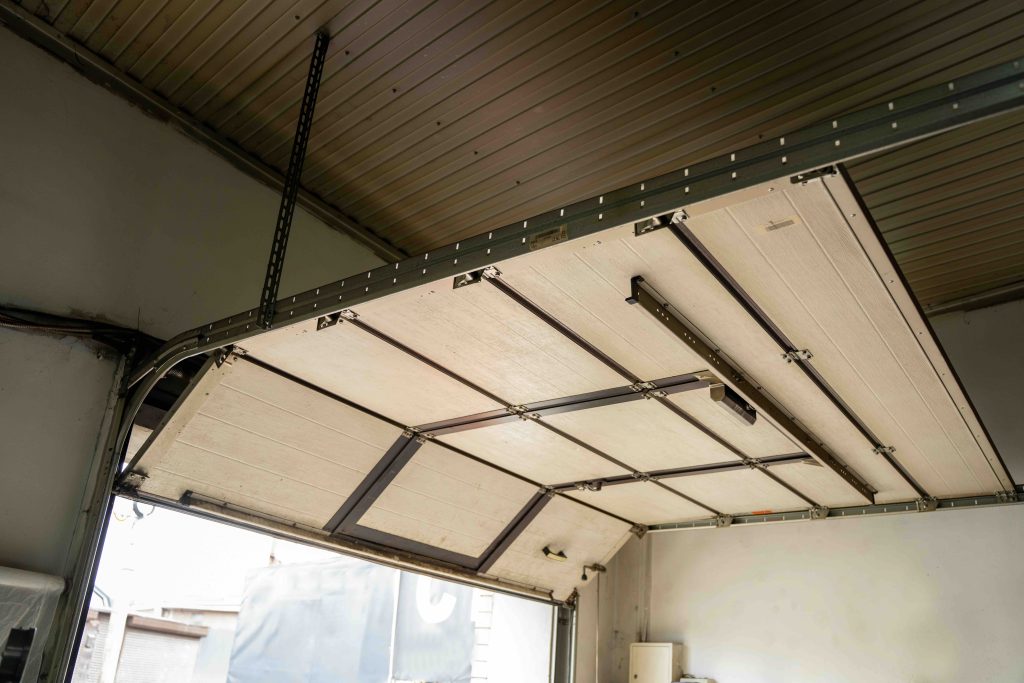
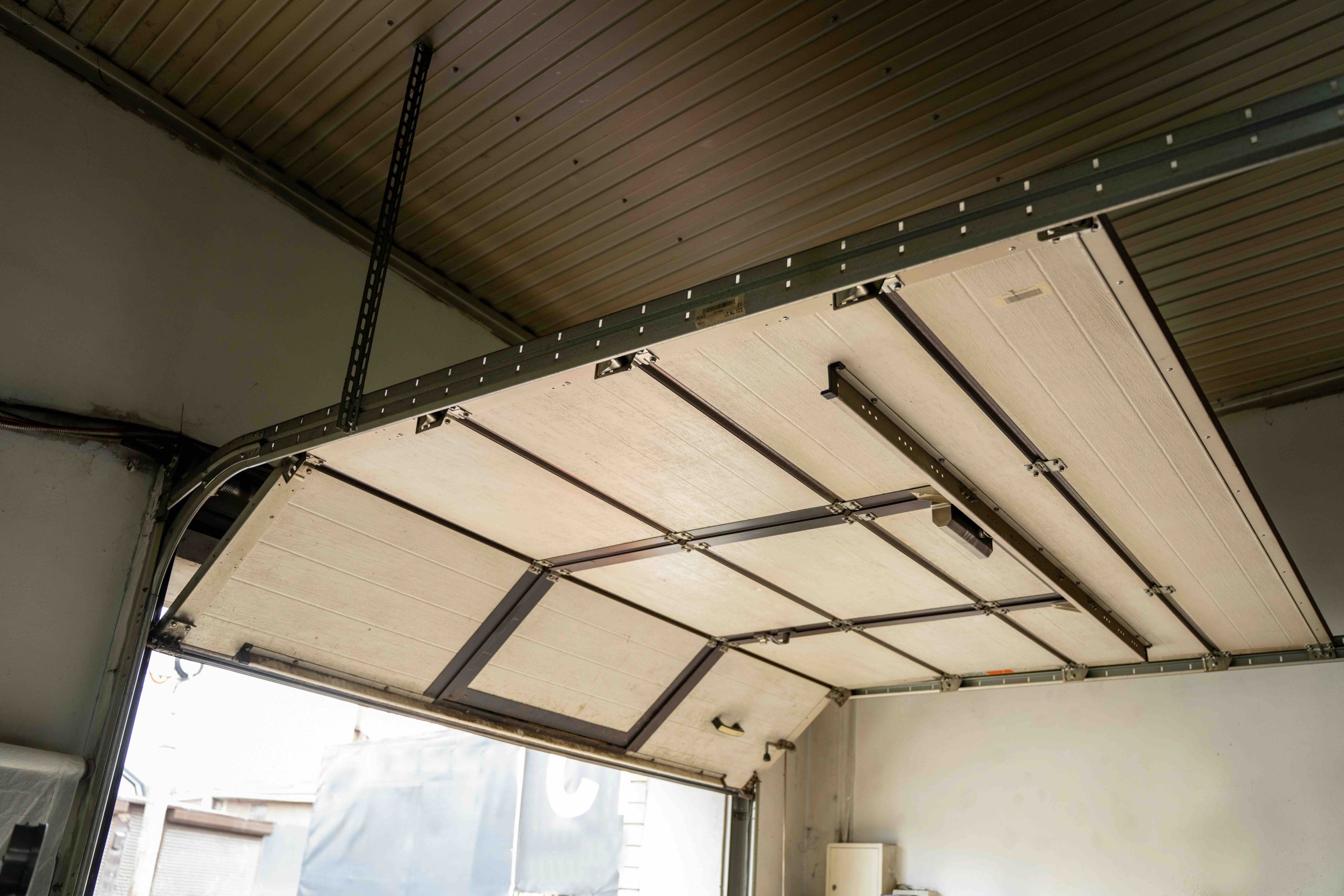
Before jumping to solutions, it helps to understand what is actually happening when you press that button. A garage door opener system is more coordinated than most people realize. The motor drives a trolley along a rail, which pulls or pushes the door open and closed. Along the way, there are safety sensors, limit switches, and force settings all working together to make sure the door moves correctly and stops when it should. When any one of those components gets out of sync, the system interprets it as a problem and reverses the door to avoid damage or injury. In other words, that annoying reversal behavior is often the system doing exactly what it was designed to do. It just means something needs adjusting.
The Most Common Reasons Your Garage Door Keeps Reversing
There are several well-known causes for this issue, and narrowing it down often comes down to observation. Here are the most frequent offenders:
- Misaligned or obstructed safety sensors near the base of the door tracks
- Incorrect close-limit settings telling the door it has hit the floor before it actually has
- Excessive downward force resistance triggering the auto-reverse mechanism
- A damaged or worn-out torsion spring affecting door balance
- Physical obstructions in the door’s path
- Interference from other remotes, wireless devices, or neighboring openers operating on the same frequency
Each of these scenarios produces a similar symptom but requires a different fix. That is why a careful look before reaching for a wrench is always the right first step.
Safety Sensors: The Number One Suspect
Photoelectric safety sensors sit at the base of your garage door tracks, one on each side, and they project an invisible beam across the opening. If anything breaks that beam while the door is closing, the opener reverses immediately. This is a federally mandated safety feature on all openers manufactured after 1993, and it works well — except when the sensors themselves are the problem. Misalignment is the most common issue. If the sensors get bumped or knocked out of position even slightly, the beam does not connect properly and the door reverses as though something is blocking it. You will usually see a blinking light on one of the sensors when this is the case. Dirt, cobwebs, and direct sunlight can also interfere with the sensor signal. Cleaning the lenses and adjusting the sensor brackets until both indicator lights are solid is often all it takes.
Close-Limit and Force Settings Explained
Every garage door opener has internal settings that tell the motor how far to travel before stopping and how much resistance is acceptable before triggering a reversal. The close-limit setting defines where the door should end up when fully closed. If it is set too high, the motor keeps pushing after the door hits the floor, senses resistance, and reverses. The force or sensitivity setting works similarly — if it is calibrated too sensitively, even minor friction in the tracks can trigger a reversal. Both settings are typically adjustable via small screws or digital controls on the opener unit itself. The owner’s manual will walk you through the adjustment process, and in many cases a quarter-turn of the right screw solves the whole problem. That said, getting the force setting right does require a bit of trial and error, and over-adjusting can create new issues.

When the Problem Is the Spring or the Tracks
If the sensors are aligned and the settings look correct, the issue may be mechanical. Torsion springs are responsible for counterbalancing the weight of the door, making it easy for the motor to lift and lower it. When a spring is worn or broken, the door becomes too heavy for the opener to manage correctly. The motor senses excessive resistance during closing and reverses to protect itself from burning out. Similarly, bent tracks or rollers with excessive friction create drag that the opener interprets as an obstruction. Both of these scenarios are worth taking seriously. Torsion springs are under significant tension and can be dangerous to replace without proper experience and tools. If you suspect a spring or track issue, this is genuinely one of those situations where calling a professional is the right call.
Radio Frequency Interference and Programming Issues
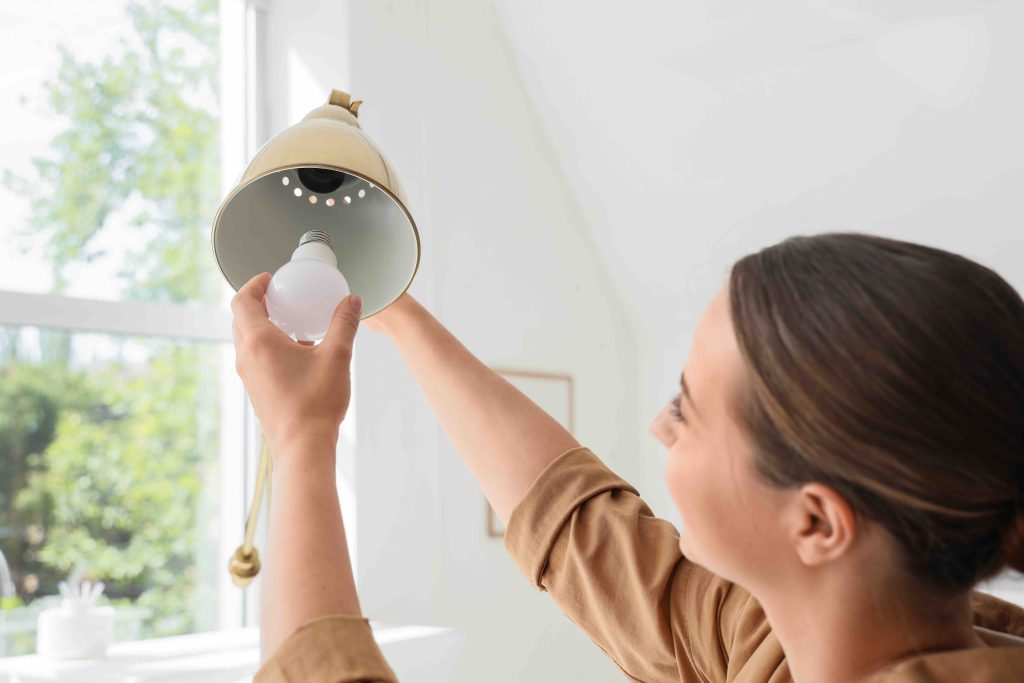
This one catches homeowners off guard fairly often. Garage door openers communicate via radio frequency signals, and interference from nearby devices, other openers, or even LED bulbs inside the opener unit can disrupt normal operation. If a neighbor’s opener uses the same frequency as yours, their remote could inadvertently trigger your door. Modern openers use rolling code technology to reduce this risk, but older units are more vulnerable. If the reversal behavior seems random and not tied to a specific mechanical cause, interference is worth investigating. Reprogramming the remote or changing the frequency settings on compatible units can resolve it. Swapping out the bulb inside the opener unit for a non-LED alternative is sometimes all it takes, as certain LED bulbs are known to emit frequencies that interfere with the receiver.
What Repairs Actually Cost and What to Expect
Repair costs vary considerably depending on the cause. Sensor realignment is often something homeowners handle themselves at no cost. Limit and force adjustments are similar. However, when professional service is needed, costs can add up. A typical service call for sensor or adjustment issues runs between $75 and $150. Track realignment or roller replacement generally falls in the $125 to $200 range. Torsion spring replacement is more involved, often running $200 to $350 or more depending on the door size and spring configuration. Full opener replacement, if the motor unit itself has failed, typically ranges from $300 to $600 installed. These costs are manageable for a single incident, but they can sting if they come at an unexpected time or stack up with other repairs around the house.
How a Home Warranty Can Help With Garage Door Opener Repairs
This is where things get genuinely useful for homeowners. A home warranty plan is a service contract that covers the cost of repairing or replacing covered systems and appliances when they break down due to normal wear and tear. Garage door openers are commonly included as part of a standard or optional coverage tier, depending on the provider. When covered, a home warranty means that instead of paying the full cost of a service visit and repair out of pocket, you pay a predictable service fee, and the warranty provider coordinates the rest. For homeowners managing tight monthly budgets or living in homes with aging systems, this kind of predictability matters. The key is understanding exactly what your plan covers before a problem arises, not after. Some plans cover the opener motor and mechanical components but exclude springs or tracks, so reading the coverage terms carefully is always worth the time.
Why Armadillo Is the Right Call for Garage Door Opener Coverage
When your garage door opener is acting up and you want the peace of mind that comes with real, reliable coverage, Armadillo home warranty plans built for modern homeowners are worth a serious look. Armadillo offers straightforward coverage with transparent terms, which means you are not left guessing whether your garage door opener repair qualifies when the moment actually comes. The plans are designed to cover the components that fail most often, including the systems covered in this article, and the service process is built to be fast and friction-free. If you want to know exactly what your home could be covered for without sitting through a sales call, you can get a garage door opener home warranty quote in seconds online and see your options immediately. Protecting your home should not be complicated, and Armadillo is built around that idea.

Frequently Asked Questions About Garage Doors That Reverse When Closing
These are the questions homeowners ask most often when dealing with a garage door that will not stay closed.
Why does my garage door go back up after I close it?
The most common reasons are misaligned safety sensors, incorrect close-limit settings, excessive resistance triggering the auto-reverse mechanism, or a mechanical issue like a worn spring or bent track. Start by checking the sensors at the base of the door for alignment and debris.
How do I know if my garage door sensors are misaligned?
Look at the indicator lights on both sensor units. If one is blinking or off entirely while the other is solid, the sensors are likely out of alignment. Loosen the mounting bracket, adjust the sensor until the light becomes solid, and retighten.
Can I adjust the garage door close-limit setting myself?
Yes, in most cases. The adjustment screws or digital controls are located on the opener motor unit mounted to the ceiling. Consult your owner’s manual for the specific process, as it varies by brand and model.
Is a garage door that keeps reversing a safety hazard?
It can be, especially if the reversal is caused by a malfunctioning safety sensor or a failed spring. A door that does not close properly also leaves your home unsecured. Addressing the issue promptly is important for both safety and security.
Could my neighbor’s garage door opener be causing my door to reverse?
Yes, particularly with older openers that do not use rolling code technology. Radio frequency interference from nearby devices can trigger unexpected door behavior. Reprogramming your remote or upgrading to a modern opener with rolling code technology resolves this in most cases.
Does a home warranty cover garage door opener repairs?
Many home warranty plans include garage door openers as a covered item, though the specific components covered vary by provider and plan. Springs and tracks may be excluded in some plans. Always review the coverage details before assuming a repair will be covered.
How long do garage door openers typically last?
Most garage door openers have a lifespan of 10 to 15 years with regular use and basic maintenance. Frequency of use, climate conditions, and maintenance habits all influence how long a unit will last before needing replacement.
When should I call a professional instead of attempting a DIY repair?
If the issue involves the torsion spring, significant track damage, or the motor unit itself, professional service is strongly recommended. Torsion springs are under extreme tension and can cause serious injury if handled incorrectly.
Will cleaning the garage door sensors actually fix the problem?
It can, yes. Dust, dirt, and spider webs on the sensor lenses can disrupt the beam enough to trigger a reversal. Wiping the lenses with a clean cloth is a quick first step before attempting any adjustments.
What is the average cost to repair a garage door opener that keeps reversing?
Costs range widely depending on the cause. Sensor adjustments or limit setting corrections may cost nothing if you do them yourself. Professional repairs typically range from $75 for minor adjustments to $350 or more for spring replacement. Full opener replacement runs between $300 and $600 installed.