Gas Oven Installation: What Every Homeowner Should Know Before Firing It Up
There is something about a gas oven that just makes cooking feel more intentional. The heat responds immediately, the temperature control is precise, and for anyone who spends real time in the kitchen, that matters. But before any of that becomes your reality, there is the installation side of things to think through, and that part is worth understanding well. Gas oven installation is not complicated once you know what is involved, but it does carry real stakes. Done correctly, it is one of the best upgrades you can make to your home. Done carelessly, it creates hazards that no one wants to deal with. So let us walk through this the right way.
How a Gas Oven Actually Works
A gas oven operates by drawing natural gas or propane through a supply line and igniting it at a burner to produce heat. Modern units use electronic ignition systems, which have largely replaced the older standing pilot lights that burned continuously. When you turn the dial, a valve opens, gas flows to the burner, and a spark igniter lights the flame. A thermostat reads the internal temperature and signals the burner to cycle on and off to maintain the level you set. The oven cavity is heated by convection, meaning hot air circulates around the food. Some models include a convection fan that accelerates this process and improves evenness. The whole system is elegant in its simplicity, which is part of why gas ovens have remained popular for so long.
What the Installation Process Looks Like
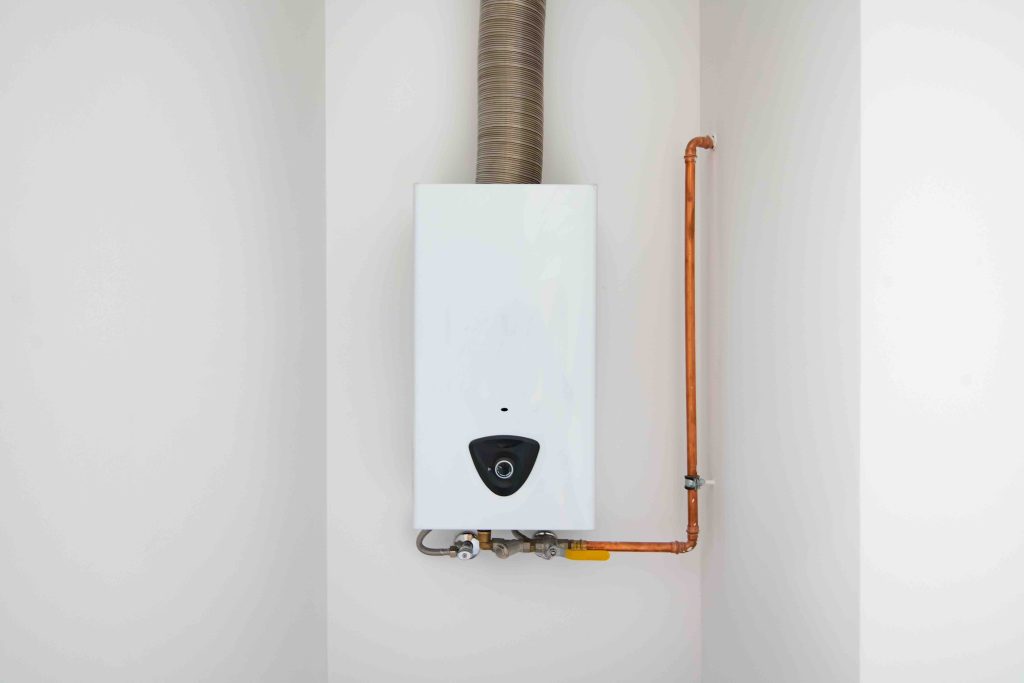
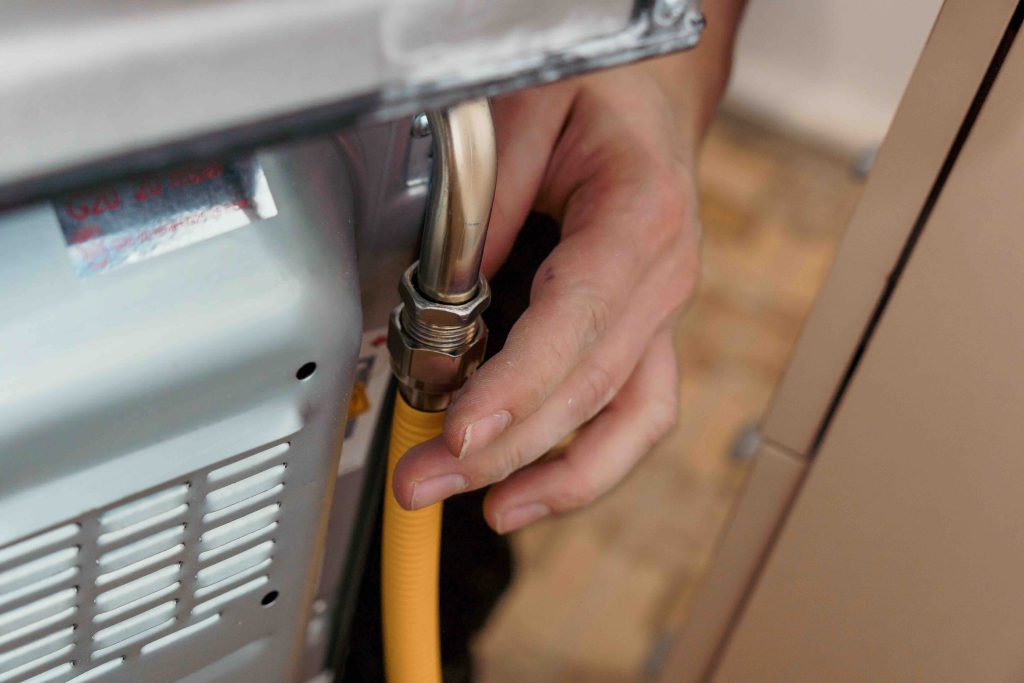
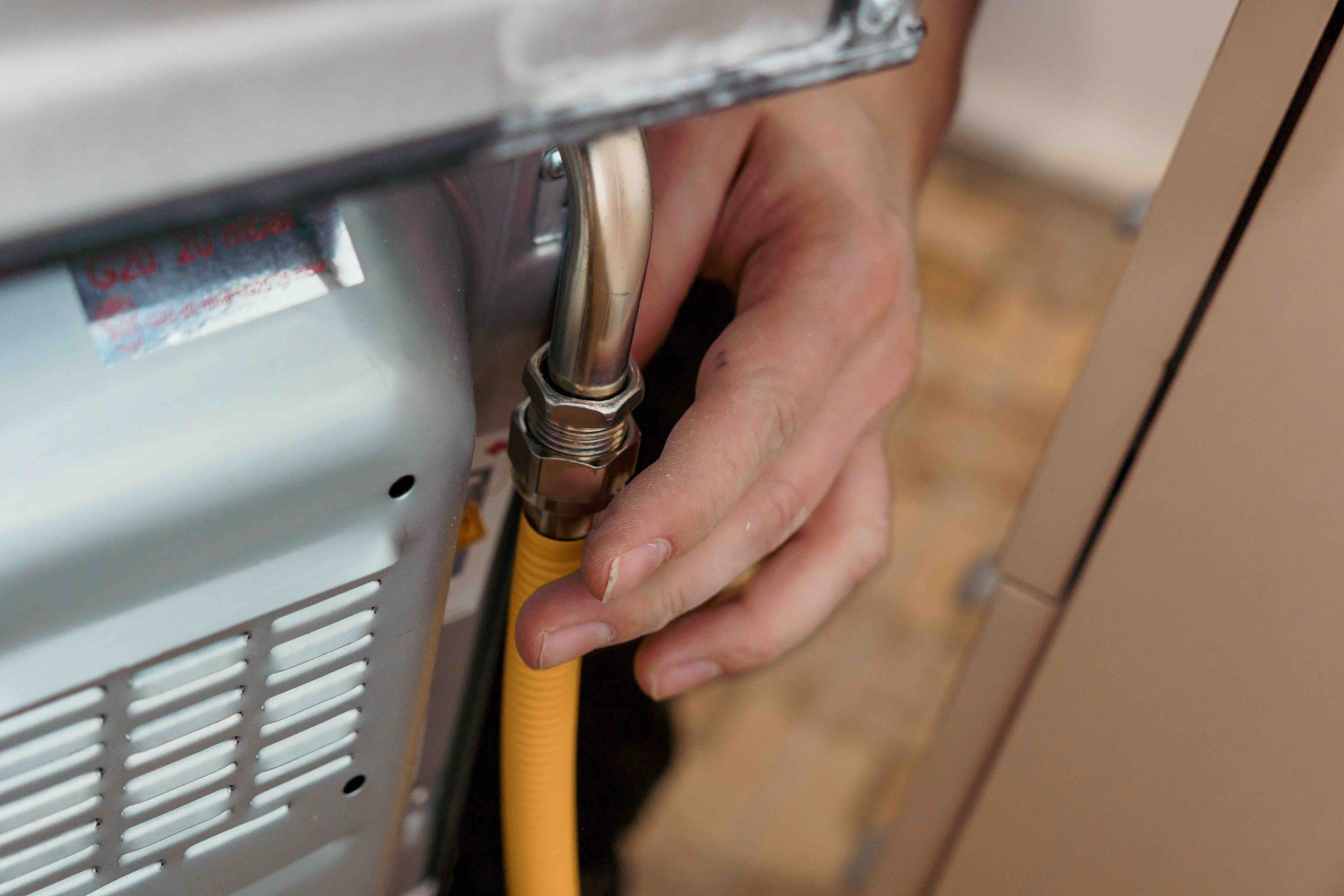
Installing a gas oven requires connecting the appliance to an existing gas supply line, securing the unit in place, and verifying there are no leaks before the appliance is ever turned on. If your home already has a gas line in the kitchen and you are simply replacing an old unit, the process is relatively straightforward for a qualified technician. If you are converting from electric to gas, the scope of work is considerably larger. A gas line will need to be run to the kitchen, which may involve permits, inspections, and coordination with your utility provider. Either way, gas oven installation is not a DIY project. Local codes in nearly every jurisdiction require this work to be done by a licensed professional, and for very good reason.
Key Advantages of Choosing a Gas Oven
Homeowners tend to choose gas ovens for a combination of performance and cost reasons. The benefits are real and worth considering carefully if you are on the fence.
- Faster heat response: Gas burners react instantly to temperature changes, which gives you more control during cooking.
- Lower operating costs: Natural gas is typically less expensive than electricity in most regions, which adds up over time.
- Moist heat environment: Gas combustion produces a small amount of moisture, which can benefit baked goods and roasted meats.
- Continued operation during power outages: Many gas ovens can be lit manually if the power goes out, offering a level of reliability electric units cannot match.
- Preferred by experienced cooks: Professional kitchens rely heavily on gas for a reason, and home cooks who take their craft seriously often feel the same way.
Common Drawbacks You Should Not Overlook
No appliance is without its trade-offs, and gas ovens are no exception. The heat distribution inside a gas oven can be uneven compared to electric models, particularly convection electric ovens. Hot spots near the bottom burner are common, which is why rotating pans mid-bake is often necessary. Gas ovens also require a gas line, which is a non-negotiable infrastructure requirement. Homes without an existing line face significantly higher upfront costs. There are also safety considerations that come with any gas appliance, including the risk of gas leaks, carbon monoxide exposure if the unit malfunctions, and the importance of proper ventilation. These are manageable risks, but they need to be acknowledged and planned for.

What to Expect in Terms of Cost
If you are replacing an existing gas oven with a new one and the gas line is already in place, installation costs typically range from around one hundred fifty to three hundred dollars for labor alone. The appliance itself varies widely based on brand and features, but mid-range freestanding gas ranges generally fall between five hundred and fifteen hundred dollars. Converting a kitchen from electric to gas is a different conversation entirely. Running a new gas line can cost anywhere from five hundred to over two thousand dollars depending on the distance from the main line, accessibility, and local permitting requirements. It is worth getting at least two or three quotes from licensed plumbers or gas technicians in your area before committing.
Permits and Safety Requirements You Cannot Skip
Most municipalities require a permit for gas line installation or modification. This is not bureaucratic overhead for the sake of it. Permits trigger inspections, and inspections catch problems before they become dangerous. Your technician should be pulling the permit on your behalf as part of the job. If they suggest skipping the permit process, that is a reason to find a different contractor. After installation, the line should always be checked with a pressure test and a gas leak detector solution before the oven is operated. Carbon monoxide detectors should be installed and functioning in the home any time a gas appliance is in use. These are not optional precautions.
Practical Tips for Maintaining Your Gas Oven Long-Term
Once your gas oven is installed and running, keeping it in good shape is mostly about consistency. Regular cleaning prevents grease buildup that can affect burner performance and create fire hazards. The igniter should be inspected periodically, as these components do wear out over time and can be inexpensive to replace when caught early. If you ever notice a sulfur or rotten egg smell near the appliance, leave the house immediately and call your gas company before re-entering. That smell indicates a potential gas leak and needs to be treated as an emergency. Scheduling an annual inspection of your gas appliances and connections with a qualified technician is one of the simplest things you can do to protect your home and your family.
How Gas Oven Installation Affects Your Home Warranty Coverage
This is where things get interesting for homeowners. A home warranty can provide meaningful financial protection for your gas oven once it is installed, but the details matter. Coverage typically applies to mechanical failures that occur through normal use, such as a faulty igniter, a malfunctioning thermostat, or a broken control valve. What home warranties generally do not cover is improper installation. If the oven was not installed correctly and that installation error leads to a component failure, the claim may be denied. This is yet another reason why using a licensed professional from day one matters, not just for safety, but for maintaining your eligibility for warranty coverage.
Why Armadillo Is Worth Your Attention When It Comes to Gas Appliance Protection
A gas oven is one of the more significant appliances in your home, and when it breaks down unexpectedly, the repair costs can hit harder than expected. Igniters, control boards, and gas valves are not cheap, and labor adds up fast. That is exactly the kind of scenario a home warranty is designed to handle. Armadillo home warranty coverage for gas ovens and kitchen appliances is built to give homeowners real protection without the fine print confusion that has given the industry a complicated reputation. The plans are straightforward, the service network is reliable, and when something goes wrong with your gas oven after a properly completed installation, you are not left figuring it out alone. If you want to understand what your coverage options look like before a problem ever comes up, you can get a personalized gas appliance home warranty quote from Armadillo in just a few minutes. Taking that step now, before a repair is needed, is what actually makes a warranty useful.

Frequently Asked Questions About Gas Oven Installation
Answers to the questions homeowners ask most often about installing and owning a gas oven.
Can I install a gas oven myself?
In most jurisdictions, gas appliance installation must be performed by a licensed professional. Attempting to install a gas oven yourself without the proper credentials may violate local codes, void the appliance warranty, and create serious safety hazards including gas leaks and fire risks.
How long does a gas oven installation typically take?
When replacing an existing gas oven on an already-installed gas line, installation typically takes between one and two hours. If a new gas line needs to be run, the project may span a full day or require multiple visits depending on complexity.
Do I need a permit to install a gas oven?
If any modification or extension of the gas line is involved, a permit is almost always required. Even for a straight appliance swap in some areas, permits may apply. Check with your local building department or ask your licensed installer before work begins.
What type of gas line does a gas oven need?
Most residential gas ovens connect to a natural gas supply line, though propane is also used in homes not connected to a utility gas grid. The line size and pressure requirements should match the appliance specifications, which a licensed plumber or gas technician will verify during installation.
How do I know if my home already has a gas line in the kitchen?
If your home has ever had a gas range or cooktop, there is likely an existing capped gas line in or near the kitchen. A licensed plumber can inspect the area and confirm whether a usable connection point is available before you purchase your appliance.
Is a gas oven more efficient than an electric oven?
Gas ovens generally heat up faster and are less expensive to operate in regions where natural gas costs are lower than electricity rates. However, electric ovens, especially convection models, often provide more even heat distribution. Efficiency depends on both the appliance and local utility pricing.
What are the signs that a gas oven is not installed correctly?
Signs of a problematic installation include a persistent gas smell near the appliance, difficulty igniting burners, uneven heating, or a flame that appears yellow or orange rather than blue. Any of these issues should be evaluated by a professional immediately.
Does a home warranty cover gas oven repairs?
Most home warranties that include appliance coverage will cover gas oven repairs resulting from mechanical or electrical failure under normal use. Coverage typically does not apply to improper installation, cosmetic damage, or issues caused by neglect. Always review your specific plan terms.
How often should a gas oven be inspected or serviced?
An annual inspection by a qualified appliance technician is a reasonable standard for any gas appliance. Routine checks should include burner performance, igniter condition, gas connection integrity, and thermostat accuracy. Consistent maintenance extends the life of the appliance and supports warranty eligibility.
What should I do if I smell gas coming from my oven?
Do not attempt to diagnose or repair the issue yourself. Leave the home immediately without turning any lights or appliances on or off, and call your gas utility provider from outside or from a neighbor’s phone. Only return when the utility company or a licensed technician has confirmed the situation is safe.