What Is a Circuit Breaker and Why Does It Matter in Your Home?
Most homeowners have experienced that moment: something trips, the lights go out in a room, and you head to the electrical panel hoping you remember which switch does what. That panel is home to your circuit breakers, and while they tend to stay out of sight and out of mind, they are one of the most important safety components in your entire home. Understanding how they work, when they fail, and what that failure actually means for your household is genuinely useful knowledge, especially when you are trying to decide whether something is a quick fix or a much bigger problem.
How a Circuit Breaker Actually Works
A circuit breaker is a switch designed to automatically interrupt electrical flow when something goes wrong on a circuit. Think of it as a gatekeeper. Every circuit in your home, whether it serves your kitchen outlets, your HVAC system, or your bedroom lights, runs through one of these breakers. When the electrical current flowing through that circuit exceeds a safe limit, the breaker trips and cuts the power. This prevents wires from overheating, which could otherwise lead to an electrical fire. The breaker can then be reset manually once the problem causing the overload is resolved. It is a pretty elegant system when it works correctly, and when it does not, you notice fast.
Common Reasons Circuit Breakers Fail or Trip Repeatedly
Not every tripped breaker signals a crisis, but repeated tripping is a signal worth taking seriously. There are a few common culprits behind circuit breaker issues, and knowing them can help you have a smarter conversation with an electrician.
- Overloaded circuits: Too many devices drawing power from a single circuit simultaneously is the most frequent cause of a tripped breaker.
- Short circuits: A more serious condition where a hot wire contacts a neutral wire, causing a sudden surge in current. This often produces a popping sound or burning smell.
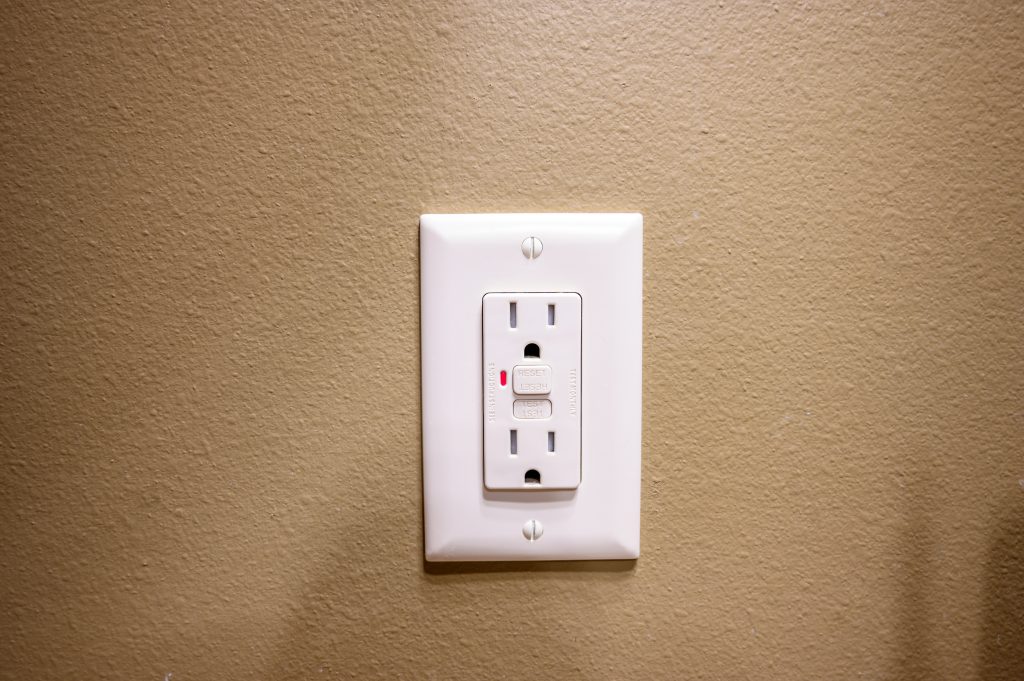
- Ground faults: Similar to a short circuit but occurs when a hot wire contacts a grounded component. These are especially dangerous in wet areas like kitchens and bathrooms.
- Worn or aging breakers: Breakers do wear out over time. An older breaker may trip under normal load conditions or, worse, fail to trip when it should.
- Faulty appliances: A malfunctioning appliance can draw irregular current and stress the circuit it is connected to.
Signs Your Circuit Breaker May Be Failing
A breaker that trips once in a while is doing its job. A breaker that trips constantly, will not reset, feels hot to the touch, or emits a burning smell is a different story entirely. Those are signs that the breaker itself may be defective or that something more serious is happening in your electrical system. Flickering lights when appliances run, outlets that stop working without explanation, or a breaker that trips immediately after being reset are all worth investigating. Ignoring these signs is not worth the risk, both from a safety standpoint and a financial one.

The Advantages of a Properly Functioning Circuit Breaker System
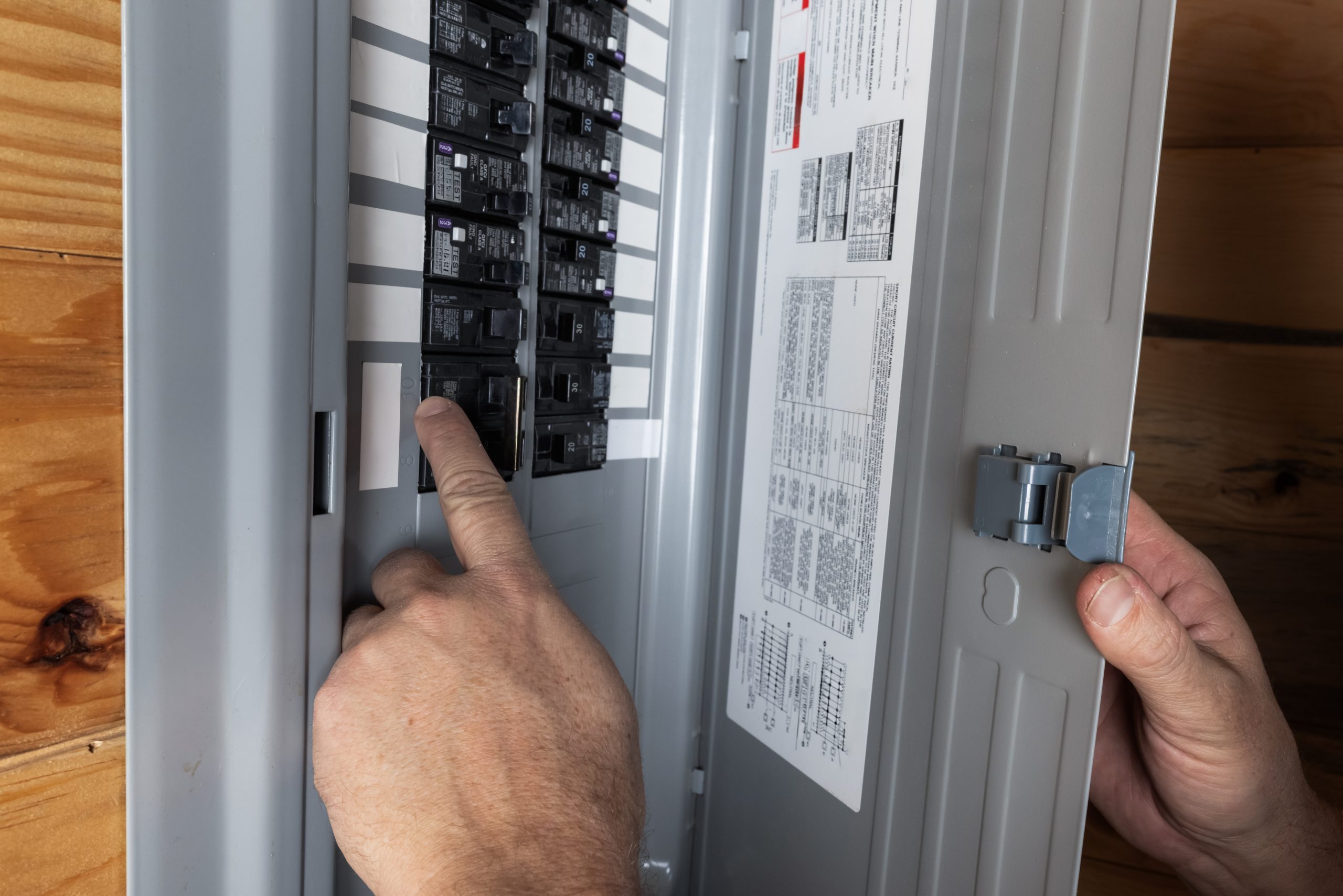
When your electrical panel and its breakers are in good working order, they do a tremendous amount of heavy lifting behind the scenes. They protect your home’s wiring from heat damage, protect your appliances from power surges, and protect your family from the risk of electrical fires. Modern breakers, including AFCI (Arc Fault Circuit Interrupter) and GFCI (Ground Fault Circuit Interrupter) breakers, offer even more refined protection. AFCI breakers detect dangerous arcing conditions that standard breakers might miss, while GFCI breakers respond to ground faults in milliseconds. Upgrading to these types of breakers where applicable is something many electricians recommend, particularly in older homes.
The Drawbacks and Limitations Homeowners Should Know
Circuit breakers are reliable, but they are not infallible. Older panels, particularly those from the 1970s and 1980s, may contain breakers that are no longer manufactured, making replacement harder and sometimes more expensive. Some panels have developed reputations for specific safety issues over the decades. Beyond that, a breaker that is failing internally may not trip when it should, which entirely defeats its safety purpose. Homeowners in older homes should have their panels inspected periodically by a licensed electrician. It is also worth noting that the cost of replacing a full electrical panel can range significantly, depending on your region and the complexity of the job.
What to Do When a Breaker Trips in Your Home
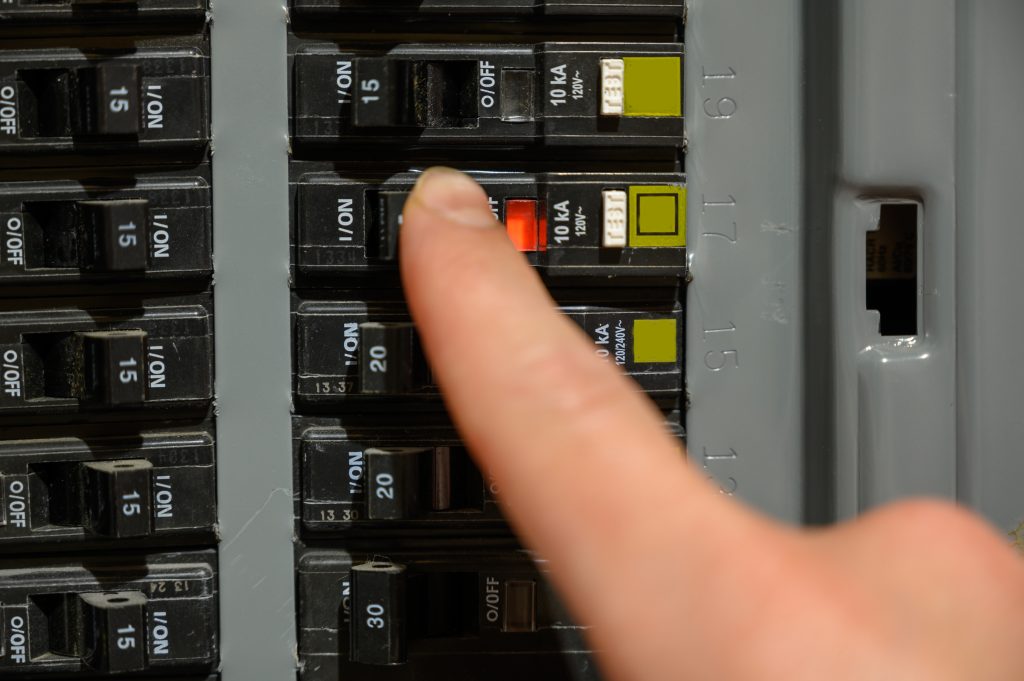
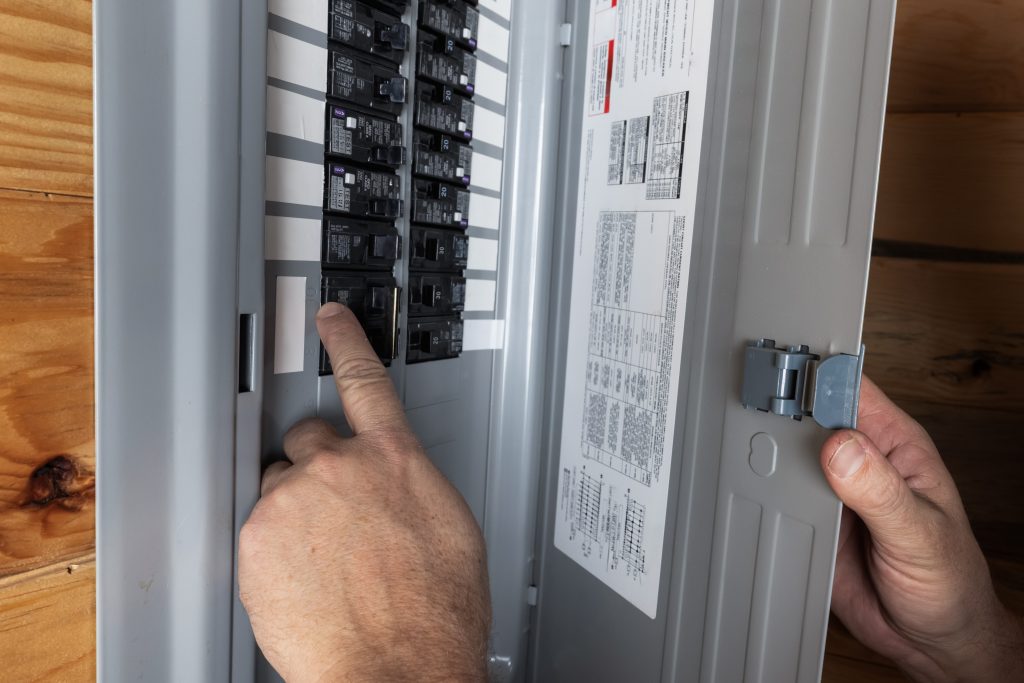
When a breaker trips, the immediate steps are straightforward. Locate your electrical panel, usually found in a basement, garage, utility room, or hallway. Look for the breaker that is in the middle or off position rather than firmly in the on position. Before resetting it, unplug or turn off any devices on that circuit to reduce the load. Then push the breaker firmly to the off position and then back to on. If it trips again immediately or repeatedly over the following days, that is your cue to call a licensed electrician. Do not attempt to replace a breaker yourself unless you have formal electrical training. This is one area where DIY enthusiasm can create real danger.
When Circuit Breaker Issues Become a Home Warranty Concern
Here is where things get interesting for homeowners who carry a home warranty. Electrical systems, including circuit breakers and wiring, are often covered under home warranty plans. If a breaker fails due to normal wear and tear, a home warranty can step in to cover the cost of diagnosis and repair, which can save you from an unexpected expense that tends to show up at the worst possible time. The key is understanding what your specific plan covers. Coverage can vary between providers, so reading the details of your electrical coverage before a problem occurs is always a smarter move than trying to figure it out mid-crisis.
Practical Tips for Maintaining Your Electrical Panel
Proactive care goes a long way when it comes to your electrical system. You do not need to be an electrician to take a few simple steps that reduce your risk and keep things running smoothly.
- Schedule a professional panel inspection every three to five years, or sooner if your home is over 25 years old.
- Avoid overloading circuits by spreading high-draw appliances across different outlets and circuits.
- Label your breakers clearly so you can identify circuits quickly during a problem.
- Check periodically that no breakers feel warm or show visible signs of corrosion or damage.
- If you are adding a major appliance or home addition, consult an electrician about whether your panel has adequate capacity.
Why Armadillo Is Worth Considering for Electrical System Coverage
Electrical failures rarely give advance notice, and circuit breaker issues are a textbook example of the kind of repair that catches homeowners completely off guard. That is exactly where a home warranty built around real coverage and real responsiveness makes a difference. Armadillo home warranty plans for electrical system protection are designed with homeowners in mind, offering clear terms and coverage that actually reflects how homes work and what tends to go wrong in them. When your breaker fails or your electrical panel needs attention, the last thing you want is to spend time arguing over coverage details. With Armadillo, you can get a personalized home warranty quote for circuit breaker and electrical coverage in just a few minutes, so you know exactly what you are getting before anything goes wrong. That kind of clarity is rare in this industry, and it matters.

Frequently Asked Questions About Circuit Breaker Failures and Home Warranty Coverage
These are some of the most common questions homeowners ask when dealing with circuit breaker issues and evaluating their home warranty options.
What causes a circuit breaker to keep tripping?
Repeated tripping is usually caused by an overloaded circuit, a short circuit, a ground fault, or a failing breaker that can no longer handle normal electrical loads. Identifying the root cause requires checking which devices are on the affected circuit and, if the problem persists, consulting a licensed electrician.
Is a tripping circuit breaker dangerous?
A breaker that trips occasionally is doing its job correctly and is not inherently dangerous. However, a breaker that trips repeatedly, will not reset, feels hot, or emits an odor can indicate a serious underlying issue that poses a real safety risk and should be evaluated promptly.
How long do circuit breakers typically last?
Most circuit breakers are rated for a lifespan of 30 to 40 years, though this can vary based on the quality of the unit, how frequently it trips, and the conditions in your electrical panel. Older breakers may become unreliable before the end of that range.
Can I replace a circuit breaker myself?
Replacing a circuit breaker involves working inside a live electrical panel, which carries a serious risk of electrocution. This work should be performed by a licensed electrician. It is not a recommended DIY task regardless of your comfort level with home repairs.
Does a home warranty cover circuit breaker failure?
Many home warranty plans include electrical system coverage that extends to circuit breakers and wiring components that fail due to normal wear and tear. Coverage specifics vary by provider and plan, so reviewing your contract terms is essential before assuming coverage applies.
How much does it cost to replace a circuit breaker?
Replacing a single circuit breaker typically costs between $150 and $300, including parts and labor. Replacing an entire electrical panel can range from $1,500 to over $4,000 depending on the panel size, your location, and the complexity of the installation.
What is the difference between a circuit breaker and a fuse?
Both protect circuits from overcurrent, but a fuse burns out and must be replaced after it does its job, while a circuit breaker can be reset and reused. Modern homes use breakers, but some older homes still have fuse boxes, which many electricians recommend upgrading.
What types of circuit breakers offer the most protection?
Standard breakers protect against overloads and short circuits. GFCI breakers add protection against ground faults and are required in wet areas. AFCI breakers detect dangerous arc faults that can cause fires and are increasingly required by modern building codes in bedrooms and living areas.
When should I consider upgrading my electrical panel?
You should consider upgrading if your panel is over 25 to 30 years old, uses breakers that are difficult to source, frequently trips under normal loads, cannot accommodate new appliances or additions, or has been flagged by an electrician or home inspector as inadequate for your home’s current electrical demand.
Will my home warranty cover the cost of an electrical panel upgrade?
Home warranty plans generally cover repairs and replacements due to mechanical failure from normal wear and tear. Upgrades required to meet code or to increase capacity are typically not covered, as they are considered improvements rather than repairs. Reviewing your plan’s specific exclusions is important for setting accurate expectations.