What Is Door and Window Weatherproofing and Why Does It Matter?
If you have ever felt a cold draft sneaking in around a closed window or noticed a thin strip of daylight peeking under your front door, you have already experienced the problem that weatherproofing is designed to solve. Door and window weatherproofing refers to the process of sealing gaps, cracks, and openings around your home’s doors and windows to prevent outside air, moisture, dust, and pests from entering. It sounds simple enough, but the impact this work has on your home’s comfort, energy efficiency, and long-term structural health is anything but minor. And honestly, it is one of those home improvements that a lot of people put off longer than they should.
How Door and Window Weatherproofing Actually Works
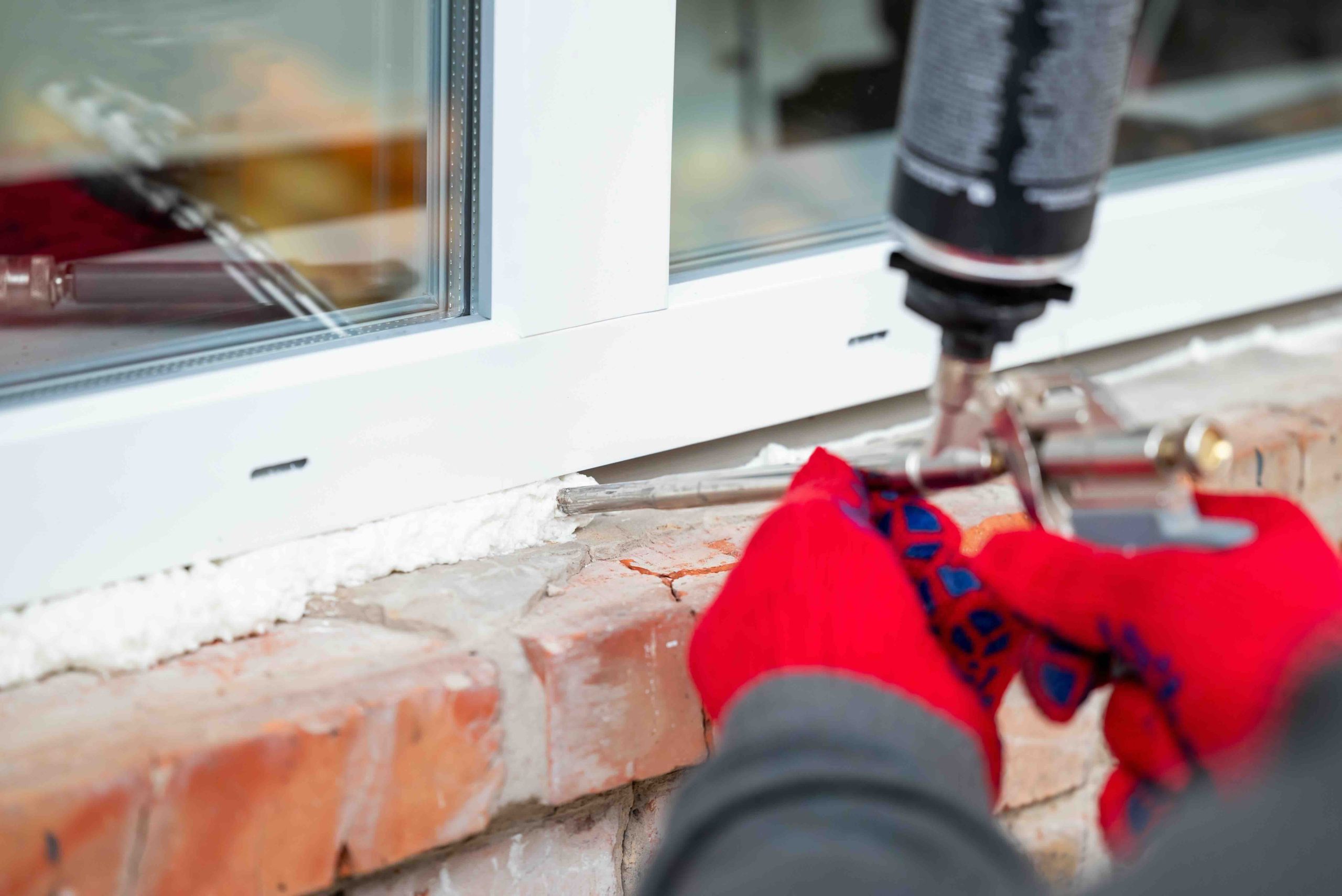
The basic concept is sealing the boundary between the movable parts of your doors and windows and the fixed frames surrounding them. Over time, the materials used in that sealing process degrade, shrink, or pull away from surfaces due to temperature swings, moisture exposure, and general wear. Weatherproofing addresses this by applying or replacing materials that close those gaps. There are several methods commonly used, and most homes benefit from more than one approach depending on where the problem areas are located.
Common Weatherproofing Materials and Methods
- Weatherstripping: Flexible strips of foam, rubber, vinyl, or metal applied along door and window edges to create a tight seal when closed.
- Caulking: A sealant applied to stationary cracks and gaps around window frames, door frames, and where frames meet siding or interior walls.
- Door sweeps: Strips attached to the bottom of exterior doors that press against the threshold to block drafts and moisture from entering underneath.
- Window film and glazing compounds: Used on older windows to seal around the glass pane itself, reducing air infiltration through deteriorating putty.
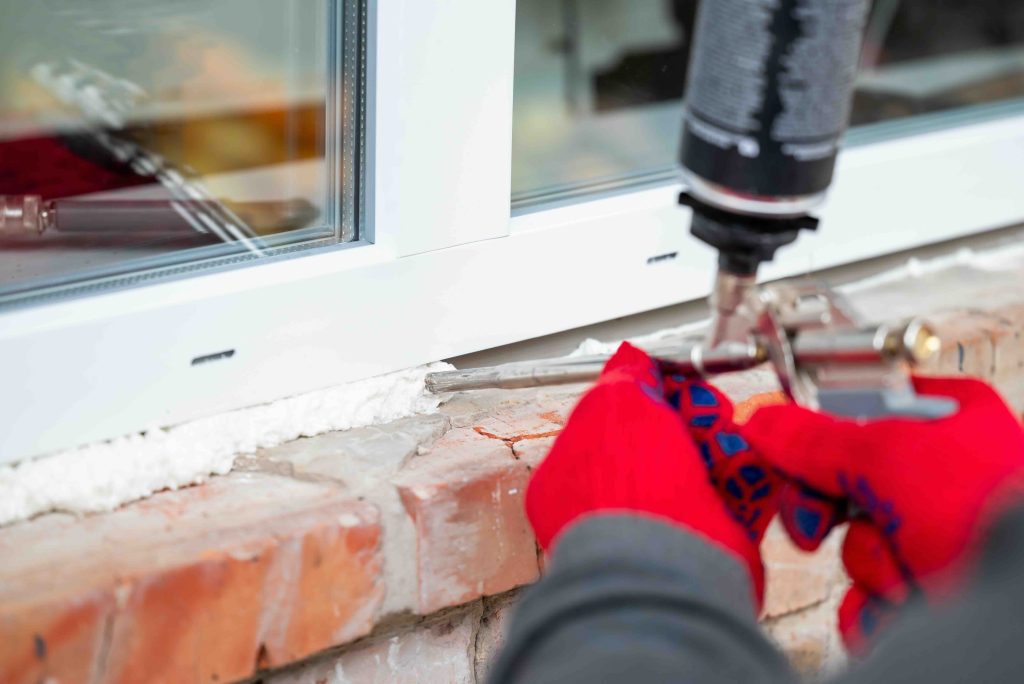
- Foam backer rod: A cylindrical foam material inserted into larger gaps before caulk is applied, providing structure for the sealant.
The Energy Efficiency Argument You Cannot Ignore
Here is something worth sitting with for a moment. The U.S. Department of Energy estimates that drafts around doors and windows can account for anywhere from 25 to 30 percent of residential heating and cooling energy use. That is not a small number. For a homeowner paying several hundred dollars a month in utility costs during peak seasons, that percentage represents real money leaving the household. Properly sealed doors and windows reduce the workload on your HVAC system, which means it runs less frequently, lasts longer, and costs less to operate. Weatherproofing is genuinely one of the highest return-on-investment home improvements available, especially when you factor in how low the upfront cost is compared to the ongoing savings.
Key Advantages of Weatherproofing Your Doors and Windows
Beyond the energy savings, the benefits of weatherproofing extend into several other areas of home performance that are worth understanding before you decide whether to tackle this project.
- Improved indoor comfort: Eliminating drafts creates more consistent temperatures throughout the home, especially in rooms adjacent to exterior walls.
- Moisture control: Proper sealing prevents water intrusion around window and door frames, which reduces the risk of mold, rot, and structural damage over time.
- Noise reduction: Quality weatherstripping and caulking add a meaningful layer of sound dampening, which is particularly noticeable in homes near busy roads or neighborhoods.
- Pest prevention: Gaps around doors and windows are common entry points for insects and rodents. Sealing them removes a significant vulnerability.
- Extended lifespan of doors and windows: Controlling moisture infiltration reduces the swelling, warping, and rot that degrade wooden frames prematurely.

The Drawbacks Worth Knowing Before You Start
No home improvement is without its complications, and weatherproofing is no different. The most common issue homeowners encounter is that sealing a home too tightly without proper ventilation planning can trap indoor air pollutants, humidity, and combustion gases from appliances. This is particularly relevant in older homes that were built with enough natural air leakage to maintain a reasonable air exchange rate. If you are planning a thorough weatherproofing project, it is worth pairing that effort with a conversation about indoor air quality and mechanical ventilation. Additionally, some weatherstripping materials have a limited lifespan and require periodic replacement, especially on high-traffic doors. Foam tape, for example, compresses over time and loses its effectiveness faster than metal or rubber alternatives.
How to Identify Problem Areas in Your Home
You do not need a professional energy audit to get started, though one can be tremendously helpful for prioritizing work. A basic inspection on a windy day can reveal a lot. Hold a lit incense stick or a thin piece of tissue near the edges of closed exterior doors and windows, and watch for movement. You can also run your hand slowly along frame edges on a cold day to feel for temperature differences. Pay special attention to corners where frames meet, the area beneath exterior doors, and any point where a window or door frame meets a masonry or siding surface. These are the spots where gaps most commonly develop over time.
DIY Versus Professional Weatherproofing
For most homeowners, basic weatherproofing falls well within the DIY category. Replacing door sweeps, applying foam weatherstripping, and recaulking window frames are all straightforward tasks that require minimal tools and can be completed in an afternoon. Hardware stores stock a wide range of products suited to different gap sizes, surface types, and exposure conditions. That said, there are situations where professional help is warranted. If your windows or doors have significant structural damage, if frames are visibly warped or rotted, or if you suspect water has already penetrated behind the frames, those issues go beyond what weatherproofing materials alone can resolve. A contractor or window specialist should assess those conditions before any sealant is applied.
Maintenance and Longevity: What to Expect Over Time
Weatherproofing is not a one-and-done task. The materials used to seal doors and windows have varying lifespans depending on the product type, climate, and exposure levels. Caulk around exterior window frames typically lasts five to ten years before cracking and pulling away from the surface. Foam weatherstripping on frequently used doors may need replacement every one to three years. Metal v-strip weatherstripping on door edges can last decades with minimal attention. Building a simple annual inspection into your home maintenance calendar, ideally in the fall before heating season begins, will help you catch deteriorating seals before they become energy drains or moisture problems.
Weatherproofing and Your Home Warranty: What Connects Them
This is a question that comes up more than you might expect. Standard home warranties focus on the mechanical systems and appliances inside your home, things like your HVAC system, water heater, and electrical components. Weatherproofing materials themselves, such as caulk, weatherstripping, and door sweeps, are typically considered homeowner maintenance items and fall outside the scope of a traditional home warranty plan. However, the connection is real and meaningful: when your doors and windows are properly sealed, your HVAC system is not working overtime to compensate for air leaks. A system that runs more efficiently is a system that is less likely to experience premature failure. Protecting your home at the envelope level supports the longevity of the covered systems inside it.
Why Armadillo Is the Right Partner for the Home Behind the Weatherstripping
Weatherproofing your doors and windows is a smart, proactive step toward a more efficient and comfortable home. But protecting the systems that run inside those walls requires a different kind of coverage. That is where Armadillo home warranty coverage for essential home systems and appliances comes in. Armadillo was built for homeowners who take their homes seriously, people who understand that maintenance and protection work together, not against each other. The platform is straightforward, the coverage is real, and the service is designed around how homeowners actually live. If you are ready to pair your weatherproofing efforts with meaningful coverage for what is under the hood, get a free home warranty quote for your doors, windows, and home systems today and see what a plan built for real homes actually looks like.

Frequently Asked Questions About Door and Window Weatherproofing
These are the questions homeowners ask most often when they start thinking seriously about weatherproofing their doors and windows.
How do I know if my doors and windows need weatherproofing?
Common signs include feeling drafts near closed doors or windows, noticing higher-than-usual energy bills, seeing visible gaps or daylight around door frames, hearing increased outside noise, or finding moisture or condensation between window panes or along frame edges.
What is the difference between caulking and weatherstripping?
Caulking is a flexible sealant applied to stationary joints and gaps, such as where a window frame meets the wall. Weatherstripping is a physical strip of material applied to moving parts of doors and windows, like the edges of a door that press against the frame when closed. Both are necessary for complete weatherproofing.
How long does weatherstripping typically last?
It depends on the material. Foam tape may last one to three years on high-use doors. Rubber and vinyl gaskets typically last three to five years. Metal v-strip weatherstripping is the most durable option and can last ten years or more with proper installation.
Can weatherproofing help reduce my energy bills?
Yes, significantly. The Department of Energy estimates that sealing air leaks around doors and windows can reduce heating and cooling costs by 10 to 20 percent annually, depending on the size of the gaps and your climate zone.
Is weatherproofing a DIY project or should I hire a professional?
Most standard weatherproofing tasks, including applying caulk, replacing door sweeps, and installing foam or rubber weatherstripping, are manageable DIY projects. Professional help is recommended when structural damage, significant water intrusion, or frame rot is present.
Does a home warranty cover weatherproofing materials or labor?
Generally, no. Weatherproofing materials like caulk, weatherstripping, and door sweeps are considered routine homeowner maintenance items. Home warranties typically cover mechanical systems and appliances rather than envelope maintenance. However, well-maintained weatherproofing indirectly protects your covered systems by reducing strain on the HVAC system.
What type of caulk should I use for exterior window frames?
For exterior applications, silicone or siliconized latex caulk is preferred. These products are flexible, water-resistant, and designed to handle temperature fluctuations without cracking. Avoid basic latex or acrylic caulk in areas exposed to weather or direct moisture.
How often should I inspect my weatherproofing?
A thorough inspection once a year is sufficient for most homes. The ideal time is early fall, before heating season begins. Check for cracked or peeling caulk, compressed or missing weatherstripping, gaps under doors, and any signs of moisture infiltration around frames.
Can poor weatherproofing cause mold or water damage?
Yes. Gaps around window and door frames allow moisture to penetrate into wall cavities, which creates conditions favorable for mold growth and wood rot. Over time, unaddressed moisture infiltration can compromise structural framing, insulation, and interior finishes.
What is the best way to weatherproof the bottom of an exterior door?
A door sweep attached to the interior base of the door is the most effective solution. For doors with an existing threshold, a combination door sweep and threshold seal provides the best performance. Ensure the sweep makes consistent contact with the threshold without creating excessive drag that could damage the flooring or door hardware.