Why Your Garbage Disposal Smells and What You Can Actually Do About It
You walk into the kitchen, everything looks fine, and then it hits you. That smell. It is hard to describe, somewhere between old food and something you would rather not think about, and it is coming from the sink. More specifically, it is coming from your garbage disposal. The good news is that a smelly garbage disposal is one of the most common kitchen complaints homeowners deal with, and it is also one of the most fixable. Understanding why it happens and how to stop it can save you from a lot of unnecessary frustration and, honestly, a lot of unpleasant mornings.
What Is a Garbage Disposal and How Does It Work
Before getting into solutions, it helps to understand what you are actually dealing with. A garbage disposal is a motorized unit mounted beneath your kitchen sink, between the drain and the P-trap. When you run the unit, it spins a grinding plate that breaks down food waste into small enough particles to pass through your plumbing. Most units run on a standard 120-volt electrical connection and are activated either by a wall switch or a button on the unit itself. They are designed to handle soft food scraps, not large bones or fibrous materials like celery stalks. When used correctly, they are extremely convenient. When used carelessly or neglected, they become a reliable source of unpleasant odors.
The Real Reason Your Disposal Smells So Bad
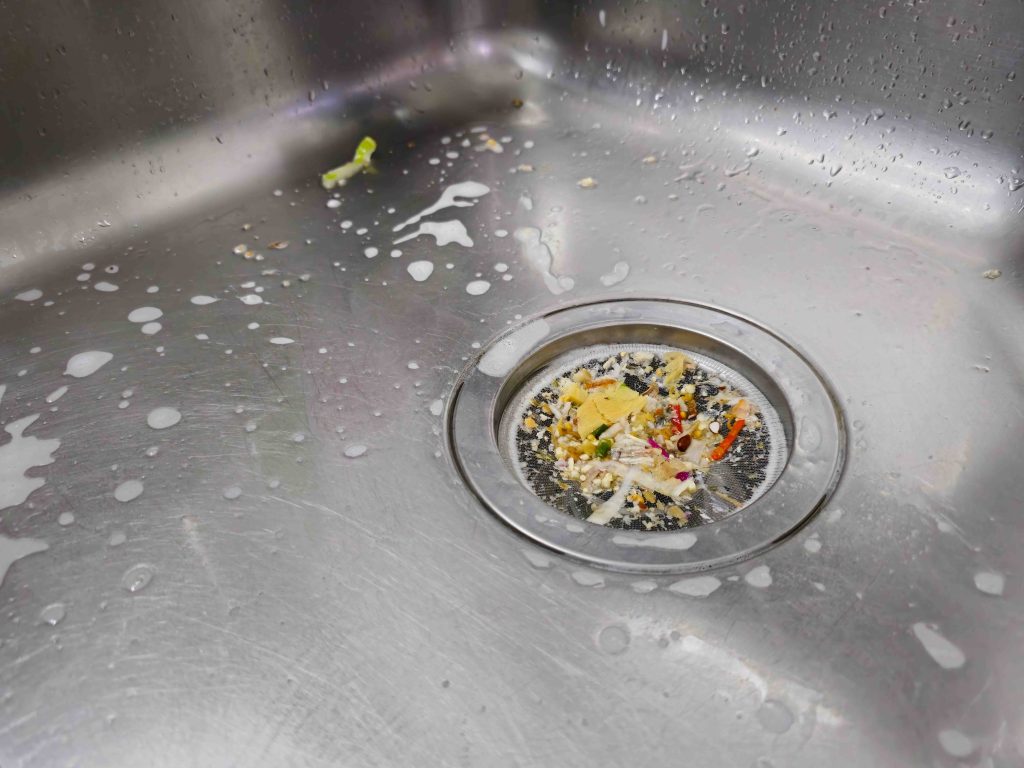
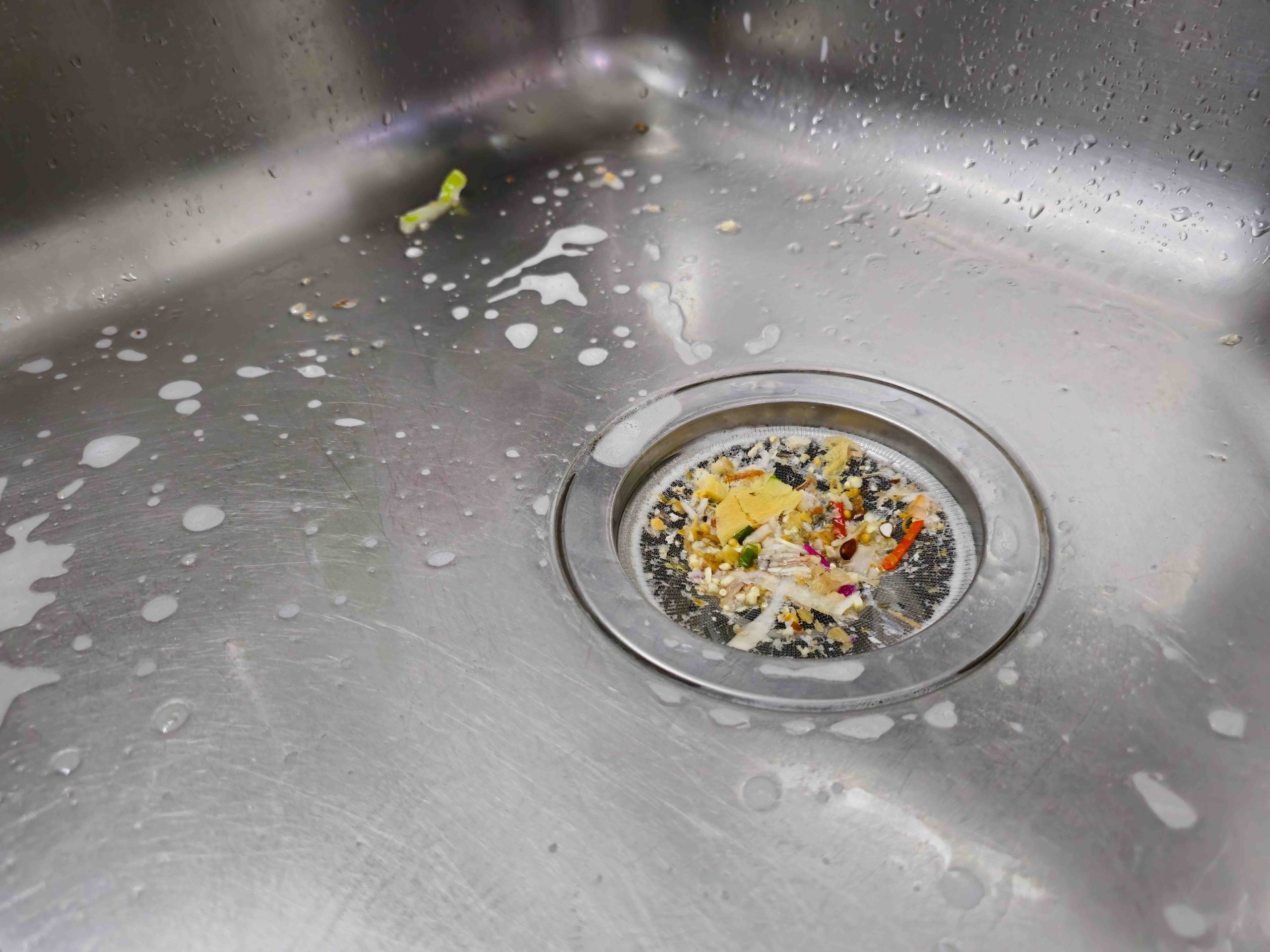
The smell is almost always caused by food buildup. Tiny particles of food get trapped in the grinding chamber, under the splash guard, along the inner walls of the unit, and even inside the drain line itself. Over time, that organic matter breaks down and produces bacteria and sulfur compounds, which is exactly what creates that rotten, sour odor. The underside of the rubber splash guard is one of the worst offenders because it rarely gets cleaned and stays moist, which is a perfect environment for bacterial growth. Grease buildup is another major factor. When grease goes down the drain, it coats the interior of the disposal and the pipe walls, trapping food particles even more effectively. The combination of grease, food residue, and moisture is essentially a recipe for a smell that spreads throughout the kitchen.

Proven Remedies That Actually Eliminate Garbage Disposal Odors
There is no shortage of advice on this topic, and most of it works when applied consistently. The key is targeting not just the smell but the source of it. Here are the most effective methods for getting rid of disposal odors and keeping them from coming back:
- Ice and salt: Fill the disposal with a few cups of ice and a generous amount of coarse salt, then run the unit dry. The abrasive action scrubs the grinding chamber walls and breaks down grease buildup without damaging internal components.
- Baking soda and white vinegar: Pour half a cup of baking soda into the disposal, follow it with a cup of white vinegar, and let the mixture foam for several minutes before rinsing with hot water. This combination neutralizes odors and helps loosen stuck-on residue.
- Citrus peels: Running lemon, lime, or orange peels through the disposal leaves a fresh scent and the natural oils in citrus help cut through grease on the interior walls.
- Dish soap flush: Squirt a moderate amount of dish soap directly into the disposal while running cold water and let the unit run for about 30 seconds. This is a simple weekly maintenance step that prevents buildup.
- Splash guard scrubbing: Lift the rubber splash guard and scrub both sides thoroughly with a small brush and dish soap. This step is frequently skipped and is often the single biggest contributor to ongoing odor problems.
What Not to Put Down Your Garbage Disposal
Remedying a smelly disposal is only half the battle. Preventing the conditions that cause odors in the first place requires a clearer understanding of what does not belong in the unit. Grease and cooking oils are among the most damaging items you can send through a disposal because they coat everything and do not break down. Fibrous vegetables like celery, artichokes, and asparagus can tangle around the grinding components and cause mechanical issues on top of odor problems. Starchy foods like pasta and rice expand when wet and can form a paste that sticks to the drain line. Coffee grounds seem harmless but accumulate over time and create a dense, odor-generating sludge. Being intentional about what goes into your disposal is the most sustainable long-term strategy for keeping it clean and functional.
How Often Should You Clean Your Garbage Disposal
Most plumbing professionals recommend giving your disposal a thorough cleaning at least once a week. A quick dish soap flush after each use is an easy habit to build, and a more intensive cleaning with baking soda, vinegar, or ice and salt should happen on a weekly or biweekly basis depending on how frequently you use the unit. The splash guard should be deep-cleaned at least once a month. If you notice odors returning quickly after cleaning, that may indicate a buildup issue further down the drain line that requires a more thorough flush or professional attention.
When the Smell Signals a Bigger Problem
Most garbage disposal odors are the result of routine buildup, but some smells point to more serious issues. A burning smell often indicates that the motor is overheating or that something has become jammed in the unit. A sharp, chemical odor might suggest a wiring issue. A persistent sewer smell that does not respond to cleaning can indicate a problem with the P-trap or a dry trap that is allowing sewer gases to enter your home. If you have cleaned your disposal thoroughly and the odor persists, or if you notice the unit is making unusual sounds or failing to drain properly, it may be time to call a plumber or appliance technician rather than continuing to troubleshoot on your own.
Key Advantages of Maintaining Your Garbage Disposal Properly
Regular maintenance of your garbage disposal does more than keep your kitchen smelling fresh. A well-maintained unit runs more efficiently, puts less strain on its motor, and has a significantly longer operational lifespan. Most disposals are designed to last between 8 and 15 years, but units that are neglected or used improperly often fail well before that range. Routine cleaning also prevents slow drains and minor clogs from developing into more serious plumbing problems that can be expensive to repair. From a home maintenance perspective, a garbage disposal is a relatively low-cost appliance to maintain, and the return on that minimal effort is meaningful.
Common Drawbacks of Garbage Disposals Worth Knowing
Garbage disposals are undeniably useful, but they are not without their limitations. They require water to operate safely, which adds to your household water usage over time. They are not suitable for all types of food waste, which means homeowners still need an alternative disposal method for excluded items. Mechanical failures, jammed grinding plates, and motor burnouts do happen, and repair or replacement costs can be significant depending on the unit. There is also the matter of plumbing compatibility. Older homes may have pipes that are not well-suited to handle the output from a disposal, which can lead to recurring clogs if the issue is not addressed. Knowing these limitations helps you make more informed decisions about how you use and protect the appliance.
How a Home Warranty Can Protect Your Garbage Disposal and Kitchen Appliances
Here is where things get practical. A garbage disposal is a mechanical appliance, and like any mechanical appliance, it will eventually wear out or break down. When that happens, the repair or replacement cost lands entirely on you, unless you have a home warranty in place. That is exactly the kind of financial exposure that Armadillo home warranty coverage for kitchen appliances and home systems is designed to address. Armadillo offers straightforward, transparent home warranty plans that cover the systems and appliances that matter most to homeowners, including built-in kitchen appliances like garbage disposals. When something breaks down due to normal wear and tear, you are not left scrambling to find a technician or figure out how to cover an unexpected expense. If you want to understand exactly what your coverage options look like, you can get a free garbage disposal home warranty quote and explore Armadillo plans in just a few minutes. The process is fast, the pricing is clear, and the protection is real.

Frequently Asked Questions About Garbage Disposal Smells and Maintenance
These are the questions homeowners ask most often when dealing with disposal odors and general unit maintenance.
What causes a garbage disposal to smell bad even after cleaning?
If the odor persists after cleaning, the most common culprit is the underside of the rubber splash guard, which is frequently missed during routine cleaning. Buildup inside the drain line or a partially blocked P-trap can also cause lingering odors that surface cleaning cannot resolve.
Is it safe to put baking soda and vinegar in a garbage disposal?
Yes, this is one of the most effective and safe methods for deodorizing a garbage disposal. The chemical reaction between baking soda and vinegar helps break down organic residue and neutralize odor-causing bacteria without damaging the unit’s components.
How long do garbage disposals typically last?
Most garbage disposals last between 8 and 15 years depending on the brand, model, and how well they are maintained. Units that are regularly cleaned and used appropriately tend to reach the higher end of that range.
Can I use bleach to clean my garbage disposal?
Using bleach occasionally and in small diluted amounts can help kill bacteria, but it should not be used as a primary cleaning method. Bleach can deteriorate rubber components over time and is not effective at removing the grease and food buildup that typically causes odors.
Why does my garbage disposal smell like sewage?
A persistent sewer-like smell often indicates a problem with the P-trap beneath the sink. If the trap has dried out or developed a partial blockage, sewer gases can escape into the kitchen. This issue typically requires a plumber to inspect and correct rather than a simple cleaning routine.
Does running cold water help with garbage disposal odors?
Running cold water while operating the disposal helps flush food particles through the unit and into the drain line, which reduces buildup. Cold water is recommended over hot water because it keeps fats and grease in solid form, making them easier to grind and flush away.
What foods are the worst for causing disposal odors?
Grease, cooking oils, onion skins, egg shells in large quantities, and starchy foods like pasta or rice are among the worst contributors to disposal odors. These materials either coat internal surfaces, expand in water, or decompose in ways that accelerate bacterial growth.
Are garbage disposals covered under a standard home warranty?
Coverage varies by provider and plan. Many home warranty providers include built-in kitchen appliances such as garbage disposals, but it is important to review the specific terms of any plan to confirm what is included and what limitations apply to coverage.
How do I know if my garbage disposal needs to be replaced rather than repaired?
If the unit is leaking from the bottom, frequently resetting itself, making persistent grinding noises, or is more than 10 years old and failing regularly, replacement is usually more cost-effective than ongoing repairs. A technician can assess the unit and provide a clear recommendation.
Can citrus peels damage a garbage disposal?
No, citrus peels are generally safe for garbage disposals and are actually beneficial for deodorizing. However, they should be used in small amounts and should not be used as a substitute for routine mechanical cleaning, since the fresh scent only masks odors rather than eliminating the underlying buildup.