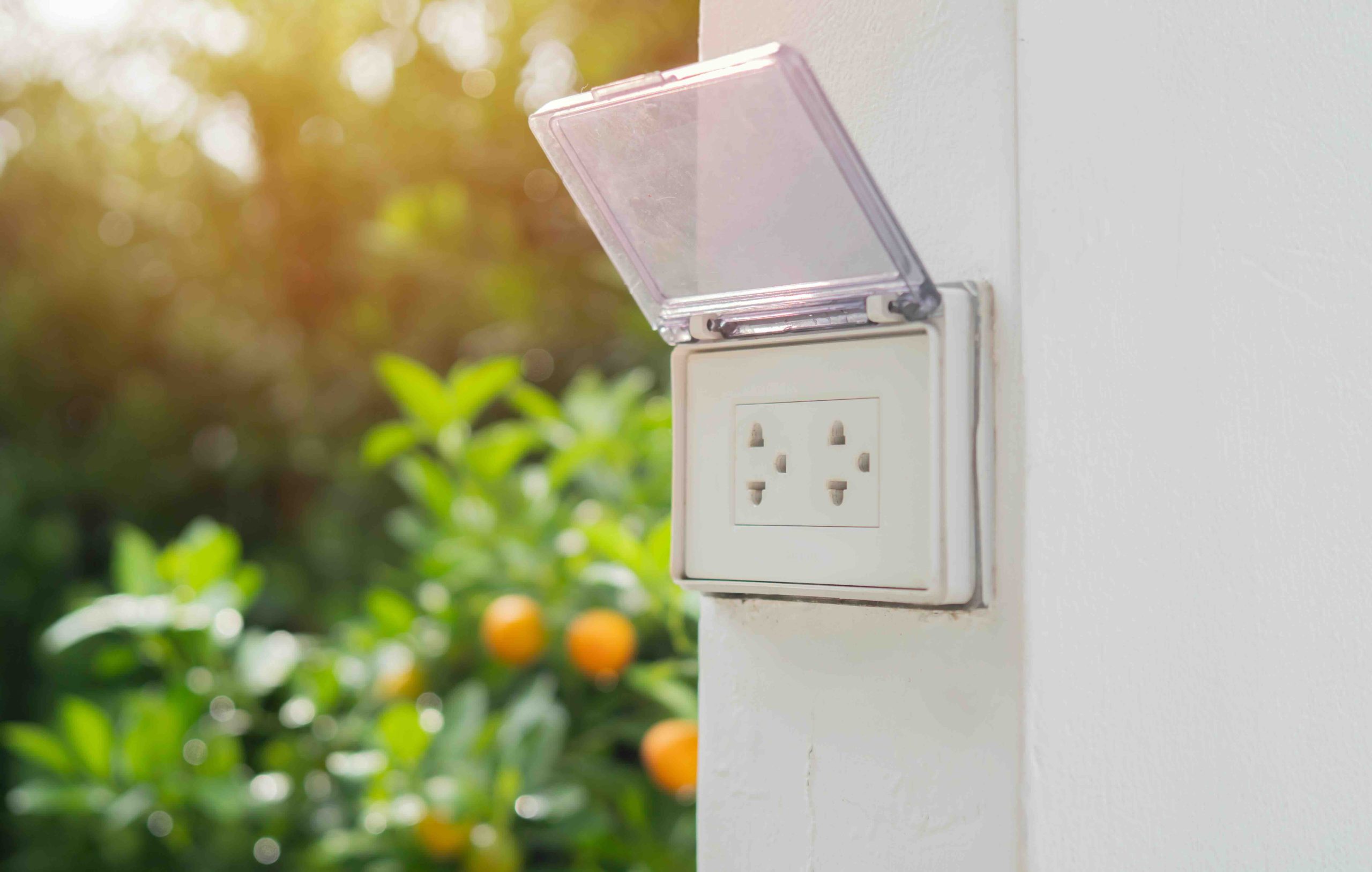
What Is an Outside Wall Outlet and Why Does Your Home Need One
If you have spent any time doing yard work, decorating for the holidays, or running power tools in the driveway, you already know the frustration of dragging an extension cord through a cracked door or an open window just to get power outside. That is exactly where an exterior wall outlet, also called an outside wall outlet or outdoor electrical outlet, earns its place. It is a weatherproof electrical receptacle mounted to the exterior of your home that gives you convenient, safe access to power without the improvised workarounds. Simple concept, big payoff. And if your home does not already have one or enough of them, it is worth understanding what you are working with before making any decisions.
How an Outside Wall Outlet Actually Works
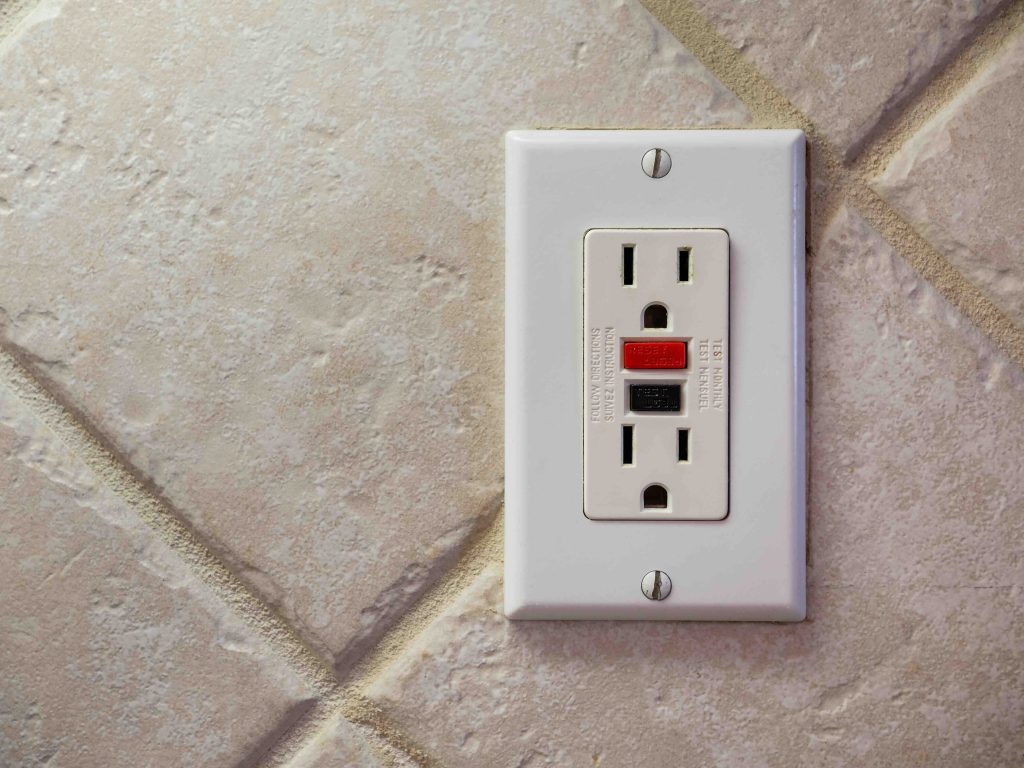
An exterior wall outlet functions on the same basic principles as any indoor outlet. It connects to your home’s electrical panel through wiring routed inside the walls and terminates at a weatherproof receptacle box mounted on the outside of your home. The difference is in the design. Outdoor outlets are built to handle exposure to rain, humidity, dust, and temperature fluctuations. They are covered with protective covers that either flip open when in use or, in newer installations, remain sealed even while a plug is inserted. The National Electrical Code requires all outdoor outlets to be protected by a Ground Fault Circuit Interrupter, commonly known as a GFCI. A GFCI outlet monitors the flow of electricity and shuts off power almost instantly if it detects an imbalance, which is the kind of thing that can prevent a serious shock. So yes, the outlet you plug your string lights into on Thanksgiving weekend has a very important job.
Types of Outdoor Outlets Worth Knowing
Not every outside wall outlet is the same, and the differences matter more than most homeowners realize. Here is a breakdown of what you are likely to encounter:
- Standard GFCI Outlet: The most common type, required by code for outdoor use. Includes test and reset buttons directly on the outlet face.
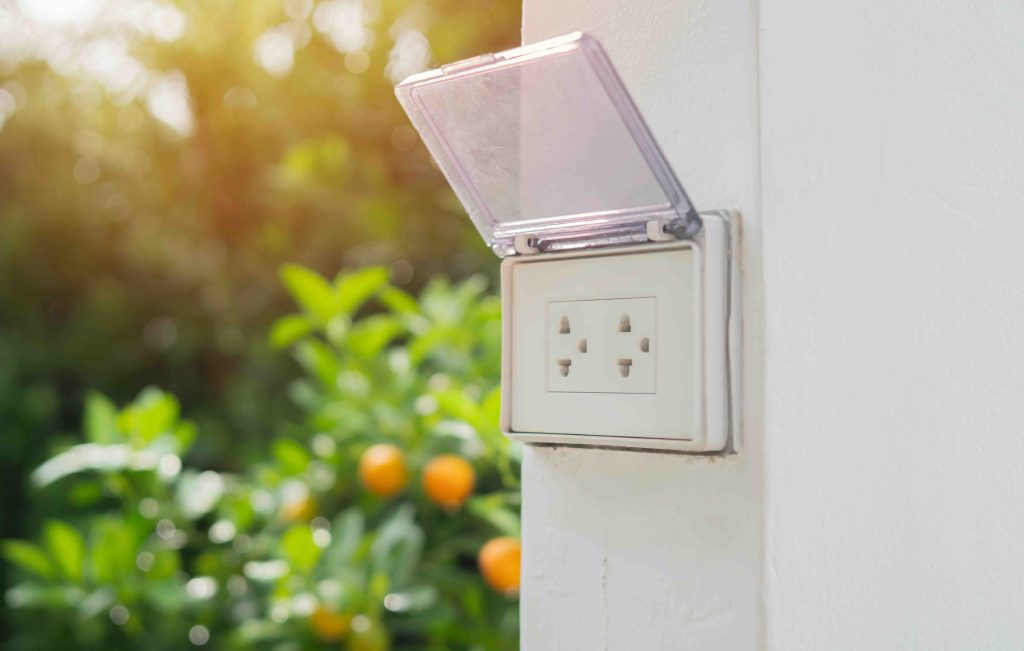
- In-Use Cover Outlet: Also called a “while-in-use” cover, this design allows a plug to remain connected while the weatherproof cover stays closed over it. This is now code in most jurisdictions.
- Recessed Outlet: Set back into the wall so that bulky plugs or adapters do not stick out awkwardly. Great for tight spaces or areas near foot traffic.
- 20-Amp Outlet: Designed for higher-draw equipment like pressure washers, air compressors, or outdoor power tools. Requires appropriately rated wiring.
- Outlet with USB Ports: A newer option showing up on more homes. Convenient for charging devices outdoors without a separate adapter.
The Key Advantages of Having an Exterior Wall Outlet
The benefits of a properly installed outdoor outlet extend well beyond convenience, though convenience alone is a fair reason to add one. Landscaping equipment, outdoor speakers, patio lighting, power washers, EV chargers for light use, holiday decorations, and outdoor kitchen appliances all require accessible power. A well-placed exterior outlet eliminates tripping hazards from extension cords running through doorways and reduces wear and tear on indoor outlets that were never meant to handle outdoor load patterns. From a home value standpoint, outdoor electrical access is increasingly viewed as a standard amenity rather than a bonus feature. Buyers and inspectors notice when it is missing, and adding it before listing your home is one of those low-cost improvements that often returns more than it costs.
Common Drawbacks and Limitations to Consider
Installing an outside wall outlet is not a complicated project for a licensed electrician, but it does come with considerations that homeowners should not overlook. First, running new wiring through finished walls can be more involved than it appears from the outside. Depending on where your panel is located and how your home is constructed, the labor costs can vary significantly. Second, outdoor outlets require periodic inspection. The weatherproofing components, including covers and gaskets, degrade over time and need replacement. A cover that no longer seals correctly is an invitation for moisture intrusion, which can cause corrosion or, worse, a short circuit. Third, older homes may not have the electrical capacity or appropriate grounding infrastructure to support new outdoor circuits without panel upgrades. If your home is more than 30 years old, that is a conversation worth having with a licensed electrician before assuming it is a straightforward installation.

What Electrical Code Says About Outdoor Outlets
The National Electrical Code sets minimum requirements for outdoor outlet placement, and most local jurisdictions adopt these standards with occasional modifications. The code currently requires at least one outdoor outlet at the front and rear of every single-family home. Outlets must be GFCI-protected, tamper-resistant if children could have access, and covered with in-use weatherproof covers. They also must be mounted at least six and a half feet above grade if they are accessible from a deck or balcony, or in specific positions relative to doorways and grade level otherwise. These are minimums. Many homeowners go beyond the code requirements to place outlets near outdoor kitchens, detached garages, garden areas, and around pools or water features, where additional code rules apply. Always pull the proper permits and work with a licensed electrician to ensure the installation is inspected and documented correctly.
How to Tell If Your Outdoor Outlet Needs Attention
Outdoor outlets tend to be out of sight and therefore out of mind. That is a problem, because when they fail, they often fail quietly and without warning. Signs that your exterior wall outlet may need inspection or replacement include outlets that feel warm to the touch even when nothing is plugged in, outlets that no longer hold a plug firmly, covers that are cracked or missing the gasket seal, discoloration or scorch marks around the receptacle, and GFCI outlets that trip frequently or no longer reset. Any of these symptoms warrants a call to a licensed electrician. Do not assume a tripping GFCI is just being finicky. It is detecting a problem and doing its job by shutting down, which means something in that circuit is worth investigating.
Practical Tips for Maintaining Your Outdoor Outlets Year Round
Maintenance is where most homeowners drop the ball on outdoor electrical, and it is one of the easiest things to stay on top of with a little routine attention. Test your GFCI outlets monthly by pressing the test button and confirming the reset button pops and the outlet loses power, then pressing reset to restore it. Inspect the covers each spring and fall for cracks, missing gaskets, or signs of corrosion. Keep the area around outdoor outlets clear of mulch, sprinkler spray, and standing water. If you are in a climate with hard winters, know where your outdoor circuit breakers are located so you can shut off power to outdoor outlets when pipes or fixtures are at risk of freezing. Small habits like these extend the life of your outlets and reduce the likelihood of a bigger electrical problem developing over time.
Outside Wall Outlet Costs and What to Budget For
The cost of adding or replacing an outside wall outlet varies based on location, scope of work, and local labor rates, but here is a general sense of what homeowners report spending. A straightforward replacement of an existing outdoor outlet typically runs between 100 and 200 dollars including labor. Adding a brand new outlet with new wiring from the panel can range from 200 to 500 dollars or more, depending on the distance from the panel and wall construction. If conduit is required, if the panel needs updating, or if trenching is involved for a detached structure, costs can climb higher. Getting two or three quotes from licensed electricians is always a smart move. And if your home has multiple aging outdoor outlets, addressing them all in one visit is usually more cost-effective than scheduling separate service calls.
Why Armadillo Home Warranty Belongs in This Conversation
Here is where it gets practical. Your home’s electrical system, including the wiring and components that power your outdoor outlets, is one of those systems you rarely think about until something goes wrong. And when it does go wrong, the costs can surprise you. That is the exact gap that a home warranty is designed to fill. Armadillo home warranty coverage for electrical systems and home appliances is built for homeowners who want straightforward protection without the fine print frustration. Armadillo covers key electrical components when they break down due to normal wear and tear, so a failed GFCI, wiring issue, or panel problem does not turn into an out-of-pocket emergency. If you are thinking seriously about protecting your home’s systems and want something that is actually easy to use, take two minutes to get a personalized home warranty quote for electrical and system protection and see what coverage looks like for your specific home. It is one of those decisions that tends to feel obvious in hindsight.

Frequently Asked Questions About Outside Wall Outlets
Does every home legally need an outdoor electrical outlet?
Yes. The National Electrical Code requires at least one GFCI-protected outdoor outlet at the front and one at the rear of every single-family home. Local codes may have additional requirements.
Can I install an outside wall outlet myself?
Technically some homeowners with electrical knowledge attempt this, but it is strongly recommended to hire a licensed electrician. Outdoor outlets require proper permits, GFCI protection, and weatherproof installation that must meet local code and pass inspection.
What makes an outdoor outlet different from an indoor one?
Outdoor outlets are rated for weather exposure and must be housed in weatherproof enclosures with in-use covers. They are also required to be GFCI-protected to reduce shock risk from wet conditions.
How often should I test my outdoor GFCI outlets?
You should test them at least once a month. Press the test button to cut power, then press reset to restore it. If the outlet does not respond correctly, it needs to be replaced.
Why does my outdoor outlet keep tripping?
Frequent tripping usually indicates a ground fault, moisture intrusion, a wiring issue, or an overloaded circuit. Do not ignore this. Have a licensed electrician inspect the outlet and circuit.
Is a 15-amp or 20-amp outdoor outlet better?
It depends on what you plan to plug in. A standard 15-amp outlet handles most outdoor lighting and tools. A 20-amp outlet is better suited for high-draw equipment like pressure washers, compressors, or outdoor kitchen appliances.
What is an in-use weatherproof cover and do I need one?
An in-use cover keeps the outlet sealed even while a plug is inserted, protecting it from rain and moisture during use. Current electrical code requires this type of cover for all outdoor outlets in most jurisdictions.
Can outdoor outlets be affected by cold weather?
Yes. Extreme cold can cause covers to become brittle and crack, and moisture can freeze inside conduit or enclosures. Inspecting outdoor outlets each spring and fall helps catch cold weather damage early.
Does a home warranty cover outdoor electrical outlets?
Coverage varies by provider and plan. Some home warranties cover interior electrical wiring and components, which may include wiring connected to outdoor outlets. Review your plan details or contact your provider to confirm what is included.
How long do outdoor GFCI outlets last?
With proper installation and maintenance, outdoor GFCI outlets typically last 10 to 15 years. Exposure to harsh weather, heavy use, or moisture intrusion can shorten that lifespan considerably.