How Long Does an Oven Last? What Every Homeowner Should Know
Your oven is one of those appliances you probably do not think about until something goes wrong. It just sits there, quietly doing its job, roasting chickens and baking cookies and heating up leftovers without much fanfare. But like everything in your home, it has a lifespan, and knowing how long an oven typically lasts can save you from an unpleasant surprise right before the holidays. Whether you are trying to decide if a repair is worth it or just curious how much life your current range has left, this guide covers what you need to know.
The Average Lifespan of an Oven
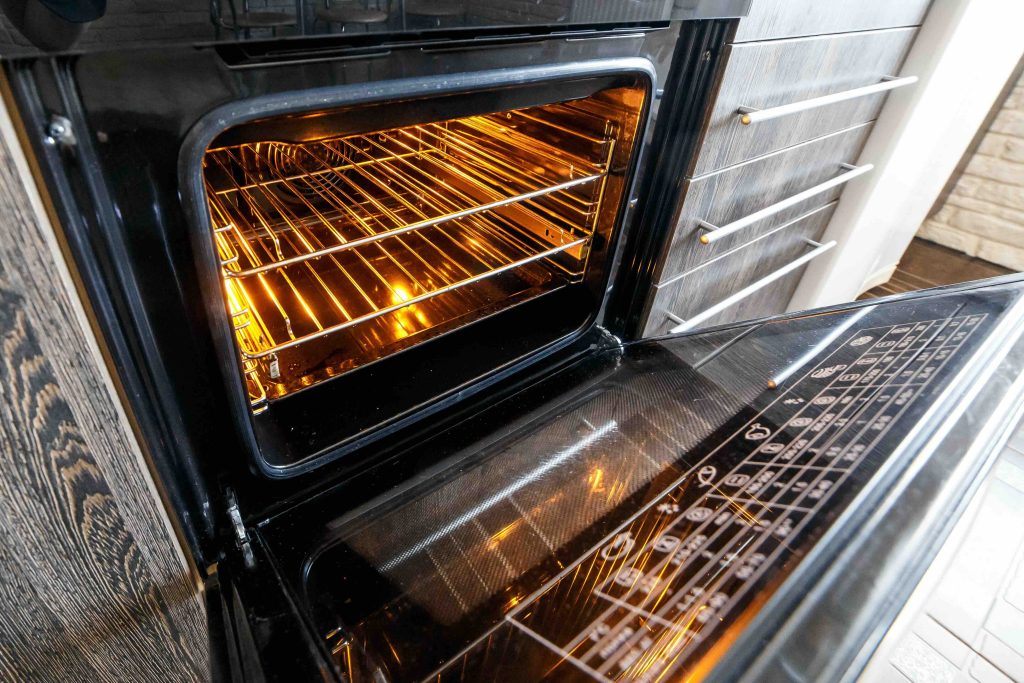
Most ovens last between 13 and 15 years, though plenty of units push past the 20-year mark with proper care. Gas ranges tend to outlast their electric counterparts by a few years, largely because they have fewer electronic components that can fail. Electric ovens, including induction models, usually average around 13 years. Convection ovens fall somewhere in that same range. The short version is that a well-maintained oven is a long-term investment, but nothing lasts forever. Knowing where yours falls on that timeline is genuinely useful information for your household budget and planning.
Factors That Affect How Long Your Oven Will Last
Not every oven ages the same way, and several factors can shorten or extend the life of your appliance significantly. Usage is probably the biggest variable. An oven that runs for hours every single day is going to wear down faster than one used a few times a week. Brand quality matters too, and so does how well the unit was installed. Here are some of the most common factors that influence oven longevity:
- Frequency of use and the types of cooking done regularly
- Quality of the original components and the brand’s manufacturing standards
- Whether the oven was properly installed and ventilated
- How consistently the appliance is cleaned and maintained
- The age of the home’s electrical or gas infrastructure
- Whether repairs were made promptly when issues first appeared
Ignoring a small problem, like a burner that does not heat evenly or a door seal that has started to crack, can compound over time and take years off an appliance that could have otherwise run smoothly for much longer.
Signs Your Oven May Be Nearing the End of Its Life
There are warning signs that show up before a full breakdown, and recognizing them early gives you options. If your oven takes noticeably longer to preheat than it used to, or if your food is consistently coming out unevenly cooked despite no changes to your recipes, something is likely off with the heating elements or temperature calibration. Visible rust, a door that does not seal properly, frequent error codes, or a pilot light that keeps going out on a gas unit are all worth paying attention to. Repair costs are another clue. If you are spending more than half the cost of a new oven on repairs within a short period, replacement is usually the smarter call.
Gas vs. Electric vs. Induction: Does Type Affect Lifespan?
Yes, and it is worth understanding the differences before your next purchase. Gas ranges are generally considered the most durable option, with fewer electronic parts and more straightforward mechanics. They are also preferred by serious home cooks for the level of temperature control they offer. Electric ovens are common and affordable, but their reliance on electronic components like control boards and heating coils means there are more parts that can fail. Induction cooktops are efficient and impressive, but the technology is more complex, and repairs can be more costly when something does go wrong. Your cooking habits and local utility costs are worth considering alongside expected lifespan.

How to Extend the Life of Your Oven
Maintenance is the single most effective thing you can do to get the most out of your oven. Keeping the interior clean prevents grease buildup that can affect heating performance and create fire hazards. Using the self-cleaning function sparingly is also worth noting, since the extremely high temperatures involved can actually stress internal components over time. Replacing worn door seals, checking burner elements regularly, and calibrating the thermostat if you notice temperature inconsistencies are all low-effort steps with a meaningful payoff. Treating your oven like the long-term appliance it is, rather than something that simply runs in the background, makes a real difference.
Repair vs. Replace: How to Make the Call
This is where a lot of homeowners get stuck. The general rule used by appliance professionals is the 50 percent rule: if a repair costs more than 50 percent of the price of a new unit, replacement is the more logical financial choice, especially if the oven is already past the midpoint of its expected lifespan. A repair on a 3-year-old oven is usually worth it. A repair on a 14-year-old oven with multiple issues probably is not. Factor in the age of the appliance, the total cost of the repair, and whether other components are also showing wear. Sometimes the repair is straightforward and the oven has years of good use ahead. Other times, you are just delaying the inevitable.
What a Home Warranty Covers When It Comes to Ovens
A home warranty can be a genuinely valuable safety net when your oven or range breaks down due to normal wear and tear. Most home warranty plans that include appliance coverage will cover components like heating elements, igniters, control boards, and internal wiring. What they typically do not cover is cosmetic damage, misuse, or pre-existing conditions. Reading the terms of your specific plan matters, because coverage details vary between providers. The benefit of having that coverage in place is straightforward: instead of absorbing an unexpected repair or replacement cost out of pocket, you pay a service fee and let the warranty handle the rest. For an appliance that can cost anywhere from several hundred to a few thousand dollars to replace, that financial buffer is worth considering seriously.
When to Start Planning for Oven Replacement
If your oven is between 10 and 12 years old, it is a reasonable time to start paying closer attention and thinking ahead. That does not mean you need to replace it immediately, but having a sense of your options and budget before the appliance fails completely puts you in a much better position. Appliance prices fluctuate, and shopping under pressure, after an unexpected breakdown right before a major event, is never ideal. Researching models, understanding your energy preferences, and knowing whether your home warranty provides coverage for replacement costs or only repair are all pieces of information that serve you better gathered in advance than in a moment of stress.
Why Armadillo Is the Home Warranty Partner Your Oven Deserves
When your oven gives out, the last thing you want to deal with is a complicated claims process or a warranty provider that makes you jump through hoops. Armadillo was built specifically to remove that friction. As a trusted home warranty provider for appliance and system protection, Armadillo keeps things transparent, straightforward, and genuinely homeowner-friendly. There are no surprise exclusions designed to leave you holding the bill, and no confusing fine print that contradicts the coverage you thought you purchased. If you want to know exactly what protecting your oven and other major appliances would cost before committing to anything, you can get a personalized home warranty quote for oven and appliance coverage in just a few minutes. Your oven has been showing up for your household for years. It makes sense to have a plan in place for when it eventually needs backup.

Frequently Asked Questions About Oven Lifespan and Coverage
Here are some of the most common questions homeowners ask when it comes to how long ovens last and what to do when problems arise.
How long does the average oven last?
Most ovens have a lifespan of 13 to 15 years, with gas ranges often lasting slightly longer than electric models. With consistent maintenance and prompt repairs, some units remain functional for 20 years or more.
Does the brand of oven affect how long it lasts?
Yes, brand quality and manufacturing standards play a meaningful role. Higher-end brands tend to use more durable components, which can extend appliance life, though regular maintenance matters just as much as the brand name.
Is it worth repairing an oven that is 10 years old?
It depends on the cost of the repair relative to the cost of a new oven. If the repair is minor and the unit is otherwise functioning well, it can be worth it. If the repair is significant and the oven is showing multiple signs of wear, replacement may be the more cost-effective decision.
What are the most common oven repairs?
The most frequent issues include failed heating elements, faulty igniters on gas models, broken temperature sensors, malfunctioning control boards, and worn door seals. Most of these repairs are straightforward when caught early.
Does a home warranty cover oven repairs?
Many home warranty plans that include appliance coverage will cover oven repairs resulting from normal wear and tear. This typically includes components like heating elements, igniters, and control boards, though coverage details vary by provider and plan.
How do I know if my oven’s temperature is off?
If food is consistently overcooked or undercooked at standard temperatures, or if preheating takes significantly longer than it used to, your oven’s thermostat may need calibration. An inexpensive oven thermometer can help you confirm whether the displayed temperature matches the actual internal temperature.
Can I extend the life of my oven by cleaning it regularly?
Absolutely. Keeping the interior clean reduces grease buildup that can interfere with heating performance and create safety hazards. Regular cleaning, combined with checking seals and components, is one of the most effective ways to extend appliance lifespan.
When should I start shopping for a new oven?
If your oven is approaching the 10 to 12 year mark and showing signs of declining performance, it is a good time to begin researching replacement options. Shopping proactively gives you more time to compare models and prices without the pressure of an urgent breakdown.
Are induction ovens more reliable than gas or electric?
Induction cooktops are energy-efficient and precise, but they rely on more complex electronics, which can make repairs more expensive. Gas ranges are generally considered the most mechanically straightforward and tend to have longer average lifespans.
What should I look for in a home warranty plan that covers appliances?
Look for a plan that clearly defines what components are covered, has a transparent claims process, does not require a lengthy waiting period for coverage to begin, and has a straightforward service fee structure without hidden costs or vague exclusions.