That Little Button on Your Outlet Might Be More Important Than You Think
You were probably doing something else entirely, maybe plugging in a lamp or rearranging furniture, and you accidentally pressed a small button on one of your electrical outlets. Nothing happened. Or maybe something did happen and you are not quite sure what. Either way, you are now wondering what that button actually does and whether pressing it was a problem or, somehow, a good thing. Here is the short answer: that button is part of a GFCI outlet, and it is one of the most quietly important safety features in your home. Worth understanding, especially if you are a homeowner trying to stay ahead of things.
What Is a GFCI Outlet and Why Does It Exist
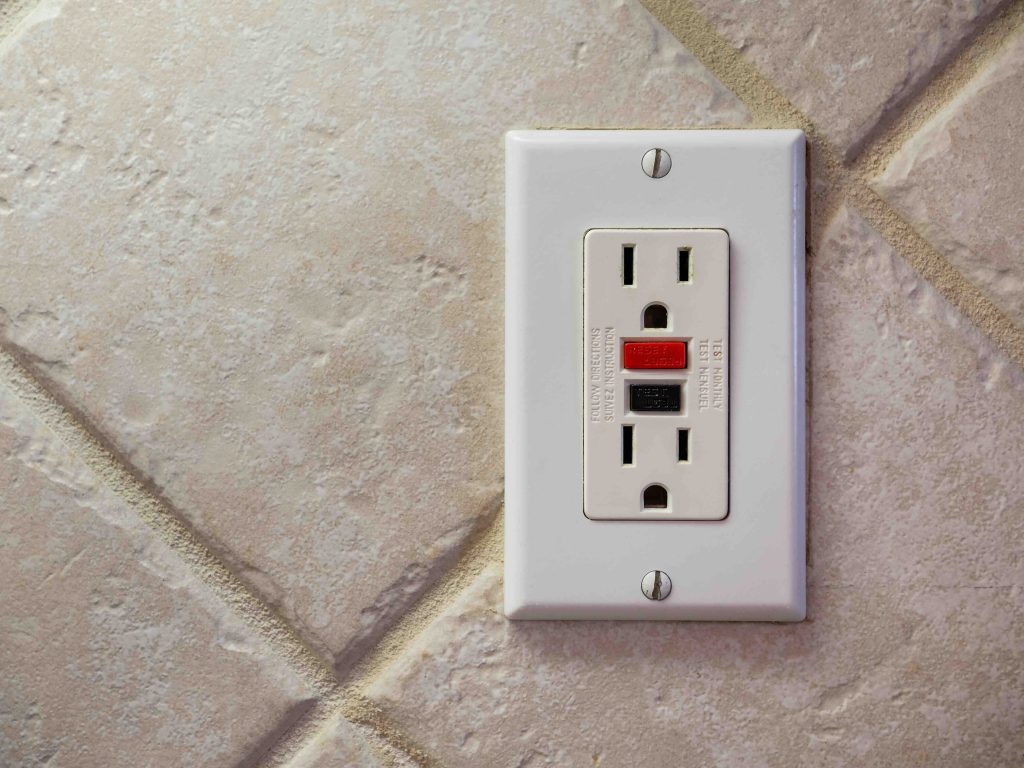
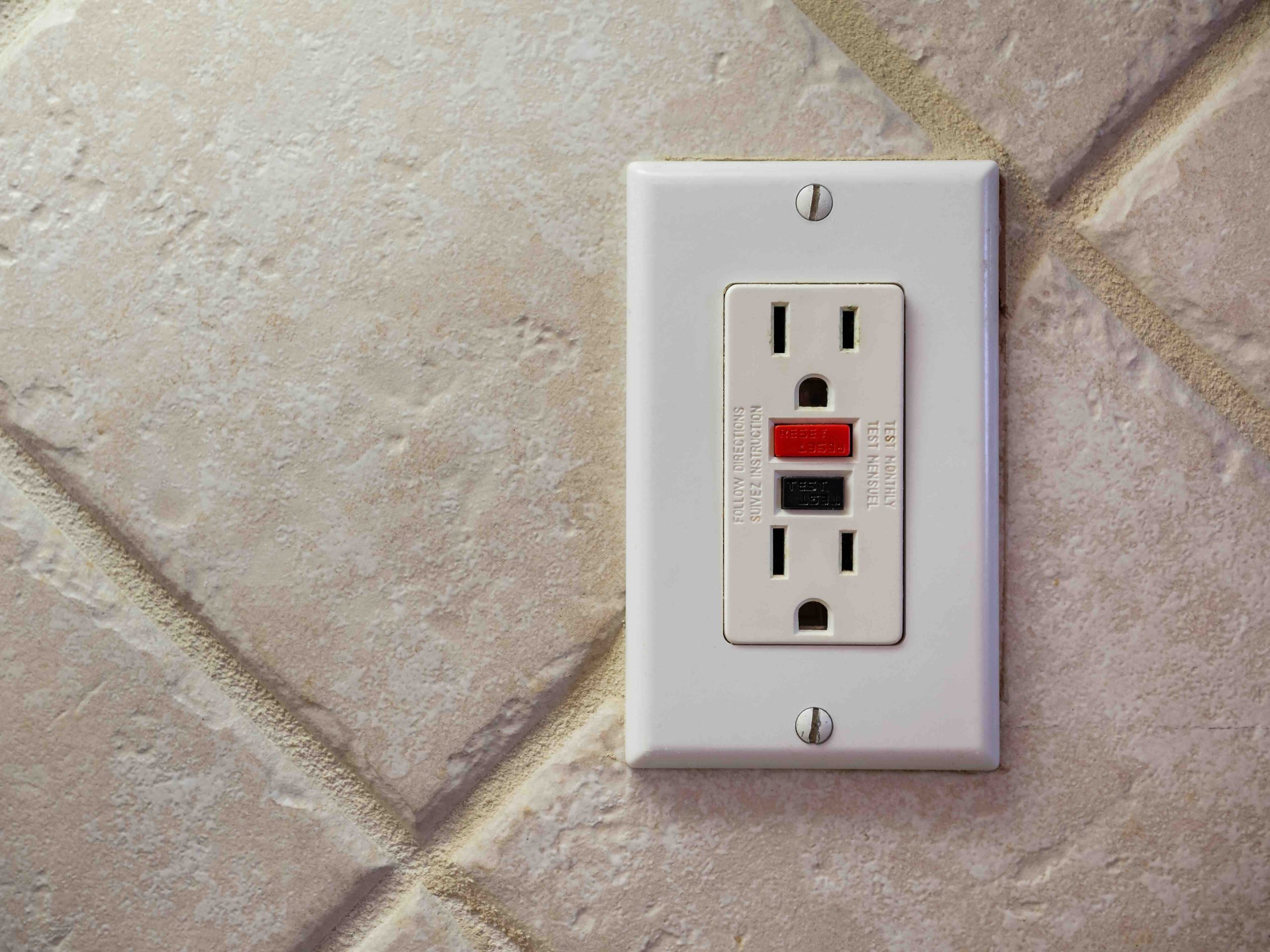
GFCI stands for Ground Fault Circuit Interrupter. That is a mouthful, but the concept is actually pretty straightforward. A GFCI outlet is designed to detect tiny imbalances in electrical current, the kind that happen when electricity is traveling somewhere it should not, like through a person. When it senses that imbalance, it cuts power almost instantly, in as little as one-thirtieth of a second. That response time is fast enough to prevent serious injury or electrocution in many situations. The two buttons you see on the outlet face are labeled TEST and RESET, and together they let you verify the outlet is functioning properly without needing any special tools. GFCI outlets became required by the National Electrical Code in the 1970s, starting in bathrooms and expanding over the decades to kitchens, garages, outdoor areas, unfinished basements, and anywhere water and electricity might share space.
What Actually Happens When You Press the Test Button
When you press the TEST button, you are intentionally triggering a simulated ground fault inside the outlet. The outlet responds by cutting power to itself and, in some cases, to other outlets that are wired downstream from it on the same circuit. That is by design. The TEST button exists so homeowners can verify the outlet is doing its job without waiting for an actual electrical emergency to find out. If the outlet is working correctly, pressing TEST should cause any device plugged into it to lose power, and the RESET button should pop out slightly. Pressing RESET restores power. If you press TEST and nothing changes, or if pressing RESET does not restore power, the outlet may be faulty and should be inspected by a licensed electrician. So if you accidentally pressed that button, you did not break anything. You actually ran a safety test.
Where You Will Find GFCI Outlets in Your Home
GFCI outlets are most commonly installed in areas where moisture is present or likely. Knowing where to look for them helps you understand your home’s electrical layout and respond quickly if a circuit trips unexpectedly.
- Bathrooms, including near sinks and vanities
- Kitchen countertops within six feet of a sink
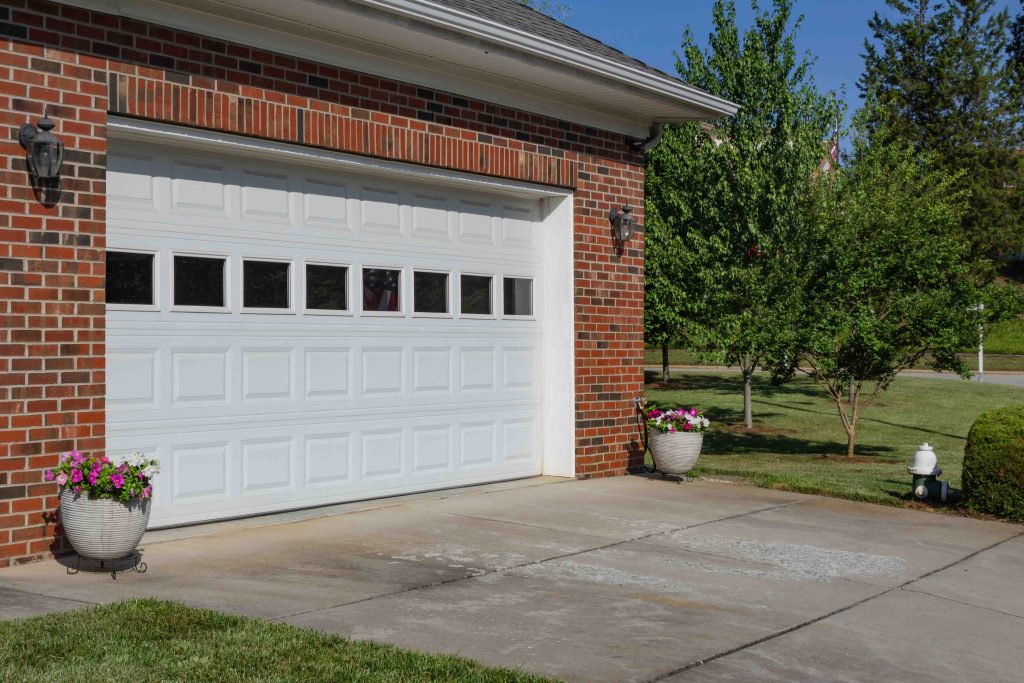
- Garages and detached structures with electrical access
- Outdoor outlets and covered patio areas
- Unfinished basements and crawl spaces
- Pool equipment areas and boat docks
- Laundry rooms and utility sinks
Older homes may have fewer GFCI outlets than current code requires, and that is worth noting if you are evaluating your home’s safety or planning a renovation. An electrician can assess whether your current outlets meet modern standards.
The Key Advantages of GFCI Outlets in Your Home
The safety argument for GFCI outlets is overwhelming. They reduce the risk of electrocution significantly, particularly in wet environments where the danger is highest. Beyond personal safety, they also help protect appliances and electronics by cutting power during a fault before more serious damage can occur. From a home value standpoint, having properly installed and functioning GFCI outlets is something home inspectors look for, and missing or non-functional ones can flag during a sale. For homeowners carrying a home warranty, having documented, code-compliant electrical systems can also support smoother claims experiences. GFCI outlets are not expensive, they are relatively simple to test, and the protection they offer is disproportionately large compared to their cost.

Common Drawbacks and Misconceptions About GFCI Outlets
GFCI outlets are not without their quirks. One of the most common complaints homeowners have is nuisance tripping, where the outlet cuts power in response to something harmless, like a power surge or a sensitive appliance. Older GFCI outlets are also more prone to wear over time and may begin tripping more frequently as the internal components degrade. Some homeowners mistake a tripped GFCI outlet for a dead outlet, panic unnecessarily, and call an electrician when the fix is simply pressing RESET. On the other end of the spectrum, some people never test their GFCI outlets at all and assume they are working fine when they may have actually failed in the open position, meaning they are providing power but no longer offering any ground fault protection. That is a less common but genuinely dangerous scenario.
How to Test Your GFCI Outlets the Right Way
Testing your GFCI outlets takes about thirty seconds and requires no tools whatsoever. Plug something into the outlet, a lamp or a phone charger works well. Press the TEST button and confirm that the device loses power. Then press RESET and confirm that power is restored. That is the entire process. Experts generally recommend doing this test about once a month, though quarterly is realistically what most homeowners manage. If the outlet fails either step, do not continue using it and have it inspected. One additional tip worth knowing: a single GFCI outlet can protect multiple standard outlets wired downstream from it, so if you are troubleshooting a dead outlet elsewhere in the house, the culprit may be a tripped GFCI outlet in a nearby bathroom or kitchen rather than a breaker issue.
GFCI Outlets Versus GFCI Breakers: What Is the Difference
Some homes use GFCI breakers in the electrical panel instead of, or in addition to, GFCI outlets. A GFCI breaker performs the same function but protects an entire circuit rather than a single outlet. Homes with GFCI breakers may have standard-looking outlets without the TEST and RESET buttons, because the protection is handled upstream at the panel. Both approaches are code-compliant depending on the installation. The practical difference for homeowners is that a tripped GFCI breaker means a trip to the electrical panel, while a tripped GFCI outlet can be reset right at the outlet itself. Understanding which system your home uses helps you troubleshoot faster and communicate more clearly with electricians or home warranty representatives when something goes wrong.
When a Tripped GFCI Outlet Signals a Bigger Problem
Most of the time, a tripped GFCI outlet is a minor inconvenience with an easy fix. But there are situations where it is pointing to something that needs real attention. If an outlet trips repeatedly under normal use, that can indicate a wiring issue, moisture intrusion, or a failing appliance that is drawing power inconsistently. If you reset the outlet and it immediately trips again, that is the circuit telling you something is wrong and using it further is not advisable. Ground faults in walls can also be a sign of deteriorating insulation on wiring, which is a fire risk over time. When in doubt, the correct move is to stop using the circuit and have a licensed electrician evaluate it. Home warranty coverage for electrical systems can be genuinely valuable in these moments, helping offset the cost of diagnosis and repair.
Why Armadillo Is Worth Considering for Electrical and Home System Protection
Electrical issues are one of the more unpredictable categories of home repair. A tripped GFCI outlet might reset in thirty seconds, or it might be the first sign of a wiring problem that costs several hundred dollars to address properly. That kind of uncertainty is exactly where a home warranty earns its place. Armadillo home warranty coverage for electrical systems and major home components is built for homeowners who want real protection without the bureaucratic friction that tends to make traditional warranty claims feel like a part-time job. Armadillo keeps things clear, straightforward, and actually useful. If you want to see what coverage looks like for your specific home, you can get a personalized home warranty quote for GFCI outlets and electrical systems in just a few minutes. No pressure, just a clear picture of what protection could look like for you.

Frequently Asked Questions About GFCI Outlets
These are the questions homeowners ask most often once they realize that small button on their outlet is worth paying attention to.
What does it mean if I accidentally pressed the test button on my outlet?
You triggered the outlet’s built-in safety mechanism, which simulates a ground fault and cuts power. Press the RESET button to restore power. No damage was done, and you actually verified the outlet’s test function works.
Why does my outlet have no power even after I press reset?
This can happen if the GFCI outlet itself has failed, if there is a wiring issue, or if another GFCI outlet or breaker upstream on the same circuit is tripped. Check nearby bathrooms or kitchens for another GFCI outlet that may need to be reset first.
How often should I test my GFCI outlets?
Once a month is the standard recommendation, though testing quarterly is common practice among most homeowners. Regular testing confirms the outlet’s protection is still active and functional.
Can a GFCI outlet go bad over time?
Yes. GFCI outlets typically have a lifespan of ten to fifteen years. Over time the internal components can wear out, and an outlet may appear to work while no longer providing ground fault protection. Testing regularly is the only reliable way to know.
Does a home warranty cover GFCI outlets?
Coverage varies by provider and plan. Many home warranties that include electrical systems will cover the repair or replacement of failed GFCI outlets as part of broader electrical component coverage. Review your specific policy details or ask your provider directly.
Why does my GFCI outlet keep tripping without anything plugged in?
Repeated tripping with no load can indicate moisture intrusion inside the outlet box, a wiring problem, or a failing outlet. Do not continue resetting it without having an electrician assess the cause, as it may signal a more serious underlying issue.
Are GFCI outlets required by code in all rooms?
No. Current National Electrical Code requirements specify GFCI protection in areas near water sources, including bathrooms, kitchens, garages, outdoor areas, and unfinished basements. Requirements for other rooms depend on local code adoption and when the home was built.
What is the difference between the TEST and RESET buttons on a GFCI outlet?
The TEST button deliberately interrupts power to simulate a ground fault and verify the outlet’s protection is working. The RESET button restores power after the circuit has been tripped, either by a test or an actual fault event.
Can one GFCI outlet protect other outlets in my home?
Yes. A single GFCI outlet can be wired to protect additional standard outlets that are connected downstream on the same circuit. This means a tripped GFCI outlet in one room may be causing power loss in a different room or location.
Should I replace GFCI outlets myself or hire an electrician?
Replacing a GFCI outlet is within the capability of a confident DIYer who is comfortable working with electrical components and follows proper safety procedures, including turning off the circuit at the breaker. For anyone uncertain about electrical work, hiring a licensed electrician is always the safer choice.