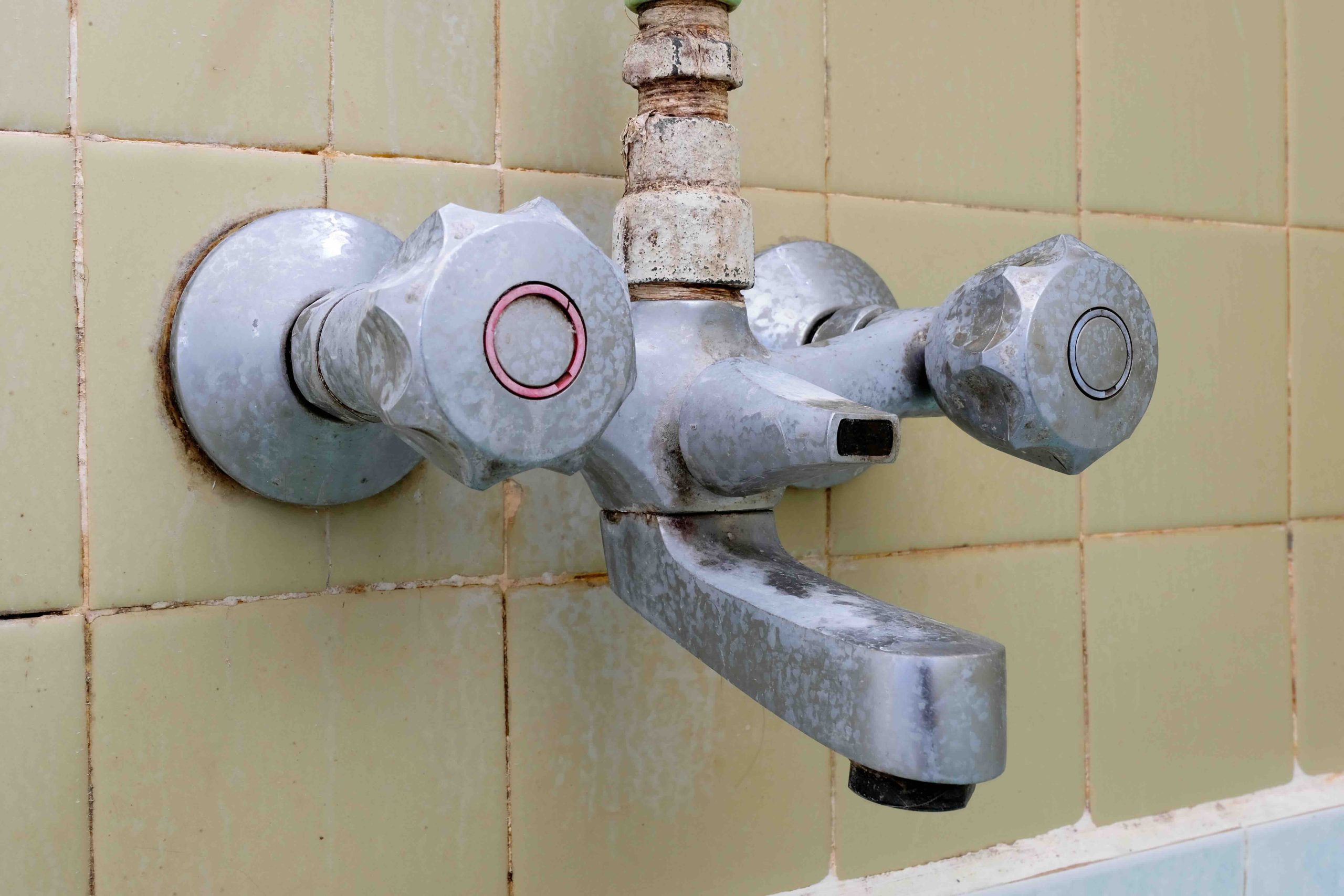
What Is Hard Water and Why Does It Target Your Pipes
Hard water is one of those household issues that sneaks up on you quietly. You do not notice it right away, but over time, the minerals dissolved in your water supply, primarily calcium and magnesium, begin accumulating inside your pipes, fixtures, and appliances. The result is a chalky, stubborn deposit called limescale. It coats the inner walls of your plumbing like a slow-growing shell, narrowing the passage through which water flows. And here is the thing most homeowners do not realize until it is too late: this buildup does not just reduce water pressure. It gradually degrades the entire plumbing system, leading to costly repairs that could have been prevented with a little know-how and routine attention.
How Limescale Builds Up Inside Your Plumbing System
The science behind limescale formation is actually pretty straightforward. When hard water is heated or sits stagnant, the dissolved minerals begin to precipitate out of the water and bond to surfaces. Inside pipes, this means those minerals cling to the inner lining and harden over time. Hot water lines are especially vulnerable because heat accelerates the process. Water heaters, dishwashers, washing machines, and the pipes feeding them all bear the brunt of this mineral siege. In regions with notoriously hard water, such as parts of Texas, Arizona, and the Midwest, limescale can build up fast enough to cause noticeable water pressure drops within just a few years of living in a home.
Warning Signs That Hard Water Buildup Is Already Happening
The symptoms of limescale buildup are often visible long before the damage becomes serious. Knowing what to look for gives you a head start on preventing major plumbing issues down the road. Here are the most common indicators that hard water is working against your home:
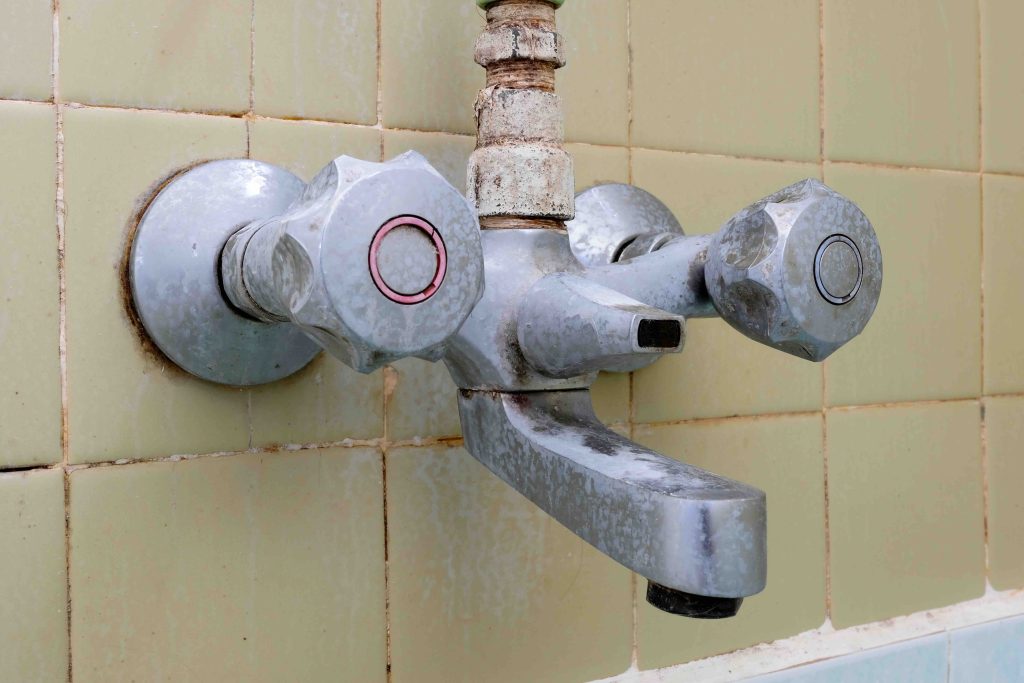
- White or yellowish crusty deposits around faucets, showerheads, and drains
- Reduced water pressure throughout the home or in specific fixtures
- Water heater taking longer than usual to heat water or running less efficiently
- Appliances like dishwashers or washing machines showing signs of mineral buildup inside
- Soap that refuses to lather properly, which is a classic sign of mineral-heavy water
- Staining or discoloration in sinks, tubs, and toilet bowls despite regular cleaning
If several of these symptoms sound familiar, it is a reasonable conclusion that hard water buildup has already taken hold somewhere in your system.
How to Remove Hard Water Buildup From Pipes Effectively
Getting rid of existing limescale in your pipes is not always a quick Saturday project, but it is manageable when approached correctly. The most common method involves flushing the pipes with a mild acid solution, typically white vinegar or a commercial descaling product. For accessible pipes and fixtures, homeowners can disconnect the supply line, fill the pipe with a vinegar solution, and allow it to sit for several hours to dissolve the mineral deposits. For showerheads and faucet aerators, soaking them in undiluted white vinegar overnight usually does the trick. The deposits loosen significantly, and a soft brush can handle anything left behind.
For deeper pipe buildup, particularly in older homes with galvanized steel or copper plumbing, professional hydro-jetting or chemical descaling treatments are often the more practical route. A licensed plumber can assess the severity of the scale and recommend the appropriate intervention. Attempting aggressive chemical treatments without professional guidance can damage older pipes, so it is worth having an expert evaluate the situation before proceeding.

DIY Methods Versus Professional Descaling Services
There is a real difference between what a homeowner can handle independently and what requires a professional set of hands. DIY descaling works well for surface-level deposits on fixtures, showerheads, and accessible supply lines. Vinegar-based solutions are inexpensive, widely available, and genuinely effective for minor to moderate buildup. However, when deposits have accumulated deep within the pipe walls over many years, professional intervention becomes necessary. Plumbers use commercial-grade descaling agents and high-pressure water systems that penetrate buildup far more aggressively than anything available at a hardware store. The cost of a professional descaling service varies depending on the size of the home and severity of the buildup, but it is almost always less expensive than replacing corroded or fully obstructed pipes.
Long-Term Prevention Strategies Worth Knowing
Removing existing buildup is only half the battle. Preventing it from returning is where the real protection begins. The most effective long-term solution is installing a whole-house water softener, which works by replacing calcium and magnesium ions with sodium ions through a process called ion exchange. Softened water simply does not produce limescale, which means your pipes, appliances, and fixtures stay cleaner for longer. Water softeners do require periodic maintenance, including refilling the salt supply and occasional resin bed cleaning, but the reduction in plumbing wear and appliance damage more than justifies the effort.
For homeowners who prefer a salt-free option, electronic or magnetic water conditioners are an alternative worth considering. These devices do not technically remove minerals from the water but alter the structure of mineral crystals so they are less likely to adhere to pipe surfaces. Results vary depending on water hardness levels and pipe material, so it is smart to research the specific product before committing to one.
How Hard Water Damage Affects Your Appliances and Home Systems
It is easy to think of hard water as strictly a pipe problem, but the impact reaches much further into the home. Your water heater is one of the most vulnerable appliances in the house. Limescale accumulation at the bottom of the tank forces the heating element to work harder to transfer heat through the sediment layer, which drives up energy costs and shortens the unit’s lifespan. Similarly, dishwashers and washing machines that operate with hard water develop mineral buildup in their spray arms, filters, and internal components. The result is diminished performance, more frequent breakdowns, and a significantly shortened service life for appliances that are not cheap to replace.
What Homeowners Often Get Wrong About Hard Water Treatment
One of the most common misconceptions is that treating the water at the tap is sufficient. A faucet filter might improve drinking water quality, but it does nothing to protect the pipes feeding that faucet or the appliances throughout the rest of the home. Another mistake homeowners make is waiting until a problem is obvious, like dramatically low water pressure or a failing water heater, before investigating hard water as a possible cause. By the time those symptoms appear, the damage is often already substantial. Proactive testing and early intervention are always more cost-effective than reactive repairs. Hard water test kits are inexpensive and widely available, and they give you a clear picture of what you are dealing with before any visible symptoms develop.
Why a Home Warranty Makes Sense When Hard Water Is a Factor
Here is where it gets worth paying attention to if you own a home in a hard water region. Even with the best prevention strategies in place, plumbing systems and appliances still break down. When hard water accelerates the wear on your water heater, dishwasher, or plumbing components, having a home warranty in place means you are not absorbing the full cost of those repairs out of pocket. Armadillo home warranty plans for plumbing systems and appliances are designed specifically to help homeowners manage the unexpected costs that come with normal system wear, including the kind of gradual deterioration that hard water quietly causes over time. When a covered system or appliance fails, Armadillo steps in so you are not left navigating repair bills alone. If you live in an area with hard water and want a straightforward way to protect the home systems most vulnerable to mineral damage, you can get a free home warranty quote for hard water plumbing protection in just a few minutes. It is a practical safety net for a problem that affects millions of homes across the country.

Frequently Asked Questions About Hard Water Buildup in Pipes
Here are answers to some of the most common questions homeowners ask about hard water, limescale removal, and protecting their plumbing systems.
How do I know if I have hard water in my home?
You can purchase an inexpensive hard water test kit from a hardware or home improvement store. Signs like white crusty residue around faucets, soap that does not lather well, and spotty dishes coming out of the dishwasher are also reliable indicators that your water has elevated mineral content.
Can hard water buildup cause pipes to burst?
Severe limescale accumulation can significantly restrict water flow and increase internal pipe pressure, which over time can contribute to pipe failure. While a burst pipe from limescale alone is not the most common outcome, the corrosion and pressure stress caused by heavy buildup absolutely increase the risk of pipe damage.
Is white vinegar actually effective at removing limescale?
Yes, white vinegar is a mild acetic acid solution that dissolves calcium carbonate deposits effectively. It works well for showerheads, faucet aerators, and accessible pipe sections. For heavy or deep buildup inside main supply lines, a commercial descaling solution or professional service will be more effective.
How often should I descale my pipes?
For homes in hard water areas, descaling fixtures and accessible pipe sections once or twice a year is a reasonable maintenance schedule. If you have a whole-house water softener installed and functioning properly, the need for manual descaling is significantly reduced.
Does a water softener completely prevent limescale in pipes?
A properly maintained water softener dramatically reduces limescale formation by removing the calcium and magnesium responsible for deposits. It does not eliminate every trace mineral, but it effectively prevents the kind of buildup that damages pipes and appliances over time.
Will hard water void my appliance warranty?
It depends on the manufacturer and the specific warranty terms. Some appliance manufacturers do include language about damage caused by poor water quality. It is worth reviewing your appliance documentation and considering a home warranty plan that provides supplemental coverage for appliance breakdowns regardless of the cause.
Can I use chemical drain cleaners to remove limescale?
Standard chemical drain cleaners are formulated to dissolve organic material like hair and grease, not mineral deposits. Using them as a descaling agent is ineffective and can be damaging to your pipes. Purpose-made descaling products or natural acidic solutions like vinegar are the appropriate tools for limescale removal.
How does hard water affect my water heater specifically?
Limescale settles at the bottom of water heater tanks, creating an insulating layer between the burner and the water. This forces the unit to consume more energy to reach the desired temperature, reduces efficiency, and accelerates wear on internal components. Flushing the tank annually helps minimize sediment accumulation.
Is hard water a health risk?
Hard water is not considered a health hazard. The calcium and magnesium it contains are naturally occurring minerals. The concerns surrounding hard water are primarily related to plumbing efficiency, appliance longevity, and increased maintenance costs rather than any direct health impact.
Does a home warranty cover damage caused by hard water buildup?
Coverage varies by provider and plan. Many home warranty companies cover mechanical failures of plumbing systems and appliances due to normal wear and tear, which can include deterioration accelerated by hard water conditions. Reviewing the terms of any plan carefully and asking specific questions about coverage exclusions before purchasing is always the right move.