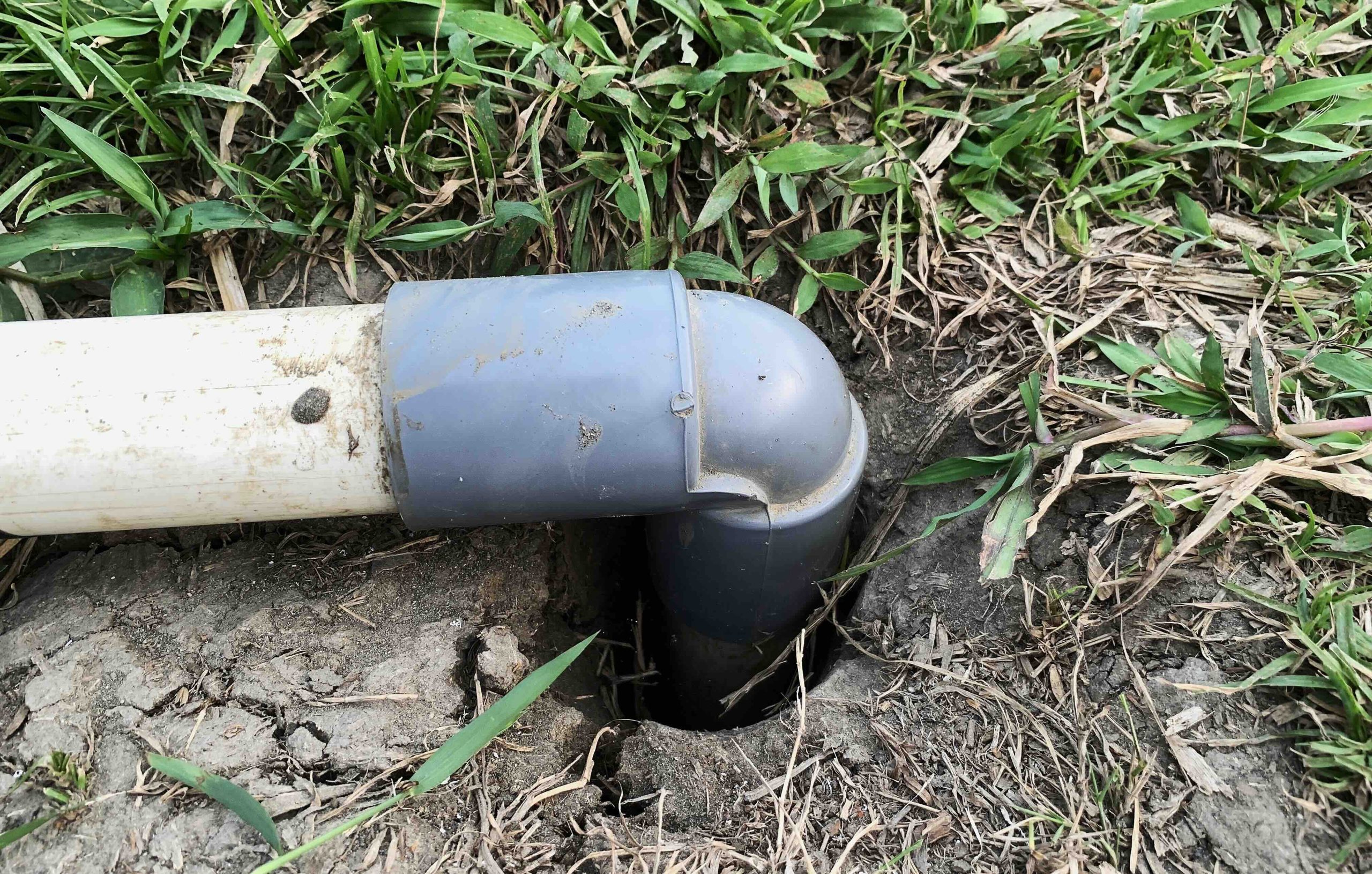
When a Drain Bladder Gets Stuck in Your Pipe: What Every Homeowner Needs to Know
You grabbed a drain bladder to clear a stubborn clog, followed the instructions, turned on the water, and now the tool itself is lodged somewhere inside your pipe. That is a frustrating plot twist nobody plans for. A drain bladder stuck in a pipe is more common than most people realize, and knowing why it happens, how to handle it, and when to call a professional can save you a significant amount of time, money, and stress. This article breaks it all down for you in plain language so you can figure out your next move with confidence.
What Is a Drain Bladder and How Does It Work
A drain bladder, sometimes called a drain balloon or blow bag, is a rubber expansion device that attaches to a garden hose. You insert it into a clogged drain, turn on the water, and the bladder inflates inside the pipe. As it expands, it seals against the pipe walls and forces a high-pressure stream of water forward to break up and flush out the blockage. The concept is clever and the tool is widely available at hardware stores, which is part of why homeowners reach for it regularly. It is designed for use in drain lines, floor drains, and sewer cleanout access points. When it works, it works well. When something goes wrong, though, the bladder can become wedged inside the pipe, and that is where things get complicated.
Why Does a Drain Bladder Get Stuck in a Pipe
There are several reasons a drain bladder ends up stuck, and understanding them helps you prevent the problem in the first place. The most common cause is using a bladder that is too large for the pipe diameter. When the bladder inflates, it expands beyond what the pipe can accommodate and grips the pipe walls so tightly that it cannot be retracted easily, even when the water is turned off. Another frequent issue involves bladders that have degraded rubber. Over time and with repeated use, the rubber can crack or fail to deflate fully, leaving it swollen inside the pipe. Poor-quality bladders purchased from unreliable sources are especially prone to this. A less obvious cause is a sudden drop in water pressure mid-use. The bladder may partially deflate and then re-inflate unevenly, causing it to shift and wedge itself at a bend or narrowed section of pipe. Old pipes with mineral buildup, joint offsets, or root intrusion can also create irregular surfaces that catch the bladder unexpectedly.
Immediate Steps to Take When a Drain Bladder Is Stuck
The moment you realize the bladder is not coming out, resist the urge to yank the hose. Pulling hard on the hose while the bladder is still inflated or partially inflated can tear the rubber, leaving fragments inside the pipe and making the situation far worse. Here is what to do instead:
- Turn off the water supply to the hose immediately and wait at least two to three minutes for the bladder to deflate fully before applying any tension.
- Gently and steadily pull the hose back without twisting or jerking; slow and even pressure gives the bladder the best chance to work free.
- If the bladder still will not move, try feeding the hose forward slightly before pulling back, which can help dislodge it from a tight bend.
- Do not use a drain snake or any rigid tool blindly into the same pipe while the bladder is still in place, as you risk puncturing it and compounding the problem.
If none of these steps free the bladder within a few careful attempts, it is time to stop and call a licensed plumber. Continued force risks cracking older pipes, especially those made of cast iron or clay.
The Risks of a Stuck Drain Bladder Left Unaddressed
Leaving a stuck drain bladder inside a pipe is not a wait-and-see situation. Even a deflated bladder acts as a partial obstruction in the pipe, restricting flow and creating a surface where grease, debris, and sediment accumulate quickly. That means the original clog you were trying to fix can return faster and with more severity. There is also the risk of pipe damage over time, particularly if the bladder is lodged near a joint or a corroded section of pipe. In worst-case scenarios, the rubber material can break down and create a secondary blockage that requires professional hydro-jetting or even pipe replacement to resolve.
When to Call a Plumber and What to Expect
A plumber addressing a stuck drain bladder will typically start with a drain camera inspection to locate the exact position of the bladder and assess the surrounding pipe condition. This is an important step because it rules out pre-existing damage and confirms what retrieval method is appropriate. Depending on where the bladder is lodged, the plumber may use a retrieval hook, a flexible drain rod set, or hydro-jetting equipment to clear and free the obstruction. In cases where the bladder has torn or broken apart inside the pipe, the plumber may need to access the pipe from a cleanout point or, in serious situations, open a wall or floor. That is a significant repair and one that underscores why careful technique with drain bladders matters from the start.

How to Use a Drain Bladder Correctly to Avoid Getting It Stuck
Prevention is always the better path. Using a drain bladder safely comes down to a few key practices that many homeowners skip because they are eager to get the job done. Always match the bladder size to the pipe diameter before inserting it. Most packaging lists the compatible pipe sizes, and that guidance exists for a reason. Inspect the bladder before every use. Any signs of cracking, stiffness, or uneven inflation are reason enough to replace it. Insert the bladder only as far as the instructions recommend, usually no more than six inches into the drain opening. Turn the water on gradually rather than opening the valve all at once, and never leave the setup unattended while the bladder is inflated. If you are dealing with a pipe that is older, visibly corroded, or has a history of problems, consider skipping the bladder entirely and going straight to a professional drain service.
Drain Bladder Issues and Your Home Plumbing System
A stuck drain bladder becomes a plumbing problem the moment it needs professional intervention, and that is where the conversation about home maintenance coverage becomes relevant. Plumbing systems are one of the more unpredictable areas of a home. Clogs, pipe corrosion, joint failures, and drain line damage can surface without warning and lead to repair bills that catch homeowners off guard. Regular maintenance habits, including being careful with DIY drain tools, go a long way toward keeping your plumbing in good shape. That said, some issues are simply beyond what a homeowner can prevent or fix alone.
DIY Drain Clearing Versus Professional Plumbing Service
It is worth having an honest conversation about when DIY drain clearing makes sense and when it does not. A drain bladder is a reasonable tool for a straightforward, accessible clog in a relatively modern pipe. It becomes the wrong tool for heavily corroded pipes, pipes with known offset joints, pipes that have already experienced root intrusion, or any situation where you do not have clear access to the drain cleanout. The appeal of saving money by handling it yourself is understandable, but the cost of a professional drain service is almost always less than the cost of repairing a cracked pipe or retrieving a stuck and broken bladder from inside your plumbing system.
Why Armadillo Is Worth Considering for Plumbing Protection
When a drain bladder incident turns into a plumbing repair, the last thing you want is to face an unexpected bill with no support in place. That is exactly the kind of situation a home warranty is built for. Armadillo home warranty coverage for plumbing systems and drain line repairs gives homeowners a straightforward way to manage the financial impact of covered plumbing failures, including issues that stem from pipe damage and drain line problems. Armadillo keeps things simple, transparent, and focused on what matters: getting your home back in working order without the runaround. If you have been thinking about putting a plan in place before the next unexpected repair comes up, now is a good time to get a free home warranty quote for plumbing and drain line protection and see what coverage looks like for your home.

Frequently Asked Questions About Drain Bladders Stuck in Pipes
These are the questions homeowners ask most often when dealing with a drain bladder stuck in a pipe, answered directly so you can move forward with clarity.
Can a drain bladder cause pipe damage if it gets stuck?
Yes, it can. A stuck drain bladder that is forced out aggressively or left in place for an extended period can crack older pipes, dislodge joint seals, or create pressure points that weaken the pipe wall, particularly in cast iron or clay drain lines.
How do I get a stuck drain bladder out of a pipe without calling a plumber?
Turn off the water, wait for the bladder to fully deflate, then apply slow and steady backward tension on the hose. If gently feeding the hose forward before pulling back does not free it after a few careful attempts, stop and contact a licensed plumber to avoid making the situation worse.
What size drain bladder should I use for a standard household drain?
Most household drains are either one and a half inches or two inches in diameter. Always check the pipe diameter before purchasing a bladder and match it to the size range listed on the product packaging to prevent over-inflation inside the pipe.
Is it safe to use a drain bladder in an older home with original pipes?
It depends on the pipe condition. Older pipes, especially cast iron or clay pipes with corrosion or offset joints, are more vulnerable to damage from the pressure a drain bladder generates. In those cases, professional drain cleaning is a safer option.
Can a drain bladder break apart inside a pipe?
Yes. Degraded rubber, low-quality materials, or over-inflation relative to the pipe size can cause a drain bladder to rupture or tear inside the pipe. When this happens, the fragments can create a secondary blockage that is difficult to clear without professional equipment.
Does homeowners insurance cover a plumber visit to retrieve a stuck drain bladder?
Standard homeowners insurance typically does not cover this type of situation because it is not a sudden covered peril. A home warranty plan that includes plumbing coverage may be more applicable depending on the specifics of the plan and the resulting damage to the pipe.
How far into the drain should I insert a drain bladder?
Most manufacturers recommend inserting the bladder no more than six inches past the drain opening. Going deeper increases the risk of the bladder reaching a bend or narrowed section where it is more likely to become stuck.
What tools do plumbers use to retrieve a stuck drain bladder?
Plumbers typically begin with a drain camera to locate the bladder, then use retrieval hooks, flexible rod sets, or hydro-jetting equipment depending on the position and condition of the stuck device. If the bladder has torn, additional steps may be needed to clear all fragments.
How do I know if a drain bladder is the right tool for my clog?
A drain bladder works best on accessible clogs in pipes with consistent diameter and no known structural issues. If the clog is deep in the line, the pipe is old or damaged, or previous drain attempts have failed, a professional assessment is the smarter starting point.
Can a stuck drain bladder cause a sewage backup in my home?
It is possible. If the bladder is lodged in a way that significantly restricts flow in a main drain line, wastewater can back up behind the obstruction. This is why addressing a stuck bladder promptly rather than waiting is important for protecting your home from secondary water damage.