Why Homeowners Are Reaching for the Pantry Instead of the Store
Stainless steel is everywhere in the modern home. Refrigerators, dishwashers, sinks, range hoods, pots, pans, and even small appliances all carry that sleek silver finish that looks fantastic when it is clean and absolutely miserable when it is not. Fingerprints, grease splatters, water stains, and that strange hazy film that seems to appear out of nowhere can make even a brand-new kitchen feel neglected. The good news is that some of the most effective solutions are already sitting in your kitchen cabinets. Home remedies for stainless steel cleaning have become a go-to approach for homeowners who want results without spending money on specialty products or worrying about harsh chemicals near food surfaces. And honestly, most of these remedies work remarkably well.
Understanding the Surface Before You Clean It
Stainless steel is not actually stainless in the absolute sense. It resists staining better than other metals, but it is still vulnerable to certain conditions. The surface has a grain to it, much like wood, and that grain runs in one direction. Cleaning against the grain can scratch the surface and make it look worse over time. Before applying any remedy, run your finger lightly across the surface and notice which direction the brushed lines go. Always clean with that grain, not against it. This one habit makes a bigger difference than most people expect, and it is completely free to adopt right now.
The Classic Dish Soap and Warm Water Method
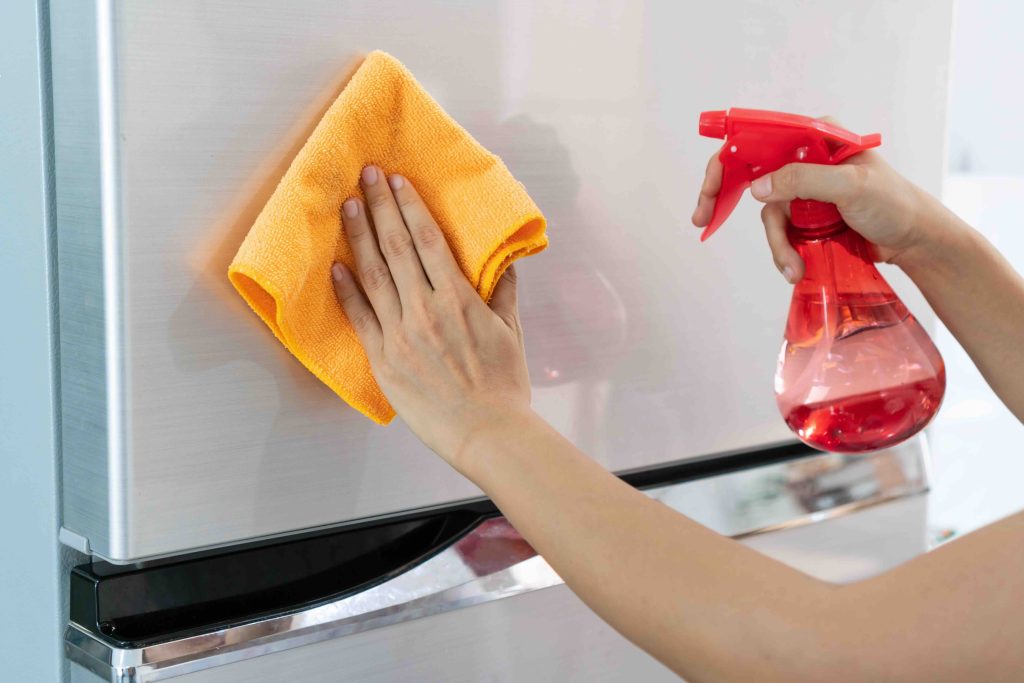
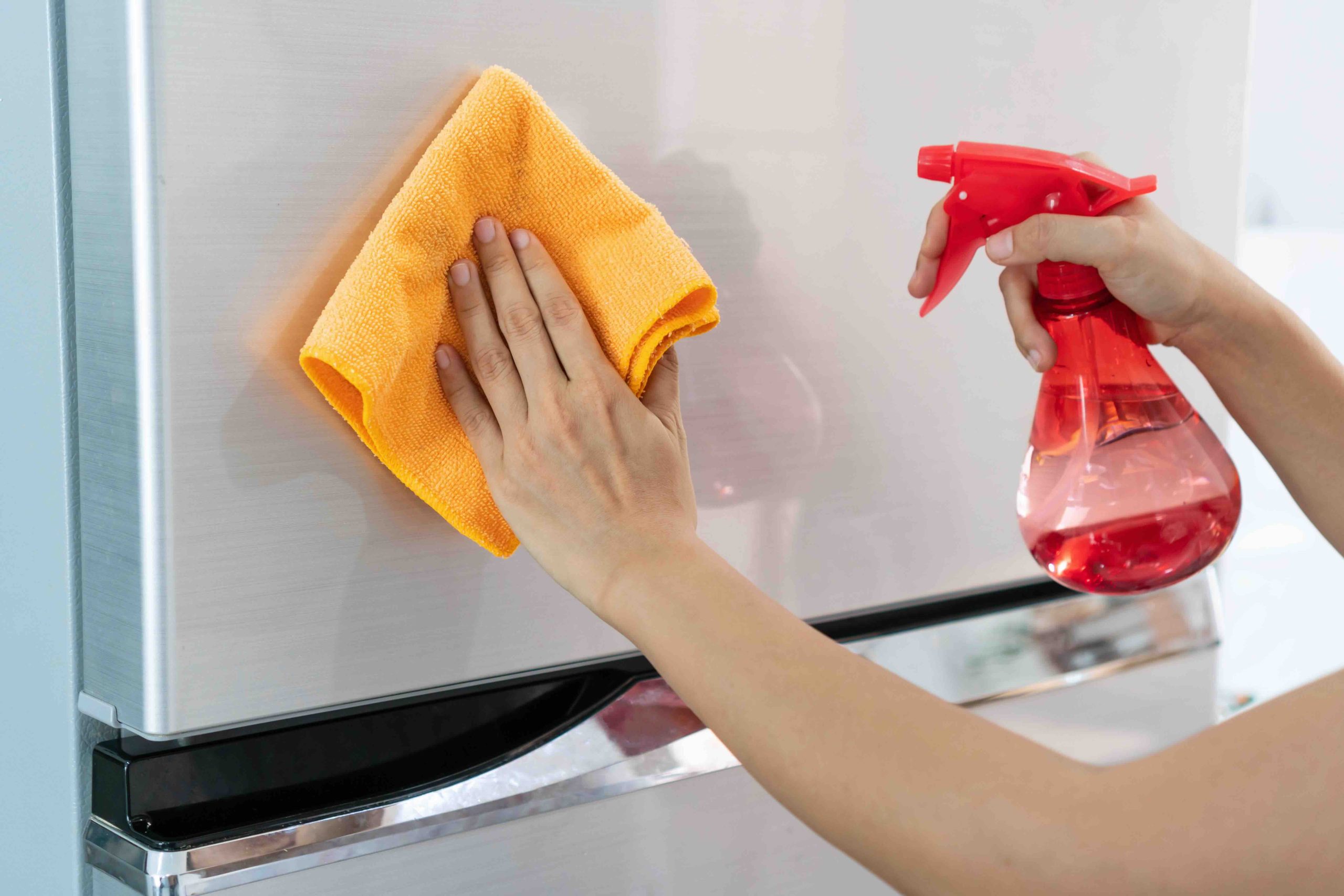
Starting simple is almost always the right call. Warm water combined with a few drops of standard dish soap handles the majority of everyday grime on stainless steel surfaces. Apply it with a soft microfiber cloth, wipe with the grain, rinse with clean water, and then dry immediately. The drying part is critical. Letting water sit on stainless steel is what causes those frustrating water spots and mineral deposits, especially in areas with hard water. This method is gentle enough for daily use and will not wear down the finish over time. If you have kids who leave handprints on every appliance they walk past, this is your starting point.
White Vinegar for Water Stains and Streaks
White vinegar is a powerhouse when it comes to dissolving mineral deposits and hard water stains on stainless steel. Pour a small amount onto a soft cloth and wipe in the direction of the grain. The mild acidity in white vinegar cuts through calcium and limescale buildup without damaging the metal. For stubborn spots, let the vinegar sit for a minute or two before wiping. Follow up with a clean damp cloth and dry thoroughly. One thing worth knowing: do not let vinegar sit for extended periods. While it is mild, prolonged exposure can affect the finish over time. Quick application and prompt rinsing is the right approach here.

Baking Soda for Tougher Stains and Light Scratches
When soap and vinegar are not quite cutting it, baking soda steps in as a mild abrasive that can lift tougher stains, grease buildup, and even reduce the appearance of light surface scratches. Mix a small amount of baking soda with just enough water to form a paste. Apply it gently with a soft cloth, moving with the grain of the steel. Let it sit for a few minutes on particularly stubborn spots, then wipe clean and rinse well. Because baking soda is slightly abrasive, use it sparingly and avoid it on highly polished stainless steel surfaces that show every micro-scratch. For brushed or matte finishes, it performs quite well.
Olive Oil or Mineral Oil for a Streak-Free Shine
Once the surface is clean, a light coat of olive oil or mineral oil is one of the best-kept secrets for bringing stainless steel back to life. Apply a tiny amount to a soft cloth and buff it into the surface following the grain. This fills in micro-abrasions, repels fingerprints, and leaves behind a satisfying, streak-free shine. Olive oil is what most people already have on hand, and it works fine. Mineral oil lasts a bit longer and does not carry any risk of going rancid over time, so it may be the better long-term option. Either way, less is more. A thin coat buffed in well beats a heavy application every single time.
Club Soda as a Quick-Fix Spray
This one surprises people. Club soda works surprisingly well as a quick spray-and-wipe cleaner for stainless steel surfaces. The carbonation helps lift grime and residue, and because club soda contains no harsh additives, it is completely safe on food-contact surfaces. Pour some into a spray bottle, spritz the surface, wipe with the grain using a soft cloth, and buff dry. It is not a heavy-duty solution for baked-on grease or significant buildup, but for a quick refresh between deeper cleanings, it is both effective and convenient. If you have a half-used bottle of club soda sitting around and no idea what to do with it, now you do.
What to Avoid When Cleaning Stainless Steel at Home
Knowing what not to do is just as important as knowing what works. Several common household items can cause permanent damage to stainless steel finishes, and the mistakes tend to be irreversible.
- Steel wool and abrasive scrubbing pads scratch the surface deeply and can introduce particles that lead to rust spots over time.
- Bleach and chlorine-based cleaners corrode stainless steel and compromise its protective layer, which is the exact opposite of what you want.
- Oven cleaners contain lye and other caustic chemicals that are far too aggressive for stainless steel surfaces.
- Leaving salt or acidic foods in direct contact with the surface for extended periods can cause pitting and discoloration.
- Scrubbing across the grain instead of with it creates visible scratch patterns that cannot be reversed without professional refinishing.
Connecting Daily Maintenance to Long-Term Appliance Health
Stainless steel appliances are not just decorative. They are functional machines with moving parts, electrical components, and mechanical systems underneath that finish. Regular cleaning keeps the exterior looking great, but it also gives you an opportunity to notice things that might need attention, like a dishwasher door that is not sealing properly, a refrigerator gasket that is pulling away, or a range hood that is vibrating more than usual. Catching those signs early can prevent small issues from becoming expensive repairs. Home maintenance is always most effective when it is treated as a system rather than a series of isolated tasks.
How a Home Warranty Fits Into the Bigger Picture
Keeping stainless steel surfaces clean is a task every homeowner can handle with ingredients already in the pantry. Keeping the appliances underneath that finish running properly is a different story. When a stainless steel refrigerator stops cooling, or a dishwasher starts leaking, or a range stops heating evenly, those are mechanical failures that go well beyond what baking soda and olive oil can fix. That is exactly where home warranty coverage for kitchen appliances and household systems proves its value. Armadillo offers straightforward, honest protection for the appliances and systems homeowners rely on every single day, without the confusing fine print that makes most warranty plans feel more like a trap than a safeguard. If you want to know what your home could be covered for, you can get a free home warranty quote for your stainless steel appliances and beyond in just a few minutes. Maintaining the surface is your job. Protecting what is underneath is where Armadillo steps in.

Frequently Asked Questions About Home Remedies for Stainless Steel Cleaning
These are the questions homeowners ask most often when looking for safe, effective, and affordable ways to clean stainless steel surfaces at home.
What is the best home remedy for cleaning stainless steel appliances?
A combination of dish soap and warm water handles most everyday cleaning, while white vinegar removes water stains and mineral deposits. For a finishing touch, a small amount of olive oil buffed in with the grain restores shine and helps repel fingerprints.
Can I use vinegar on stainless steel without damaging it?
Yes, white vinegar is safe for stainless steel when used correctly. Apply it with a soft cloth, wipe with the grain, and rinse promptly. Avoid leaving vinegar on the surface for extended periods, as prolonged contact can affect the finish over time.
How do I remove water spots from stainless steel naturally?
White vinegar applied with a soft cloth works well for dissolving hard water stains. For stubborn spots, let the vinegar sit for one to two minutes before wiping. Always dry the surface thoroughly after rinsing to prevent new spots from forming.
Is baking soda safe to use on stainless steel?
Baking soda is safe for brushed or matte stainless steel finishes when used as a paste with water. Because it has mild abrasive properties, it should be used sparingly and always applied with the grain to avoid creating visible scratches.
Why does stainless steel still look streaky after I clean it?
Streaks are usually caused by cleaning product residue left on the surface or by not drying the surface immediately after rinsing. Buff the surface dry with a clean microfiber cloth after every cleaning session, and finish with a very light coat of olive oil or mineral oil to prevent future streaking.
Can I use club soda to clean stainless steel?
Yes, club soda works as a quick-refresh cleaner for stainless steel. The carbonation helps lift light residue and grime. It is best suited for routine touch-ups rather than deep cleaning jobs involving grease or mineral buildup.
What household items should I never use on stainless steel?
Avoid steel wool, abrasive scrub pads, bleach, chlorine-based cleaners, oven cleaner, and anything that requires scrubbing across the grain. These can scratch, corrode, or permanently damage the stainless steel surface and its protective layer.
How often should I clean my stainless steel appliances?
A quick wipe-down with dish soap and water after heavy use or cooking is ideal. A deeper cleaning with vinegar and a light oil buff can be done weekly or whenever the surface starts to look dull or spotted. Consistency prevents buildup from becoming a bigger problem.
Does olive oil really work on stainless steel, or is it just a myth?
Olive oil genuinely works for buffing and protecting stainless steel surfaces. A very thin coat applied with a soft cloth and buffed in with the grain reduces the appearance of minor scratches, adds shine, and creates a light barrier against fingerprints. Use it sparingly for best results.
Can home remedies for stainless steel cleaning void my appliance warranty?
Using gentle home remedies like dish soap, white vinegar, baking soda paste, or olive oil on the exterior surface of an appliance will not void a manufacturer or home warranty. These remedies address surface cleaning only. Any mechanical or functional issues with the appliance itself should be reported through the appropriate warranty or service channels.