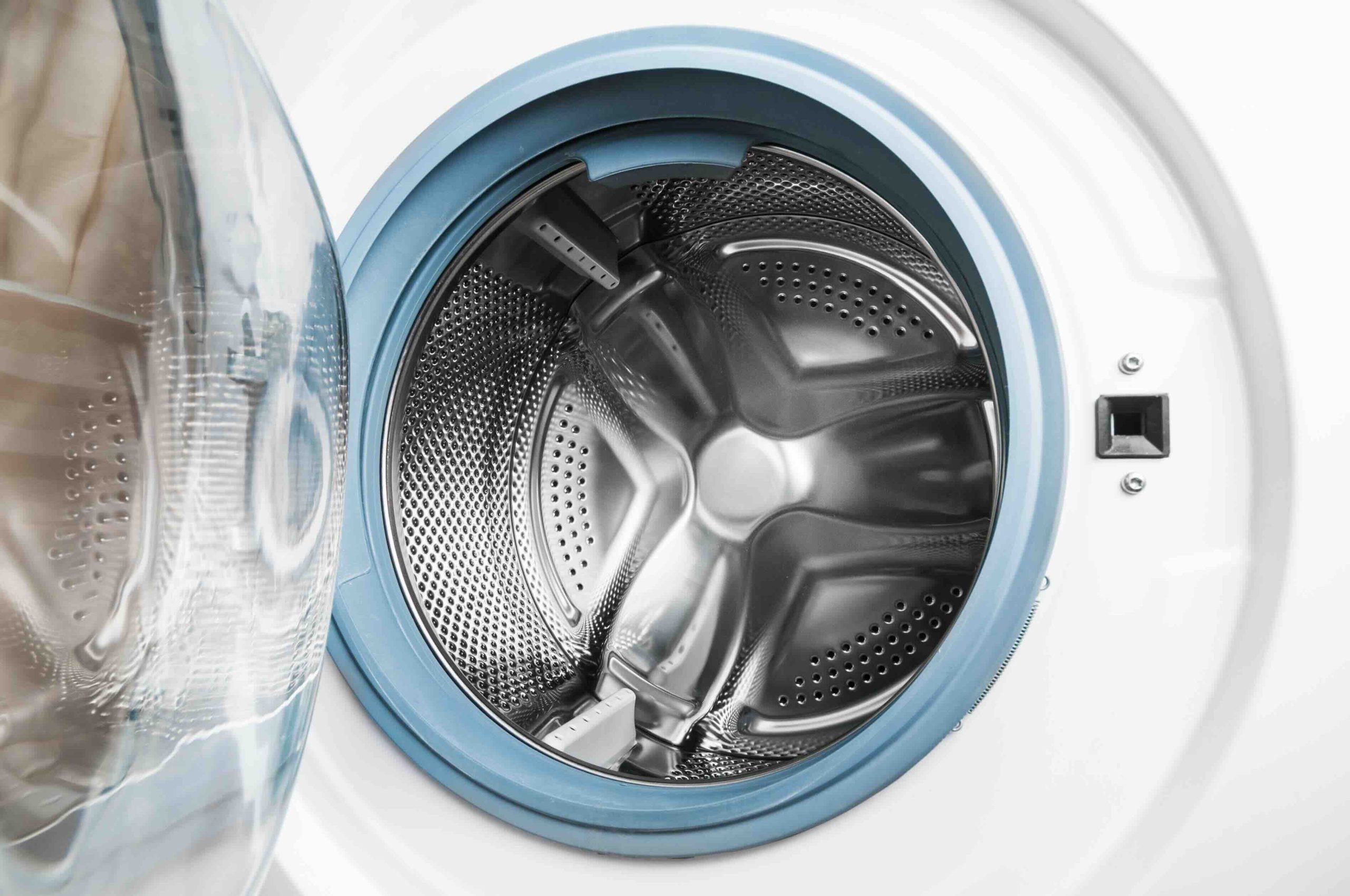
Why Is My Dryer Drum Hard to Turn by Hand?
You open the dryer door, give the drum a spin, and it barely moves. That moment of resistance is more telling than most homeowners realize. A dryer drum that is hard to turn by hand is not just an inconvenience — it is often the early warning sign of a mechanical problem that will get worse if left alone. Understanding what causes this, what it means for your appliance, and how to respond can save you from a cold, wet laundry situation at the worst possible time.
How a Dryer Drum Is Supposed to Work
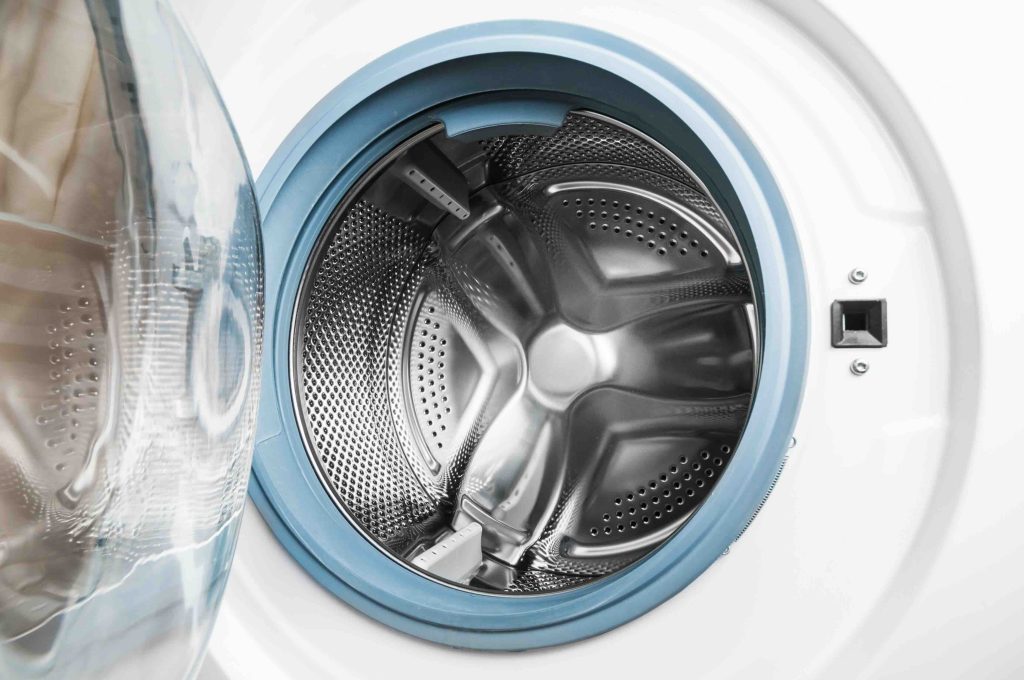
Before diving into what goes wrong, it helps to know what goes right. A dryer drum is designed to spin freely and consistently, supported by a combination of drum support rollers, a drum bearing or glides, a drive belt, and a motor. When you manually turn a drum on a properly functioning dryer, it should rotate with minimal resistance — not effortlessly like a spinning top, but smoothly and without significant force. The entire system is built to reduce friction while keeping the drum aligned and stable during operation. When any of those components start to wear out or fail, that smooth rotation becomes stiff, jerky, or completely locked.
Common Causes of a Stiff or Hard-to-Turn Dryer Drum
There are several reasons a dryer drum might resist manual rotation, and narrowing it down usually involves a quick visual inspection combined with listening for specific sounds during normal operation. Here are the most frequent culprits:
- Worn drum support rollers that have flattened or seized up from extended use
- A failed or deteriorating drum bearing located at the rear of the drum
- Worn drum glides or slides that allow the front of the drum to drag against the cabinet
- A broken or misaligned drive belt that has slipped out of position
- Foreign objects — coins, socks, small garments — caught between the drum and the dryer housing
- A seized blower wheel that is adding unexpected resistance to the motor assembly
Each of these issues produces slightly different symptoms. Worn rollers often create a thumping sound. A failing rear bearing tends to produce a squealing or grinding noise. Drum glides that have worn through will sometimes allow the drum to scrape audibly against the front panel. If the drum is completely locked, a jammed foreign object or a broken belt is the most likely explanation.
Drum Support Rollers: The Most Common Offender
Drum support rollers are small rubber or plastic wheels — usually two or four of them — positioned at the rear of the dryer to support the drum as it spins. Over time, these rollers wear down, develop flat spots, or seize up entirely. When that happens, the drum no longer glides over them — it drags. This is probably the single most common reason a dryer drum becomes hard to turn by hand. The fix typically involves replacing the rollers, and since labor is already involved, most technicians will recommend replacing all of them at the same time rather than just the failed one. Trying to spin the drum manually and feeling a rhythmic stiffness every rotation is a strong indicator this is the source of the problem.

The Role of the Drum Bearing and Glides
The rear drum bearing supports the center shaft of the drum and keeps it properly aligned during rotation. On many models, this is a simple sleeve bearing or ball-and-socket design. When it deteriorates, the drum can wobble, drag, and eventually seize. Drum glides — sometimes called drum slides or drum pads — are positioned along the front bulkhead and allow the front edge of the drum to rotate without grinding against the cabinet. These are low-profile components that wear down gradually, and many homeowners are surprised to learn how significantly worn glides can affect drum rotation. Both the bearing and the glides are relatively inexpensive parts, but accessing them requires disassembling the dryer cabinet, which is not always a straightforward task.
What Happens If You Ignore the Problem
Continuing to run a dryer with a drum that is hard to turn by hand puts considerable stress on the drive motor. The motor is designed to work against a certain level of resistance — not the kind generated by a seized roller or failed bearing. Over time, this added strain can cause the motor to overheat, trip the thermal fuse, or fail entirely. A motor replacement is significantly more expensive than replacing rollers or glides. There is also an increased fire risk to consider, since a dryer that is working harder than it should generates more heat. Catching and addressing the stiffness early is almost always the more economical and safer path forward.
Can You Fix a Hard-to-Turn Dryer Drum Yourself
In some cases, yes. If the resistance is caused by a foreign object lodged between the drum and the housing, removing it is relatively simple once you know how to access the drum interior. Replacing drum support rollers and glides is also a repair that mechanically confident homeowners sometimes take on with the help of a repair manual or appliance-specific tutorial. The drive belt replacement is another moderate DIY repair. However, diagnosing a failed rear bearing or determining whether the motor has been damaged requires a level of technical familiarity that goes beyond a typical weekend project. When in doubt, a qualified appliance technician is the right call — not just for accuracy but to avoid creating additional damage during disassembly.
Repair Costs and What to Expect
Professional repair costs for a hard-to-turn dryer drum vary depending on the root cause and the appliance brand. Drum roller replacements typically run between eighty and one hundred fifty dollars in parts and labor. Drum bearing repairs fall in a similar range. If the motor has been damaged by prolonged strain, repair costs can climb to three hundred dollars or more, and at that point the age and value of the dryer becomes a real factor in the decision to repair versus replace. A newer dryer with a roller problem is almost always worth fixing. An older dryer with a failed motor and worn rollers may be closer to the end of its useful life.
How a Home Warranty Can Help With Dryer Drum Issues
This is where a home warranty becomes genuinely useful rather than just theoretical. Mechanical failures like worn drum support rollers, failed bearings, and drive belt issues are precisely the kind of breakdowns that quality home warranty plans are designed to cover. The cost of a repair that you might delay because of budget stress becomes a covered service call instead. That matters — because a dryer that sits broken for weeks tends to become a dryer that eventually needs full replacement. Armadillo home warranty coverage for dryers and laundry appliances is built to address these exact mechanical failures without the fine print runaround that makes other providers frustrating to deal with. If your dryer drum is already showing signs of resistance or you want to get ahead of the next unexpected breakdown, you can get a personalized home warranty quote for dryer and appliance protection in just a few minutes. Armadillo keeps things straightforward — real coverage, real service, no surprises.

Frequently Asked Questions About Dryer Drum Hard to Turn by Hand
Answers to the questions homeowners ask most often when dealing with a stiff or seized dryer drum.
Why is my dryer drum hard to turn by hand but the dryer still runs?
The motor may still have enough power to overcome the resistance temporarily, but this puts significant strain on the motor and other components. The underlying cause — worn rollers, a failing bearing, or damaged glides — needs to be addressed before the motor is damaged.
Is it safe to run a dryer if the drum is hard to spin manually?
It is not recommended. Running a dryer with increased drum resistance forces the motor to work harder, raises internal temperatures, and increases the risk of motor failure or a thermal fuse trip. It can also pose a fire hazard in extreme cases.
How do I know if my dryer drum rollers are worn out?
Common signs include a thumping or rumbling noise during operation, a drum that feels stiff or uneven when turned by hand, and visible flat spots or cracking on the roller surface when inspected directly.
Can a broken drive belt cause the dryer drum to be hard to turn?
A broken drive belt will typically make the drum very easy to spin — almost too free. However, a belt that has slipped out of alignment or become jammed can create resistance. A completely seized drum with no belt movement is more often a roller or bearing issue.
How long do dryer drum support rollers typically last?
Under normal household use, drum support rollers can last anywhere from five to ten years. Heavy use, oversized loads, and running the dryer continuously without cool-down periods can shorten their lifespan considerably.
What does a failing dryer drum bearing sound like?
A deteriorating drum bearing typically produces a high-pitched squealing, squeaking, or grinding noise during operation. The sound is often most noticeable at the start of a cycle or when the drum is turning under a full load.
Should I replace all drum rollers at once or just the bad one?
Replacing all rollers at the same time is the standard recommendation. Since the rollers experience the same level of wear simultaneously, a roller that appears functional today is likely to fail shortly after the first one is replaced. Replacing them together saves on repeat labor costs.
Does a home warranty cover a dryer drum that is hard to turn?
Most home warranty plans that include appliance coverage will cover mechanical failures of dryer components, including drum support rollers, bearings, drive belts, and motors. The specific coverage depends on the plan terms, so it is worth reviewing what your policy includes before filing a claim.
Can I lubricate the dryer drum to fix the stiffness?
Lubrication may provide very temporary relief in some cases, but it does not address the underlying mechanical failure. Worn rollers, damaged bearings, and deteriorated glides need to be replaced — not lubricated. Applying lubricant to the wrong component can also attract lint and create a fire hazard.
How much does it cost to repair a dryer drum that is hard to turn?
Repair costs generally range from eighty to two hundred dollars for roller, glide, or bearing replacements. If the motor has been damaged as a secondary effect of prolonged resistance, costs can rise to three hundred dollars or more. The age and brand of the dryer are key factors in deciding whether repair or replacement makes more financial sense.