





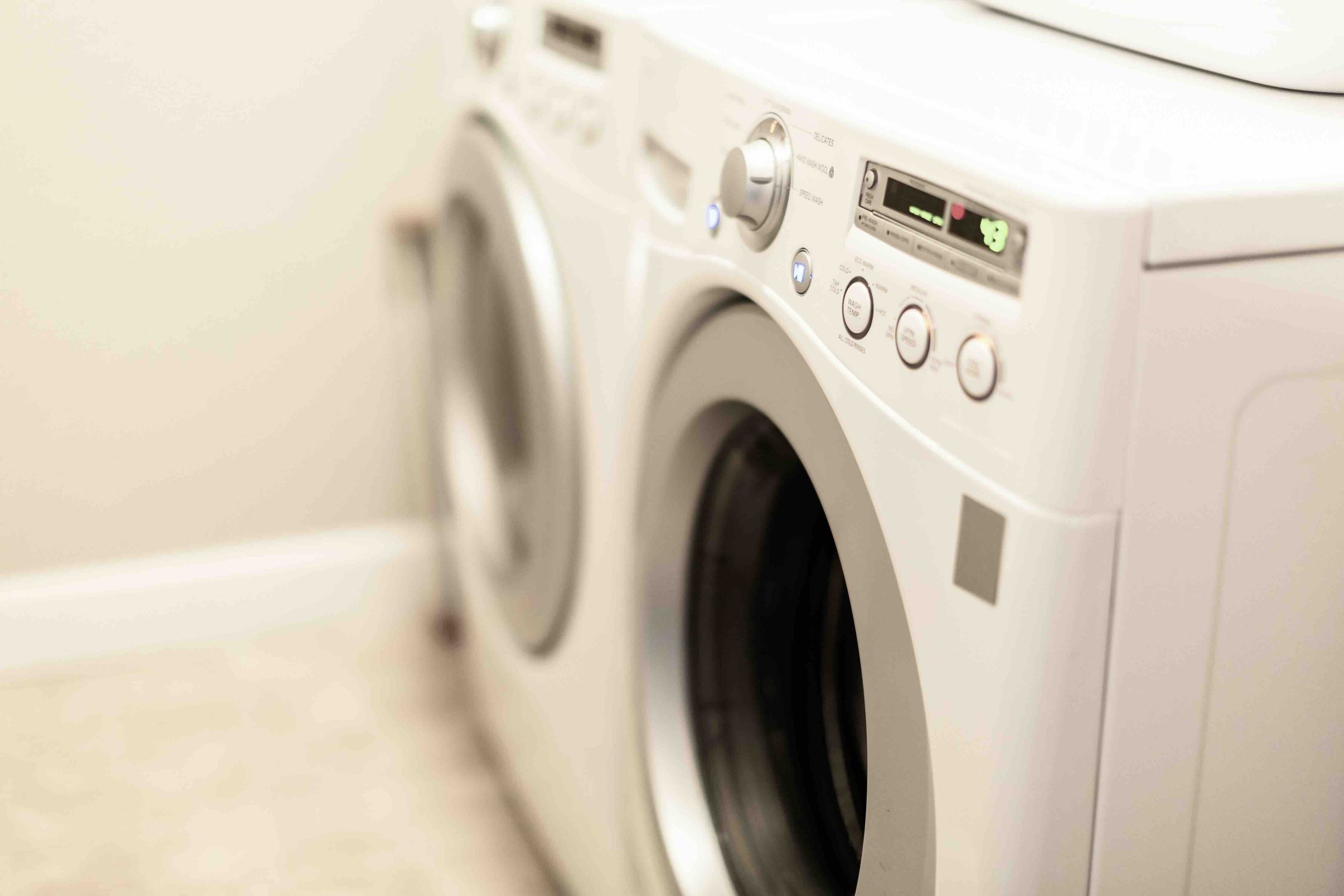
When Your Dryer Heats But Won’t Spin: What It Means and What to Do Next
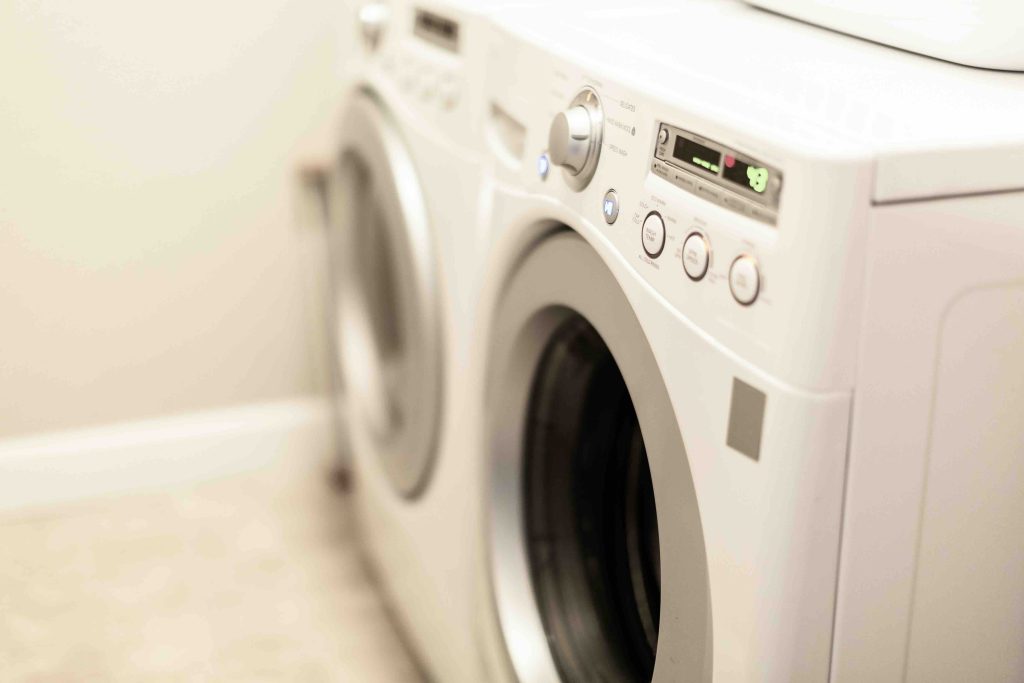
You toss in a load of wet laundry, hit start, and something feels off. The dryer is warm. You can hear it humming. But nothing is turning. The drum just sits there while your clothes stay soaked. It is one of those appliance problems that catches you off guard because half the machine seems to be working just fine. The truth is, a dryer that heats but does not spin is a very specific malfunction, and understanding what is happening inside the machine can help you figure out your next steps without unnecessary stress or guesswork.
How a Dryer Actually Works
Before getting into what goes wrong, it helps to know what goes right. A dryer has two core systems operating simultaneously: a heating system and a mechanical rotation system. The heating side involves either a gas burner or an electric heating element, a thermostat, a thermal fuse, and airflow through the drum and vent. The mechanical side involves a motor, a drive belt, a drum, and in many machines, a set of rollers or glides that keep the drum moving smoothly. When you press start, the motor activates and the drive belt transfers that rotational energy to the drum. At the same time, the heating system kicks in to warm the air circulating inside. These two systems are mostly independent of each other, which is exactly why one can fail while the other keeps chugging along.
The Most Common Culprits Behind a Non-Spinning Drum
If the drum is not spinning but the dryer is still producing heat, the heating system is functional. The problem is almost certainly mechanical. Here are the most frequent causes technicians encounter with this particular symptom pattern:
- A broken or snapped drive belt, which is the single most common cause and often a straightforward repair
- A worn or seized drum roller, which prevents the drum from turning even when the motor is running
- A failed or overloaded motor that can no longer generate enough torque to move the drum
- A faulty door switch that incorrectly signals the machine to stop spinning
- A worn drum bearing or glide that creates too much friction for the motor to overcome
Of these, the drive belt is by far the most likely suspect. Over years of use, the rubber belt that loops around the drum and connects to the motor pulley stretches, cracks, and eventually snaps. When that happens, the motor still runs, the heating element still fires, but nothing rotates. You might even hear the motor humming louder than usual because there is no load resistance from the drum.
Diagnosing the Problem Before Calling for Help
There are a few things you can check safely before scheduling a service call. First, open the dryer door and try to rotate the drum manually. If it turns with no resistance at all and spins almost freely, that is a strong indicator the drive belt has snapped. If the drum barely moves or feels stiff and rough, the issue is more likely a worn roller or bearing. Second, check the door switch by pressing it manually with the door open while the machine is running. If the drum still does not move when you simulate the door being closed, the switch may be the culprit. These small diagnostic steps can help you describe the problem accurately to a technician, which can save time and reduce diagnostic fees.

Is It Safe to Keep Running the Dryer This Way
The short answer is no, and it is worth understanding why. A dryer that produces heat without airflow or drum rotation creates a buildup of temperature inside the appliance. Clothes sitting in a stationary, heated drum are a fire hazard. Beyond safety, running a malfunctioning dryer can compound the problem. A motor straining against a broken belt or seized roller can overheat and fail completely, turning a relatively affordable repair into a much more expensive one. The safest move is to stop using the dryer until the issue has been diagnosed and corrected by a qualified technician.
What the Repair Process Typically Looks Like
Drive belt replacement is generally one of the more accessible dryer repairs. A technician will typically remove the front or back panel of the dryer to access the drum and motor assembly. The old belt is removed, the drum and rollers are inspected for additional wear, and a new belt is threaded around the drum and motor pulley. On average, the process takes one to two hours depending on the brand and model. If a drum roller or motor needs replacement, the complexity and cost increase, but most dryer repairs of this nature are still far less expensive than purchasing a new unit. Parts and labor combined for a belt replacement often fall in a range that makes repair the sensible choice, particularly for machines that are under ten years old.
When Repair Versus Replace Becomes the Real Question
The age of your dryer matters here. Most dryers have a lifespan of roughly ten to thirteen years with regular use. If your machine is approaching that range and has needed multiple repairs over the past few years, it may be worth doing a straightforward cost comparison. A useful rule of thumb in the appliance repair world is to avoid spending more than fifty percent of the replacement cost on a repair for an older unit. A newer machine with a mechanical failure is almost always worth repairing. An older one with compounding issues deserves a more honest evaluation.
How Regular Maintenance Can Prevent This Problem
Some level of component wear is simply inevitable, but there are habits that can extend the life of your dryer’s mechanical parts meaningfully. Cleaning the lint trap before every single load is not optional; it protects airflow and reduces the strain on the motor. Having the vent duct cleaned annually prevents blockages that force the motor to work harder than it should. Avoiding overloading the drum reduces stress on the belt, rollers, and motor simultaneously. These are not glamorous maintenance tasks, but they are the kind of small, consistent habits that keep a dryer running reliably for years beyond its expected lifespan.
What Homeowners Often Overlook About Appliance Repairs
There is a predictable pattern that plays out in households across the country. An appliance works fine for years, then something breaks at the worst possible time. A repair technician comes out, the part is ordered, and suddenly you are dealing with costs you had not budgeted for. Most homeowners never think about their dryer until it stops working. The same goes for dishwashers, refrigerators, washing machines, and HVAC systems. These are the systems that run quietly in the background of daily life until they do not. Having a plan in place before something breaks, rather than scrambling after the fact, is the kind of practical thinking that tends to separate homeowners who feel in control of their home from those who feel reactive to it.
Why Armadillo Is the Right Choice When Your Dryer Breaks Down
A dryer that heats but will not spin is exactly the kind of appliance failure that a good home warranty is designed to address. When that repair bill lands unexpectedly, having coverage already in place changes everything about how you respond to it. Armadillo offers home warranty plans that cover dryer repair and replacement costs so that mechanical failures like a broken drive belt or seized drum roller do not become financial emergencies. The coverage is straightforward, the service process is designed to reduce the hassle of coordinating repairs, and the value becomes obvious the moment something breaks. If you want to stop treating appliance failures as unwelcome surprises and start treating them as manageable, covered events, now is the right time to get a home warranty quote that includes appliance coverage for your dryer. It takes only a few minutes, and it can make the next breakdown feel far less stressful than this one did.

Frequently Asked Questions About a Dryer That Heats But Will Not Spin
Why is my dryer getting hot but the drum is not turning?
The most common cause is a broken drive belt. The heating system and the drum rotation system are independent, so when the belt snaps, the heat continues while the drum stops moving.
Is it dangerous to run a dryer that heats but does not spin?
Yes. A stationary drum filled with wet clothes in a heated chamber creates a fire risk and can permanently damage internal components. Stop using the dryer until it has been repaired.
How much does it cost to replace a dryer drive belt?
Costs vary by brand and region, but drive belt replacement including parts and labor typically ranges from around $100 to $200 in most markets. It is one of the more affordable dryer repairs.
Can I replace a dryer drive belt myself?
It is possible for mechanically inclined homeowners, but it requires disassembling the dryer cabinet and working near electrical components. Most homeowners are better served by a licensed appliance technician.
What other parts could cause a dryer to stop spinning?
Beyond the drive belt, worn drum rollers, a failed idler pulley, a faulty door switch, and a burned-out motor can all prevent the drum from rotating while heat continues to function.
How do I know if my dryer drum rollers are worn out?
If the drum feels rough when you turn it by hand, makes squealing or thumping noises during a cycle, or resists rotation more than it used to, the drum rollers may be worn and due for replacement.
Should I repair or replace a dryer that stopped spinning?
If the dryer is under ten years old and the repair cost is under half the price of a comparable new unit, repair is generally the smarter financial choice. Older machines with multiple issues may warrant replacement.
Does a home warranty cover a dryer that heats but does not spin?
Most home warranty plans that include appliance coverage will cover mechanical failures like a broken drive belt or faulty motor. Review your specific plan terms to confirm which components and failure types are included.
How long does it take to repair a dryer that stopped spinning?
A drive belt replacement typically takes one to two hours for a qualified technician. More complex repairs involving the motor or drum assembly may take longer and could require parts to be ordered.
What maintenance helps prevent a dryer drum from stopping prematurely?
Cleaning the lint trap before every load, having the vent duct professionally cleaned annually, and avoiding overloading the drum all reduce mechanical stress and help extend the life of the belt, rollers, and motor.