





When the Sink Backs Up: Understanding Why Your Garbage Disposal Is Not Draining
It usually happens at the worst possible moment. You finish rinsing dishes after dinner, flip the switch, and instead of the satisfying hum of a working garbage disposal, you get standing water, a slow drain, or a sink that simply refuses to clear. A garbage disposal not draining is one of the most common kitchen complaints homeowners face, and while it can feel alarming, it is almost always explainable. Understanding what is happening beneath your sink puts you in a much better position to address it quickly and avoid bigger problems down the line.
What a Garbage Disposal Actually Does
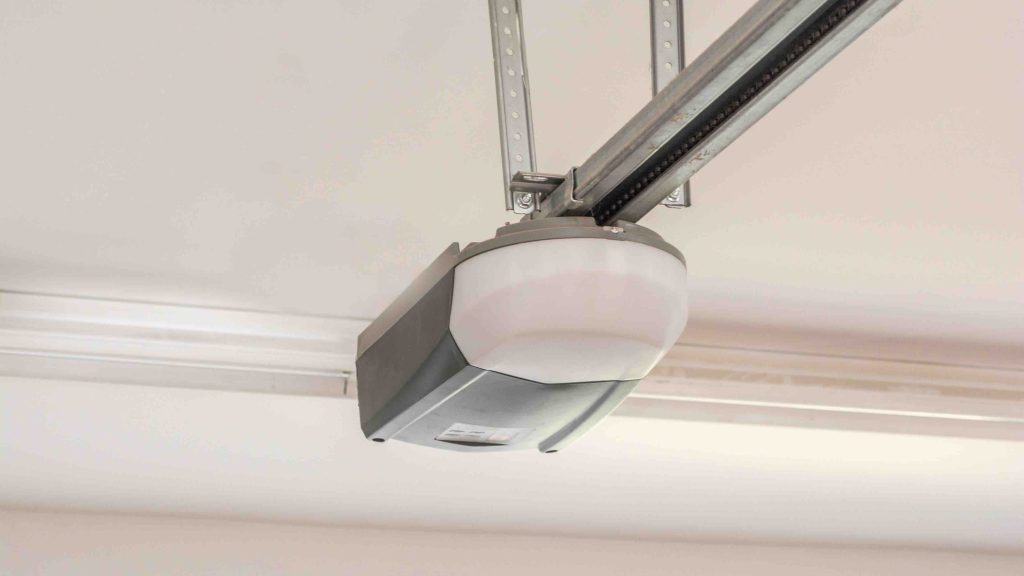
Before jumping into the problem, it helps to understand how the system works in the first place. A garbage disposal is a motorized appliance installed beneath the kitchen sink, between the drain and the drain trap. When you run water and activate the unit, a spinning plate called an impeller plate uses centrifugal force to push food waste against a stationary grind ring. That ring breaks down the food into very small particles, which then wash down the drain with water. The key word there is water. The system depends on a consistent flow of water to carry ground particles through the drain line and into your home’s plumbing. When something interrupts that process, you end up with a backup.
The Most Common Reasons a Garbage Disposal Will Not Drain
There is rarely one single cause. More often, a garbage disposal that is not draining points to one of several underlying issues. Knowing which one you are dealing with makes a real difference in how you approach the fix.
- A clog in the drain line, often caused by food buildup like grease, fibrous vegetables, or starchy foods such as pasta and potato peels
- A blocked P-trap, which is the curved pipe section just below the disposal that is designed to hold water and block sewer gases
- A clogged or improperly connected dishwasher drain hose, which shares the disposal drain in many kitchens
- Accumulated sludge inside the disposal itself from repeated use without enough water
- A partially jammed impeller that prevents proper grinding, leaving larger particles to obstruct the drain
In most cases, the fix involves clearing a blockage somewhere along the drain line. However, there are situations where the disposal itself is failing mechanically, which changes the conversation entirely.
What You Can Try Before Calling a Professional
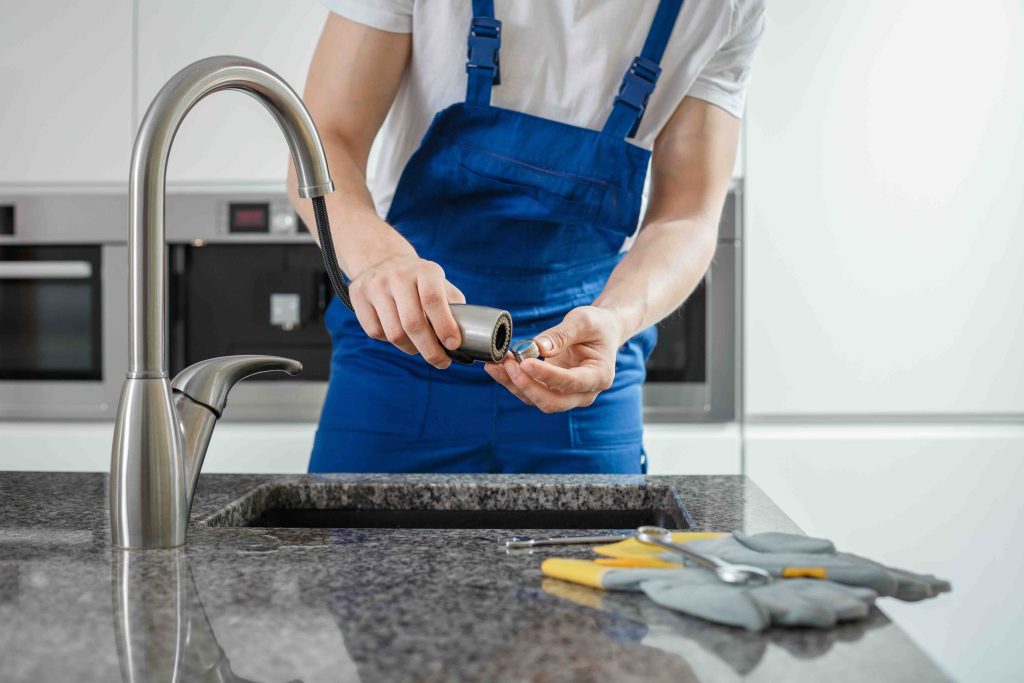
Not every drainage issue requires a service call. There are a few practical steps worth trying before you pick up the phone. First, always make sure the disposal is off and unplugged before reaching into or near the unit. Safety is non-negotiable here. Run hot water and a small amount of dish soap down the drain while the disposal is running to help break up grease buildup. If the disposal hums but does not spin, use the hex key that came with the unit to manually rotate the impeller from the bottom of the unit and clear the jam. If water is backing up into the sink, check the P-trap and drain line for visible blockages. A plunger can sometimes dislodge a clog in the drain line when used carefully. Avoid chemical drain cleaners inside a garbage disposal. They can damage the internal components and the drain line itself over time.

Foods That Are Notorious for Causing Drain Problems
Certain foods are repeat offenders when it comes to clogging garbage disposals. Grease and cooking oil are at the top of the list. They move through the drain in liquid form but solidify as they cool, coating the inside of the pipes and trapping other debris. Fibrous foods like celery, artichokes, and corn husks wrap around the impeller and resist breakdown. Starchy foods like rice, pasta, and bread expand when wet and form a paste that sticks to pipe walls. Coffee grounds seem harmless individually but accumulate into a dense, sediment-like layer inside drain lines. Eggshells are a contested topic, but the thin membrane inside can stick to components and create buildup over time. Being mindful of what goes into the disposal in the first place is the most effective long-term strategy.
When the Problem Goes Beyond a Simple Clog
Sometimes a garbage disposal that will not drain is a symptom of something larger. If you have cleared the P-trap and the drain line and the problem persists, there may be a blockage further down in your home’s main drain system. That is a plumbing issue that goes well beyond the disposal itself. Alternatively, if the motor is failing or the internal components are worn out, no amount of clog clearing will restore proper function. In those cases, replacement becomes the most practical and cost-effective solution. The average garbage disposal has a lifespan of roughly eight to fifteen years depending on use frequency and maintenance. If yours is on the older end of that range and experiencing recurring problems, it may simply be at the end of its useful life.
The Advantages of a Well-Maintained Garbage Disposal
When operating correctly, a garbage disposal is genuinely useful. It reduces the volume of food waste in your trash, which can cut down on odors and the frequency of taking bags out. It makes kitchen cleanup faster and more convenient. It also reduces the amount of organic material going to landfills, which has a modest but real environmental benefit. For households that cook regularly, a quality disposal that is properly maintained can be a meaningful part of kitchen efficiency. The key phrase there is properly maintained. A neglected disposal is more of a liability than an asset, so consistent care makes a significant difference in longevity and performance.
Key Drawbacks to Keep in Mind
No appliance is without its limitations. Garbage disposals do increase water usage because you need to run water consistently while operating them. They are also not suitable for all food waste. Many people overestimate what can safely go into a disposal, which contributes directly to the clogging issues discussed earlier. The motors can be noisy, which may be a concern depending on your kitchen’s layout and your household’s noise sensitivity. And when something does go wrong, repairs can be costly if the issue is caught late or has caused secondary damage to plumbing components.
Maintenance Tips That Actually Prevent Drain Problems
- Run cold water for at least thirty seconds before, during, and after using the disposal to help flush particles through the drain line
- Grind small ice cubes periodically to help clean the grind ring and remove buildup inside the unit
- Use citrus peels occasionally to reduce odors naturally without damaging internal parts
- Never pour grease or oil down the drain, even with hot water running
- Inspect the P-trap every few months if you notice slowing drainage, before a full clog develops
- Schedule a professional inspection every two to three years as part of general kitchen plumbing maintenance
How a Home Warranty Can Protect You When the Disposal Fails
Here is the part that often catches homeowners off guard. Garbage disposal repairs and replacements can range from modest to surprisingly expensive depending on the nature of the problem. If the issue is a simple clog, a plumber visit might cost anywhere from one hundred to two hundred dollars. If the motor has failed or the unit needs full replacement, costs can climb much higher once you factor in parts and labor. That is where a home warranty makes real sense. Armadillo home warranty coverage for kitchen appliances and built-in systems is designed to take the financial unpredictability out of exactly these kinds of situations. Instead of absorbing an unexpected repair bill, you pay a manageable monthly premium and a service fee when something breaks. It is a straightforward trade: predictability in exchange for protection. If you want to stop dreading the moment an appliance fails, now is a smart time to get a personalized home warranty quote that covers your garbage disposal and more. Armadillo keeps the process simple, the coverage transparent, and the support responsive when you actually need it.

Frequently Asked Questions About Garbage Disposal Drainage Problems
Homeowners dealing with a garbage disposal not draining often have very similar questions. Here are direct answers to the most common ones.
Why is my garbage disposal humming but not draining?
A humming disposal that is not draining usually indicates a jammed impeller. The motor is running but the spinning plate cannot move, which prevents food from being ground and pushed through the drain. Use the hex key port on the bottom of the unit to manually free the jam before attempting to run it again.
Can a clogged garbage disposal cause both sinks to back up?
Yes. In kitchens with a double sink, both basins often share the same drain line. A significant clog in the disposal’s drain or the shared P-trap can cause water to back up into both sides of the sink simultaneously.
Is it safe to use a plunger on a garbage disposal drain?
It can be, but use caution. Make sure the disposal is off and unplugged first. Cover the other basin’s drain opening if you have a double sink to build proper suction. Avoid using a plunger if you suspect the clog is deep in the drain line, as that requires professional attention.
How do I know if the problem is the disposal or the plumbing?
If clearing the P-trap and running the disposal with adequate water does not resolve the backup, the blockage is likely further down in the drain line. A plumber can use a drain snake to identify and clear the obstruction in the main line.
Does a home warranty cover garbage disposal repairs?
Many home warranty plans do cover garbage disposals, though coverage details vary by provider and plan tier. It is important to review your specific contract to confirm what is included, whether repair or replacement is covered, and what exclusions apply.
How long does a garbage disposal typically last?
Most garbage disposals last between eight and fifteen years with regular use. Units that handle heavy daily use or are not properly maintained tend to fall on the shorter end of that range. Age-related wear on the motor and grinding components is the most common reason for replacement.
What should I never put in a garbage disposal?
Avoid grease, oil, fibrous vegetables, starchy foods like pasta and rice, large bones, eggshells, fruit pits, and non-food items of any kind. These materials either damage the unit mechanically or accumulate in the drain line and create blockages over time.
Can I replace a garbage disposal myself?
Replacing a garbage disposal is considered a manageable DIY project for homeowners comfortable with basic plumbing and electrical connections. However, if your replacement involves updating drain connections or electrical wiring, professional installation is the safer and code-compliant choice.
Why does my garbage disposal smell even after I clean it?
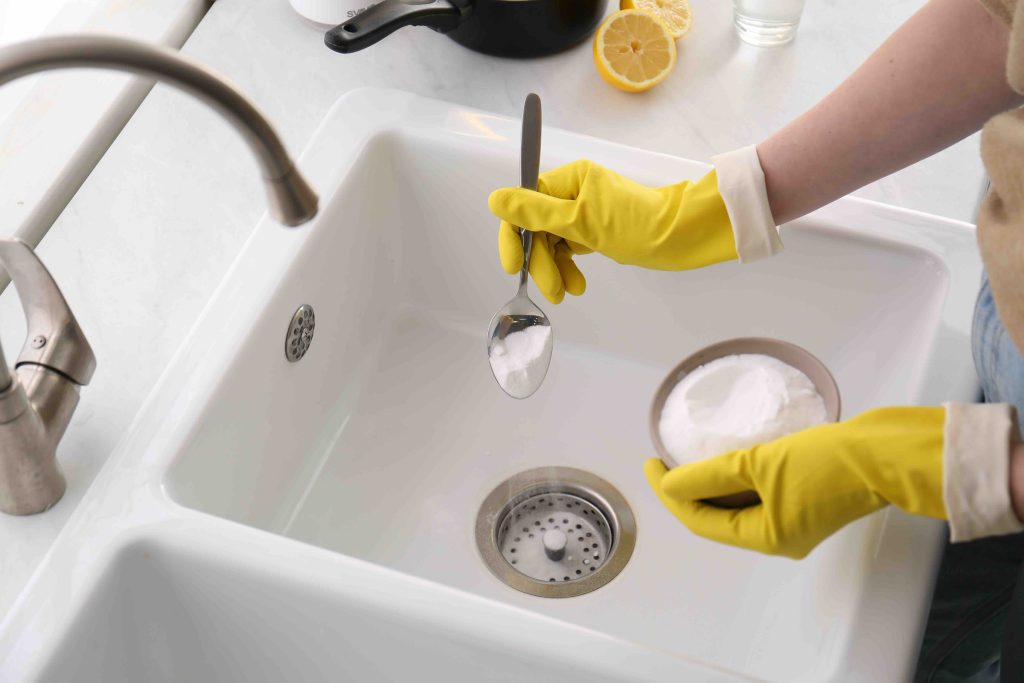
Persistent odors usually come from food residue trapped beneath the splash guard, inside the grind chamber, or in the drain line. Grinding ice cubes, using citrus peels, and cleaning beneath the rubber splash guard regularly helps address this. A deep clean with baking soda and vinegar can also neutralize stubborn odors.
Will running more water help prevent future clogs?
Yes. Running cold water for at least thirty seconds after you finish grinding food is one of the single most effective habits for preventing drain clogs. It helps flush smaller particles completely through the drain line rather than allowing them to settle and accumulate near the P-trap.