Why Is My Freezer Not Freezing? Here Is What Is Actually Going On
You open the freezer expecting a solid block of ice cream, and instead you find a soft, slightly sad container that has clearly seen better days. It happens more often than most people realize. A freezer that is not freezing is one of the more common appliance complaints homeowners deal with, and while it can feel alarming, it is rarely a reason to panic right away. Understanding how your freezer works and what can go wrong is the first step toward figuring out whether this is a quick fix or something more involved.
How a Freezer Actually Works
Before jumping into troubleshooting, it helps to understand the basic mechanics. A freezer operates using a refrigeration cycle. A refrigerant fluid circulates through a series of components including a compressor, a condenser coil, and an evaporator coil. The compressor pressurizes the refrigerant, which then releases heat as it moves through the condenser coils. When it reaches the evaporator coils inside the freezer, it absorbs heat from the interior air, which is what creates that cold environment. A fan then circulates the cold air throughout the unit. When any part of this cycle is disrupted, the temperature rises and your frozen food starts to suffer for it.
Common Reasons a Freezer Stops Freezing
There are several reasons your freezer might not be maintaining temperature, and not all of them involve an expensive repair. Some causes are surprisingly straightforward.
- Dirty or blocked condenser coils that prevent proper heat release
- A faulty evaporator fan motor that stops circulating cold air
- A defective defrost system that leads to frost buildup blocking airflow
- A worn or damaged door gasket that allows warm air to seep in
- A failing compressor that can no longer pressurize the refrigerant
- Low refrigerant levels due to a leak in the sealed system
- A malfunctioning thermostat or temperature control board

Start With the Simple Stuff: DIY Checks You Can Do Today
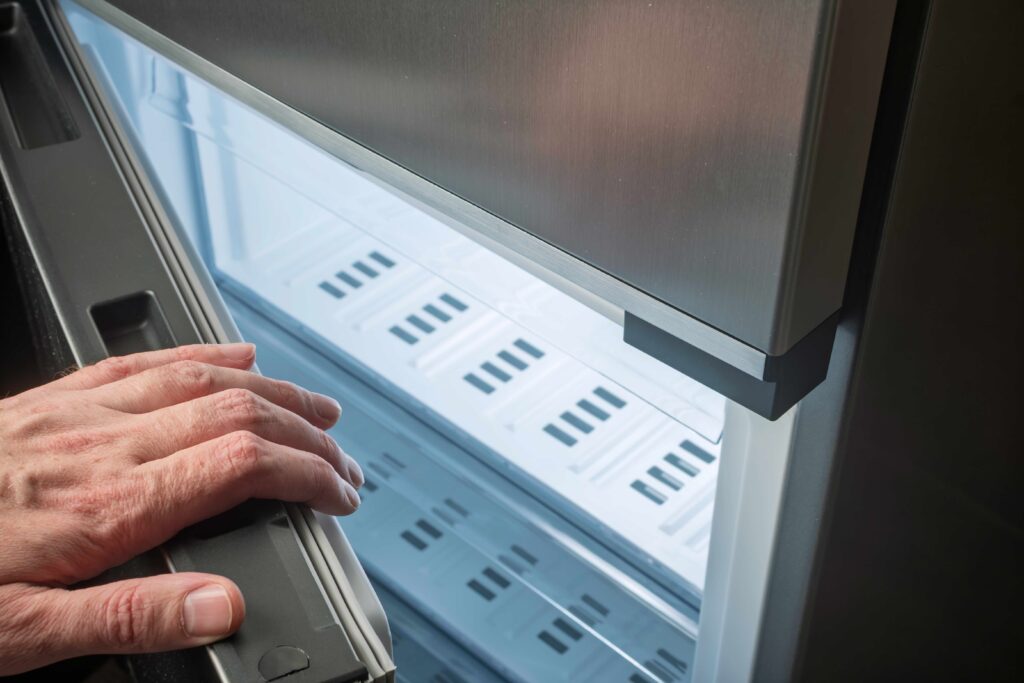
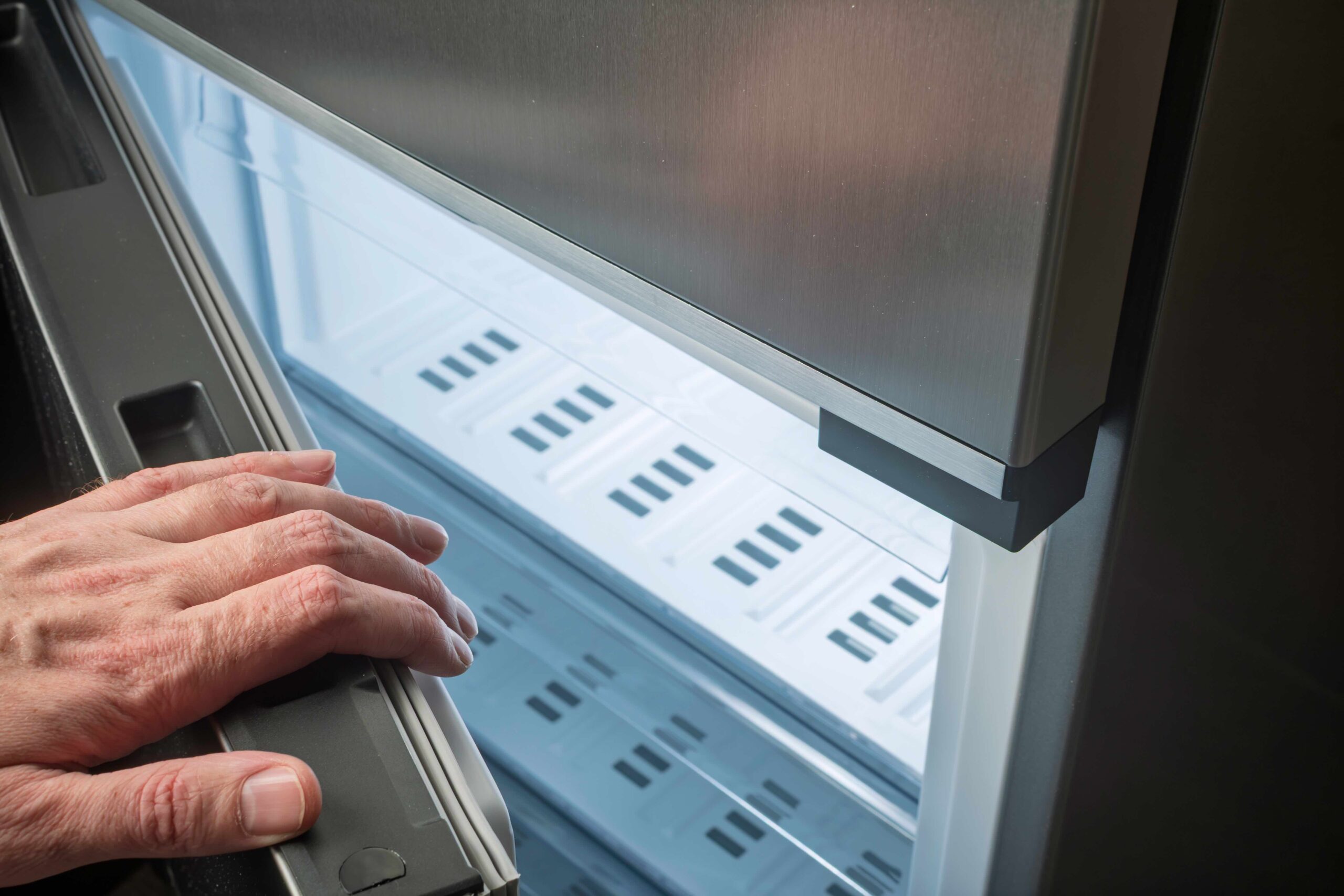
Before calling a technician, run through a few basic checks on your own. First, confirm the freezer temperature is actually set correctly. The ideal freezer temperature is zero degrees Fahrenheit, and sometimes the dial gets bumped without anyone noticing. Next, check that the freezer is not overstuffed or, on the flip side, nearly empty. Both extremes can affect performance. A fuller freezer retains cold better, but air needs to be able to circulate. Pull the unit away from the wall and take a look at the condenser coils. If they are caked in dust, a good cleaning with a coil brush or vacuum can make a noticeable difference. Also inspect the door gasket by closing the door on a piece of paper. If the paper slides out without resistance, the seal is compromised and warm air is getting in.
When Frost Buildup Is the Culprit
One of the more sneaky causes of a freezer not freezing properly is excessive frost buildup. Modern freezers are designed with an automatic defrost system that periodically heats the evaporator coils just enough to melt any accumulated frost before it becomes a problem. If the defrost heater, defrost thermostat, or defrost timer fails, frost builds up unchecked and eventually blocks airflow entirely. The freezer continues running, but the cold air cannot circulate where it needs to go. If you notice your freezer working hard but not getting cold, and you see a thick sheet of frost coating the back interior wall, this is likely the issue. Manually defrosting the unit by unplugging it and letting the ice melt can be a temporary fix, but the underlying defrost component will need to be repaired or replaced.
Compressor Problems: The More Serious End of the Spectrum
The compressor is essentially the heart of your freezer. When it fails, the entire refrigeration cycle breaks down. A failing compressor often makes unusual noises, clicks on and off rapidly, or runs continuously without cooling the unit. Unfortunately, compressor repairs tend to be on the costlier side. In some cases, especially with an older unit, the cost of replacing a compressor can approach or exceed the value of the appliance itself. This is the point where many homeowners start weighing repair versus replacement. If your freezer is more than ten years old and the compressor has given out, replacement is often the more financially sound decision.
The Role of the Evaporator Fan and What Happens When It Fails
The evaporator fan is the component responsible for pushing cold air from the evaporator coils throughout the freezer compartment. If this fan motor burns out or the blade becomes obstructed, cold air stays localized and does not distribute evenly. You might notice that certain areas of the freezer are colder than others, or that the unit is running but simply not keeping up. Testing the fan is relatively straightforward. When you open the freezer door, the fan should typically stop. Manually pressing the door switch while the door is open should cause the fan to run. If it does not, the fan motor is likely the problem. Evaporator fan motors are generally one of the more affordable repairs in the freezer world.
Door Gaskets, Hinges, and Seal Integrity
A compromised door seal is one of the most underestimated causes of freezer inefficiency. The gasket is the rubber lining that runs around the perimeter of the door and creates an airtight seal when closed. Over time, gaskets crack, warp, or lose their magnetic grip. Even a small gap allows warm, humid air to enter the freezer continuously, forcing the unit to work harder and ultimately fail to maintain the target temperature. Gaskets are relatively inexpensive and straightforward to replace. If your freezer is running constantly and the outside of the unit feels warm to the touch, a failing gasket deserves a close look. Check hinges as well. A sagging door that does not close evenly can undermine even a perfect gasket.
When to Call a Professional Appliance Technician
Some freezer issues fall comfortably within the DIY range. Cleaning condenser coils, replacing a door gasket, or manually defrosting the unit are tasks most homeowners can handle with basic tools and a little patience. But when the problem involves the sealed refrigerant system, a failed compressor, or a complex electronic control board, it is time to bring in a licensed appliance technician. Refrigerant handling, in particular, is regulated and requires certification. Attempting those repairs without proper training creates safety risks and can void any remaining warranty on the appliance. The sooner a professional diagnoses the problem, the better your chances of saving the unit and protecting your food supply.
How a Home Warranty Can Protect You When Your Freezer Fails
Here is where things get practical. Appliance repairs are unpredictable, and freezer issues have a way of surfacing at the worst possible moment. A home warranty is designed specifically to take the financial sting out of those moments. When your freezer breaks down due to normal wear and tear, a quality home warranty plan covers the cost of diagnosis, parts, and labor. That kind of coverage turns a potentially significant expense into a manageable service call fee. Armadillo home warranty plans for kitchen appliances and major systems are built to cover exactly these situations, giving homeowners real protection without the fine print runaround. If you have been putting off getting covered because you are not sure where to start, it is easier than you think. You can get a free home warranty quote that covers freezer and appliance repairs in just a few minutes and walk away knowing that the next breakdown does not have to derail your budget.

Frequently Asked Questions About a Freezer Not Freezing
Below are answers to the most common questions homeowners ask when their freezer stops working properly.
Why is my freezer running but not cold enough?
If your freezer is running but not reaching the right temperature, the most likely causes are dirty condenser coils, a failing evaporator fan motor, excessive frost buildup blocking airflow, or a compromised door seal. Start with the simpler checks before assuming a major component failure.
How do I know if my freezer compressor is bad?
Signs of a failing compressor include the freezer running continuously without cooling, clicking or buzzing noises near the back of the unit, or the compressor feeling extremely hot to the touch. A technician can confirm compressor failure with proper diagnostic tools.
Can a dirty condenser coil cause a freezer to stop freezing?
Yes. Dirty condenser coils cannot release heat efficiently, which forces the entire refrigeration cycle to work harder and less effectively. Cleaning the coils is one of the easiest and most impactful maintenance steps a homeowner can take.
How long does it take for a freezer to get cold again after being unplugged?
After being plugged back in, most freezers take between four and twelve hours to reach the proper temperature. Factors like room temperature, how full the freezer is, and the age of the unit can all affect this timeline.
Is it worth repairing an old freezer or should I replace it?
A general rule is that if the repair cost exceeds fifty percent of the appliance’s replacement value, replacement is often the smarter financial move. Compressor failures on units over ten years old typically fall into this category.
What temperature should my freezer be set to?
The USDA recommends keeping your freezer at zero degrees Fahrenheit. Temperatures above this threshold can allow bacteria to develop in thawed food and reduce the quality and shelf life of stored items.
Why is there frost buildup inside my freezer?
Frost buildup is typically caused by a malfunctioning automatic defrost system. If the defrost heater, thermostat, or timer fails, frost accumulates on the evaporator coils and eventually blocks airflow, preventing the freezer from cooling properly.
Can a bad door gasket cause my freezer to stop freezing?
Absolutely. A worn or damaged door gasket allows warm, humid air to continuously enter the freezer. The unit then has to work harder to compensate, and in many cases it cannot maintain safe freezing temperatures as a result.
Does a home warranty cover freezer repairs?
Most home warranty plans that include kitchen appliance coverage will cover freezer repairs due to normal wear and tear. This typically includes components like the compressor, evaporator fan, thermostat, and defrost system, though coverage details vary by provider and plan.
How often should I clean my freezer’s condenser coils?
It is recommended to clean condenser coils at least once or twice per year. If you have pets that shed heavily or a dusty home environment, more frequent cleaning may be necessary to keep the unit running efficiently.