What Is a Sprinkler Pipe and Why Does It Matter in Your Home?
Most homeowners think about their plumbing in terms of what happens inside the walls — the pipes that carry water to faucets, dishwashers, and showers. But there is another set of pipes quietly doing important work outside: your sprinkler system. These pipes are responsible for delivering water across your lawn and garden on a consistent schedule, keeping everything green without you having to drag a hose around every other day. They run underground, sometimes stretch across large areas of the yard, and are exposed to everything from freezing temperatures to shifting soil. That combination makes them more vulnerable than most homeowners realize — and when one starts leaking, the consequences can move from annoying to expensive pretty quickly.
How a Home Sprinkler System Actually Works
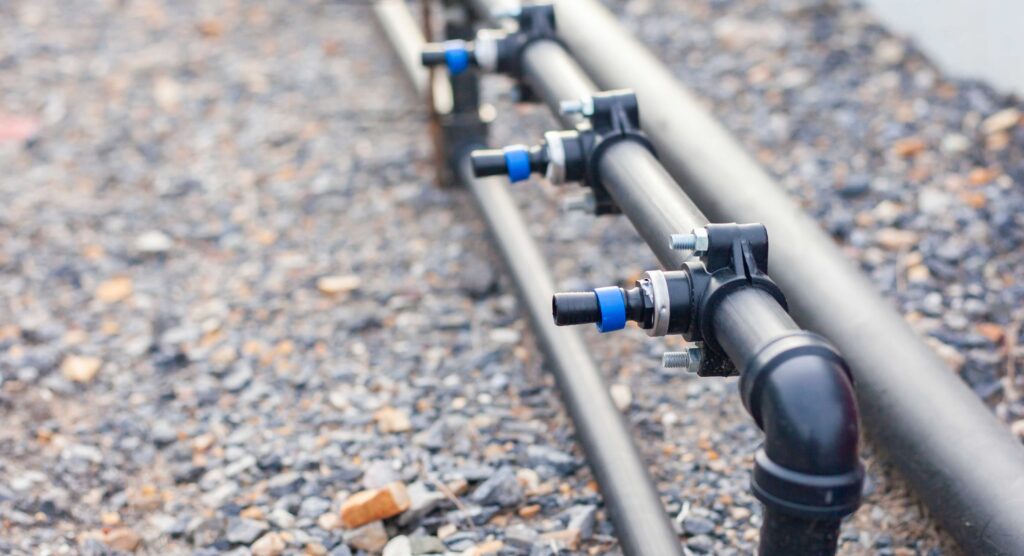
A residential irrigation system is more straightforward than it looks once you break it down. Water enters the system from your home’s main supply line and travels through a network of underground pipes — typically made from PVC or polyethylene — to a series of zones. Each zone is controlled by a valve that opens and closes based on the schedule you set in a controller. When a zone activates, water flows through the pipes and out through sprinkler heads or drip emitters, watering specific sections of your yard. The whole thing runs on a timer, meaning it can operate at 4 a.m. without you ever touching it. The pipes themselves are under constant pressure during operation, and depending on where you live, they sit in soil that contracts and expands with temperature and moisture changes throughout the year.
Common Causes of Sprinkler Pipe Leaks
Leaks in sprinkler pipes do not usually happen randomly. There are a handful of recurring culprits that show up again and again. Understanding them helps you stay ahead of the problem before you end up with a soggy lawn or a water bill that does not make any sense.
- Freeze damage: In colder climates, water left in pipes during winter expands as it freezes and cracks or splits the pipe from the inside.
- Tree root intrusion: Roots naturally seek moisture and can grow into or around pipes, eventually crushing or puncturing them.
- Age and material degradation: PVC pipes become brittle over time, especially when exposed to UV light or chemical-treated soil.
- Ground movement: Shifting soil from drought cycles, heavy rain, or even nearby construction can stress pipe joints and cause separation.
- Improper installation: Pipes that were not bedded correctly or joined with the right fittings are prone to early failure.
- Physical damage: Digging in the yard — whether for a garden bed or a home project — can nick or sever a line that was closer to the surface than expected.
Signs Your Sprinkler Pipe May Be Leaking
A leaking sprinkler pipe is not always obvious, especially when the leak is small and happening underground. But your yard and your water meter will usually tell the story. Patches of unusually lush, green grass compared to surrounding areas are a classic indicator — the grass above the leak is essentially getting watered all day. You might also notice standing water or soggy soil that stays wet long after a watering cycle ends. If the leak is near the surface or at a connection point, you may see actual water pooling. Inside your home, a water bill that spikes without explanation is worth investigating. Some systems also lose pressure noticeably during operation, which means certain zones may not be watering evenly. Any of these signs deserve a closer look before the issue gets bigger.

The Real Cost of Ignoring a Sprinkler Pipe Leak
It is tempting to put a minor sprinkler issue on the back burner, especially when the yard still looks mostly fine. But a slow, undetected leak can waste thousands of gallons of water over the course of a single season. That translates directly into higher utility bills, and in some municipalities, elevated usage during drought restrictions can lead to fines. Beyond the water waste, a persistent underground leak softens the soil, which can eventually undermine walkways, driveways, or even the foundation of structures near the leak. Mold and root rot in nearby plant beds are also real possibilities. Early repair is almost always significantly less expensive than dealing with the downstream effects of a leak that was ignored for too long.
How Sprinkler Pipe Repairs Are Handled
Repairing a leaking sprinkler pipe typically involves locating the damaged section, which is sometimes the hardest part. A professional irrigation technician will often use pressure testing or visual inspection to narrow down the source. Once found, the repair approach depends on the severity of the damage. A small crack might be addressed with a repair coupling — a relatively quick fix. A fully severed pipe or a section with multiple failure points may require cutting out a longer section and replacing it entirely. Joints and fittings are also common failure spots and often just need to be re-glued or refitted. In most cases, a straightforward repair does not require excavating large sections of the yard, though deeper or more complex damage might involve more digging than you would expect.
Preventive Maintenance That Actually Makes a Difference
The best way to manage sprinkler pipe problems is to reduce the likelihood of them happening in the first place. A few consistent habits go a long way toward keeping your system running without surprises.
- Winterize the system annually: Blow out the pipes with compressed air before the first freeze to eliminate standing water that could crack the lines.
- Schedule seasonal inspections: Have a professional evaluate the system at the start of each irrigation season to catch wear before it becomes a failure.
- Adjust water pressure: Too much pressure stresses pipes and fittings over time. A pressure regulator keeps things in the safe range.
- Mark buried lines before digging: Before any yard project, know where your pipes run to avoid accidental damage.
- Check for leaks regularly: Walk the zones while they are running a few times each season and look for anything that seems off.
What Grounding Has to Do With Sprinkler Systems
This one surprises a lot of homeowners. In some older homes, metal plumbing pipes — including sections that connect to outdoor irrigation systems — were used as part of the home’s electrical grounding path. The idea was that metal pipes running into the earth created a reliable ground connection. The problem is that modern plumbing increasingly uses plastic and PVC components, which do not conduct electricity. If your irrigation system has been updated or repaired using non-metallic materials, the grounding continuity that the old metal pipe provided may now be interrupted. This is not just an irrigation issue — it is an electrical safety concern. If your home still relies on plumbing as a grounding method, an electrician should evaluate whether a supplemental ground rod or updated grounding path is needed.
Does a Home Warranty Cover Sprinkler Pipe Leaks?
Home warranty coverage for sprinkler systems varies by provider and plan. Some warranties specifically exclude outdoor systems and landscaping-related components, treating them as property maintenance items rather than home systems. Others offer optional add-on coverage for irrigation systems, which can be well worth it if your sprinkler setup is extensive or aging. The grounding connection question also matters here — if a plumbing or electrical issue is tied to how your sprinkler system interfaces with the home’s infrastructure, coverage may depend on how the claim is categorized. Reading the fine print of any home warranty plan carefully is always worth the effort, and asking specific questions about sprinkler pipe and irrigation coverage before purchasing a plan can prevent frustrating surprises later.
Why Armadillo Is Worth Considering When Sprinkler Pipe Issues Arise
When a sprinkler pipe starts leaking, the last thing you want is to discover your home warranty does not cover it — or that the claims process is more complicated than the repair itself. That is where Armadillo home warranty protection for sprinkler systems and plumbing coverage stands apart from the crowd. Armadillo is built around transparency and simplicity, which means you actually understand what is covered before something breaks, not after. The claims process is designed to be fast and frustration-free, because a leaking pipe is already stressful enough without having to navigate a confusing bureaucracy on top of it. If you are a homeowner who wants real protection for your home’s systems — including the ones buried underground — now is a good time to get a home warranty quote that covers sprinkler pipe leaks and irrigation repairs. Armadillo focuses on doing the straightforward things well, and that makes a meaningful difference when you actually need to use your coverage.

Frequently Asked Questions About Sprinkler Pipe Leaks and Home Warranty Coverage
These are the questions homeowners ask most often when dealing with sprinkler pipe issues and figuring out what their home warranty actually covers.
What are the most common signs of a leaking sprinkler pipe?
The most common signs include unusually green or wet patches of grass, standing water in the yard after a watering cycle ends, a sudden spike in your water bill, and reduced water pressure during irrigation operation.
Can a sprinkler pipe leak damage my home’s foundation?
Yes, a persistent underground leak near the home can saturate the soil around the foundation, leading to erosion, settling, or structural stress over time. Early repair significantly reduces this risk.
How much does it typically cost to repair a sprinkler pipe leak?
Repair costs vary based on the location and severity of the damage, but minor repairs typically range from $75 to $200. More extensive damage involving excavation or pipe replacement can run from $300 to $600 or more.
Does homeowners insurance cover sprinkler pipe leaks?
Standard homeowners insurance generally does not cover repair of the pipe itself, though it may cover resulting water damage to your property under certain circumstances. Coverage varies by policy, so reviewing your specific terms is important.
What is the difference between a home warranty and homeowners insurance for sprinkler systems?
Homeowners insurance covers sudden, accidental damage and losses. A home warranty covers mechanical failure and normal wear and tear on home systems and appliances. For sprinkler pipe leaks caused by aging or wear, a home warranty is the more relevant coverage.
Why is grounding related to sprinkler systems in older homes?
In older homes, metal water pipes were sometimes used as part of the electrical grounding system. If sections of that plumbing have been replaced with non-conductive plastic or PVC materials during irrigation repairs, the grounding path may be compromised, creating an electrical safety concern.
How can I prevent sprinkler pipe leaks in the future?
Annual winterization, regular seasonal inspections, proper water pressure management, and knowing where your pipes run before digging are the most effective preventive measures for avoiding sprinkler pipe failures.
Do home warranties typically cover outdoor sprinkler systems?
Coverage depends on the provider and plan. Some home warranties exclude outdoor irrigation entirely, while others offer it as an optional add-on. Reviewing the plan details before purchasing is essential if sprinkler coverage is a priority.
How long do residential sprinkler pipes typically last?
PVC and polyethylene sprinkler pipes generally last between 20 and 40 years, depending on installation quality, soil conditions, climate exposure, and maintenance history. Older systems are significantly more prone to cracking and joint failures.
Can I repair a sprinkler pipe leak myself?
Minor, accessible repairs are sometimes manageable as a DIY project if you are comfortable working with PVC fittings and have the right materials. However, locating an underground leak and performing repairs near electrical components or main supply lines is best left to a licensed irrigation professional.