When Your Freezer Stops Freezing: What Every Homeowner Needs to Know
It usually starts with something small. Maybe the ice cream is a little soft. Then you notice the frozen vegetables feel slightly squishy. By the time you actually check, the temperature inside your freezer has crept up to a point where food safety becomes a real concern. Freezer problems have a way of sneaking up on homeowners, and knowing how to respond quickly can mean the difference between a simple repair and a full appliance replacement. This guide walks through how your freezer actually works, what goes wrong, and how to protect yourself before the next breakdown catches you off guard.
How a Freezer Actually Works
Understanding the basic mechanics of your freezer helps a lot when something goes sideways. A freezer operates on a refrigeration cycle, which is essentially a continuous loop of heat absorption and release. Refrigerant moves through a compressor, which pressurizes it and causes it to heat up. That heat is then released through condenser coils, usually located at the back or underneath the unit. The refrigerant then flows through an expansion valve, cools rapidly, and absorbs heat from inside the freezer compartment through the evaporator coils. A fan circulates cold air throughout the unit to maintain consistent temperatures. When any single component in that chain fails, the whole system suffers.
The Most Common Freezer Problems Homeowners Encounter
Most freezer issues trace back to a handful of recurring culprits. Knowing what they are puts you in a much stronger position during a service call, and it helps you communicate clearly with a technician without feeling like you are operating in the dark.
- Dirty or blocked condenser coils that prevent proper heat dissipation
- A faulty evaporator fan motor that stops circulating cold air
- A defrost system failure that allows frost to build up on evaporator coils
- A worn or damaged door gasket that allows warm air to seep inside
- A malfunctioning thermostat or temperature control board
- A failing compressor, which is typically the most expensive repair
- Refrigerant leaks that reduce the system’s ability to maintain temperature
Warning Signs You Should Never Ignore
Freezers tend to give you hints before they fail completely. The trick is recognizing those signals before they escalate into something more costly. Unusual sounds are worth paying attention to, particularly clicking, humming that seems louder than usual, or a buzzing that starts and stops erratically. Frost buildup inside the freezer compartment, especially around the evaporator area, often points to a defrost system issue. If your freezer is running constantly but the internal temperature keeps rising, that is a sign the system is working overtime to compensate for something failing. A condensation trail or pooling water near the unit can also indicate a drainage or gasket problem. None of these symptoms fix themselves.
Freezer Troubleshooting Steps You Can Try First
Before calling a technician, there are a few checks that can sometimes resolve minor issues without any professional involvement. Start with the basics: confirm the unit is properly plugged in and the circuit breaker has not tripped. Check the temperature settings to make sure they have not been accidentally adjusted. Clean the condenser coils using a vacuum or coil brush if they appear dusty or clogged. Inspect the door gasket by running your hand around the edges while the freezer is closed to feel for any air escaping. Make sure the freezer is not overpacked, as poor airflow inside the unit can affect cooling efficiency. These steps do not cover every scenario, but they eliminate simple causes before you spend money on a service visit.

When to Call a Professional Technician
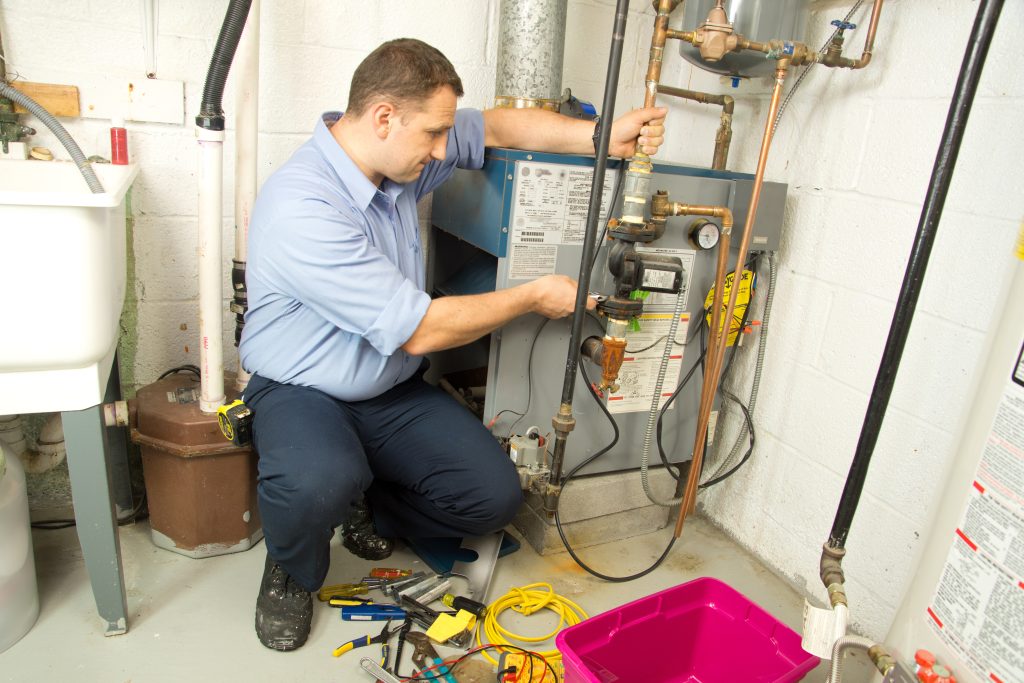
There is a clear line between what a homeowner can troubleshoot and what requires a licensed appliance technician. If the compressor is not running, refrigerant is involved, or the defrost system components need testing with a multimeter, that is professional territory. Attempting refrigerant-related repairs without proper certification is not only ineffective but also illegal under federal environmental regulations. Electrical components inside the freezer also carry safety risks if handled without the right training. When basic troubleshooting does not produce results within a reasonable timeframe, calling a professional is the responsible move. The longer you wait, the greater the risk of food loss and secondary damage to the appliance.
The Real Cost of Freezer Repairs
Repair costs vary significantly depending on the component involved. Replacing a door gasket might cost between $100 and $200 including labor. A faulty defrost timer or thermostat typically falls in the $150 to $300 range. Evaporator or condenser fan motor replacements generally run between $150 and $400. Compressor replacement is where costs escalate sharply, often landing between $400 and $700 or higher depending on the brand and model. If the unit is older and the compressor fails, many technicians will recommend replacement over repair based on cost-benefit analysis. These numbers make one thing clear: a single major repair can quickly become a significant household expense.
Preventive Maintenance That Extends Freezer Lifespan
The best freezer repair is the one you never need. A consistent maintenance routine goes a long way toward keeping the unit running efficiently for years longer than average. Clean the condenser coils at least twice a year. Inspect the door gasket every few months for cracks, tears, or loss of elasticity. Keep the freezer at least 75 percent full to help maintain stable temperatures, but do not overfill it to the point where airflow is restricted. Defrost a manual defrost freezer before ice buildup exceeds a quarter inch. Allow hot foods to cool before placing them inside. These habits cost almost nothing and can add meaningful life to the appliance.
Understanding Your Home Warranty Coverage for Freezer Repairs
A home warranty plan is one of the more practical tools a homeowner has for managing the unpredictable cost of appliance repairs. Most comprehensive home warranty plans cover the mechanical and electrical components of built-in or freestanding freezers, including the compressor, thermostat, evaporator fan motor, and defrost system. What they typically do not cover includes cosmetic damage, food spoilage, or issues resulting from improper installation or lack of maintenance. Understanding the specific terms of your coverage matters before you need it. Reviewing your contract annually and keeping records of any maintenance you perform can also support your claim if a dispute arises.
Why Armadillo Is the Right Home Warranty Partner When Freezer Problems Strike
When your freezer fails without warning, the last thing you want to deal with is a home warranty provider that makes the claims process complicated and slow. Armadillo is built differently, and that matters when you are standing in front of a warm freezer and trying to figure out your next move. As a trusted home warranty provider for appliance and system protection, Armadillo offers clear, straightforward coverage with no confusing fine print designed to get in your way at the worst possible moment. The plans are designed to cover the exact components that fail most often, including compressors, defrost systems, and fan motors, so you are not left piecing together what is and is not included. If you want to stop guessing about what a repair will cost before it happens, you can get a personalized home warranty quote for freezer and appliance coverage in just a few minutes. Protecting your home should feel manageable, not overwhelming, and Armadillo is built to make that experience as straightforward as possible.

Frequently Asked Questions About Freezer Troubleshooting and Home Warranty Coverage
These are the questions homeowners ask most often when navigating freezer problems and figuring out how home warranty coverage applies to the situation.
Why is my freezer running but not maintaining temperature?
This usually points to a problem with the defrost system, evaporator fan motor, condenser coils, or door gasket. The unit is working but cannot complete the refrigeration cycle efficiently, so it runs continuously without reaching the target temperature.
How do I know if my freezer compressor is failing?
Signs of a failing compressor include the freezer running constantly, a clicking sound when the unit tries to start, the motor feeling excessively hot to the touch, or the freezer losing temperature despite all other components appearing functional.
Is a freezer covered under a standard home warranty plan?
Many home warranty plans cover built-in freezers and freestanding units as part of their appliance coverage. Coverage typically includes the compressor, thermostat, fan motor, and defrost system, though terms vary by provider and plan.
How long does a typical residential freezer last?
The average lifespan of a residential freezer is between 12 and 20 years depending on the type, brand, usage habits, and maintenance history. Chest freezers generally last longer than upright models.
What causes frost to build up excessively inside a freezer?
Excessive frost buildup is most commonly caused by a defrost system failure, a damaged door gasket allowing warm humid air to enter, or a door that is not closing completely. All three issues require attention before the problem compounds.
Can I repair a freezer myself to save money?
Minor tasks like cleaning coils, replacing a door gasket, or checking temperature settings are safe for homeowners. However, anything involving electrical components, the compressor, or refrigerant should always be handled by a licensed appliance technician.
How much does it cost to repair a freezer on average?
Repair costs range widely based on the component. Simple fixes like a thermostat or gasket replacement might cost $100 to $300, while compressor repairs or replacements can exceed $600 depending on the unit and labor rates in your area.
What temperature should my freezer be set to?
The FDA recommends keeping your freezer at zero degrees Fahrenheit or below. Temperatures above 10 degrees Fahrenheit for extended periods can affect food safety and indicate a performance issue with the unit.
Does a home warranty cover food loss if my freezer breaks down?
Standard home warranty plans typically do not cover food spoilage or loss resulting from a covered appliance failure. Some policies offer it as an optional add-on, so it is worth reviewing your contract or asking your provider directly.
When should I replace a freezer instead of repairing it?
A general rule of thumb is that if the repair cost exceeds 50 percent of the replacement cost and the unit is more than 10 years old, replacement is likely the more economical choice. A technician can help you weigh the options based on the specific failure involved.