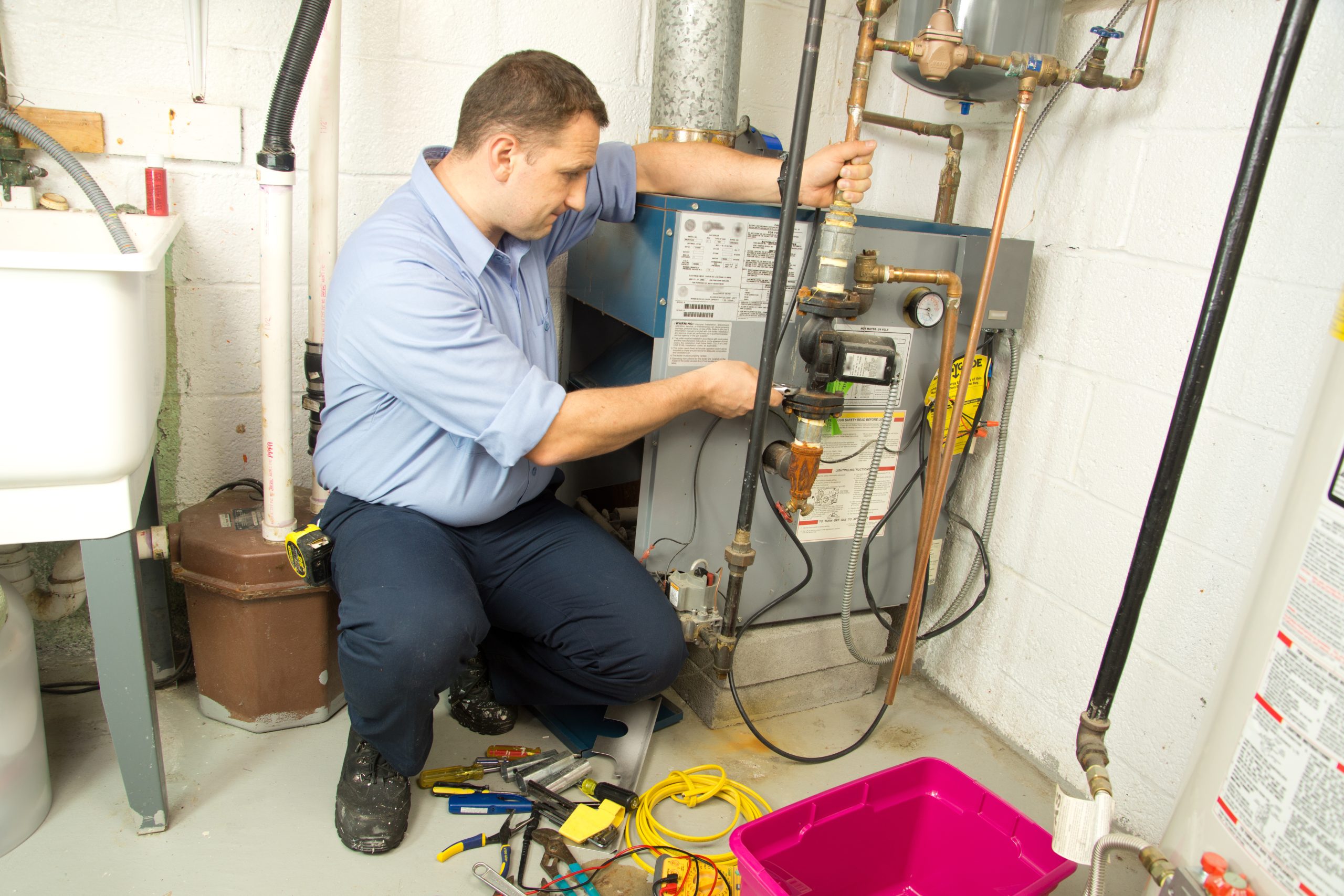
What Is a Furnace Condensate Drain and Why Does It Matter?
If you have a high-efficiency furnace in your home, there is a component quietly doing important work behind the scenes that most homeowners never think about until something goes wrong. That component is the condensate drain. High-efficiency furnaces, also called condensing furnaces, extract so much heat from combustion gases that those gases actually cool down and condense into liquid water inside the unit. That liquid has to go somewhere, and the condensate drain is exactly how it gets there. It channels water out of the furnace and into a drain line or floor drain. When that line clogs, the consequences can range from a minor nuisance to serious water damage and system shutdown. Understanding how this system works gives you a real advantage as a homeowner.
How a Furnace Condensate Drain System Actually Works
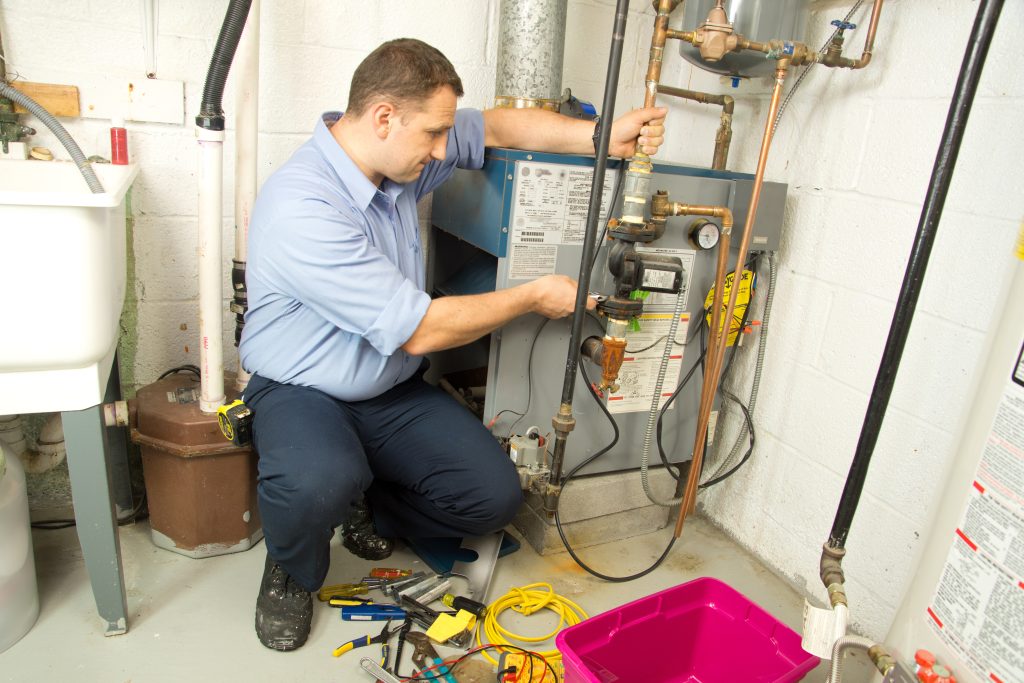
The process starts inside the heat exchanger. As combustion gases pass through the secondary heat exchanger in a high-efficiency furnace, they lose enough heat to drop below the dew point, causing water vapor in the exhaust to condense into liquid. That liquid collects in a drain pan or trap inside the unit, then flows through PVC tubing to a nearby floor drain, utility sink, or condensate pump. A condensate trap, which looks like a small U-shaped section of pipe, prevents combustion gases from traveling back through the drain line. The whole system is relatively simple, but that simplicity means even a small blockage can disrupt everything. Algae, mold, mineral deposits, and debris are the usual culprits behind a clog, and any of them can bring your heating system to a halt faster than you might expect.
Signs Your Furnace Condensate Drain Is Clogged
The tricky thing about a clogged condensate drain is that the early warning signs are easy to miss or dismiss. By the time you notice something obviously wrong, the problem has often been building for a while. Here are some of the most common indicators that your condensate drain needs attention:
- Water pooling around the base of your furnace
- The furnace shuts off unexpectedly and will not restart
- A musty or moldy smell coming from the furnace or nearby vents
- A visible error code or blinking light on the furnace control board
- Gurgling sounds coming from the drain line during operation
- A condensate pump that runs constantly but does not clear water
Most modern high-efficiency furnaces have a float switch connected to the condensate system. When water backs up due to a clog, the float switch triggers and shuts the furnace down as a protective measure. So if your furnace suddenly stops working on a cold day and you cannot identify an obvious cause, the condensate drain is one of the first places worth checking.
What Causes a Furnace Condensate Drain to Clog
Condensate drain clogs are surprisingly common, and the causes tend to be predictable. The water produced by a high-efficiency furnace is slightly acidic, which creates a hospitable environment for algae and mold growth inside the drain line. Over time, biological buildup narrows the line until water can no longer pass through freely. Mineral deposits from hard water are another common contributor, especially in areas where water quality is poor. Dust and debris can also enter the drain system over time, particularly if the furnace filter has not been changed regularly. In some cases, the condensate trap itself dries out during periods when the furnace sits idle, which can allow debris to settle and harden. None of these causes are dramatic, but together they explain why clogged condensate drains are one of the more frequently reported furnace issues, especially in systems that have not had consistent maintenance.

How to Clear a Clogged Furnace Condensate Drain Yourself
Some homeowners are comfortable tackling a condensate drain clog on their own, and in straightforward cases, it is absolutely doable. The first step is always to turn off your furnace at the thermostat and at the power switch before doing anything else. From there, locate the condensate drain line, which is typically a white PVC pipe running from the furnace to a drain. You can try using a wet/dry vacuum to suction the clog from the drain line exit point, which often dislodges soft buildup effectively. A mixture of warm water and white vinegar flushed slowly through the line can help dissolve algae and mineral deposits. If there is a condensate trap, remove it, rinse it out thoroughly, and reinstall it before restarting the system. If the clog does not clear with these methods, or if you notice water damage, mold growth, or physical damage to any components, it is time to call a professional HVAC technician.
Preventing Condensate Drain Clogs Before They Happen
Prevention is genuinely easier than repair when it comes to condensate drain maintenance. A little routine attention goes a long way toward keeping the drain line clear and the furnace operating without interruption. Flushing the condensate drain line with a diluted vinegar solution once or twice per heating season is one of the simplest and most effective preventive steps a homeowner can take. Changing the furnace filter on schedule, typically every one to three months depending on usage and household conditions, reduces the amount of debris that can migrate into the system. Having a professional HVAC technician inspect and clean the entire condensate system during an annual furnace tune-up is also strongly recommended. These are not expensive or time-consuming tasks, but they have a measurable impact on system reliability.
The Cost of Ignoring a Clogged Condensate Drain
A clogged condensate drain that goes unaddressed does not just cause your furnace to stop working. It can cause water to back up inside the unit, damaging the heat exchanger, control board, or other internal components that are significantly more expensive to repair or replace. Water overflow from a backed-up condensate pan can also damage flooring, walls, and nearby belongings, particularly if the furnace is located in a finished basement or utility closet. Mold growth becomes a real concern when moisture sits in or around the unit for any length of time. The cost of a service call to clear a simple drain clog is modest. The cost of repairing water damage or replacing major furnace components is not. Treating a condensate drain clog promptly is always the better financial decision.
Does a Home Warranty Cover a Clogged Furnace Condensate Drain
This is a question homeowners ask frequently, and the answer depends on the specific home warranty plan and provider. Many home warranty plans cover mechanical failures of the furnace as a system, including components like the condensate pump if it fails due to a covered malfunction. However, some plans treat drain clogs as a maintenance issue rather than a mechanical failure, which can affect coverage eligibility. The distinction often comes down to the language in the contract and how the failure is categorized. This is why reading the fine print of any home warranty plan matters, and why choosing a provider that is transparent about what is and is not covered saves a lot of frustration down the road. A home warranty does not replace regular maintenance, but it can provide meaningful financial protection when legitimate mechanical failures occur within covered systems.
Why Armadillo Is the Right Home Warranty Partner for Furnace Issues
When your furnace condensate drain clogs and cascades into a larger mechanical failure, the last thing you want to deal with is an unclear warranty claim process or a provider that looks for reasons to deny coverage. Armadillo was built around the idea that home warranties should actually work for homeowners, not against them. If you want a clearer understanding of how furnace coverage works under a modern home warranty plan, explore Armadillo’s comprehensive home warranty coverage for heating systems and see exactly what is included before you need to make a call. The transparency is built in from the start. And if you are ready to stop guessing and start protecting your home, you can get a personalized home warranty quote for furnace and HVAC protection in just a few minutes. Furnace problems rarely come with good timing. Having coverage already in place means one less thing to scramble over when something goes wrong.

Frequently Asked Questions About Furnace Condensate Drain Clogs
Here are answers to the most common questions homeowners have about furnace condensate drains, clogs, and related coverage concerns.
What is a furnace condensate drain?
A furnace condensate drain is a drainage system built into high-efficiency furnaces that removes liquid water produced during the combustion process. As combustion gases cool inside the heat exchanger, they condense into water, which must be channeled out of the unit through a drain line.
Why does my high-efficiency furnace produce water?
High-efficiency furnaces extract more heat from combustion gases than standard furnaces, causing those gases to cool to the point where water vapor condenses into liquid. This is a normal part of how condensing furnaces operate, and the condensate drain exists specifically to manage that water output.
How do I know if my furnace condensate drain is clogged?
Common signs include water pooling around the furnace, the furnace shutting off unexpectedly, musty odors near the unit, a continuously running condensate pump, or an error code displayed on the furnace control panel.
Can a clogged condensate drain damage my furnace?
Yes. If water backs up into the furnace due to a clogged drain, it can damage internal components including the heat exchanger and control board. Overflow can also cause water damage to surrounding flooring and walls.
How often should I clean my furnace condensate drain?
Flushing the condensate drain line with a diluted vinegar solution once or twice per heating season is a reasonable maintenance schedule for most households. Annual professional HVAC tune-ups should also include an inspection of the condensate system.
Can I clear a furnace condensate drain clog myself?
In many cases, yes. Using a wet/dry vacuum at the drain exit point or flushing the line with warm water and white vinegar can clear soft clogs effectively. However, if the clog persists or you notice water damage or mold, contact a licensed HVAC technician.
Does a home warranty cover a clogged furnace condensate drain?
Coverage varies by provider and plan. Some home warranties cover condensate pump failures and related mechanical issues, while others may classify drain clogs as a maintenance issue. Reviewing your specific plan terms is essential to understanding what is covered.
What causes algae to grow in a furnace condensate drain?
The slightly acidic nature of condensate water, combined with moisture and moderate temperatures inside the drain line, creates favorable conditions for algae and mold growth. Regular flushing with a vinegar solution helps prevent biological buildup from narrowing or blocking the line.
What is a condensate pump and when is it needed?
A condensate pump is a small device used when the furnace is located in a space where gravity drainage to a floor drain is not possible. It mechanically pumps water upward and out through a drain line. If the pump fails or becomes overwhelmed by a clog, it can trigger the furnace float switch and shut the system down.
How does a float switch relate to a condensate drain clog?
Most high-efficiency furnaces include a float switch connected to the condensate system. When water backs up due to a clog and reaches a certain level, the float switch activates and shuts the furnace down automatically to prevent water damage. Resolving the clog typically restores normal furnace operation.