What Is an Outdoor Power Outlet and Why Does Your Home Need One?
Most homeowners think about outdoor power access the moment they need it and not a second before. You are halfway through stringing lights on the porch, setting up a projector for a backyard movie night, or running an extension cord through a cracked window because you forgot the patio does not have a plug nearby. That moment of frustration is exactly why outdoor power outlets exist, and once you have one installed properly, you will wonder how you ever got along without it. An outdoor power outlet is a weatherproof electrical receptacle mounted on the exterior of your home, designed to deliver safe, accessible power for everything from landscaping tools to holiday lighting to outdoor entertainment systems. It sounds simple, but there is a lot more going on behind the faceplate than most people realize.
How Outdoor Power Outlets Actually Work
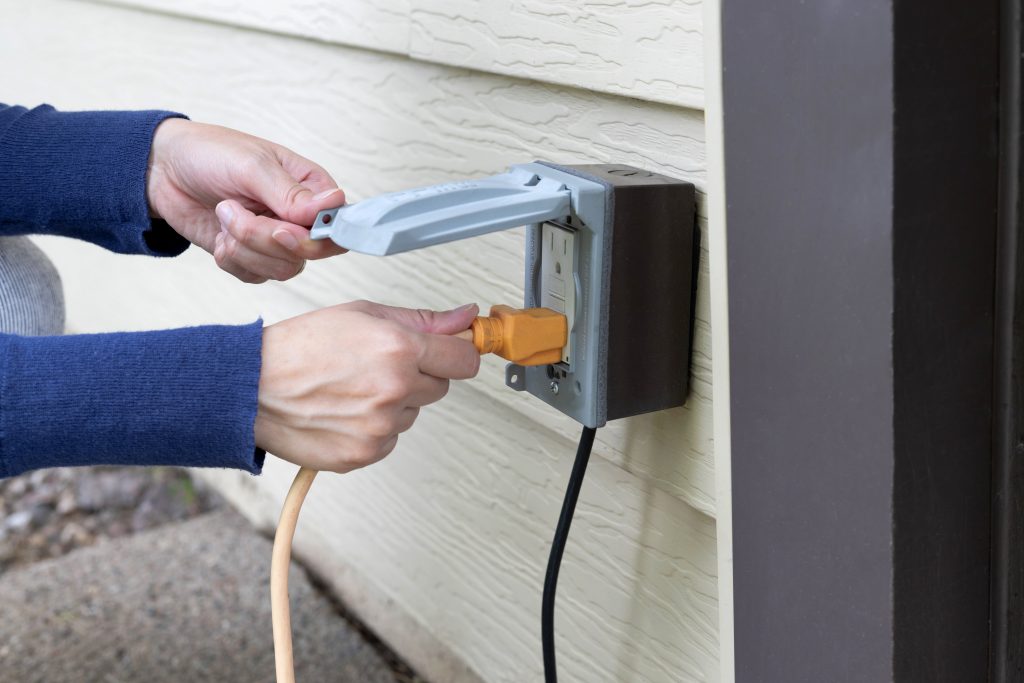
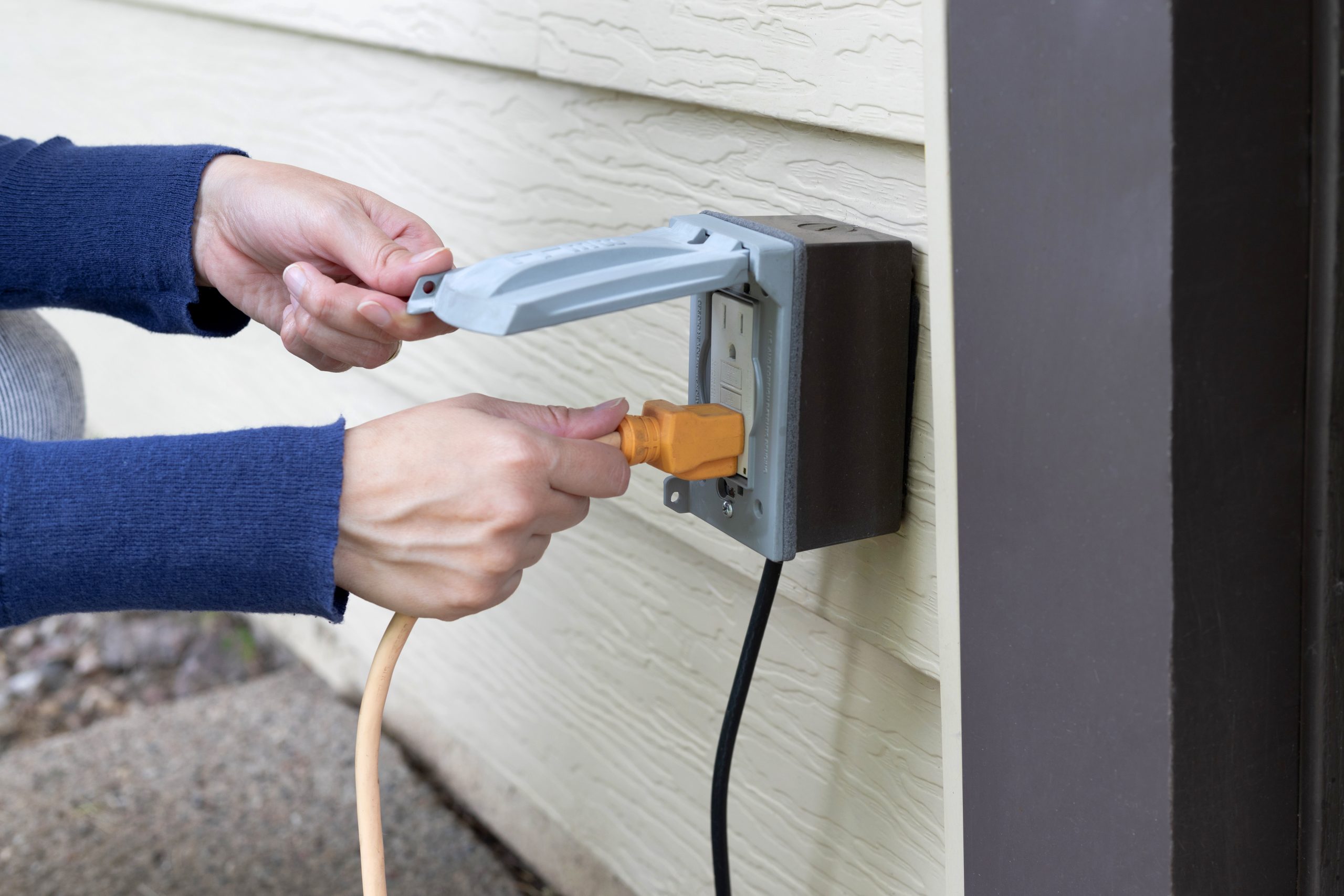
An outdoor power outlet functions on the same basic electrical principles as the outlets inside your home, pulling power from your home’s main electrical panel and delivering it through wiring to a receptacle mounted on an exterior wall, post, or structure. The key difference is in how that outlet is built and protected. Outdoor outlets must be housed in weatherproof enclosures with covers that shield the receptacle from rain, moisture, and debris whether the outlet is in use or not. The National Electrical Code requires that outdoor outlets be protected by a Ground Fault Circuit Interrupter, more commonly known as a GFCI. A GFCI outlet constantly monitors the flow of electricity and will trip and cut power within milliseconds if it detects any irregularity, which is especially important in wet or damp conditions. Some outdoor outlets are also connected to GFCI circuit breakers at the panel rather than having the protection built into the outlet itself. Either way, that protection is not optional. It is code, and for good reason.
Types of Outdoor Outlets You Should Know About
Not all outdoor outlets are created equal, and the right type for your home depends on what you plan to plug into it and where. Understanding your options before installation saves you from costly upgrades later.
- Standard GFCI Outlets: The most common option, typically rated at 15 or 20 amps and suitable for most general outdoor use including string lights, power tools, and small appliances.
- Tamper-Resistant GFCI Outlets: Feature spring-loaded shutters that block access to the slots unless both are engaged simultaneously, reducing the risk of accidental contact.
- In-Use or Bubble Covers: Not a type of outlet, but a critical accessory. These covers allow cords to remain plugged in while the cover is closed, maintaining weather protection during use.
- 20-Amp Dedicated Outdoor Circuits: Necessary when running high-draw equipment like outdoor refrigerators, power saws, or electric grills. These require their own dedicated circuit from the panel.
- Low-Voltage Landscape Outlets: Designed for landscape lighting systems and other low-voltage outdoor applications.
The Real Benefits of Having Outdoor Power Access
The convenience factor alone is reason enough for most homeowners to make this upgrade, but the practical advantages go considerably deeper. Outdoor outlets eliminate the dangerous habit of running extension cords through windows or doors, which creates both a tripping hazard and a gap in your home’s weather seal. They also increase your home’s functionality and flexibility. Whether you are charging outdoor power tools, operating a fountain or water feature, setting up outdoor speakers, or powering a portable generator connection point, having properly installed outdoor receptacles makes all of it cleaner, safer, and more efficient. From a home value standpoint, outdoor living improvements consistently rank among the upgrades buyers notice, and functional, code-compliant outdoor electrical access is a detail that speaks to a well-maintained property.

Common Installation Considerations Every Homeowner Should Understand
Installing an outdoor outlet is not a weekend project for someone with a YouTube tutorial and a screwdriver. It involves working with your home’s electrical system, which means permits, code compliance, and in most jurisdictions, a licensed electrician. The installation requires running wire from your electrical panel to the exterior location, drilling through walls or running conduit, mounting a weatherproof box, and connecting everything according to local building codes. The placement of the outlet matters too. Most code requirements specify that outdoor outlets be no higher than a certain height above grade, must be mounted in accessible locations, and may need to be within a certain distance from specific areas like pools or water sources due to safety clearances. Before you commit to a location, walk around your property and think about where you actually need power. Many homeowners install one outlet and immediately wish they had added a second on the opposite side of the house.
Potential Drawbacks and Maintenance Realities
Outdoor outlets are exposed to conditions that indoor outlets never face. Temperature swings, moisture, insects, UV exposure, and physical impact from lawn equipment or children all take a toll over time. Covers crack. GFCI mechanisms wear out and need testing monthly and occasional replacement. In colder climates, frozen moisture inside a poorly sealed box can cause damage. The outlets themselves can corrode if they are not rated for outdoor use or if the weatherproofing fails. There is also the issue of power theft in some neighborhoods, which is worth considering if your outlets are accessible from the street or in common areas. These are manageable challenges, but they do require periodic attention. Plan on inspecting your outdoor outlets at least twice a year, testing the GFCI reset function, checking that covers are intact and sealing properly, and looking for any signs of moisture intrusion or damage around the junction box.
Signs Your Outdoor Outlet Needs Attention
Homeowners often ignore outdoor outlets until something stops working. Knowing the warning signs can prevent a small issue from becoming a safety problem or an expensive repair. Watch for outlets that trip the GFCI repeatedly without an obvious cause, visible discoloration or scorch marks around the faceplate, a cover that no longer closes or seals properly, outlets that feel warm to the touch even when nothing is plugged in, or receptacles that have become physically loose in the box. Any of these symptoms warrant a call to a licensed electrician rather than a DIY investigation. Outdoor electrical components can fail in ways that are not always visible, and the presence of moisture in the equation raises the stakes considerably.
Practical Tips for Getting the Most From Your Outdoor Outlets
- Test your GFCI outlets monthly using the built-in test and reset buttons to confirm they are functioning correctly.
- Use in-use covers whenever cords will remain plugged in for extended periods, especially in regions with variable weather.
- Avoid daisy-chaining multiple power strips or extension cords from a single outdoor outlet, which can exceed the circuit’s amperage rating.
- Have a licensed electrician assess your panel capacity before adding multiple new outdoor circuits, particularly if you plan to run high-draw appliances.
- Replace any outlet cover that is cracked, warped, or no longer seals flush against the wall immediately.
- Consider installing outlets with USB charging ports if your outdoor living space doubles as a lounge area where devices are frequently used.
Where Outdoor Outlets Fit Within Your Broader Home System
It is easy to think of an outdoor outlet as a standalone improvement, but it is genuinely part of your home’s larger electrical infrastructure. Every outlet you add is another point on a circuit that traces back to your panel, your wiring, and ultimately the service coming into your home. That interconnectedness is exactly why problems with outdoor outlets can sometimes reflect deeper electrical issues, and why unexpected failures are not always limited to the outlet itself. Home electrical systems are among the most consequential and least visible systems in a property. When components fail, the costs can climb quickly, and the safety implications can be serious. That reality is what makes a home warranty worth thinking about for any homeowner who wants to protect themselves from unplanned repair costs across all of their home’s major systems.
How Armadillo Helps Protect the Electrical Systems That Power Your Outdoor Life
When an outdoor outlet stops working or triggers a deeper electrical issue, the last thing you want to do is scramble for a contractor and a credit card at the same time. That is where Armadillo’s home warranty coverage for electrical systems and home components makes a genuine difference. Armadillo offers straightforward, honest protection for the systems and appliances that keep your home running, including your home’s electrical infrastructure, without the confusing fine print that makes filing a claim feel like solving a puzzle. If you are investing in outdoor electrical upgrades, it makes sense to pair that investment with coverage that has your back when something goes wrong. You can get a free home warranty quote for outdoor electrical and whole-home system protection in just a few minutes. Armadillo keeps it simple because protecting your home should not feel like another headache.

Frequently Asked Questions About Outdoor Power Outlets
Homeowners ask a lot of the same questions when it comes to outdoor electrical outlets. Here are clear answers to the ones that come up most often.
Do outdoor outlets need to be GFCI protected?
Yes. The National Electrical Code requires all outdoor outlets to have GFCI protection. This can come from a GFCI outlet at the receptacle itself or from a GFCI circuit breaker installed at the panel.
Can I install an outdoor outlet myself?
In most jurisdictions, outdoor electrical work requires a licensed electrician and a permit. Attempting to install an outlet yourself without proper licensing may violate local code and could void your homeowner’s insurance in the event of a related claim.
How many outdoor outlets does a home typically need?
Building codes typically require at least one GFCI-protected outlet at the front and rear of a home. Most homeowners find this insufficient and opt for additional outlets based on their outdoor layout and how they use the space.
What does an in-use cover do and is it required?
An in-use cover, sometimes called a bubble cover, keeps the outlet protected from weather while a cord is plugged in. The NEC requires in-use covers for outlets in wet locations.
Why does my outdoor GFCI outlet keep tripping?
Repeated tripping usually indicates moisture intrusion inside the outlet box, a failing GFCI mechanism, an overloaded circuit, or a fault somewhere in the connected wiring. A licensed electrician should diagnose the cause.
How do I know if my outdoor outlet is weatherproof enough?
Look for an in-use cover that closes flush and seals fully, a weatherproof box rated for outdoor use, and a GFCI outlet rated for wet or damp locations. If the cover is cracked or the box is visibly corroded, replacement is warranted.
Can outdoor outlets be covered by a home warranty?
Coverage varies by provider. Some home warranty plans cover the home’s electrical system broadly, which can include wiring and outlets. Review your plan’s terms carefully or speak with your warranty provider to confirm what is included.
What amperage should outdoor outlets be rated for?
Standard outdoor outlets are typically 15 or 20 amps. If you plan to run high-draw equipment like outdoor power tools, electric grills, or large appliances, a 20-amp dedicated circuit is generally the appropriate choice.
How often should outdoor outlets be inspected?
Inspect outdoor outlets at least twice a year, ideally in spring and fall. Test GFCI function monthly using the built-in test button. Also inspect after any major weather event for signs of moisture damage or cover failure.
Are outdoor outlets near pools or hot tubs subject to different rules?
Yes. Outlets installed near swimming pools, spas, or hot tubs are subject to stricter NEC requirements regarding distance from water, GFCI protection, and the type of receptacle permitted. Always hire a licensed electrician for any outlet work in those areas.