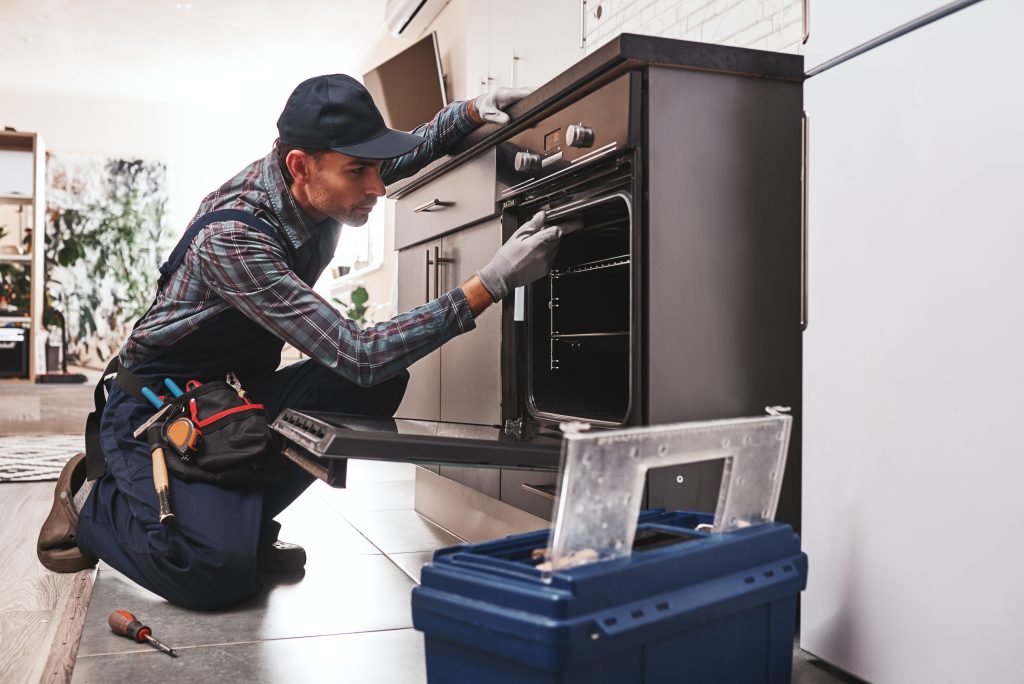

What Is an Appliance Repairman and Why Does Their Work Matter in Your Home?
When your dishwasher stops draining or your dryer refuses to spin, the person you call is an appliance repairman. Also referred to as an appliance repair technician, this professional is trained to diagnose, service, and restore household appliances to working order. They handle everything from refrigerators and washing machines to ovens, garbage disposals, and beyond. It sounds straightforward, but the scope of this work is genuinely broad. These technicians often carry certifications, manufacturer-specific training, and years of hands-on experience. The job is far more technical than most homeowners realize, which also explains why their rates are what they are.
What Does an Appliance Repairman Actually Do?
An appliance repairman inspects malfunctioning equipment, identifies the root cause of the failure, sources replacement parts, and performs the actual repair. Some jobs take thirty minutes. Others require multiple visits, parts ordering, and significant labor. Common repairs include replacing heating elements in dryers, fixing compressor issues in refrigerators, repairing control boards on washers, and addressing igniter problems in gas ranges. Beyond fixing what is broken, a good technician will often identify early-stage issues that could become expensive problems down the road. That preventative insight is part of what makes a skilled repairman genuinely valuable to a homeowner.
Appliance Repairman Salary: What You Should Know as a Homeowner
Understanding how appliance repair technicians are compensated helps homeowners make sense of service costs. According to national wage data, the median annual salary for an appliance repair technician in the United States falls between $42,000 and $58,000 per year. That translates to roughly $20 to $28 per hour for salaried employees. However, independent repair contractors, which represent a significant portion of the industry, set their own rates and often charge service call fees between $75 and $150 just to show up, before any parts or labor costs are added. In high cost-of-living metros, those numbers climb considerably. When a repair visit ends up costing $300 or more, it is not because the technician is being unreasonable. Overhead, tools, transportation, parts sourcing, and expertise all factor in.

How Appliance Repair Costs Break Down for Homeowners
Most appliance repair bills are composed of three parts: the service call fee, the cost of replacement parts, and the labor charge. These line items can add up quickly depending on the appliance and the complexity of the failure. Here is a general look at what homeowners can expect to pay for common repair scenarios:
- Refrigerator repair: $200 to $400 on average, with compressor replacements potentially exceeding $600
- Washing machine repair: $150 to $350 depending on whether the drum, pump, or control board is involved
- Dryer repair: $100 to $300, with heating element and thermostat replacements being most common
- Oven or range repair: $100 to $350, with igniter and control board issues driving the higher end
- Dishwasher repair: $150 to $300 for most pump, seal, and valve issues
These ranges reflect national averages and will vary based on your location, the appliance brand, and parts availability. Luxury appliance brands in particular can carry significantly higher parts costs.
Signs Your Appliance Needs a Professional Repair Technician
Not every appliance issue demands an immediate service call, but some warning signs should not be ignored. Unusual noises, burning smells, water leaks, inconsistent temperatures in refrigerators or ovens, and error codes on digital displays are all indicators that something is wrong beneath the surface. Attempting to fix complex mechanical or electrical components without training is risky and can void manufacturer warranties. If your appliance is still under the original warranty, always check that first. If it is not, this is where a home warranty plan can step in to significantly reduce your out-of-pocket exposure.
When Is It Better to Repair Versus Replace an Appliance?
This is one of the most common questions homeowners ask when facing a broken appliance, and the answer is not always obvious. The general industry guidance follows what is sometimes called the 50 percent rule: if the cost of the repair exceeds 50 percent of the cost of a new unit, replacement is often the smarter long-term investment. Age also plays a major role. Most major appliances have a functional lifespan of 10 to 15 years depending on the type and how heavily they are used. A ten-year-old refrigerator with a failing compressor might not be worth a $600 repair. A three-year-old dryer with a $120 heating element replacement? That one is almost always worth fixing.
What a Home Warranty Covers When Appliances Break Down
A home warranty is a service contract that covers the cost of repairing or replacing major home systems and appliances when they fail due to normal wear and tear. This is distinct from homeowners insurance, which covers damage from events like fires or storms. When a covered appliance breaks down, the homeowner contacts the warranty provider, pays a service fee, and a vetted technician is dispatched to handle the repair. The warranty provider covers the remaining cost of parts and labor up to the policy limits. For homeowners dealing with the reality of appliance repairman salary-driven service rates, this model can represent substantial savings over time, particularly when multiple appliances need attention in the same year.
Key Benefits of Having Appliance Coverage Through a Home Warranty
- Predictable costs replace unpredictable repair bills
- Access to pre-screened, qualified repair technicians without having to search independently
- Coverage for multiple appliances under a single annual plan
- Protection against the rising costs tied to technician labor rates and parts inflation
- Peace of mind for budget-conscious homeowners or those managing older appliance inventories
Common Drawbacks to Be Aware Of
Home warranties are useful, but they are not perfect. Coverage limits vary by provider and plan, and some repairs may fall below the deductible threshold in a way that makes the claim less financially meaningful. Pre-existing conditions are typically excluded, meaning appliances that were already failing before the plan started may not qualify for coverage. Response times can sometimes lag, particularly during high-demand seasons when technicians are stretched thin. It is always worth reading the fine print of any home warranty contract carefully, paying close attention to coverage caps, excluded components, and the claims process. A well-designed plan from a reputable provider addresses most of these pain points directly.
Why Armadillo Is Worth Considering for Appliance Repair Coverage
When appliance repair costs are unpredictable and technician rates continue to climb, having a reliable home warranty plan is less of a luxury and more of a financial strategy. Armadillo was built specifically for homeowners who want straightforward, honest coverage without the confusing exclusions and fine print that plague so many warranty contracts. If you are looking for home warranty coverage that protects your appliances from unexpected repair costs, Armadillo offers transparent plans designed around how real homeowners actually live. The claims process is clear, the network of service technicians is vetted, and the pricing reflects genuine value. When your dryer goes out on a Sunday evening or your refrigerator starts making sounds it should not, you will want a plan already in place. Take two minutes to get a personalized appliance and home system warranty quote from Armadillo and see exactly what your coverage options look like before something breaks.

Frequently Asked Questions About Appliance Repairmen and Home Warranty Coverage
Here are answers to some of the most common questions homeowners have about appliance repair costs, technician services, and how home warranties factor into the picture.
What is the average salary of an appliance repairman?
The median annual salary for an appliance repair technician in the United States is approximately $42,000 to $58,000. Independent contractors typically charge service fees and hourly rates that reflect higher take-home earnings but also greater overhead costs.
How much does a typical appliance repair service call cost?
Most appliance repair companies charge a service call fee between $75 and $150, which covers the technician’s visit and initial diagnosis. Parts and additional labor are billed separately on top of that base fee.
Does a home warranty cover all appliances in my home?
Coverage depends on the specific plan you choose. Most home warranty plans cover major appliances like refrigerators, dishwashers, washers, dryers, and ovens. Optional add-ons are sometimes available for items outside the standard plan.
Are appliance repairs covered under homeowners insurance?
No. Homeowners insurance covers sudden, accidental damage caused by covered events like fire or water damage from a burst pipe. Appliance breakdowns due to normal wear and tear fall under home warranty coverage, not homeowners insurance.
When should I repair an appliance instead of replacing it?
If the repair cost is less than 50 percent of the cost of a comparable new appliance and the unit is relatively young, repair is generally the better financial decision. Older appliances approaching the end of their typical lifespan may warrant replacement instead.
How do I find a qualified appliance repair technician?
Look for technicians who are certified by manufacturer programs or industry organizations. Checking reviews, verifying licensing where required, and asking about experience with your specific appliance brand are all reasonable starting points.
What appliances have the highest repair costs?
Refrigerators, particularly those with compressor or sealed system failures, tend to carry the highest repair costs. High-end or luxury brand appliances also carry elevated parts costs that can make repairs expensive regardless of the type of failure.
Can a home warranty save me money on appliance repairs?
Yes, particularly if you own multiple appliances or have older units that are more likely to need service. A home warranty plan consolidates repair costs into a predictable annual premium and service fee structure, which many homeowners find more manageable than absorbing full repair bills.
What is not covered by most home warranty plans?
Pre-existing conditions, cosmetic damage, and issues resulting from improper installation or misuse are commonly excluded. Coverage caps also apply, meaning repairs that exceed the plan limit may result in some out-of-pocket costs for the homeowner.
How quickly does a home warranty company dispatch a technician?
Response times vary by provider and region, but most reputable home warranty companies aim to schedule a service appointment within 24 to 48 hours for non-emergency claims. Emergency situations like heating or cooling failures in extreme weather are typically prioritized.