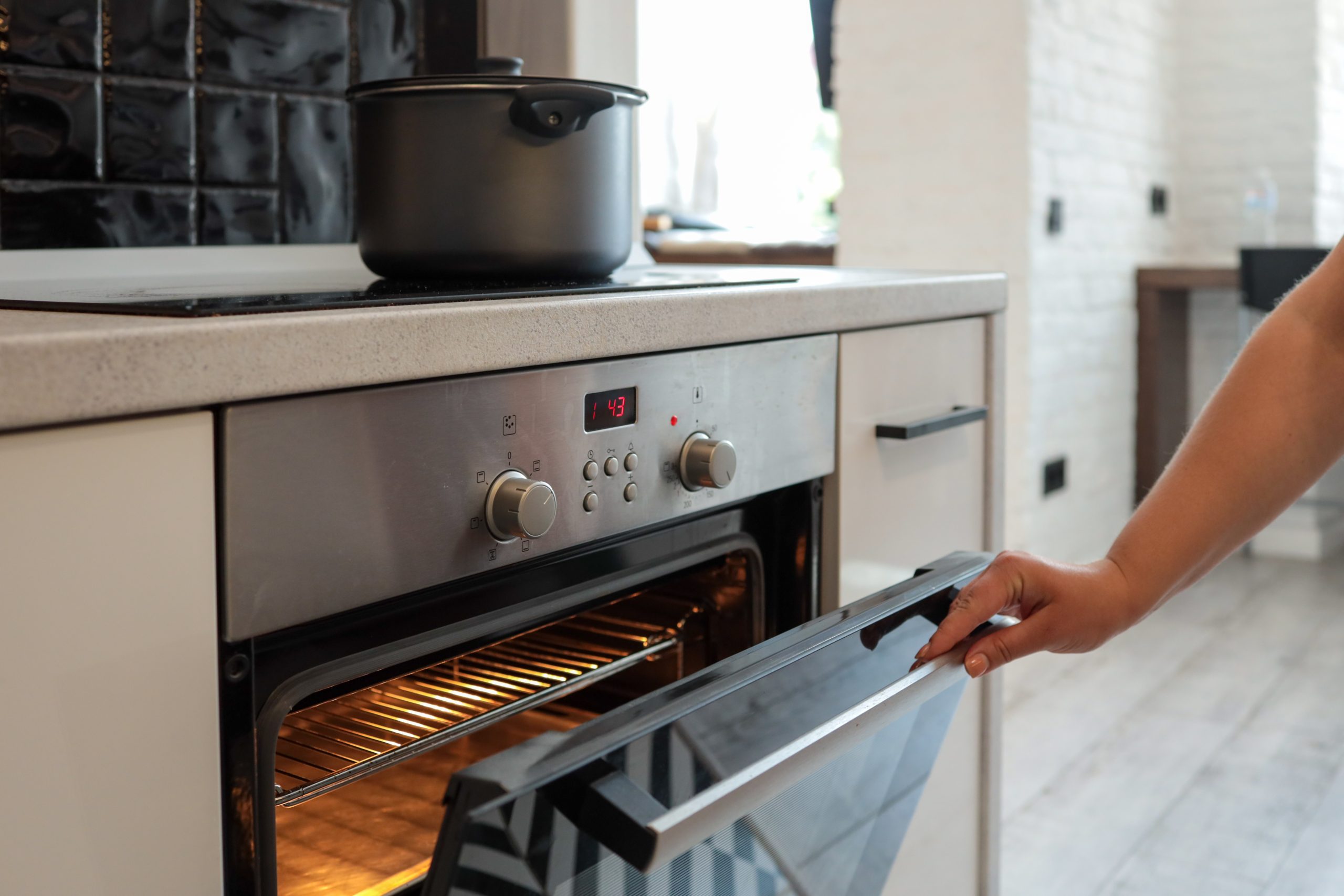
What Is an Oven Door Gasket Seal and Why Does It Matter?
If you have ever noticed your oven taking longer than usual to preheat, or felt unusual heat radiating from the door during cooking, there is a good chance your oven door gasket seal is trying to tell you something. This small but surprisingly important component is the flexible strip lining the perimeter of your oven door. It creates an airtight seal between the door and the oven cavity, keeping heat locked inside where it belongs. Most homeowners never think about it until something goes wrong, and by that point, the effects are already showing up in their energy bills and their cooking results.
How the Oven Door Gasket Seal Actually Works
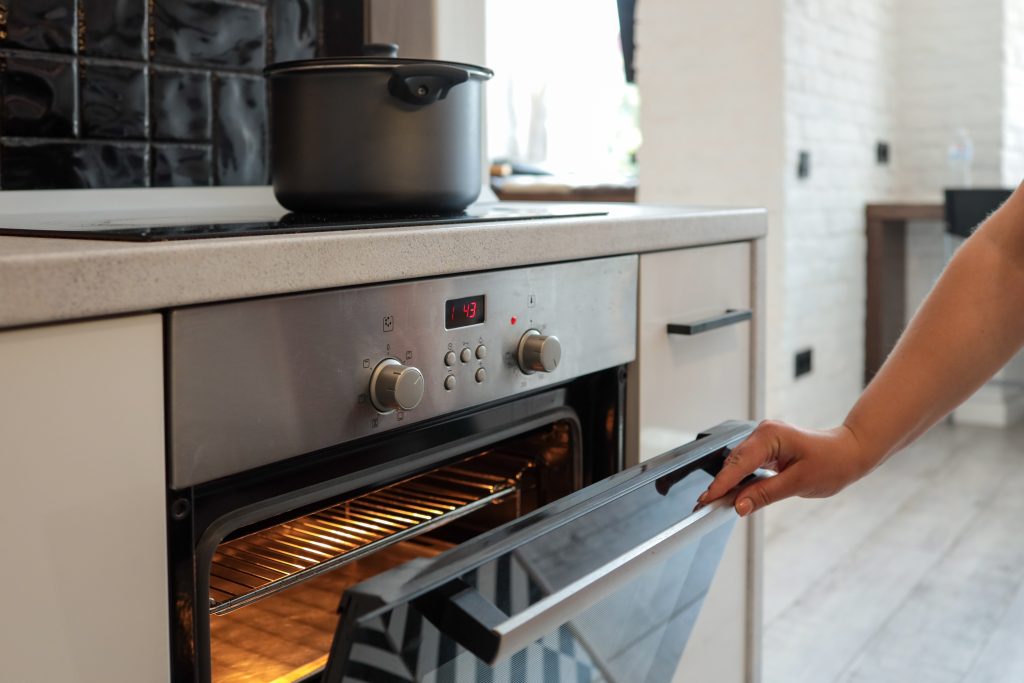
The gasket is typically made from woven fiberglass, silicone, or a heat-resistant rubber compound. It wraps around the inside edge of the oven door and compresses slightly when the door closes, forming a tight boundary that traps heat inside the oven cavity. The physics here are simple but effective. Hot air wants to escape. The gasket stops it from doing so by maintaining consistent contact between the door and the oven frame. Without it, you lose heat through that gap, the oven has to work harder to maintain its set temperature, and cooking times become unpredictable. Some modern ovens use magnetic gaskets for an even tighter seal, similar to what you find on a refrigerator door, though the principle is exactly the same.
Signs Your Oven Door Gasket Seal Needs Attention
The gasket is one of those components that degrades gradually rather than failing all at once, which makes it easy to miss until the problem is well established. Knowing what to look for makes a real difference in catching it early.
- Visible cracks, tears, or fraying along the gasket surface
- Portions of the gasket that have pulled away from the door frame
- Heat escaping from the door edges during cooking cycles
- Longer than usual preheat times without any other obvious cause
- Food cooking unevenly or requiring more time than recipes suggest
- The oven door feeling excessively hot to the touch on the outer surface
Any one of these signs is worth taking seriously. A compromised gasket does not just affect cooking performance. It puts added strain on the oven’s heating elements and thermostat, which can lead to larger repair needs down the road if left unaddressed.

Key Advantages of a Properly Functioning Gasket Seal
It is easy to underestimate how much this one component contributes to the overall performance of your oven. When the gasket is in good condition, your oven maintains consistent internal temperatures without overworking the heating elements. That means more predictable cooking results, lower energy consumption, and a longer service life for the appliance as a whole. A tight seal also keeps the exterior of the oven door cooler, which is a meaningful safety consideration in households with young children. From a purely financial standpoint, a functioning gasket helps your oven run efficiently, which shows up as real savings on your monthly utility costs over time.
Common Drawbacks and Limitations to Be Aware Of
Gasket seals are not perfect. Their biggest limitation is simply the nature of the material they are made from. Repeated exposure to high heat causes them to harden, crack, and eventually lose their ability to form a reliable seal. Most gaskets have a useful life of several years under normal use, but frequent high-temperature cooking, self-cleaning cycles, and improper cleaning methods can shorten that lifespan considerably. Self-cleaning cycles in particular are notably harsh on gaskets because they push oven temperatures well above normal cooking ranges. Many manufacturers actually recommend inspecting the gasket after each self-cleaning cycle for this reason.
How to Inspect Your Oven Door Gasket at Home
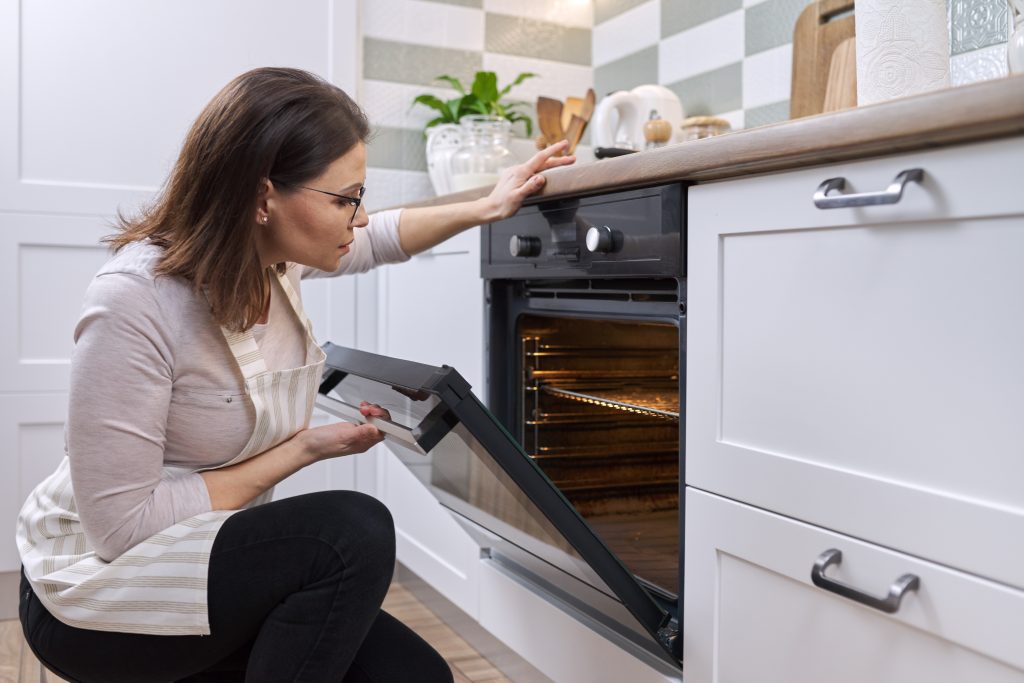
Inspecting the gasket is straightforward and requires no special tools. With the oven completely cool, open the door and run your fingers slowly along the entire length of the gasket. You are feeling for areas that are hardened, brittle, flattened, or noticeably thinner than the surrounding sections. Visual inspection is equally important. Look for any tears, gaps where the gasket has detached from the door frame, and areas that appear discolored or compressed beyond what looks normal. A simple piece of paper can also serve as a diagnostic tool. Close the oven door on a sheet of paper and try to pull it out slowly. If it slides out without resistance, the seal at that point is not creating adequate contact.
Replacing an Oven Door Gasket: What Homeowners Should Know
Replacing the gasket is a repair that many homeowners can handle themselves, depending on the oven model. Most gaskets are held in place by clips or hooks that slide into slots along the door frame, making removal and installation relatively intuitive. The critical step is sourcing the correct replacement part for your specific oven make and model. Using the wrong gasket can result in a poor fit and the same heat-loss problems you were trying to solve. If the gasket is attached with screws or integrated in a way that requires partial disassembly of the door, professional service is the safer route. Improper installation can compromise the seal’s effectiveness and, in some cases, create safety concerns related to heat distribution around the door.
Maintenance Tips to Extend Gasket Life
Routine maintenance goes a long way toward preserving the integrity of your oven door gasket. Avoid using abrasive cleaners or scrubbing pads directly on the gasket, as these accelerate surface degradation. When cleaning the oven interior, work carefully around the gasket rather than dragging a cloth or sponge across it repeatedly. Limit self-cleaning cycles to only when genuinely necessary, rather than running them on a rigid schedule. After any spill inside the oven, address it promptly to prevent buildup that can harden against the gasket surface and cause it to pull or tear during normal door operation. These are small habits, but they add up over the life of the appliance.
Why Oven Repairs Like This Are Worth Covering With a Home Warranty
A gasket replacement is a modest repair on its own, but it is rarely the only thing that happens to an oven over the years you own it. Heating elements fail. Temperature sensors drift out of calibration. Igniters wear out. Control boards malfunction. Each of those repairs carries its own cost, and they have a habit of arriving without much warning. That is exactly the scenario where a home warranty earns its value. If you want to understand what comprehensive appliance protection actually looks like for homeowners, Armadillo’s home warranty coverage for kitchen appliances and major home systems is built to address those unexpected costs directly. Rather than absorbing the full price of a repair out of pocket, a home warranty plan spreads that financial risk across a predictable monthly cost. It is the kind of coverage that quietly makes a lot of sense until the day you actually need it, and then it makes an enormous amount of sense. If you are ready to see what options are available for your home, you can get a personalized home warranty quote that covers your oven and other major appliances in just a few minutes.

Frequently Asked Questions About Oven Door Gasket Seals
These are the questions homeowners ask most often when it comes to understanding, maintaining, and replacing their oven door gasket seal.
How long does an oven door gasket seal typically last?
Most oven door gaskets last between five and ten years under normal use, though frequent self-cleaning cycles and heavy cooking use can shorten that range considerably. Inspecting the gasket once a year is a reasonable maintenance habit.
Can a damaged oven door gasket be a safety hazard?
Yes. A failing gasket allows heat to escape from the oven cavity, which can make surrounding cabinetry, countertops, and the oven door exterior significantly hotter than intended. This presents a burn risk, particularly for children, and can affect materials close to the oven over time.
Does a damaged gasket increase my energy bill?
It can. When the gasket fails to hold heat inside the oven, the appliance runs longer to maintain the set temperature. That additional energy use is reflected in your utility costs, though the amount varies based on how often you cook and how severe the seal failure is.
Is replacing an oven door gasket something I can do myself?
In many cases, yes. Most gaskets are secured with clips or hooks and can be replaced without professional tools. The key is sourcing the correct replacement part for your oven’s make and model. If the gasket is screwed in or requires door disassembly, a professional technician is the better option.
How do I know which replacement gasket to buy?
Check your oven’s model number, which is typically found on a label inside the door frame or on the back of the appliance. Use that number to search for the manufacturer-specified replacement gasket, either through the manufacturer directly or a reputable appliance parts supplier.
Will running the self-cleaning cycle damage my oven gasket?
Self-cleaning cycles expose the gasket to temperatures significantly higher than normal cooking ranges, which accelerates wear. While occasional use of the self-cleaning feature is generally fine, running it frequently will shorten the gasket’s lifespan. Inspect the gasket after each self-cleaning cycle to monitor its condition.
Can I use my oven if the gasket is damaged?
You can, but it is not ideal. A damaged gasket reduces cooking efficiency and increases heat exposure to surrounding surfaces. If the gasket is torn or pulling away from the frame in multiple places, replacing it promptly is the recommended course of action.
Does a home warranty cover oven door gasket replacement?
Coverage varies by plan and provider. Some home warranty plans cover gasket replacement as part of broader oven or range coverage, while others may classify it as a maintenance item. Reviewing your specific plan terms or speaking with your warranty provider directly is the best way to confirm what is included.
How much does it cost to replace an oven door gasket?
The gasket part itself typically ranges from roughly fifteen to sixty dollars depending on the oven brand and model. If you hire a professional for the replacement, labor costs will add to that total, though the overall repair remains one of the more affordable oven service calls.
What materials are oven door gaskets made from?
Most oven door gaskets are made from woven fiberglass, silicone, or heat-resistant rubber compounds. Higher-end models sometimes use magnetic silicone gaskets for a more secure closure. Each material has a different tolerance for heat and wear, but all require periodic inspection regardless of the type.