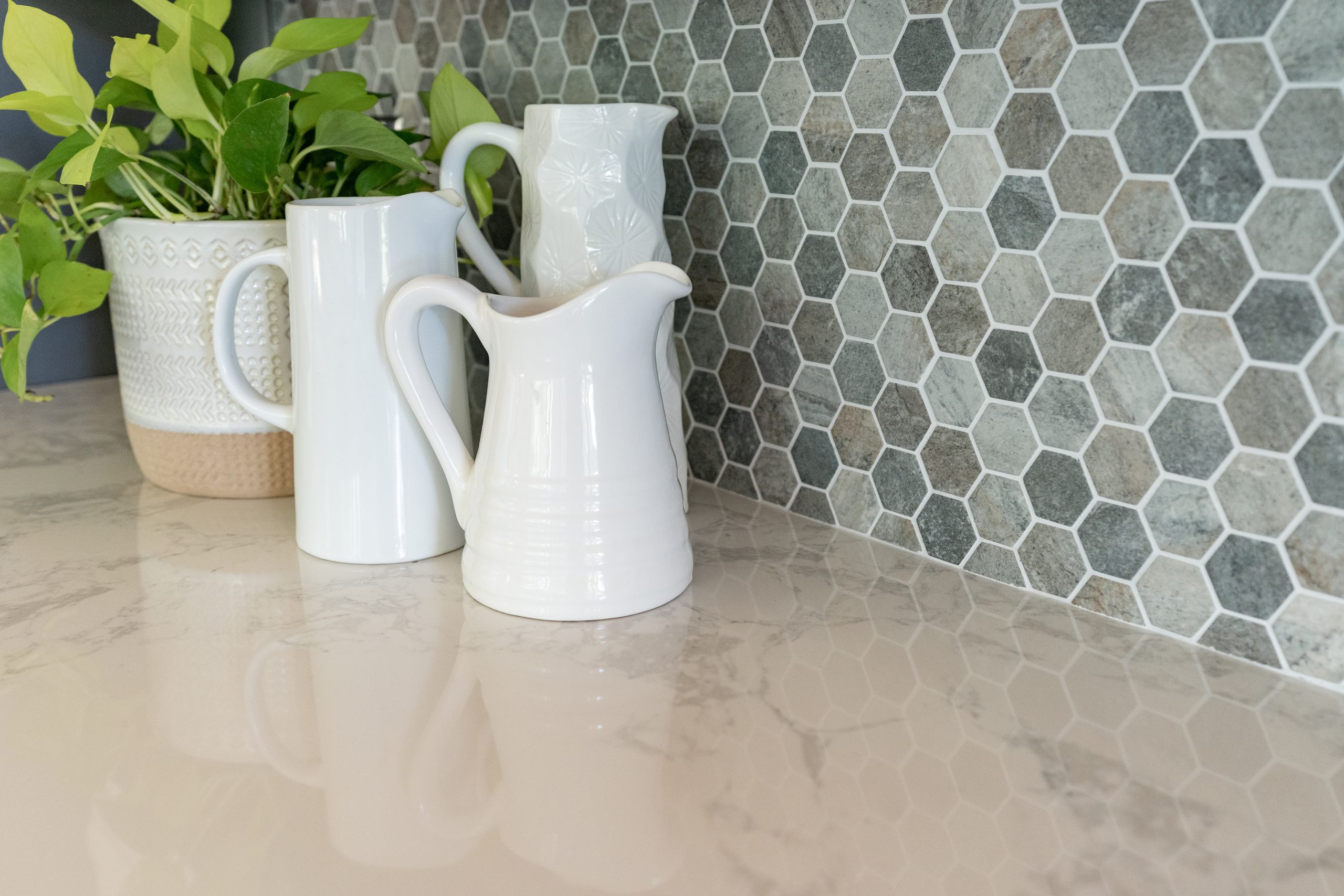
What Is a Tile Backsplash and Why Does It Matter in Your Home?
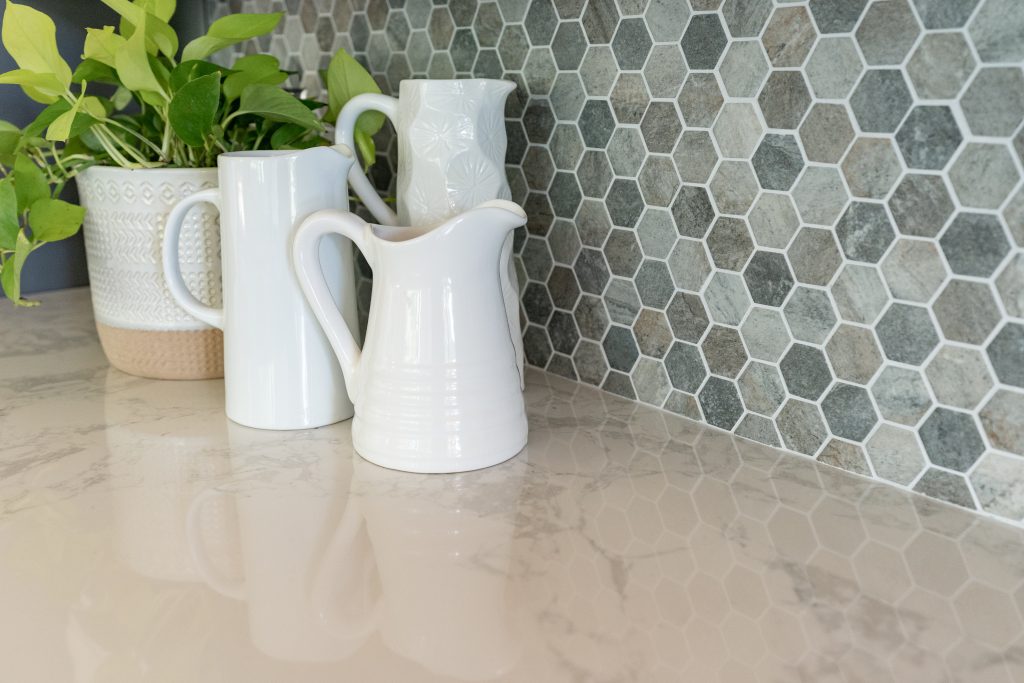
A tile backsplash is a section of wall covering, typically installed between countertops and upper cabinets in a kitchen or bathroom, designed to protect the wall surface from moisture, grease, and general splatter. It is one of those home improvements that sits at the intersection of function and design in a way that few other upgrades manage to pull off. You get practical protection and a visual statement at the same time. The material is almost always ceramic, porcelain, glass, stone, or a combination of these, and the installation involves setting tiles into mortar or adhesive and then grouting the joints. Simple in concept, but the execution and planning require real attention to detail if you want results that hold up over time.
How a Tile Backsplash Actually Works
The mechanics behind a tile backsplash are more straightforward than most homeowners expect. The tile itself acts as a barrier. When water or cooking grease hits the wall during everyday use, the tile surface repels it rather than allowing it to soak into drywall or plaster. Without that barrier, repeated moisture exposure leads to mold, staining, and structural deterioration behind the wall. The grout lines between tiles, when properly sealed, also resist moisture penetration. That said, grout is porous by nature, which is why sealing it after installation is not optional. It is a maintenance step that directly affects how well the backsplash performs its protective role over the years.
Types of Tile Used for Backsplashes
The material you choose for your backsplash affects durability, maintenance, and cost more than most people realize before they start shopping. Each option carries a distinct profile worth understanding before you commit.
- Ceramic tile is the most affordable and widely available option, easy to cut and install, and reasonably durable for kitchen environments.
- Porcelain tile is denser than ceramic, more resistant to moisture and staining, and a solid choice for high-use kitchens.
- Glass tile reflects light beautifully and resists staining, but it is more fragile and can be harder to install without cracking.
- Natural stone tile, including marble, travertine, and slate, brings a premium look but requires more maintenance and regular sealing.
- Subway tile is a format rather than a material, typically ceramic or porcelain, and remains one of the most popular backsplash choices due to its clean, timeless look.
The Installation Process From Start to Finish
Installing a tile backsplash involves several stages, and skipping any of them tends to create problems down the line. The process begins with surface preparation, which means cleaning the wall thoroughly, ensuring it is dry, and in some cases applying a cement board backer in areas with high moisture exposure. After that, the tile layout is planned, usually by finding the center point of the installation area and working outward for balanced symmetry. Tiles are then set using thinset mortar or mastic adhesive, depending on the material and location. Once the adhesive cures, grout is applied and worked into the joints. The final step is cleaning off the grout haze and applying a grout sealer once everything has fully dried. Done correctly, the installation should be solid, even, and built to last for decades.

Key Advantages of Installing a Tile Backsplash
Beyond the obvious protective function, a tile backsplash delivers a few advantages that consistently make it one of the more worthwhile home improvements for kitchens and bathrooms. The durability factor alone is significant. Quality tile, properly installed, can last the lifetime of the home with minimal intervention. From a home value perspective, an updated backsplash is one of those cosmetic improvements that buyers notice immediately and respond to positively. It also makes cleaning far easier than painted drywall. A quick wipe with a damp cloth handles most kitchen messes that would otherwise require scrubbing or repainting. There is also real design flexibility. The range of tile shapes, colors, patterns, and textures available today makes it possible to achieve virtually any aesthetic from rustic farmhouse to sleek modern.
Common Drawbacks and Limitations to Know Before You Start
No home improvement is without its complications, and tile backsplashes are no exception. The installation process, while not impossibly complex for an experienced DIYer, does require patience, proper tools, and a willingness to redo work that does not meet standard. Cutting tile around outlets, corners, and irregular spaces demands a tile saw and a steady hand. Grout, as mentioned, needs to be sealed and periodically resealed over the years, which is a maintenance commitment some homeowners underestimate. If tiles crack or become damaged, matching the original tile exactly can be difficult, especially with discontinued patterns or natural stone with natural variation. Cost is also a real factor. Material costs alone can range from a few dollars per square foot for basic ceramic to well over thirty dollars per square foot for premium stone or handmade tile, and professional installation adds significantly to that total.
DIY vs. Professional Installation: Making the Right Call
This is where a lot of homeowners stall out, and the honest answer depends on the scope and complexity of the project. A straightforward subway tile installation on a flat wall with no unusual obstacles is genuinely manageable for a homeowner with basic tools and careful preparation. Watching a few detailed installation guides and taking time with the layout and grouting stages can yield professional-looking results. However, projects involving natural stone, intricate mosaic patterns, steam or high-moisture environments, or significant tile cutting around complex surfaces are better suited to a professional installer. The cost of fixing a poorly tiled backsplash, including demo, material replacement, and reinstallation, almost always exceeds the cost of hiring a professional from the start.
Maintenance Tips to Keep Your Backsplash Looking Its Best
Once the installation is done, ongoing care is relatively minimal compared to many other home surfaces. Regular cleaning with a mild, non-abrasive cleaner and a soft cloth or sponge is sufficient for most tile types. Avoid using harsh chemicals or scouring pads, particularly on glass or polished stone tile, as these can scratch or dull the surface. Grout should be resealed every one to two years in high-use areas, and any cracked or crumbling grout lines should be repaired promptly to prevent moisture from working its way behind the tile. Natural stone backsplashes need stone-specific cleaners and may require more frequent sealing than ceramic or porcelain. Checking the caulk lines at countertop edges and corners annually is also a good habit, since those seals can shrink or crack over time and are easy to refresh before moisture becomes a problem.
How Tile Backsplash Projects Relate to Your Home Warranty Coverage
Here is where things get practical from a home ownership standpoint. A tile backsplash itself is a cosmetic improvement and typically falls outside the scope of a standard home warranty, which focuses on mechanical systems and built-in appliances. However, the systems that work alongside and behind your backsplash, such as plumbing lines, garbage disposals, and dishwashers, are exactly what home warranty plans are designed to cover. If a pipe behind your kitchen wall develops a leak that damages your freshly tiled backsplash, the source of that problem may be a covered system. Understanding the relationship between your home improvements and your home systems coverage is part of being a genuinely prepared homeowner rather than a reactive one.
Why Armadillo Is the Smart Choice for Homeowners Who Take Their Home Seriously
If you have taken the time to invest in a tile backsplash, you clearly care about the condition and value of your home. That same mindset is exactly why a dependable home warranty belongs in your plan. Armadillo home warranty coverage for kitchen appliances and home systems is built to give homeowners real protection without the complicated fine print that makes other warranty companies frustrating to deal with. The appliances and systems that work alongside your kitchen renovation, from the dishwasher to the plumbing behind the walls, deserve the same level of care and foresight you put into your tile work. When something breaks, the last thing you want is a coverage dispute. You can get a free home warranty quote to protect your kitchen systems and appliances in just a few minutes and know exactly what you are covered for before something goes wrong. Armadillo makes that process honest, fast, and straightforward.

Frequently Asked Questions About Tile Backsplashes
These are the questions homeowners ask most often when planning a backsplash project, answered directly and without fluff.
How much does it cost to install a tile backsplash?
The total cost depends heavily on tile material and labor. Basic ceramic tile projects may run between 400 and 800 dollars for a standard kitchen, while premium stone or glass tile with professional installation can reach 2,000 dollars or more. Material costs typically range from 2 to 30 or more dollars per square foot.
Can I install a tile backsplash myself?
Yes, a straightforward backsplash installation is a manageable DIY project for a homeowner with patience and basic tools. Complex cuts, intricate patterns, or natural stone installations are better handled by a professional to avoid costly mistakes.
How long does a tile backsplash last?
A properly installed tile backsplash can last the lifetime of the home. Ceramic and porcelain tile are especially durable. The grout and caulk joints require periodic maintenance, but the tile itself rarely needs replacement under normal conditions.
Do I need to seal my backsplash tile?
Sealing depends on the tile type. Natural stone tile should always be sealed before grouting and periodically after. Glazed ceramic and porcelain tile generally do not require sealing, but the grout lines should be sealed regardless of tile type to prevent staining and moisture infiltration.
What is the best tile for a kitchen backsplash?
Porcelain tile is widely considered the best overall choice for kitchens due to its density, moisture resistance, durability, and range of available styles. Ceramic is a close and more affordable alternative. Glass tile is excellent for light reflection but requires more careful handling.
How do I clean a tile backsplash?
Use a mild, non-abrasive cleaner and a soft cloth or sponge for regular cleaning. Avoid harsh chemicals or scrubbing pads, especially on glass or polished stone. For grout lines, a soft brush with a diluted cleaning solution works well without damaging the grout.
Does a tile backsplash add value to a home?
Yes. An updated, well-installed backsplash is a cosmetic improvement that buyers notice and respond to positively. While it is not the highest return-on-investment renovation, it improves the perceived quality of a kitchen and can contribute meaningfully to a home’s appeal during a sale.
How thick should backsplash tile be?
Most standard backsplash tiles range from 1/4 inch to 3/8 inch thick. Thinner tiles, including glass mosaic options, can be as thin as 1/8 inch. Thickness affects installation method and the type of adhesive used, so always check manufacturer guidelines for the specific tile you select.
Can I tile over an existing backsplash?
In some cases, yes, but it is generally not recommended. Tiling over existing tile adds weight and thickness to the wall, can create uneven surfaces, and may cause adhesion problems if the existing tile is not perfectly stable. Removing the old tile first typically produces better long-term results.
Is grout or caulk used at the countertop edge of a backsplash?
Caulk should always be used at the joint where the backsplash meets the countertop, not grout. Grout is rigid and will crack at that junction due to natural movement between surfaces. Caulk is flexible, allows for that movement, and creates a watertight seal that holds up far better over time.