What Is a Venting Tub Drain and Why Does It Matter in Your Home?
If you have ever noticed your bathtub draining slowly, heard gurgling sounds from nearby fixtures, or caught the faint smell of sewer gas after a bath, there is a good chance your tub drain venting is either missing, undersized, or failing. The venting tub drain system is one of those behind-the-walls components that most homeowners never think about until something goes wrong. And when it does go wrong, it tends to go wrong in ways that are hard to ignore. Understanding what it is, how it functions, and what to watch for can save you from a lot of frustration and a repair bill that nobody wants to open.
Understanding the Basics: What Is a Venting Tub Drain?
A venting tub drain is the combination of a bathtub drain assembly and the plumbing vent system connected to it. The drain itself is straightforward enough, it is the pipe and stopper mechanism that carries wastewater from your tub out to the main drain line. But the venting component is where things get interesting. Every drain in your home needs air to function correctly. Without proper venting, negative pressure builds up inside the drain pipe as water flows through it, and that pressure has to go somewhere. It either pulls water out of nearby p-traps, which are the curved pipe sections that block sewer gases from entering your living space, or it slows the drain dramatically. The vent pipe, usually routed up through your walls and out the roof, introduces air into the drain system to equalize pressure and keep everything moving as it should.
How the Venting System Actually Works
Think of it like drinking from a straw with your finger pressed over the top. The liquid does not flow freely because there is no air entering to replace what is leaving. The moment you lift your finger, the air equalizes, and the liquid flows. Your tub drain works the same way. As water drains from the tub, it needs replacement air entering through the vent stack to maintain neutral pressure throughout the pipe. That air comes down from a vent pipe that exits through your roof, or in some configurations, through an air admittance valve installed closer to the fixture itself. When the system is working correctly, water drains quickly, there are no gurgling sounds, and the p-trap stays full of water, which acts as a continuous barrier against sewer gas. When the venting fails or gets blocked, that balance collapses.
Key Advantages of a Properly Vented Tub Drain
- Consistent, fast drainage without standing water in the tub
- Prevents sewer gases, including hydrogen sulfide, from entering your bathroom
- Reduces strain on the p-trap by maintaining proper pressure balance
- Extends the life of drain components by preventing pressure-related wear
- Keeps nearby fixtures like toilets and sinks from gurgling or slow-draining
- Supports overall plumbing health throughout the connected drain network
A well-vented tub drain is not a luxury, it is a code requirement in most jurisdictions precisely because the health and safety implications are real. Sewer gas contains methane and hydrogen sulfide, both of which are hazardous in enclosed spaces. A functioning vent system is your home’s built-in protection against those risks every single day.
Common Drawbacks and Challenges Homeowners Face
Nothing in a home is without its complications, and the venting tub drain system has a few. First, traditional vent pipes that exit through the roof can become obstructed by debris, bird nests, ice in cold climates, or deterioration of the pipe itself. Second, in older homes, the venting may have been installed with materials or configurations that no longer meet current building codes. Retrofitting proper venting into a finished bathroom is a disruptive and sometimes expensive process because it often requires opening walls or ceilings. Third, air admittance valves, which are mechanical alternatives to traditional vent stacks, have a limited lifespan and can fail, causing the same symptoms as a blocked vent pipe. The mechanical nature of AVVs means they are more prone to wear than a simple open pipe.

Signs Your Tub Drain Venting System Has a Problem
Recognizing trouble early is the difference between a quick fix and a major repair. The symptoms of a failing or blocked vent are fairly recognizable once you know what you are looking for. Slow drainage in the bathtub is often the first sign, especially if the tub used to drain efficiently and now it does not. Gurgling sounds coming from the tub drain, the toilet, or nearby sink after using another fixture suggest that air is being pulled through the water in the p-traps instead of coming through the vent. A persistent sewer smell in the bathroom, even after cleaning, usually means the p-trap has been siphoned dry and sewer gas is entering freely. If any of these are happening consistently, the vent system should be the first thing a plumber investigates.
Venting Options: Traditional Vent Stacks vs. Air Admittance Valves
Homeowners replacing or upgrading their tub drain venting generally have two main routes. The traditional approach uses a vent pipe that ties into the main stack and exits through the roof. This is the most reliable long-term solution and requires essentially zero maintenance once properly installed. The alternative is an air admittance valve, a spring-loaded mechanical device that opens to allow air in when negative pressure is detected, then closes to prevent sewer gas from escaping. AVVs are popular in renovation projects because they eliminate the need to run new vent piping through walls and roofing. They are code-approved in many areas but not all, so verifying local building codes before installation is important. Each approach has valid applications depending on the layout of your home and the scope of your project.
Practical Maintenance Tips for Homeowners
- Inspect your roof vent openings annually for debris, nesting material, or visible blockages
- If you have an air admittance valve, check it every few years and replace it if the drain performance declines
- Pour water into infrequently used tub drains to keep the p-trap full and sewer gases sealed out
- Address slow drain symptoms promptly rather than assuming it is just a clog, venting may be the actual issue
- Have a licensed plumber inspect your drain and vent system if you are purchasing an older home
Staying proactive with these small steps can prevent the kind of damage that turns a manageable maintenance issue into a costly plumbing repair. Most vent-related problems are entirely preventable with a little attention and the occasional professional check-in.
When to Call a Professional Plumber
There is a point where DIY stops making sense, and venting issues tend to reach that point fairly quickly. Clearing a clogged drain is one thing. Diagnosing and correcting a venting problem usually involves running a camera through the drain line, checking pressure with specialized equipment, and potentially opening walls to inspect or reroute pipe. If you are experiencing persistent gurgling, chronic slow drainage across multiple fixtures, or recurring sewer smell despite a clean p-trap, a licensed plumber should evaluate the system. Attempting to self-diagnose or modify vent piping without proper training can result in code violations, failed inspections during a home sale, or worsening the underlying issue. This is a situation where professional knowledge pays for itself.
How Armadillo Helps Protect the Plumbing Systems Behind Your Walls
Plumbing issues, especially those tied to drains and venting, have a way of surfacing at the worst possible times. The components involved are largely invisible until they fail, and when they do, the repair costs can catch homeowners completely off guard. That is where a home warranty from Armadillo home warranty coverage for plumbing systems and drain components provides real value. Armadillo is built around the idea that homeownership should not feel like a financial gamble, and that includes the plumbing systems that keep water moving correctly through your home every day. When covered components fail, you have a clear path to resolution without having to absorb the full cost alone. If you want to understand exactly what protection looks like for your specific home, you can get a personalized home warranty quote for tub drain and plumbing protection in just a few minutes. Knowing your coverage before something breaks is always the smarter position to be in.

Frequently Asked Questions About Venting Tub Drains
Homeowners often have similar questions once they start digging into how their tub drain venting actually works. Here are clear answers to the most common ones.
What does a venting tub drain actually do?
It allows air to enter the drain system as water flows out, preventing negative pressure that would slow drainage and cause gurgling sounds or sewer gas infiltration through the p-trap.
Why is my bathtub draining slowly even though there is no visible clog?
Slow drainage without an obvious blockage is frequently a sign of a venting issue. Insufficient airflow in the drain system creates back pressure that restricts water flow even when the pipe itself is clear.
Is a gurgling tub drain a serious problem?
It can be. Gurgling typically means air is being pulled through the p-trap water seal rather than entering through the vent, which means the vent is partially or fully blocked. Over time, this can siphon the p-trap dry and allow sewer gases into the bathroom.
Can I install an air admittance valve instead of a traditional vent pipe?
In many jurisdictions, yes. Air admittance valves are code-approved alternatives to traditional vent stacks in numerous regions. However, they are not universally permitted, so you should confirm local building code requirements before installation.
How long does an air admittance valve last?
Most air admittance valves are rated for around 500,000 cycles and can last many years under normal conditions. However, they are mechanical devices and will eventually wear out. Signs of failure include slow drainage and sewer odors returning after a period of normal operation.
Can a blocked roof vent cause tub drain problems?
Yes, absolutely. The roof vent is the primary air intake point for many drain systems. When it is blocked by debris, ice, or an animal nest, the entire vent stack loses function, and symptoms appear at fixtures throughout the home, including the bathtub.
Does a home warranty typically cover venting tub drain repairs?
Coverage varies by provider and plan. Some home warranty plans cover plumbing systems including drain and vent components, while others may exclude specific items. Reviewing the coverage details of your plan before a problem occurs is always recommended.
How can I tell if my p-trap has been siphoned dry?
The most noticeable sign is a sewer smell coming from the drain even when the tub is clean. Running water into the drain briefly refills the p-trap and should temporarily eliminate the odor if siphoning was the cause.
Is venting required by code for a bathtub drain?
Yes, in virtually all residential building codes in the United States, every plumbing fixture including bathtubs is required to have an approved venting method. Unvented drains are a code violation in most areas and create real health and plumbing risks.
When should I suspect the venting rather than the drain itself is the problem?
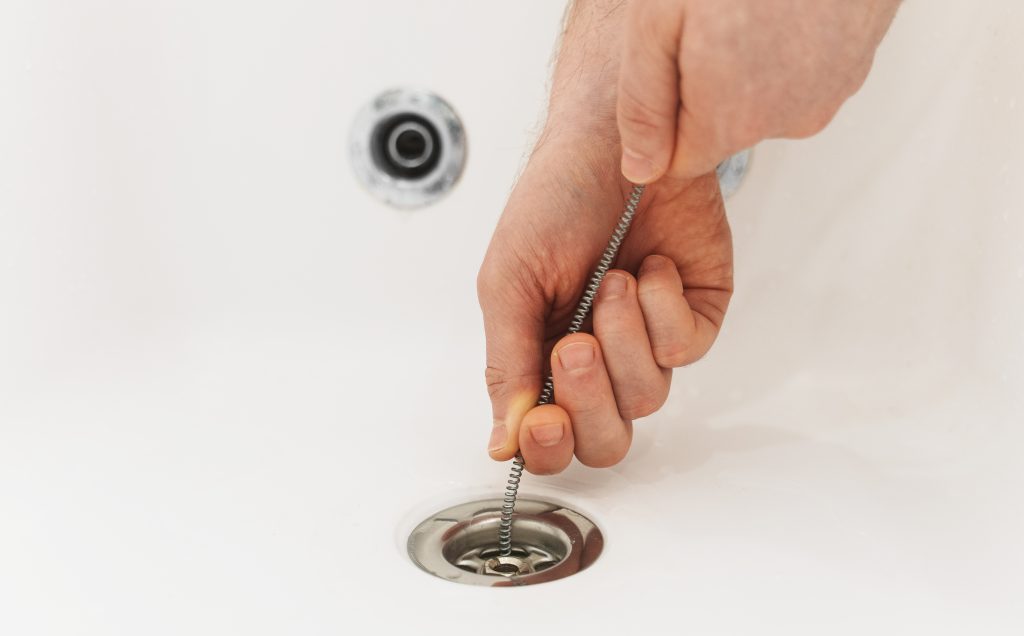
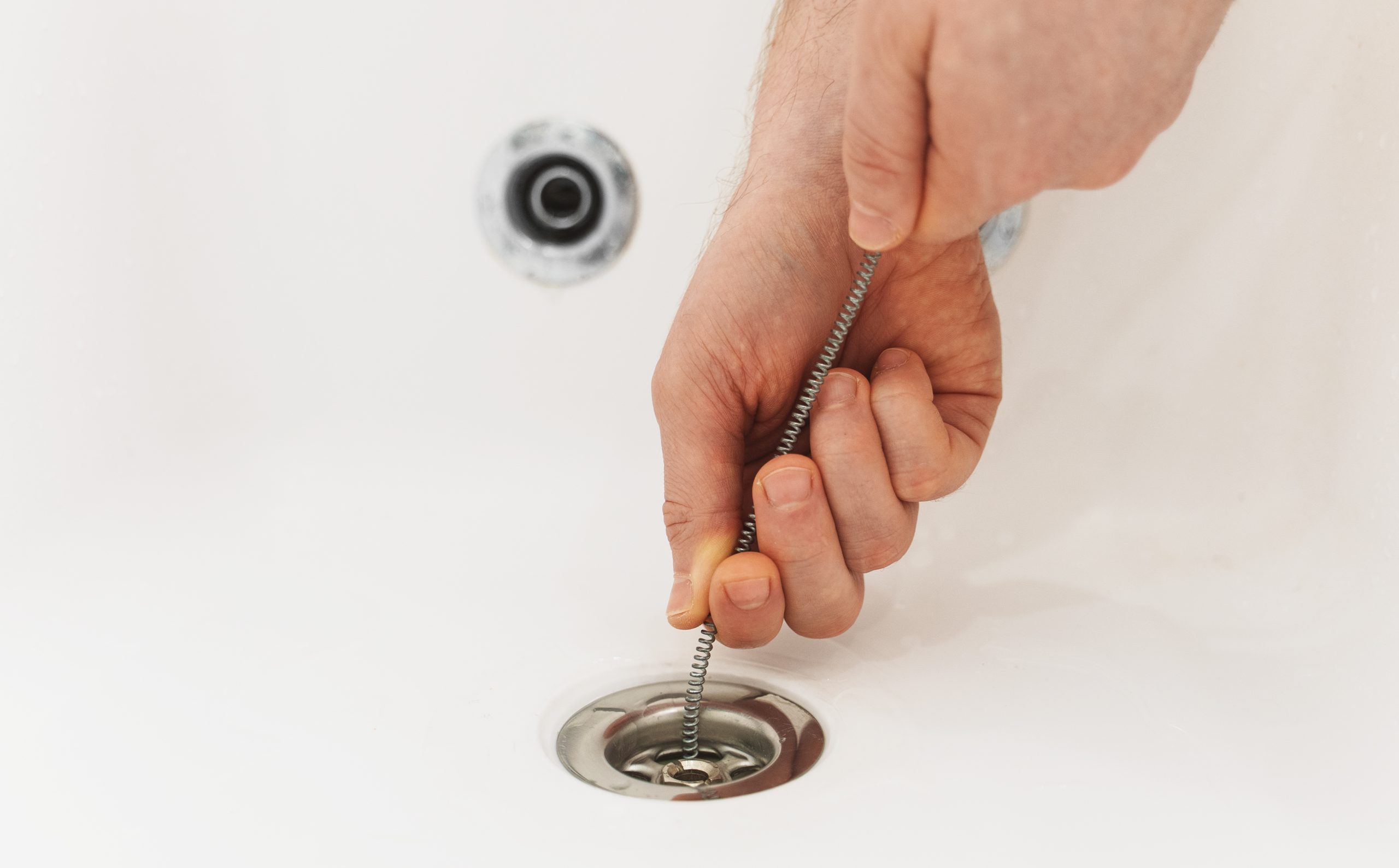
If multiple fixtures in the same bathroom or adjacent rooms are experiencing slow drainage or gurgling simultaneously, and snaking the tub drain does not resolve the issue, venting is likely the root cause and a plumber should evaluate the vent stack.