Why Your Garbage Disposal Has a Reset Button and What It Actually Does
Most homeowners have stood at the kitchen sink at some point, listening to a garbage disposal that hums but will not spin, or worse, does nothing at all. The usual next step is a quick search online that leads to the same advice: press the reset button. That little red or black button on the bottom of the unit is one of those features people use without ever fully understanding what it does or why it exists. If you want to stop guessing and start making smarter decisions about your home, understanding how that reset button works is a solid place to begin.
What Is the Garbage Disposal Reset Button
The reset button is a small thermal overload protector built into the base of your garbage disposal unit. It functions essentially like a built-in circuit breaker for the appliance itself. When the motor inside the disposal overheats or becomes overloaded, the reset button trips and cuts power to the motor. This protects the motor from burning out completely. Without it, a jammed or overworked disposal could sustain permanent internal damage far more quickly. Think of it as the disposal’s self-defense mechanism. It detects a problem, shuts things down before something worse happens, and waits for you to acknowledge and correct the issue before allowing the unit to run again.
How the Reset Button Works Step by Step
When a garbage disposal overloads, the internal thermal sensor reaches a temperature threshold that signals something is wrong. At that point, the reset button pops out slightly from its flush position on the underside of the unit. To restore function, you need to address the root cause first, then press the button back in until you feel or hear a small click. Many homeowners skip the first part and go straight to pressing the button. That approach usually results in the same problem repeating itself within minutes. The correct sequence matters. Identify what caused the overload, clear the jam if one exists, allow the motor a few minutes to cool, and then press the reset button firmly. After that, run cold water and attempt to turn the disposal back on.
Common Reasons the Reset Button Trips
- A hard food item like a bone or fruit pit became lodged in the grinding chamber
- Fibrous foods like celery or artichoke leaves wrapped around the grinding components
- The disposal ran continuously for too long without adequate water flow
- A foreign object such as a utensil or bottle cap fell into the unit
- The disposal sat unused for an extended period and the grinding plate seized up
- Grease and food buildup accumulated to the point of restricting movement
How to Safely Clear a Jam Before Resetting
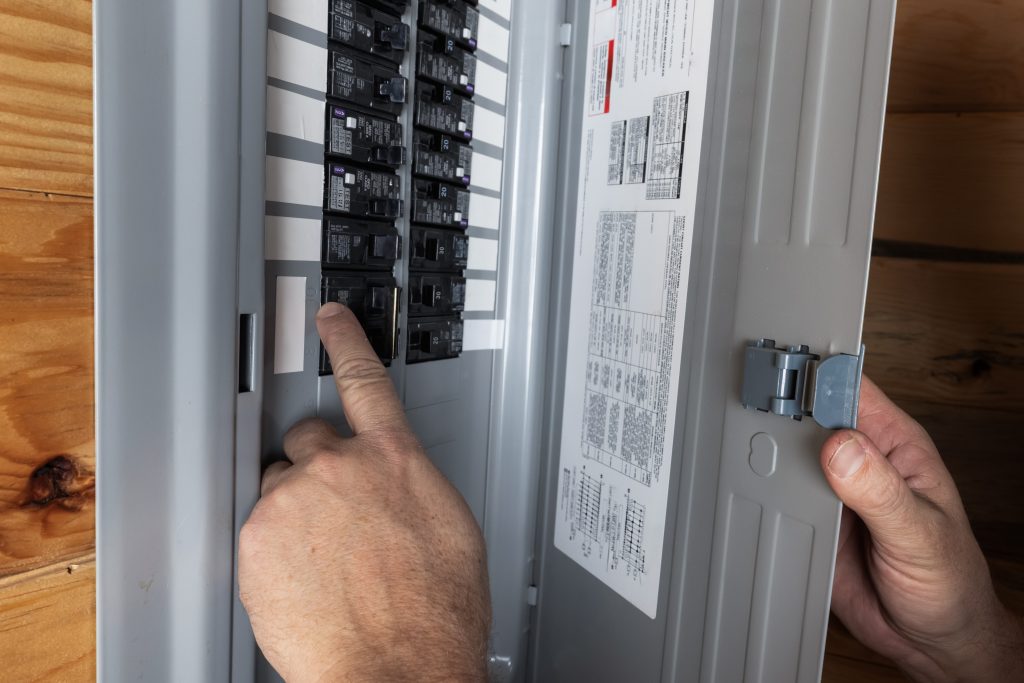
Before you ever touch the reset button, safety has to come first. Turn off the disposal switch and unplug the unit from the outlet beneath the sink, or shut off the appropriate circuit breaker. Never reach your hand into the grinding chamber regardless of whether you believe power is off. Most garbage disposals come with a small hex wrench, sometimes called an Allen wrench, that fits into a socket on the very bottom center of the unit. Inserting the wrench and manually turning it back and forth frees up a stuck grinding plate in most jam situations. If you did not receive one with your disposal, a standard quarter-inch hex key typically works. Once the plate moves freely and you have removed any visible debris using tongs or pliers, you are ready to let the motor cool and then reset.

Key Advantages of Having a Built-In Reset Feature
The reset button is genuinely useful and not just a workaround for poor design. It extends the operational life of the motor by preventing it from sustaining heat damage during overload events. It gives homeowners a way to troubleshoot and resolve minor issues without calling a technician every time a piece of chicken bone goes down the drain. It also keeps the appliance safer by removing power automatically when the unit is under stress. That said, it is worth remembering that the button being there does not mean it should be tripping regularly. If you are pressing the reset button more than occasionally, the disposal is trying to tell you something.
Common Drawbacks and What They Signal
Frequent resets are not normal. If the button trips repeatedly over a short period, the motor may be wearing out, the internal wiring may have a fault, or the grinding components may be damaged enough that they are struggling to process even moderate loads. Another limitation of the reset button is that it only addresses motor overload situations. It does not fix leaks, worn seals, failing electrical connections at the switch, or deteriorating grinding plates. Some homeowners develop a habit of resetting the disposal as a first response to any issue and end up missing signs that the unit actually needs repair or replacement. The reset button solves one specific problem. Knowing what it cannot fix is just as important as knowing what it can.
When Resetting Does Not Work and What to Do Next
If you press the reset button and the disposal still does not respond, there are a few possibilities worth checking. First, confirm the unit is actually receiving power by testing the outlet under the sink with another appliance. A tripped circuit breaker at the main panel is sometimes the actual problem rather than anything wrong with the disposal itself. If power is confirmed and the reset button simply will not stay in or clicks back out immediately, the motor has likely overheated beyond what a short cooldown can resolve. Give it fifteen to twenty minutes before trying again. If the unit still fails to operate after a full cooldown and confirmed power supply, the disposal may need professional attention or replacement. Age is a factor worth considering here as well. Most disposals have a functional lifespan of eight to fifteen years depending on brand, usage, and maintenance habits.
Practical Tips for Reducing Reset Button Events
- Always run cold water before, during, and after using the disposal
- Avoid disposing of hard items like bones, fruit pits, and hard shells
- Cut large food scraps into smaller pieces before sending them through
- Never pour cooking grease or oil down the disposal
- Run the disposal regularly even when not in heavy use to prevent seizing
- Clean the unit monthly using ice cubes and coarse salt to clear buildup from the grinding chamber
How a Home Warranty Can Cover Garbage Disposal Problems
When the garbage disposal reset button stops being enough and repairs or replacement become necessary, out-of-pocket costs can add up quickly. A new disposal unit alone can range from one hundred to five hundred dollars depending on brand and horsepower, and professional installation adds to that. That is exactly where having reliable home warranty coverage for kitchen appliances and disposal systems becomes genuinely valuable. Armadillo is built for homeowners who want straightforward protection without the runaround. Coverage is clear, the claims process is designed to be fast, and the whole experience is structured around actually helping you rather than finding reasons not to. If your garbage disposal needs repair or replacement due to normal wear and mechanical failure, Armadillo has you covered. Take a few minutes to get a personalized home warranty quote that includes garbage disposal and appliance protection so you are not caught paying full price the next time something fails under your sink.

Frequently Asked Questions About Garbage Disposal Reset Buttons
These are the questions homeowners ask most often when dealing with garbage disposal issues and the reset button specifically.
Where is the reset button on a garbage disposal?
The reset button is located on the bottom of the garbage disposal unit, underneath the sink. It is typically a small red or black button that sits flush when the unit is functioning normally and protrudes slightly when it has tripped.
Why does my garbage disposal reset button keep tripping?
Repeated tripping usually indicates a recurring jam, an aging motor that can no longer handle normal loads, or an underlying mechanical issue. If it trips more than occasionally, the disposal may need professional inspection or replacement.
How long should I wait before pressing the reset button?
Wait at least five to ten minutes after the disposal trips before pressing the reset button. This allows the motor to cool sufficiently. If the button will not stay in after pressing, wait an additional ten to fifteen minutes and try again.
Can I reset my garbage disposal without fixing the jam first?
You can press the button without clearing the jam, but the disposal will likely trip again almost immediately. Always identify and resolve the cause of the overload before attempting a reset to avoid repeated motor stress.
What should I do if my garbage disposal has no power and the reset does not help?
Check the outlet under the sink for power using another device, and inspect the circuit breaker panel for any tripped breakers. If power is confirmed and the reset still does not restore function, the unit may have a failed motor or internal wiring fault.
Is it safe to manually turn the disposal plate with an Allen wrench?
Yes, using the hex wrench in the socket on the bottom of the unit is the recommended and safe method for clearing a jam. Always ensure the disposal is unplugged or the circuit is off before doing so.
How often should a garbage disposal need to be reset?
A properly functioning disposal in good condition should rarely need a reset. Occasional resets after unusual use are normal. Frequent resets, meaning multiple times per week or month, indicate a problem that warrants further investigation.
Does a home warranty cover garbage disposal repairs and replacements?
Many home warranty plans include garbage disposal coverage under kitchen appliances or plumbing systems. Coverage details vary by provider, so reviewing your plan terms carefully is important to understand what is and is not included.
What is the average lifespan of a garbage disposal?
Most garbage disposals last between eight and fifteen years with regular maintenance and proper use. Units used heavily or those that have experienced frequent jams and motor overloads may fail sooner.
Can I replace the reset button itself if it stops working?
The reset button is integrated into the thermal overload component of the motor assembly. In most cases it is not cost-effective to replace the component alone, and persistent failure of the reset mechanism typically signals that disposal replacement is the more practical solution.